 MomSkoop
Psychologist Donald Winnicott wrote about the capacity to be alone back in 1958, and he saw it as a sign of emotional growth. He didn’t mean hiding from people, but feeling settled while nobody else is in the room. That idea still feels surprisingly fresh to me. Solitude you choose is very different from loneliness you didn’t ask for, even if both happen on the same quiet couch.
Maybe you already love a solo coffee run or a Saturday with zero plans. Those small choices say a lot about how you treat your time, your energy, and your own opinions. People who enjoy their own company seem to pick up a few lessons about freedom along the way. I find those lessons fun to unpack, so grab a comfy seat and see which ones sound familiar.
1. Making Your Own Calls Feels Great
A table for one can feel like a tiny declaration of independence.
You pick the spot, the meal, and how long you stay, with no group vote required.
People who like their own company tend to value that kind of autonomy.
They handle errands, small problems, and spontaneous plans without waiting for someone to tag along.
A solo movie or a last-minute day trip becomes an option instead of a scary idea.
The freedom here isn’t about rejecting help.
It’s about knowing you can manage on your own when you want to, which makes asking for help a choice rather than a need.
Want to practice?
Start small with one solo outing this month.
Try a museum, a bookstore, or a walk through a neighborhood you’ve never explored.
Notice how decisions feel when nobody else weighs in.
You might linger at one painting for ten minutes or skip an entire wing without guilt.
Those tiny preferences reveal what you actually enjoy, not what you’d pick to keep a friend happy.
Over time, those small solo wins add up.
You start trusting your own judgment, and that trust follows you into bigger choices, from career moves to how you spend a free weekend.
2. Choosing Solitude Changes How It Feels

Funny how the same empty evening can feel lonely one week and wonderful the next.
The difference often comes down to one word: choice.
Loneliness usually shows up uninvited.
Solitude, on the other hand, happens when you decide to step back on purpose.
People who enjoy being alone understand that this decision gives them control over the experience instead of the other way around.
Picking your why makes a big difference.
Maybe you want to rest after a busy week, sort through a decision, or simply read without interruptions.
When you know the reason, quiet time stops feeling like something missing and starts feeling like something planned.
A simple trick helps here.
Put alone time on your calendar the same way you’d schedule lunch with a friend.
Give it a name if you like, such as “reset hour” or “Sunday slow morning.” Labeling it reminds you that this time was chosen, not leftover.
Of course, not everyone has endless free hours.
Parents, caregivers, and folks working long shifts might only grab fifteen minutes in a parked car.
That still counts, because the freedom comes from deciding how to use the time, not from how much of it you have.
3. Getting to Know Yourself Takes Quiet

Ever notice how your best thoughts pop up in the shower?
With no one talking and no screen glowing, your brain finally gets a word in.
Folks who enjoy their own company make room for that inner voice on a regular basis.
They think about why a conversation bugged them, what they actually want from their job, or which habits no longer fit.
That kind of reflection is hard to do in a noisy group chat.
Self-awareness sounds fancy, but it’s really just paying attention to yourself.
You notice patterns, like always feeling drained after certain events or energized after others.
Journaling is one easy way in.
Try writing three quick answers each night: what felt good, what felt off, and what you’d change tomorrow.
Walking without headphones works too.
Some people think more clearly while moving, and a twenty-minute stroll can sort out a tangled problem better than an hour of scrolling.
The freedom piece shows up later.
Once you understand your own reactions, you’re less likely to get pushed around by moods or other people’s assumptions.
You know your reasons, so you can explain them, change them, or stand by them with confidence.
4. Calming Yourself Down Is a Superpower
Bad day at work, and nobody’s around to vent to.
For people comfortable alone, that’s not a crisis, just a cue to put the kettle on.
Being able to soothe yourself is a skill, and it grows with practice.
Winnicott’s idea of the capacity to be alone points to this: feeling okay in your own company without panic or a constant need for reassurance.
This doesn’t mean bottling up feelings or refusing support.
Friends, family, and professionals still matter, especially during hard times.
The difference is that your peace doesn’t hinge entirely on someone replying to your text within five minutes.
Try building a personal calm-down kit.
It might include a favorite playlist, a stretching routine, a comfort show, or a notebook for messy thoughts.
Breathing slowly for a minute or two can help some people feel steadier.
Others prefer doing something with their hands, like cooking, drawing, or folding laundry while thinking things through.
When you can steady yourself, relationships get lighter too.
You reach out because you want connection, not because you’re desperate for rescue.
That shift gives both you and the people you love a lot more breathing room.
5. Other People’s Expectations Lose Their Grip
Nobody is watching you eat cereal for dinner at 9 p.m.
Honestly, that’s one of the most freeing facts in adult life.
Alone time strips away the audience.
Without people around, you stop editing yourself to match what you think they expect.
You can change plans halfway through, nap in the afternoon, or spend three hours on a puzzle with zero explanation.
That break from being observed can quiet a lot of self-consciousness.
When you aren’t constantly guessing how others see you, your own preferences get louder and clearer.
People who enjoy their own company tend to carry that clarity back into social life.
They’re less likely to agree to things just to look agreeable or to chase approval for every decision.
A fun experiment is to plan a day with no one else’s input.
Pick your meals, your route, and your activities based only on what sounds good to you.
Afterward, ask yourself which choices surprised you.
Maybe you skipped the thing you “always” do or tried something you’d never suggest in a group.
Those surprises are clues about the life you’d build if outside pressure turned the volume down a little.
6. Ideas Grow Better Without Interruptions

Henry David Thoreau built a small cabin near Walden Pond and lived there for just over two years.
Out of that stretch came “Walden,” published in 1854 and still read today.
You don’t need a cabin to borrow the idea.
Uninterrupted time lets your mind wander, connect random dots, and play with possibilities that would get cut off in a busy room.
Brainstorming alone has a perk: no one shoots down a weird idea before it’s finished.
You can follow strange tangents, sketch rough drafts, and let half-formed thoughts breathe.
Plenty of people who like their own company report rich imaginations.
Daydreaming, doodling, writing stories, or tinkering with projects often fills their solo hours.
Want to give it a shot?
Set a timer for twenty minutes, silence your phone, and work on one creative thing.
It could be a poem, a garden plan, a recipe twist, or a bedroom rearrangement.
Keep expectations low and curiosity high.
Some sessions will produce gold, and others will produce a page of scribbles, which is totally fine.
Creative freedom includes the freedom to make something bad first.
7. Recharging Is Not the Same as Hiding

Leaving a party a little early isn’t rude when it saves you from turning into a grumpy zombie by midnight.
Sometimes the kindest move for everyone is a quiet ride home.
Many people, especially introverts, refuel during alone time.
They come back to friends and coworkers more patient, more present, and frankly more fun.
Short breaks can help too.
A 2018 set of experiments led by Thuy-vy Nguyen found that about fifteen minutes alone tended to lower high-energy feelings, including anxiety and excitement, leaving people calmer.
That’s useful to know when life feels loud.
You don’t always need a whole weekend away; a brief pause can do some of the work.
Try a few quick resets during your day.
Sit in your car for a few minutes before heading inside, take a solo lap around the block, or eat lunch away from your desk.
Pay attention to which breaks actually leave you feeling better.
Scrolling social media might look like rest but can feel busy for some people.
Others find a short nap or a page of a novel works wonders.
Your recharge style is personal, so feel free to experiment until something clicks.
8. Saying No Protects Your Time

“No” is a complete sentence, though adding “thanks for asking” keeps things friendly.
People who value alone time tend to learn this pretty quickly.
Boundaries make solitude possible.
If you say yes to every invite, favor, and late-night request, your free time quietly disappears.
Turning something down isn’t a personal attack.
It’s simply an honest signal about your limits, and most reasonable people respect that.
Self-care often gets sold as bubble baths and face masks, which are lovely.
Still, the most useful self-care might be protecting an empty evening when you need one.
Practicing helps if saying no feels awkward.
Try a few ready-made lines, such as “I can’t this time, but I’d love to next month” or “I need a quiet night, so I’ll pass.”
Keep in mind that some obligations aren’t optional.
Jobs, kids, and family responsibilities come with real demands, and boundaries look different for everyone.
Still, small adjustments count.
Maybe you skip one optional meeting or limit weekend plans to a single event.
Each protected hour gives you room to rest, think, and show up for the commitments you actually care about.
9. Fewer Friendships Can Mean Deeper Ones
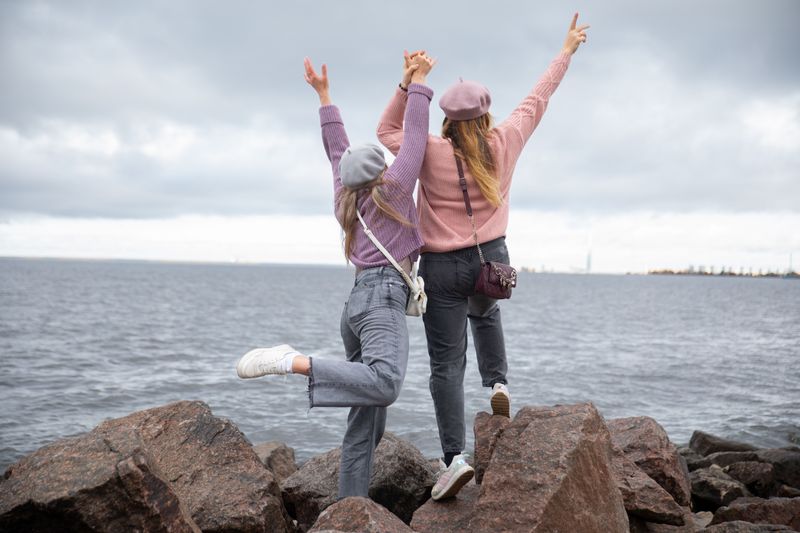
Liking your own company doesn’t make you a hermit.
Plenty of solo fans have fantastic friends; they just might have fewer of them.
Many people who enjoy alone time prefer quality over quantity.
One long, honest chat over tea may beat a dozen surface-level conversations at a crowded event.
Since they aren’t relying on others to fill every empty hour, they can be pickier about where their social energy goes.
That often leads to relationships built on shared values instead of convenience.
Being okay alone can also make you a better friend.
You’re not clinging, and you’re not using someone to escape your own thoughts.
Instead, you show up because you want to be there.
Friends tend to notice that difference, even if they can’t put a name to it.
Want to put this into practice?
Think about two or three people who leave you feeling understood.
Reach out to one this week with a specific plan, like a walk or a cooking night.
Skip the pressure to keep up with everyone at once.
A smaller circle you actually nurture can feel richer than a packed social calendar that wears you out.
10. Your Passions Finally Get Center Stage
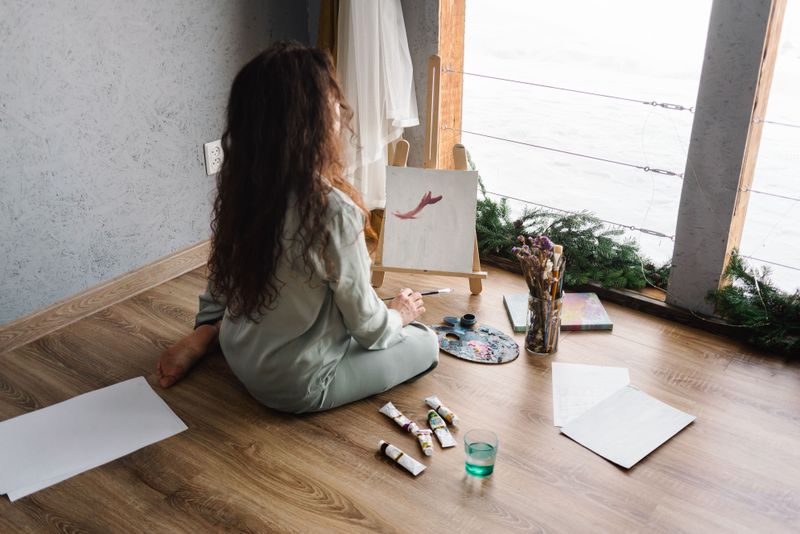
That dusty guitar in the closet isn’t judging you, but it might be waiting.
Alone time is often when forgotten hobbies get a second chance.
Without group schedules or outside opinions, you can chase whatever sparks your interest.
Learning a language, restoring furniture, baking sourdough, or studying birds all become fair game.
Personal growth tends to happen in these quiet stretches.
You test new skills, figure out what you value, and set goals that belong to you instead of someone else.
There’s also freedom in being a beginner privately.
Nobody hears your first wobbly chords or sees your lopsided pottery, so mistakes feel less embarrassing and more like progress.
Pick one passion and give it a regular slot, even thirty minutes a week.
Free online tutorials and library resources can keep costs low if budget is tight.
Track your progress in a simple notebook or photo album.
Looking back after a few months can be surprisingly satisfying.
Ultimately, the people who enjoy their own company know freedom isn’t just about escaping demands.
It’s about filling your open hours with things that make you feel most like yourself, one quiet session at a time.