 MomSkoop
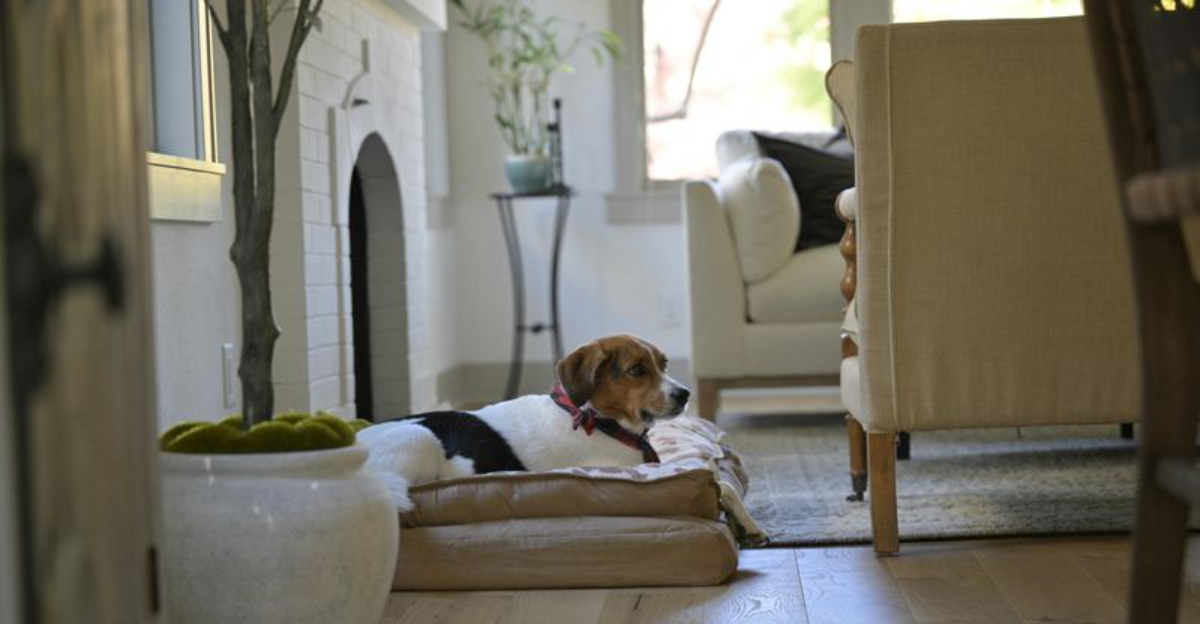
Your living room is the heart of your home, where family gathers and guests feel welcome. But some common items can make this important space feel cluttered, outdated, or just plain awkward. Understanding what doesn’t work helps you create a room that’s both beautiful and comfortable for everyone who uses it.
1. Pet Beds And Cages
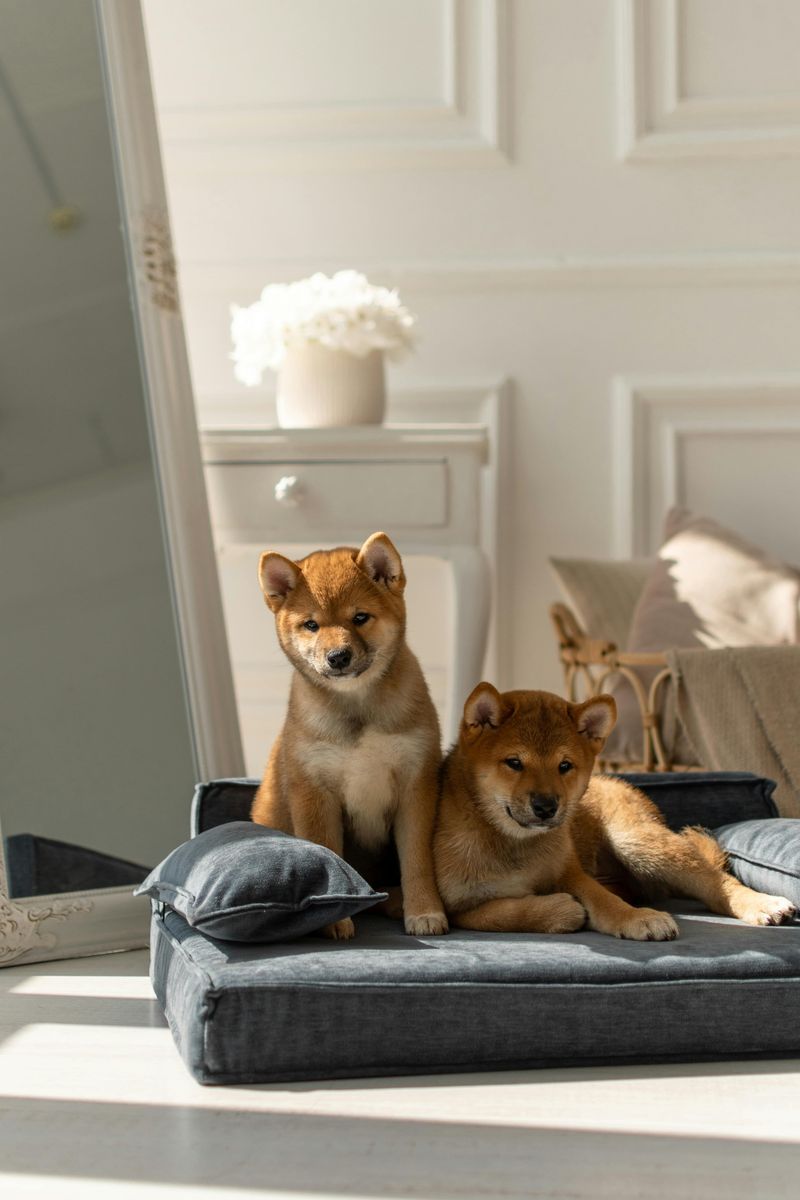
Nobody wants to trip over Fluffy’s sleeping spot on their way to the couch.
Pet beds take up valuable floor space and often clash with your carefully chosen furniture colors.
Even worse, they collect fur and dirt that spreads throughout the room.
Wire cages look especially out of place against nice décor, creating an eyesore that draws attention away from your design efforts.
Consider placing pet furniture in a mudroom, laundry area, or bedroom instead.
Your furry friends will still have their cozy spots, just not where everyone sits and relaxes.
This simple change keeps your living room looking intentional and polished.
2. Recliner Style Seating
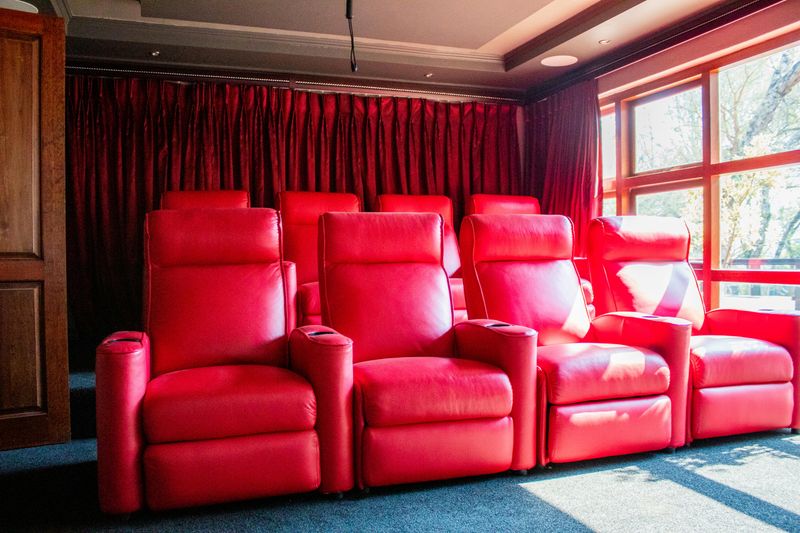
That massive recliner might feel like a cloud, but it probably looks like a spaceship landed in your living room.
These chairs often dominate the space with their chunky frames and mismatched upholstery.
Most recliners weren’t designed with style in mind—they prioritize function over form.
When fully extended, they eat up even more room and can block walkways or conversation areas.
Modern furniture makers now create comfortable seating that doesn’t sacrifice good looks.
Sleek sofas with deep cushions or stylish accent chairs provide plenty of comfort without the dated appearance.
Your back will thank you, and so will your design sense.
3. Children’s Toys
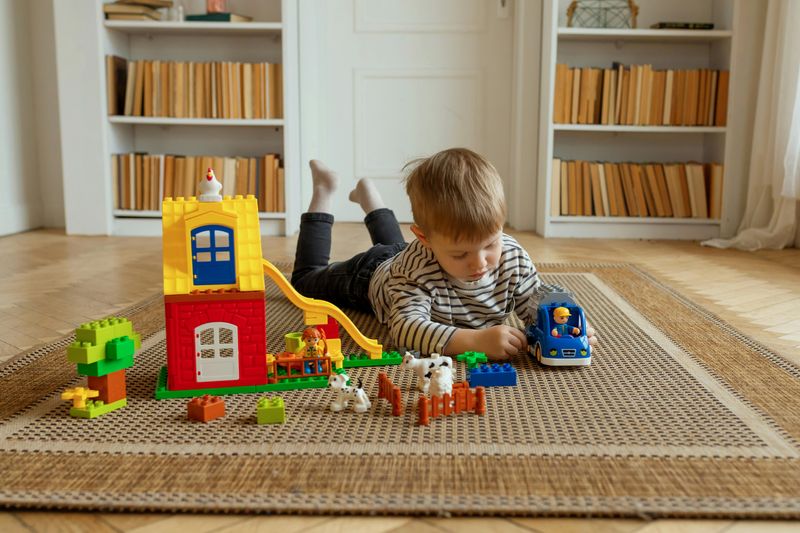
Bright plastic toys scattered across the floor turn your living room into a obstacle course.
While kids need space to play, the living room shouldn’t double as a permanent toy warehouse.
Action figures, dolls, and building blocks create visual chaos that fights against any design theme you’ve established.
Guests have nowhere to walk, and the constant clutter makes relaxation nearly impossible for adults.
Smart storage solutions work wonders here.
Decorative baskets, ottomans with hidden compartments, or a nearby playroom keep toys accessible but out of sight.
Teach children to clean up before bedtime, and suddenly your living room transforms back into an adult space each evening.
4. Matching Furniture Sets
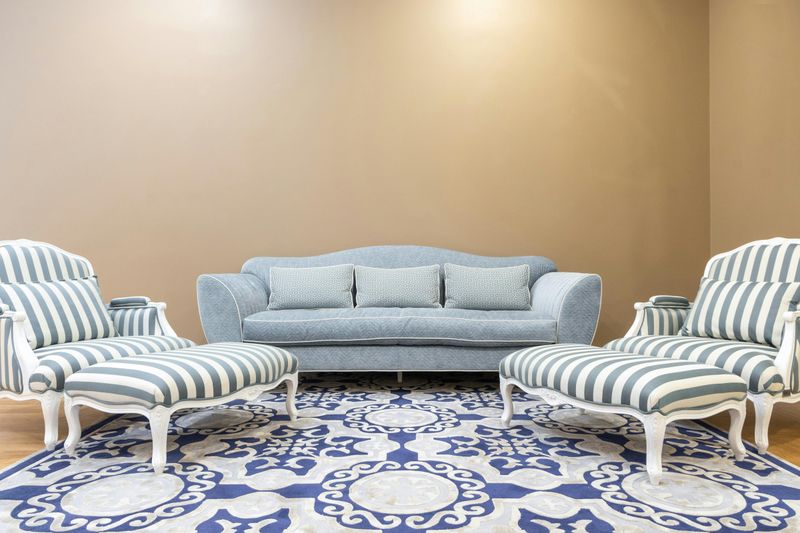
Walking into a room where everything matches perfectly feels like stepping into a furniture showroom, not a home.
Identical sofas, loveseats, and chairs in the same fabric scream “I bought everything at once and called it done.”
Real design happens when you mix textures, styles, and periods to create something interesting.
Professional decorators rarely use matching sets because they lack personality and depth.
Try pairing a solid sofa with patterned accent chairs, or mixing modern pieces with vintage finds.
Different wood tones and fabric textures add layers that make a room feel collected over time rather than purchased in one shopping trip.
Your space will tell a story instead of looking like a catalog page.
5. Work-Related Items

Your laptop, stacks of paperwork, and charging cables don’t belong on the coffee table where you’re supposed to relax.
Mixing work with leisure space makes it harder to unwind after a long day.
Office clutter creates visual stress and reminds you of deadlines when you should be watching movies or chatting with family.
Printers, file boxes, and desk lamps especially look out of place among comfortable furniture meant for relaxation.
If you work from home, dedicate a separate area—even a small desk in a bedroom or corner works better.
Clear boundaries between work and relaxation zones help your brain switch modes.
Your living room should signal rest time, not remind you of tomorrow’s presentation.
6. Ceiling Fans
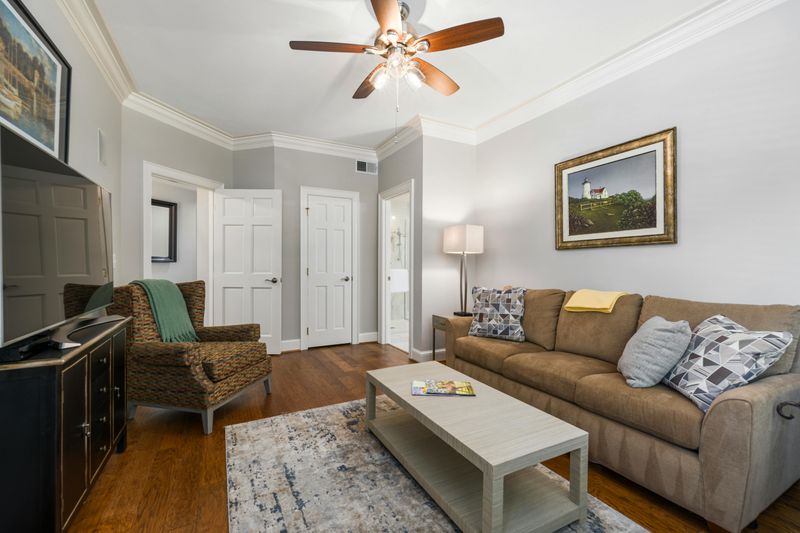
Ceiling fans rarely add to a room’s beauty, and they often subtract from it significantly.
Most models look industrial or dated, with blades that collect dust and wobble when spinning.
They draw the eye upward to the least interesting part of your room instead of highlighting your furniture and décor.
Many fans include those awkward light kits with frosted glass that screams “builder grade” rather than “thoughtfully designed.”
Better options exist for air circulation.
Floor fans hide behind furniture, and modern HVAC systems handle temperature control more efficiently.
If you absolutely need air movement, choose a sleek, minimal fan design that blends into the ceiling rather than dominating it.
Your room will feel more sophisticated without those spinning blades overhead.
7. Rugs That Are Too Small
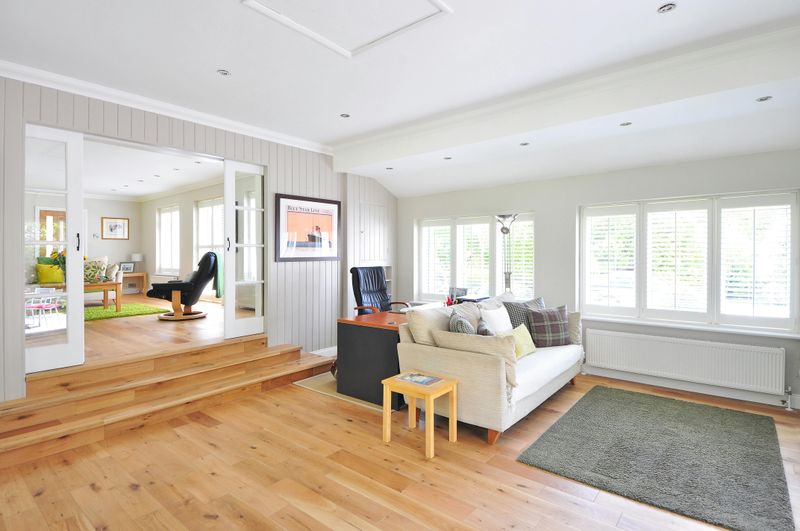
Picture a postage stamp floating in the middle of an envelope—that’s what tiny rugs look like in living rooms.
When your rug doesn’t extend under at least the front legs of your furniture, it appears disconnected and accidental.
Small rugs make spaces feel choppy and disorganized rather than pulled together.
They also create tripping hazards and slide around easily because there’s no furniture weight holding them in place.
The right rug size anchors your seating area and defines the conversation zone.
All furniture legs should either sit on the rug or stay completely off it—no in-between.
Larger rugs might cost more upfront, but they make your entire room look more expensive and intentional.
8. Impersonal Artwork
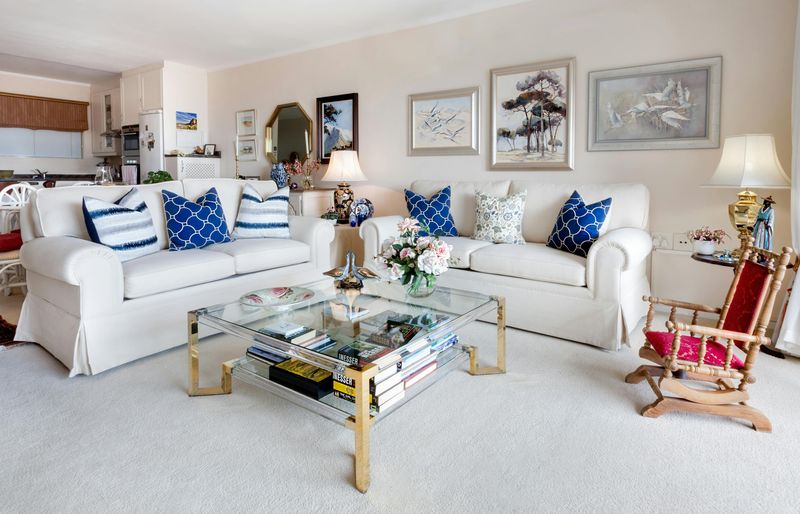
Mass-produced prints of random beaches, generic flowers, or meaningless quotes make your walls look like a hotel lobby.
These pieces have no connection to your life or interests, serving only to fill empty space.
Artwork should spark conversation or stir emotions, not just match your couch color.
When every home has the same store-bought prints, your space loses its unique character and becomes forgettable.
Choose pieces that mean something to you personally—family photos, travel souvenirs, or art from local creators.
Even children’s drawings in nice frames add more personality than generic store prints.
Your walls tell visitors who you are, so make sure they’re sharing the right story about your family and experiences.
9. Bar Carts
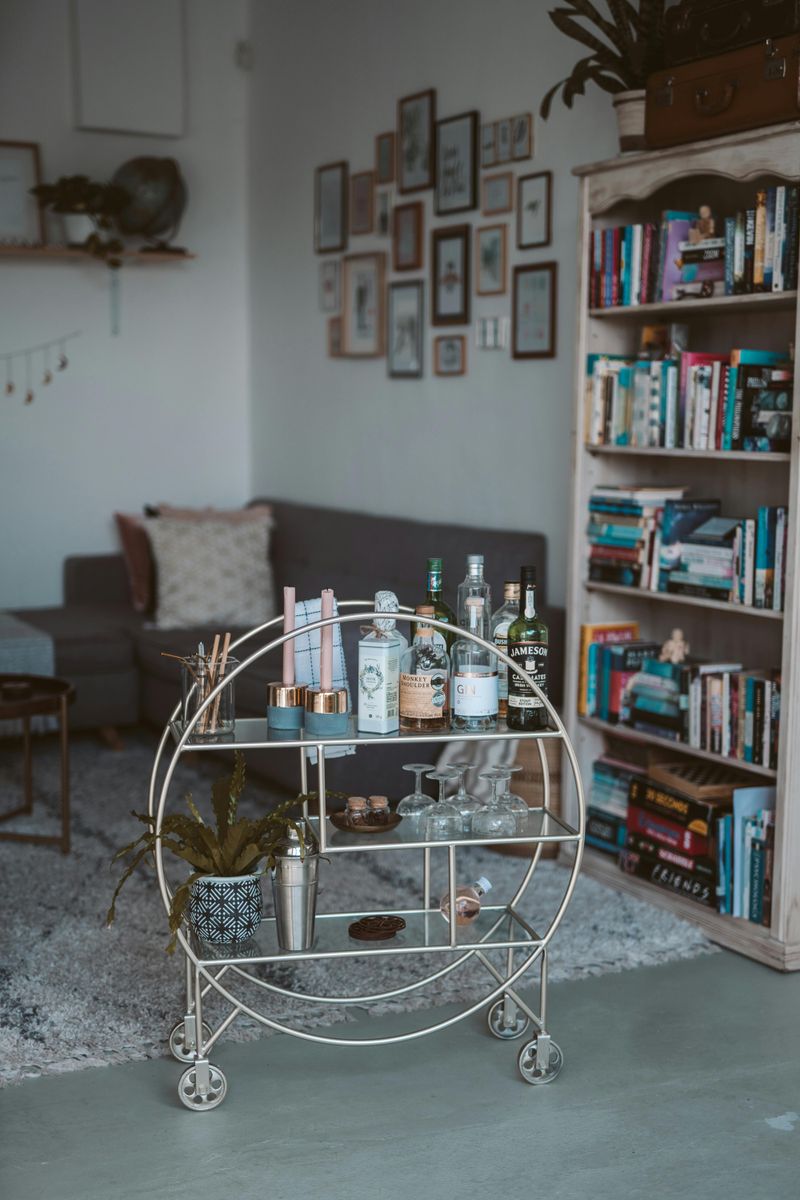
Bar carts became wildly popular on social media, but most people don’t actually use them regularly.
They sit in corners collecting dust while taking up precious floor space in already crowded rooms.
Unless you frequently entertain and mix cocktails for guests, that cart is just expensive clutter.
The bottles and glasses on display can look messy rather than sophisticated, especially if they don’t match your room’s style.
A simple cabinet or sideboard stores beverages more practically and looks cleaner.
When you do need to serve drinks, a tray works perfectly without permanent furniture commitment.
Trends come and go quickly, but functional furniture that serves your actual lifestyle never goes out of style.
10. Overhead Lighting Only
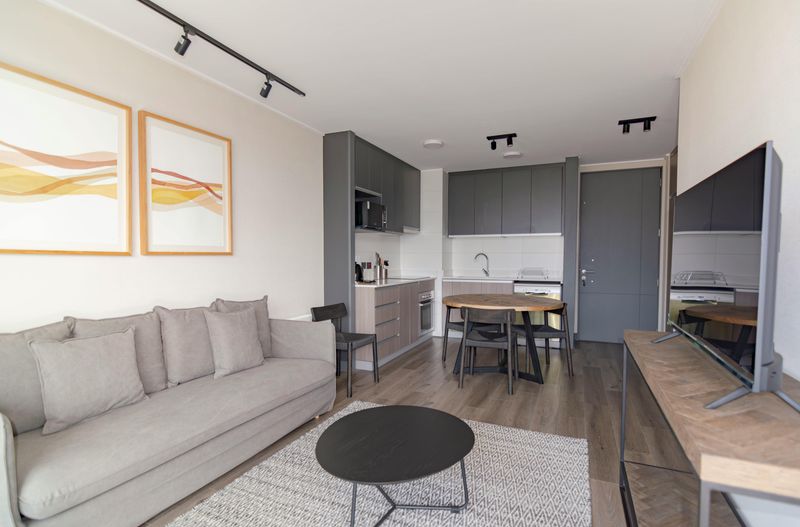
Relying solely on that bright overhead light creates harsh shadows and makes everyone look tired.
Single-source lighting from above flattens the room and eliminates the cozy atmosphere that makes living rooms inviting.
Professional designers always layer lighting at different heights—table lamps, floor lamps, and accent lights create depth and warmth.
Overhead fixtures work fine for tasks like cleaning, but they shouldn’t be your only option for everyday use.
Adding lamps lets you control brightness and mood throughout the day.
Soft, warm bulbs at eye level make faces look friendlier and spaces feel more intimate.
Multiple light sources also highlight your décor better, creating visual interest that a single ceiling fixture simply cannot achieve alone.