 MomSkoop

Living through trauma changes the way a person experiences the world — often in ways that are invisible to others.
Survivors develop habits, instincts, and coping patterns that helped them stay safe during hard times.
These behaviors can linger long after the danger is gone, quietly shaping everyday life.
Understanding them can build empathy, reduce judgment, and remind survivors that their responses make complete sense.
1. Scanning Rooms Without Even Thinking About It

Walk into any room with a trauma survivor, and chances are they already know where every exit is before you even sit down.
It happens automatically — eyes sweeping the space, clocking who looks tense, who seems relaxed, which corner feels safest.
Most people would never notice this happening.
This behavior is called hypervigilance, and it developed as a survival tool.
When someone grew up in an unpredictable or dangerous environment, their brain learned to stay one step ahead of trouble.
The nervous system adapted to protect them.
Even in perfectly safe spaces, that radar stays switched on.
2. Over-Explaining the Simplest Decisions

“I ordered the salad instead of the burger because I just thought maybe it was healthier and I didn’t want to seem indulgent, plus I wasn’t that hungry anyway…”
Sound familiar?
Trauma survivors often give long, detailed explanations for tiny choices — not because they are rambling, but because silence once felt dangerous.
When someone grows up expecting criticism or punishment for normal decisions, justifying everything becomes armor.
It’s a way of getting ahead of judgment before it arrives.
Recognizing this pattern is the first step toward trusting that most people aren’t looking for reasons to disapprove.
3. Taking Extra Time to Trust New People
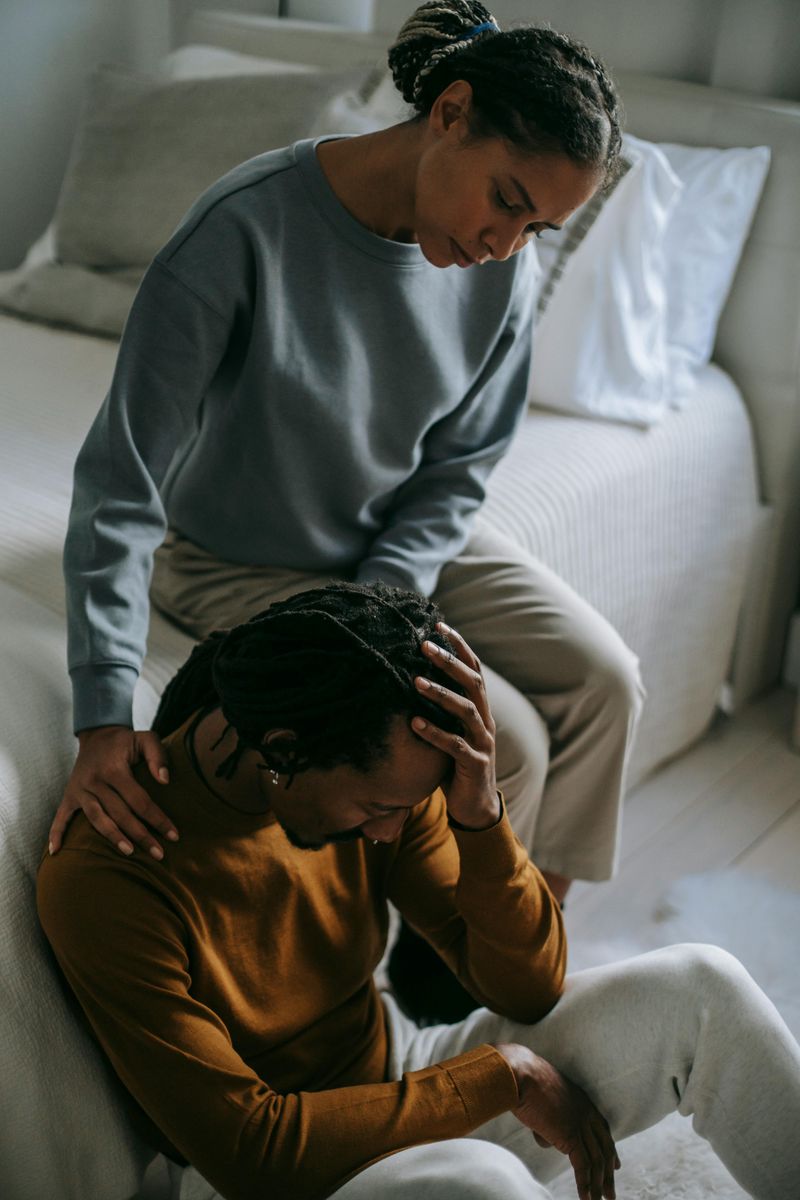
Trust doesn’t come easy when you’ve been hurt by the people who were supposed to be safe.
For trauma survivors, extending trust to someone new isn’t rude or cold — it’s careful.
They watch.
They listen.
They notice inconsistencies between words and actions before deciding whether someone is worth opening up to.
Think of it as an internal screening process built over years of hard lessons.
A friend might feel frustrated that closeness takes so long to develop, but patience here goes a long way.
Safe people prove themselves slowly, and that’s exactly what a trauma survivor needs to see.
4. Feeling Nervous When Life Gets Too Quiet

Calm is supposed to feel good — but for many trauma survivors, it feels like a warning.
When chaos was the norm for so long, peace starts to feel suspicious.
The mind whispers: “Something bad must be coming.”
It’s an exhausting way to live, and it’s more common than most people realize.
Psychologists call this waiting for the other shoe to drop.
The nervous system became so wired for crisis that stillness actually triggers unease.
Healing involves slowly teaching the brain that good things can last, that rest is safe, and that not every quiet moment is the calm before a storm.
5. Shrinking Their Own Pain in Conversation
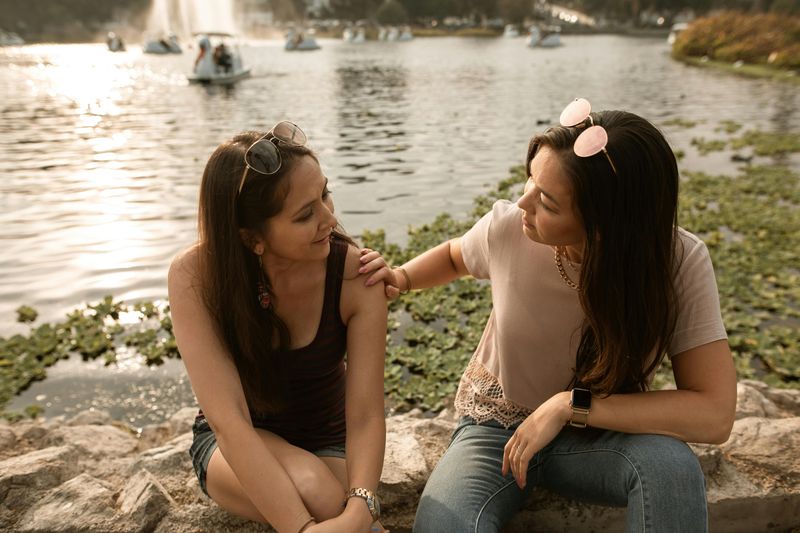
“It wasn’t that bad. Other people have it way worse.”
Trauma survivors say this constantly, almost reflexively.
Minimizing personal pain is a deeply ingrained habit — one that often started because their feelings were dismissed, mocked, or punished when they were younger.
So they learned to do the dismissing themselves, first.
Here’s the truth: suffering isn’t a competition, and pain doesn’t need a comparison to be valid.
Shrinking your story doesn’t protect anyone — it just keeps healing at arm’s length.
Giving yourself permission to say “that actually really hurt me” is one of the most powerful things a survivor can do.
6. Constantly Reading Between the Lines
A slight pause.
A shift in someone’s tone.
A sentence that ends just a little too quickly.
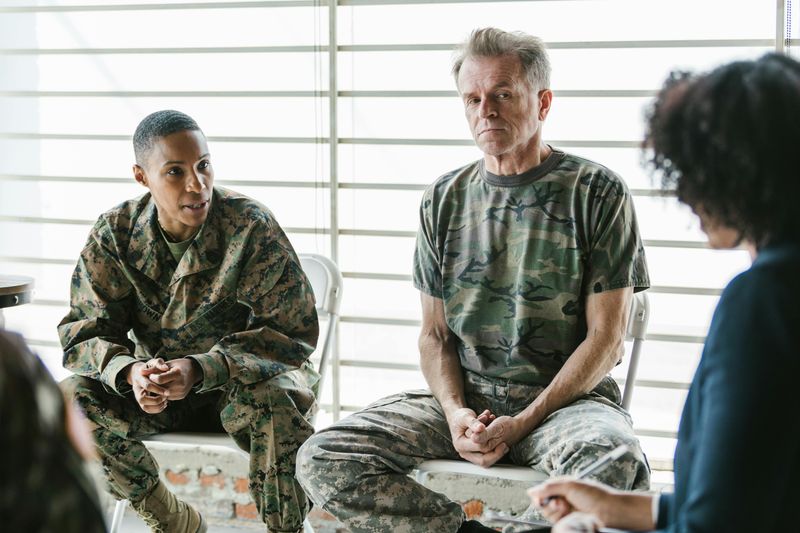
Most people barely notice these things — but trauma survivors catch all of it.
They’ve spent years learning to read unspoken signals because, at some point, those signals were the difference between safety and danger.
Picking up on micro-expressions, emotional undercurrents, and what people choose NOT to say becomes second nature.
This skill can actually be a social superpower in many settings.
The challenge is learning to turn down the volume a little — to stop treating every pause as a potential threat and allow conversations to simply unfold.
7. Questioning Kindness Instead of Accepting It
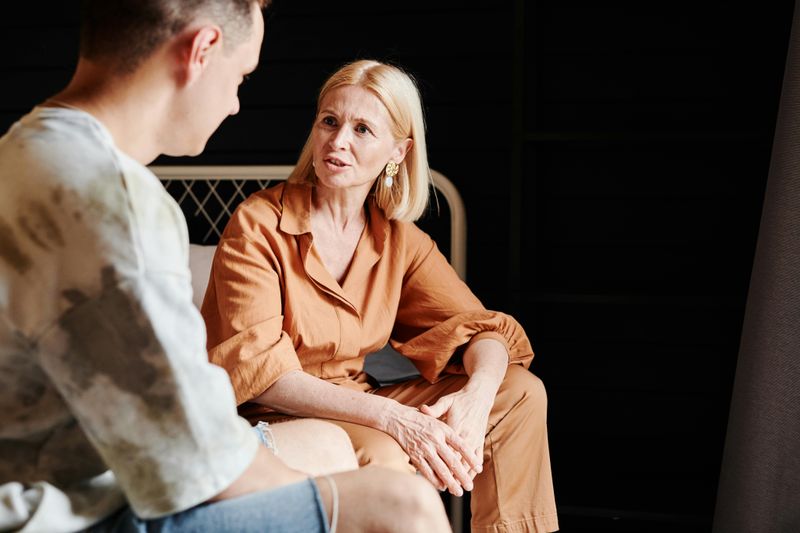
Someone does something genuinely kind — brings you coffee, gives a compliment, offers help without being asked.
Most people say thank you and move on.
Trauma survivors often get stuck on the why.
What do they want?
Is this real?
When’s the catch coming?
It can make receiving love feel more stressful than not getting it at all.
This isn’t cynicism — it’s self-protection.
When kindness was historically followed by manipulation or withdrawal, the brain learned to brace itself.
Slowly unlearning that pattern means allowing yourself to receive warmth without immediately bracing for disappointment.
Good people do exist, and not every gift comes with strings attached.
8. Shifting Personalities Depending on the Setting

Watch a trauma survivor move between environments and you might notice something striking — they seem like slightly different people in each one.
At home they might be loose and funny.
At work, they’re more guarded.
Around certain family members, they practically disappear.
This isn’t fake or manipulative; it’s adaptive.
Changing behavior to match what feels safe in a given situation is a survival skill that developed when consistency wasn’t available.
The problem is that it can leave someone feeling like they have no stable sense of self.
Part of healing is discovering who you actually are beneath all the adaptations — and giving that person room to breathe.
9. Apologizing for Simply Taking Up Space

“Sorry for bothering you.”
“Sorry, can I ask a quick question?”
“Sorry I’m here.”
Trauma survivors often apologize not for mistakes, but for existing — for having needs, asking for help, or simply being present in a space.
It’s one of the most heartbreaking habits to witness, and one of the hardest to unlearn.
When someone was made to feel like a burden early in life, apologizing becomes a kind of preemptive shield against rejection.
The good news?
Awareness is powerful here.
Noticing the apology before it leaves your mouth — and asking yourself whether you actually did anything wrong — is a small but meaningful act of self-reclamation.
10. Holding It Together Until Everything Spills Over
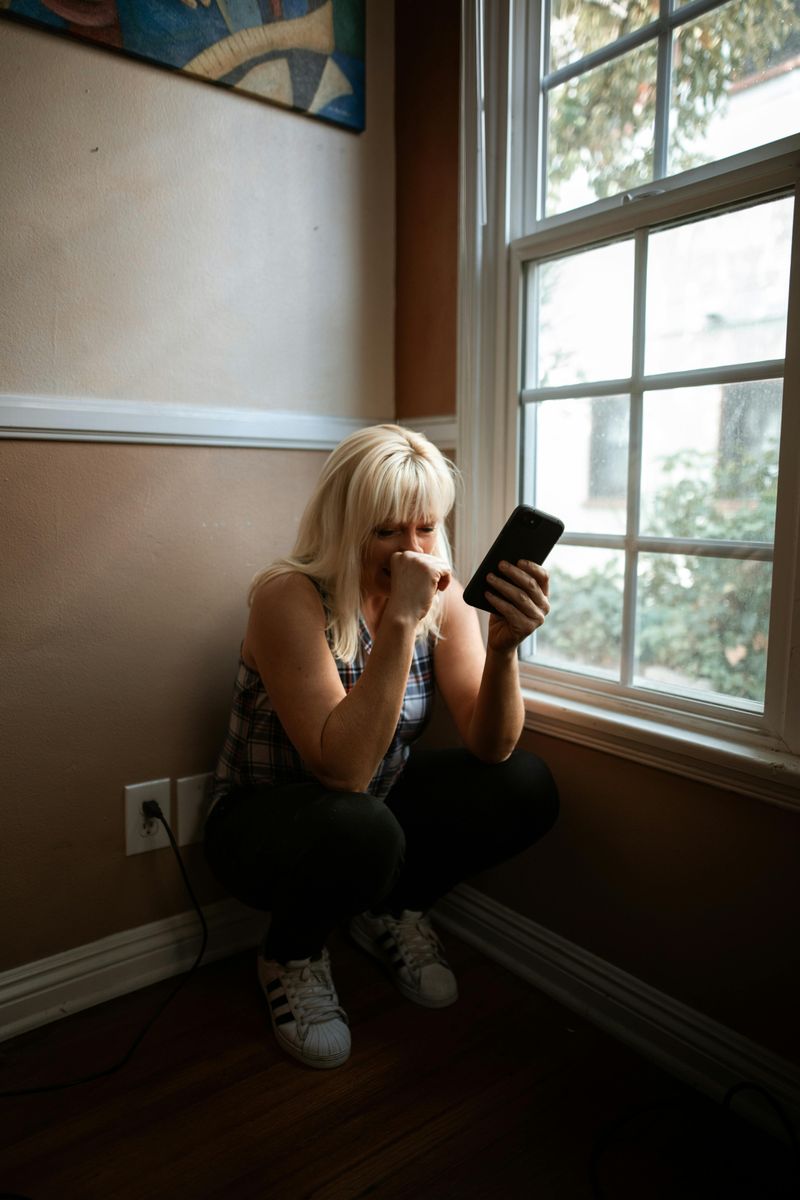
For long stretches of time, a trauma survivor can seem completely fine — composed, functional, even cheerful.
Then something small happens, and suddenly everything they’ve been holding comes pouring out at once.
To outsiders, the reaction might seem disproportionate.
But that’s only because they didn’t see all the weight being quietly carried beforehand.
Emotional suppression is a coping mechanism.
When expressing feelings wasn’t safe, storing them became the only option.
The overflow isn’t weakness — it’s the inevitable result of a container that’s been filled past its limit.
Learning to release emotions in smaller, regular doses is a skill that takes time, but it genuinely changes everything.