 MomSkoop

A spouse often finds out how many passwords, renewal dates, and birthday reminders lived inside one person’s head only after that person is gone. For many widowers, the first real surprise shows up in a kitchen drawer or a laptop login screen. Those small discoveries tend to arrive slowly, like a dentist reminder card or a recipe with notes scribbled in the margin.
Each one can feel like a quiet message, part practical puzzle and part love letter from the woman who wrote it. I find this subject moving because it shows how much of a marriage happens in the background. Plenty of devoted husbands simply never saw the full scope of what their wives carried day after day. If you’re grieving, helping a father or friend, or just planning ahead with your own partner, these discoveries are worth knowing about.
1. The Paper Trail She Managed

Behind the file cabinet door, many widowers find an entire filing system they never needed to learn.
Bank statements, insurance policies, property deeds, retirement accounts, and a will may all sit in folders labeled in her handwriting.
Plenty of couples split duties so one person handles the money.
When that person is the wife, the husband can suddenly face a steep learning curve right when he has the least energy for it.
A few practical steps can ease the pressure.
Start by gathering the documents into one place, even a single box, so you can see the whole picture before making decisions.
Next, make a simple list of each account, the company, and a contact number from the statement.
Banks, insurers, and retirement plan providers usually have a process for surviving spouses, and they will ask for a certified copy of the death certificate, so order several.
You don’t have to finish this in a week.
Nonurgent choices, like selling a house or moving investments, can often wait while you get your footing, and a fee-only financial planner or estate attorney can help sort the tricky parts.
Couples who are both still here can learn from this right now.
Sit down together for an hour and walk through where the important papers live.
2. Accounts You Never Knew Existed

Surprise savings accounts make for a strange kind of treasure hunt.
Some widowers come across a small certificate of deposit, an old employer retirement plan, or a modest account she kept for gifts and emergencies.
None of that has to signal secrecy.
Often it simply reflects a careful planner tucking money aside for a rainy day, a grandchild’s birthday, or the annual holiday shopping spree.
Mail is your best clue for the first few months.
Watch for statements, tax forms, and renewal notices, since these can point to accounts that never came up in conversation.
In the United States, you can also search your state’s unclaimed property office online for free.
Forgotten funds, refunds, and dormant accounts sometimes land there after a few years without activity.
Her tax returns from recent years offer another map.
Interest and dividend income listed there can reveal which banks or brokerages held her money.
Bills deserve a closer look too.
Learning exactly how she paid the utilities, whether by autopay from her own card or a joint account, can prevent a surprise shutoff notice.
Go easy on yourself during this hunt.
Each discovery is a bit of paperwork, and also a glimpse of how she quietly looked after the future.
3. Her Digital Life

Locked phones can be surprisingly stubborn.
A widower may know his wife’s favorite song and her coffee order, yet have no clue about her email password.
Her digital world can include social media profiles, photo libraries in the cloud, streaming subscriptions, online banking, and shopping accounts with saved cards.
Many keep charging monthly fees until someone cancels them.
Some major companies offer tools for exactly this situation.
Apple has a Legacy Contact feature, Google offers an Inactive Account Manager, and Facebook lets families request that a profile become memorialized or removed.
Each company has its own rules, and most will ask for proof such as a death certificate.
Patience helps here, because requests can take weeks.
A credit card statement can show you which subscriptions are still running.
Canceling unused ones saves money and cuts down on reminder emails addressed to her.
Photos often matter most.
Before closing anything, check whether pictures and videos are stored only in her cloud account, and download them first.
For couples planning ahead, a password manager with emergency access or a written list in a safe place can spare a lot of frustration.
Think of it as one last thoughtful gift you can give each other.
4. The Invisible Household Workload

Laundry detergent turns out to come in more varieties than anyone warned you about.
That tiny shopping moment is often when a widower realizes how much daily work his wife handled without fanfare.
Grocery lists, doctor appointments, birthday cards, pet vet visits, holiday plans, and restocking the toilet paper all take time.
Even more, they take mental tracking, the constant remembering that keeps a household running.
Grief makes this harder because routine tasks can trigger sudden waves of missing her.
Standing in the cereal aisle might feel heavier than filing taxes.
Building a simple system can help.
A shared family calendar, a phone reminder for weekly chores, or a running grocery list on the fridge takes some of the load off your memory.
Asking for help counts as smart planning, not weakness.
Adult children, neighbors, or a cleaning service once a month can cover gaps while you learn the ropes.
Many men find quiet satisfaction in mastering these tasks over time.
Learning her method for folding towels or organizing the pantry can even feel like a way of staying close to her.
For couples today, trading a few chores now and then means neither partner is left lost later.
5. How Many People She Touched

Sympathy cards can arrive from names you’ve never heard.
A former coworker, her hairdresser, a book club member, or a neighbor from three houses down might each share a story about her.
Many wives act as the social organizers of a marriage.
They remember who’s having surgery, who just had a baby, and which friends need a call.
Hearing those stories can be comforting and humbling at the same time.
You may realize she was a steady source of kindness for people far outside your household.
The flip side can sting.
When she planned the dinners and kept up with friends, a widower may notice his social calendar shrinking fast.
Small efforts can keep those connections alive.
Try writing down the names from cards and calls, then reach out to a few with a short thank-you note or coffee invitation.
Groups can help too.
Grief support groups, a senior center, a place of worship, or a hobby club offer regular contact without needing to plan everything yourself.
Her friends may want to stay in your life as well.
Letting them in honors the circle she spent years building.
6. Skills She Made Look Easy

Tomato plants have strong opinions about watering, and nobody told you.
Many widowers discover their wives had a whole list of skills they quietly took for granted.
She may have known how to stretch a grocery budget, keep houseplants thriving, fix a running toilet, or remove a red wine stain from the carpet.
Some of those talents only become obvious when the problem shows up and she isn’t there to solve it.
Online video tutorials can be a big help.
Plenty of widowers learn basic sewing, cooking, and home repair this way at their own pace.
Community classes offer a more social option.
Local libraries, hardware stores, and community colleges sometimes host workshops on cooking, gardening, or simple repairs.
Her notes might also guide you.
Check recipe boxes, gardening journals, or sticky notes inside cabinets for clues about how she did things.
Don’t expect perfection on the first try.
Burnt pancakes and lopsided stitches are part of the process, and a little humor goes a long way.
Picking up one of her skills can become a meaningful tribute.
Every time that garden blooms, you’ll know where the know-how started.
7. The Traditions She Kept Alive

Holiday cookies don’t bake themselves, as many widowers learn in December.
Family traditions often turn out to have been powered by one person who handled the planning, shopping, and baking.
Her contributions might include a birthday dinner menu, a special ornament collection, or the exact way she set the table for Thanksgiving.
Relatives may expect these rituals to continue without realizing how much work they took.
That first holiday season can feel overwhelming.
You don’t have to recreate her version perfectly, and you don’t have to do it alone.
Talk with family about which traditions matter most to them.
Some may want to keep the cinnamon rolls on Christmas morning, while others may welcome a fresh approach.
Sharing the duties spreads the load and the memories.
A daughter could take over the pie, a grandson could hang the lights, and you might handle the playlist.
Her recipe cards deserve special care.
Scanning or photographing them protects her handwriting, and printed copies make thoughtful gifts for children and grandchildren.
New traditions can grow alongside the old ones.
Lighting a candle for her at dinner is one simple way to keep her at the table.
8. Keepsakes Tucked Away
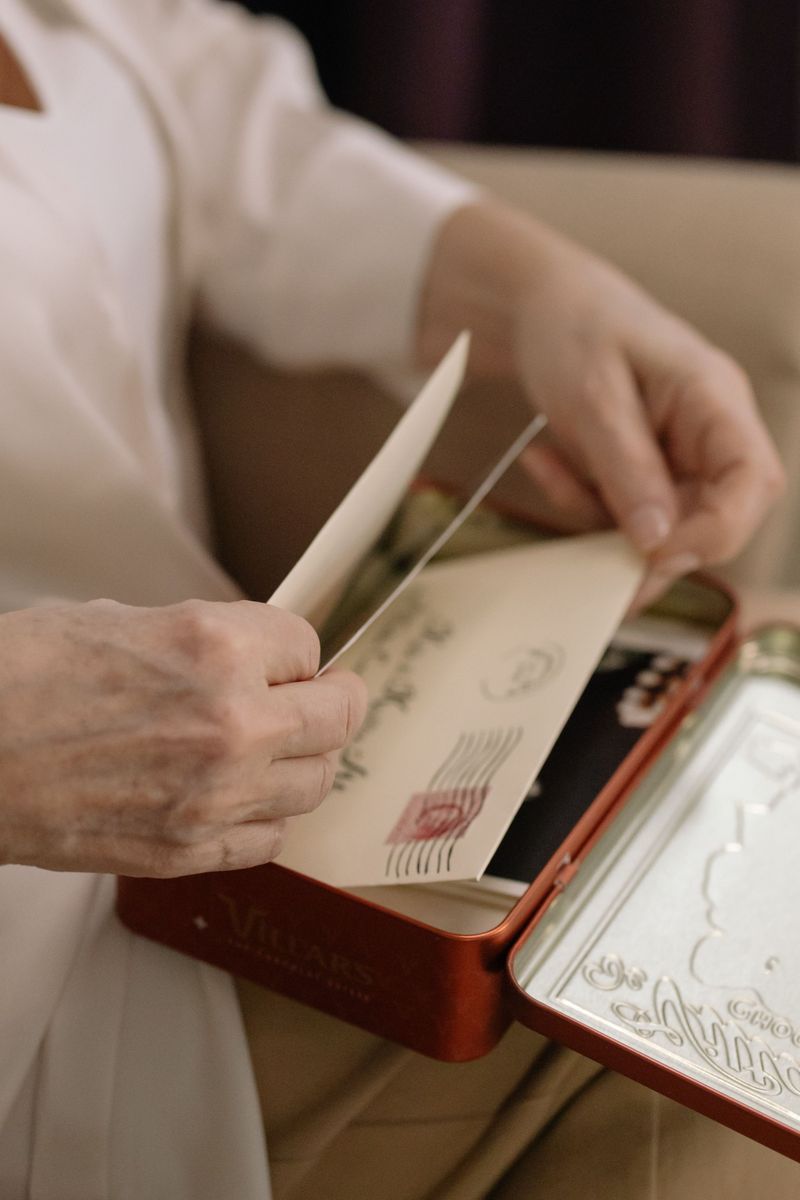
Shoeboxes can hold more history than photo albums.
While sorting her closet, a widower might find a concert ticket from your first date, a pressed corsage, or every card you ever gave her.
Those little finds can hit hard.
They often show how carefully she held onto moments you may have forgotten.
Her everyday items carry weight too.
A favorite sweater, a well-used coffee mug, or a worn gardening hat can feel almost impossible to give away.
There’s no deadline for sorting her belongings.
Some people start within weeks, while others wait a year or longer, and both choices are fine.
A three-pile method keeps the task manageable: keep, give to family or friends, and donate.
Inviting a trusted relative can make the process less lonely and add helpful perspective.
Memory projects offer creative ways to keep favorite pieces close.
Her t-shirts can become a quilt, and her jewelry can be shared with daughters, nieces, or granddaughters.
Save a small box just for the most meaningful items.
Opening it on an anniversary or her birthday can feel like spending a few quiet minutes together again.
9. Her Touch on Every Room

Throw pillows suddenly make sense when nobody is fluffing them.
Many widowers start noticing how much their wives shaped the look and feel of the home.
The paint colors, the photo arrangement on the stairs, the spot where the good scissors always lived, and the seasonal decorations often reflect her choices.
You lived inside her design for years, sometimes without realizing it.
Changing anything can feel uncomfortable at first.
Moving a lamp might seem like erasing her, even when the new spot works better for you.
Go at your own pace with these decisions.
Keeping her setup for a while can bring comfort, and making changes later doesn’t mean you love her any less.
Some widowers create one special corner that stays just as she arranged it.
Others pick a favorite piece she chose, like a painting or a quilt, and build a fresh look around it.
Practical updates are okay too.
Rearranging the kitchen so you can find the pots more easily is a smart step, not a betrayal.
Your home can keep her fingerprints while slowly becoming a place that fits your new daily life.
10. Words She Wrote Down

Handwriting can stop you in your tracks.
Old diaries, letters to friends, or notes scribbled in a planner may surface while you sort through her things.
Those pages can offer a window into her younger self, her dreams, her worries, and her sense of humor.
Some widowers learn about hopes she held long before they met.
Reading them can be wonderful and painful at once.
Take breaks when you need to, and remember that a few lines written on a hard day don’t sum up a whole life.
Deciding what to read is a personal choice.
Some husbands feel the journals belong to her privately, while others find reading them deeply comforting.
If children or close family might want copies, consider scanning a few meaningful pages.
Her voice on paper can become a treasured link for grandchildren who never knew her well.
Writing back can help too.
Many grieving people keep their own journal and address entries to the person they miss.
Her words may answer questions you never got to ask.
They might also remind you, in her own handwriting, how much she loved the life you built together.