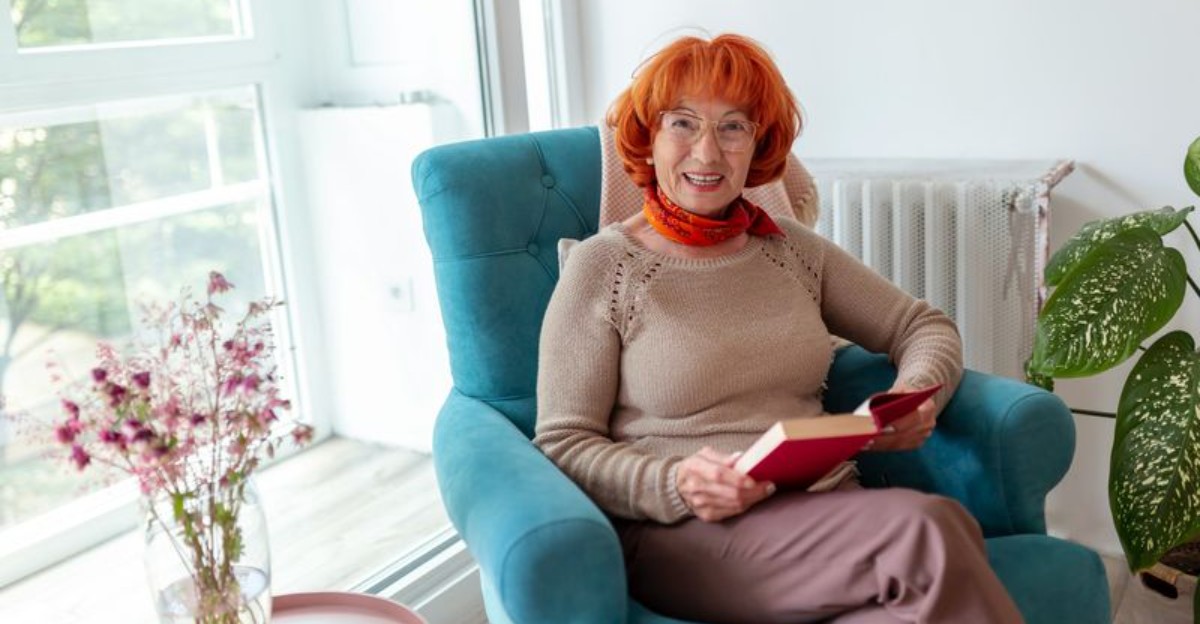
The average age of menopause in the United States is 51, which lands it right next to a very round birthday. That timing explains why so many women start rethinking routines they once ran on autopilot. Catch-up contributions also open up for retirement accounts at 50, so even the tax code treats this birthday as a turning point. Meanwhile, skin, sleep, and favorite jeans may all start sending fresh feedback.
I find that pile-up of changes oddly exciting, because it invites better questions instead of louder worries. A closet, a calendar, or a friendship can suddenly look worth a second glance. Some of these questions are practical, and a few go surprisingly deep. Which one will feel most familiar to you?
1. Whether the Old Skincare Routine Still Works

That trusty face wash from your thirties may start acting like an old roommate who forgot your name.
Skin often turns drier and thinner after 50, partly because estrogen drops and collagen production slows down.
Many women notice fine lines, age spots, extra sensitivity, or even surprise breakouts.
Some also find their scalp and hairline feeling itchier than before.
A smart first step is looking at what your current products actually do.
Harsh foaming cleansers can strip away oils your skin no longer makes as freely, so a gentler formula may feel kinder.
Richer moisturizers and hydrating serums are popular swaps at this stage.
Daily broad-spectrum sunscreen stays on the list too, since years of sun exposure show up more clearly over time.
Exfoliation can still help, though a lighter touch usually makes more sense.
Try using it less often, then watch how your skin responds over a couple of weeks.
Changing everything at once makes it hard to know what helped.
Swap one product at a time so you can tell which change made a difference.
If anything stings, flakes, or flares, a board-certified dermatologist can sort it out.
Your bathroom shelf deserves the same honest review as your inbox.
2. What Belongs in the Closet Now

Somewhere around 50, a favorite outfit can suddenly feel like a costume from a different play.
The fit might pinch, or the style might no longer match who you are today.
Comfort often climbs higher on the wish list, but nobody has to trade style for sweatpants.
Stretch fabrics like ponte, jersey knits, and stretch cotton move with you while holding a clean shape.
A good tailor can work small miracles on pieces you already own.
Hemming trousers or taking in a jacket often costs far less than replacing it.
Layering pieces add range without much fuss.
Lightweight dusters, shawls, and kimono-style jackets slide over simple basics and change the whole outfit’s mood.
Color is worth a fresh look too.
Some women find that softer shades or textured fabrics near the face feel more flattering than stark black, though that is purely a matter of taste.
Skip any rule claiming a certain hemline or color is off-limits at a certain age.
Your closet works best when it fits your body, your budget, and your actual Tuesday plans.
A simple test helps: if you keep skipping something, ask why.
The answer usually points to your next smart purchase.
3. How to Rethink Health Habits
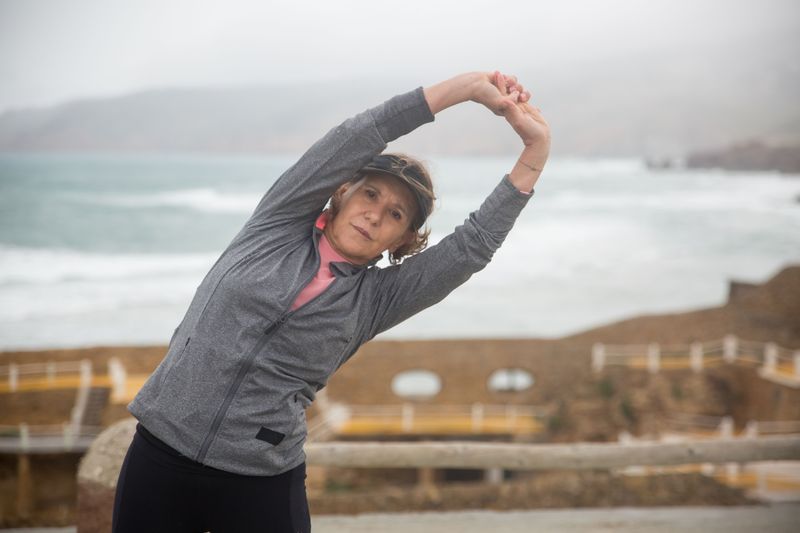
Menopause tends to arrive in the early fifties, and it rarely sends a polite memo first.
Hot flashes, trouble sleeping, mood shifts, and weight changes can show up even when daily habits stay the same.
Metabolism may slow, and muscle and bone health can start shifting too.
Blood pressure and cholesterol numbers sometimes creep in new directions as well.
The CDC suggests adults aim for about 150 minutes of moderate activity each week.
It also recommends muscle-strengthening work at least two days a week.
That could mean brisk walks, a dance class, or lifting light weights while a show plays.
Yoga and tai chi add balance and flexibility practice, which gets more useful with each passing year.
Food choices matter, though perfection is not the goal.
Plenty of vegetables, fruit, whole grains, and lean protein give your plate a solid base without strict rules.
Screenings deserve a calendar spot, including mammograms, colon cancer checks, and bone density tests when your doctor advises them.
Ask which ones fit your age and family history.
Small, steady changes beat dramatic overhauls that fizzle by February.
Your future knees will appreciate the consistency.
4. Whether Retirement Savings Are on Track

Retirement can feel abstract at 35 and alarmingly specific at 50.
Suddenly the numbers on a savings statement look less like trivia and more like a roadmap.
Here’s a helpful perk: once you turn 50, the IRS allows extra catch-up contributions to 401(k) plans and IRAs.
If your budget has room, that bonus space can give your savings a boost.
High-interest debt is another common target.
Paying down credit cards frees up money that can work for you instead of against you.
Women often live longer than men, so planning for more years makes sense.
That also means thinking about future health costs and possible long-term care needs.
Life changes such as divorce, widowhood, or helping adult children can shake up any plan.
Reviewing your budget after big transitions keeps surprises smaller.
Estate documents need attention too, including wills and beneficiary names on accounts.
An outdated form can send money somewhere you never intended.
A fee-only financial planner can help if spreadsheets make your eyes glaze over.
Even one honest money review per year beats avoiding the topic until 64.
5. Whether the Job Still Fits

After decades of answering to job titles, a surprising question can pop up at 50: is this still the work I want?
For many women, flexibility and purpose begin to matter more than climbing another rung.
Some feel the job market treats them differently with age, which can sting.
Others simply realize their skills could shine somewhere new.
A career shift does not have to mean starting from scratch.
Sometimes a different role at your current company scratches the itch without a full leap.
Other women branch out into coaching, freelance writing, teaching, real estate, project management, or human resources.
Starting a small business is another path, especially for people with deep industry knowledge.
Your experience counts as an asset, not baggage.
Years of handling deadlines, difficult clients, and messy group projects translate well across many fields.
Try listing tasks that energize you and tasks that drain you.
Patterns on that list often point toward work that suits you better.
Taking a class, volunteering in a new field, or chatting with someone in a role you admire can test the waters.
Curiosity is a fine job-hunting tool at any age.
6. Which Friendships Deserve More Time

Friend groups can quietly reshuffle in midlife, like a deck nobody remembers dealing.
Neighbors move, coworkers retire, and kids no longer bring other parents into your orbit.
An emptier house may bring freedom along with a lonelier calendar.
That mix can make women wonder where they belong socially now.
Making friends as an adult takes a bit more intention than it did in grade school.
Interest-based groups help because they give you a reason to keep showing up.
Book clubs, yoga classes, pickleball leagues, and community choirs all build in regular contact.
Volunteering works well too, since shared tasks make conversation easier.
Small invitations count more than people think.
Asking a neighbor to walk, or hosting a casual coffee morning, can open doors faster than waiting to be asked.
Older friendships deserve a fresh look as well.
Some relationships may feel draining, while others might bloom again with one simple phone call.
Family roles also shift as children grow and parents age.
Clear conversations about expectations can keep those changes from turning into quiet resentment.
Your social life does not need to be huge.
A few people who truly show up go a long way.
7. How to Spend Free Time

Free time can show up after 50 like an unexpected package on the porch.
Kids may need less daily help, and work schedules sometimes loosen up.
That extra space raises a fun question: what do you actually enjoy doing?
The answer might be a hobby you dropped decades ago or something completely new.
Gardening, cooking new recipes, and phone photography are easy starting points.
They need little upfront cost and fit into short pockets of time.
Handcrafts like knitting, crochet, and painting give your hands something satisfying to do.
Jigsaw puzzles and scrapbooking offer similar calm focus.
Learning a language through an app or library class can keep things interesting.
Starting a blog or podcast lets you share opinions you have been saving up for years.
Social hobbies count too, from community choirs to walking groups.
Some people recharge alone, while others need company, and both preferences are perfectly fine.
Give a new activity a few weeks before judging it.
Early clumsiness is part of the deal, not a sign you picked wrong.
Your hobby does not have to become productive or profitable.
Enjoying it is reason enough.
8. Who You Are Beyond Your Roles
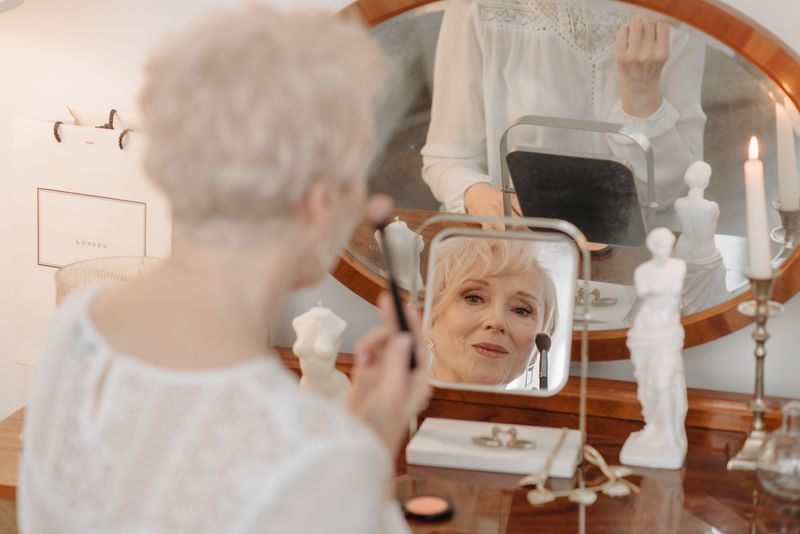
For years, many women answer the question of who they are with a list of jobs.
Mom, manager, caregiver, organizer of every family birthday party.
When some of those roles shrink, the list can feel surprisingly short.
That gap may bring confusion, or a sense of drifting without a clear anchor.
Feeling unsettled at this stage is normal and does not mean something is wrong.
It can simply mean you are outgrowing an old version of yourself.
Journaling offers a low-pressure way to sort out thoughts.
Writing a few lines each morning about what matters to you can reveal surprising patterns.
Quiet practices like meditation or mindful walks give your brain room to wander.
Some women find clarity there, while others prefer talking things through with a trusted friend.
Paying less attention to outside approval can feel freeing.
Your opinions about your life carry more weight than anyone else’s commentary.
If heavy feelings stick around, a licensed therapist can help you work through them.
Asking for support is a practical move, not a weakness.
Fifty is a great time to update your personal bio.
You get to write the new draft yourself.
9. Whether Home Still Feels Right

A four-bedroom house can echo loudly once the last teenager hauls their laundry out the door.
Rooms that once felt crowded may now collect dust and spare furniture.
Many women in their fifties start asking whether their home still fits the life they want.
Cleaning, repairs, and stairs can begin to feel like more effort than they’re worth.
Downsizing is one option, though it is not the only one.
Some people stay put and turn extra rooms into studios, guest spaces, or home offices.
Others consider moving closer to family, friends, or a more walkable neighborhood.
Being able to stroll to a library or coffee shop can make daily life easier.
Money plays a big role in these choices.
Property taxes, maintenance costs, and local housing prices vary widely, so compare options carefully.
Future needs matter too, even if they feel far away.
A main-floor bedroom or a walk-in shower may become more useful later.
Decluttering can help no matter what you decide.
Clearing one closet at a time makes the process feel less like a mountain.
Home should support your current life, not just store memories from the last one.
10. What Kind of Legacy Matters

Legacy sounds like a word for statues and history books, yet it often starts with smaller choices.
Around 50, many women begin wondering what impact they want to leave behind.
That question can feel big, so breaking it into pieces helps.
Think about your family, your community, and the work or causes that matter most.
Mentoring is one meaningful path.
Sharing what you have learned with a younger coworker or neighbor can save them years of trial and error.
Some women chase a long-held dream, like learning piano, writing a book, or traveling somewhere they have always circled on a map.
Others pour energy into volunteering for local groups they believe in.
Legacy also lives in everyday relationships.
Recording family stories, passing down recipes, or simply showing up for loved ones builds something lasting.
Success can get a fresh definition at this point.
Titles and paychecks may matter less than peace, connection, and how you spend your days.
Try writing down three things you hope people remember about you.
Then pick one small action this month that supports that hope.
Purpose does not need a grand announcement.
It often grows quietly, one choice and one Tuesday at a time.