 MomSkoop

When someone says they need space, your mind might jump straight to relationship trouble. But hold on a second—that phrase carries way more meanings than you might realize!
Sometimes it has nothing to do with wanting distance from you and everything to do with personal needs that are totally normal and healthy.
1. Personal Time for Hobbies
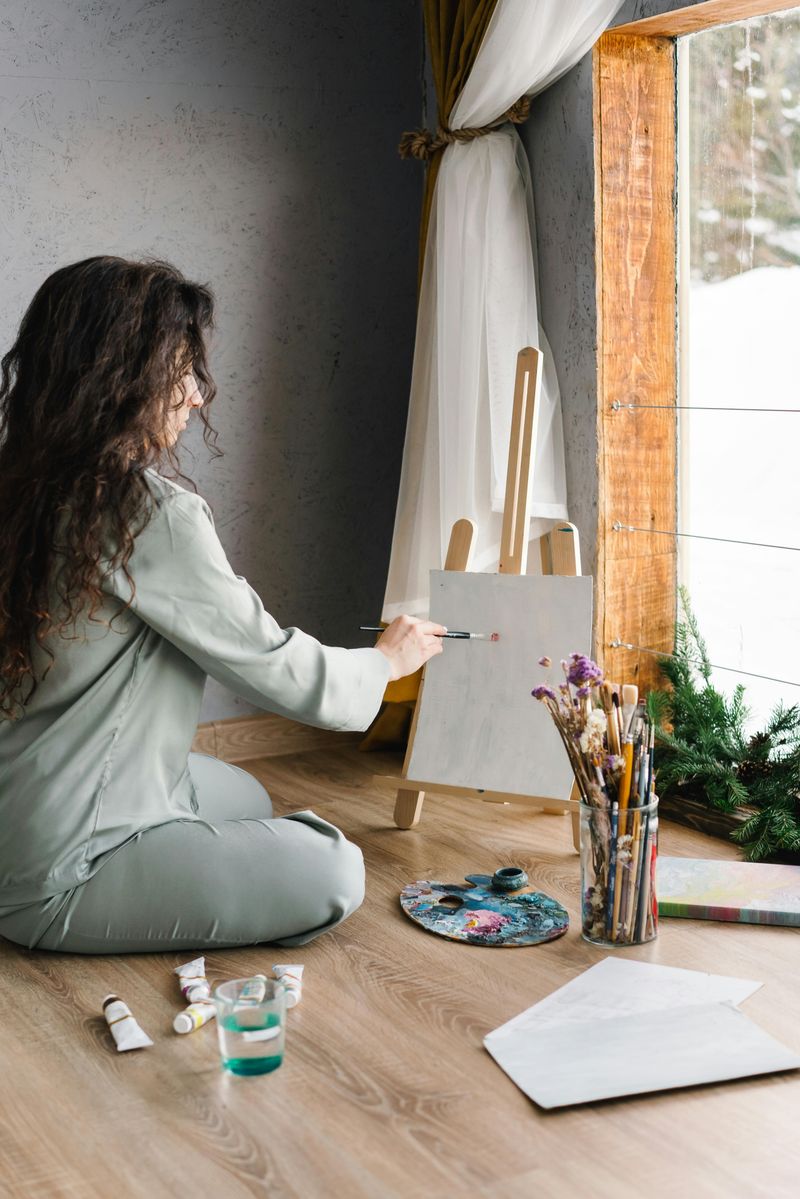
Ever felt the urge to finish that painting or practice guitar without interruptions? Carving out hours for hobbies keeps creativity alive and gives life balance.
When someone asks for space to pursue their passion projects, they’re not pushing you away. They’re simply protecting something that makes them feel whole and happy.
Supporting this kind of request shows you respect their individuality. Everyone needs activities that belong solely to them, whether it’s building model airplanes or writing poetry.
Encouraging these moments strengthens relationships because fulfilled people bring more joy and energy to their connections with others.
2. Mental Health Break

Life throws curveballs that pile up stress like dirty laundry. Sometimes brains need a timeout to sort through overwhelming feelings and recharge emotional batteries.
Asking for space to manage anxiety or decompress isn’t a rejection—it’s self-care in action. Think of it like hitting the reset button on a glitchy computer that’s running too many programs at once.
Respecting this boundary helps prevent burnout and keeps mental wellness in check. Whether it’s a quiet walk, meditation, or just sitting in silence, these breaks make people better equipped to handle challenges. Healthy minds create healthier relationships, so never feel guilty about taking time to breathe.
3. Physical Space

Picture sharing a tiny apartment where every move feels like navigating an obstacle course. Sometimes people crave literal elbow room to stretch, move freely, or simply exist without bumping into furniture—or other humans.
This request isn’t about emotional distance but actual square footage. Maybe the couch feels cramped, or the bedroom’s too cluttered for comfort.
Creating physical breathing room improves mood and reduces irritation surprisingly fast. Rearranging furniture, decluttering, or even claiming a corner as personal territory can work wonders.
When bodies have room to relax, minds follow suit, making everyone in the space feel calmer and more content with their living situation.
4. Cluttered Living Space

Mountains of clothes on chairs and dishes stacked in the sink can make anyone feel suffocated. When someone mentions needing space, they might actually mean needing organization and tidiness around them.
A messy environment clutters the mind too, making it harder to think clearly or relax at home. This request is about creating a calmer atmosphere, not avoiding people.
Tackling clutter together or respecting someone’s cleaning spree shows you care about their comfort. Simple changes like clearing counters, organizing shelves, or donating unused items can transform a chaotic room into a peaceful sanctuary where everyone breathes easier and feels more at ease.
5. Work or Study Focus

Deadlines loom like storm clouds, and concentration becomes precious cargo. Needing space often translates to requiring uninterrupted hours to power through assignments or nail that important presentation.
Distractions derail productivity faster than a runaway train, so requesting quiet time isn’t personal—it’s practical. Background noise, random conversations, or even well-meaning check-ins can shatter focus completely.
Honoring this boundary helps achieve goals and reduces frustration for everyone involved. Setting up designated work zones or agreeing on quiet hours creates mutual respect.
When tasks get completed efficiently, stress levels drop and free time becomes genuinely enjoyable instead of guilt-ridden procrastination marathons.
6. Introverted Recharge

Social gatherings drain introverts like phone batteries running apps nonstop. After parties, meetings, or even casual hangouts, some folks desperately need alone time to restore their energy reserves.
This isn’t about disliking people—it’s about how their internal systems work. Introverts process experiences internally and refuel through solitude, unlike extroverts who gain energy from crowds.
Understanding this personality trait prevents hurt feelings and misunderstandings. Giving introverts guilt-free quiet hours means they’ll return to social situations genuinely refreshed and engaged.
Forcing constant interaction just leads to exhaustion and resentment, so respecting their recharge rituals actually strengthens your bond long-term.
7. Emotional Distance

Arguments heat up fast, and sometimes emotions boil over before anyone can think straight. Stepping back from tense situations allows feelings to cool down and perspectives to shift from defensive to understanding.
Requesting emotional space during conflicts isn’t running away—it’s choosing wisdom over impulsive reactions. Processing hurt, anger, or confusion alone often reveals solutions that shouting matches never could.
This temporary distance protects relationships from damage caused by words spoken in anger. Taking a breather helps people return to conversations calmer, clearer, and ready to actually listen. Healthy communication includes knowing when to pause, reflect, and approach problems with fresh eyes instead of raw nerves.
8. Relationship Clarity

Sometimes hearts and heads need separate meetings to figure out what they truly want. Asking for space to evaluate feelings or relationship direction shows maturity, not coldness.
Rushing major decisions under pressure rarely ends well. Time apart provides perspective that’s impossible to gain when emotions run high and expectations feel overwhelming.
This pause benefits both people by ensuring choices come from genuine feelings rather than fear or convenience. Whether sorting out commitment concerns or assessing compatibility, honest reflection prevents future heartbreak.
Real love withstands thoughtful pauses—in fact, relationships strengthened by clarity and honest self-assessment tend to last longer than those built on assumptions and avoidance.
9. Sleep Necessities

Sharing a bed sounds romantic until someone’s snoring like a chainsaw or hogging covers like a blanket burrito. Needing space might literally mean wanting room to spread out and actually sleep through the night.
Quality rest affects mood, health, and patience levels dramatically. Poor sleep turns even cheerful people into grumpy zombies who can’t function properly.
Discussing sleep needs openly prevents resentment from building up over restless nights. Solutions like separate blankets, bigger beds, or occasionally sleeping apart aren’t relationship failures—they’re smart compromises.
Well-rested partners communicate better, laugh more, and handle stress easier, proving that good sleep habits strengthen relationships rather than weaken them.
10. Time for Friends

Friendships outside romantic relationships aren’t threats—they’re lifelines that keep people balanced and happy. Requesting space to hang with friends means maintaining important connections that existed long before you came along.
Spending every waking moment together creates unhealthy dependency and suffocates individual identities. Everyone needs their own social circles to share different interests, jokes, and memories.
Encouraging friend time demonstrates trust and emotional security in your relationship. People return from these outings refreshed, with new stories to share and appreciation renewed.
Healthy relationships include breathing room for separate friendships, hobbies, and experiences that ultimately enrich the partnership by keeping both people interesting, independent, and genuinely happy.