 MomSkoop

Every relationship faces challenges, but some behaviors cross the line from normal conflict into truly harmful territory. Recognizing toxic actions early can protect your emotional well-being and help you maintain healthy boundaries.
1. Cheating

Betrayal shatters the foundation of any partnership. When someone cheats, they break the sacred trust that keeps two people emotionally connected and secure. Rebuilding after infidelity feels nearly impossible because doubt creeps into every conversation and interaction.
Your mind constantly questions whether they’re being honest. The emotional bond that once felt unbreakable now seems fragile and uncertain. Many people try to move past cheating, but the scars often remain.
Accepting this behavior teaches your partner that your feelings and commitment don’t matter. You deserve someone who honors the promises they make. Never settle for less than complete loyalty and respect in your relationships.
2. Abuse

No form of harm—whether physical, emotional, or sexual—should ever be excused or justified. Abuse destroys your sense of safety and leaves lasting wounds that affect your mental and physical health. The person who hurts you might apologize or promise to change, but patterns of abuse rarely stop without serious intervention.
Staying in an abusive situation puts your well-being at risk every single day. You might feel trapped or believe you can fix them, but your safety matters more than anything else.
Reaching out for help from trusted friends, family, or professionals can save your life. Remember that leaving takes courage, and you deserve peace and security.
3. Disrespect

Constant disregard for your feelings slowly chips away at your self-worth. When your partner dismisses your opinions, ignores your boundaries, or treats you like you don’t matter, the relationship becomes toxic. Disrespect shows up in eye rolls, interruptions, and careless comments that make you feel small.
Over time, you might start believing their negative view of you. Healthy relationships require mutual respect where both people value each other’s thoughts and emotions equally.
If your partner can’t treat you with basic courtesy and consideration, they don’t deserve your time. Stand firm in demanding the respect you’ve earned simply by being human.
4. Lying

Dishonesty poisons everything good in a relationship. Whether it’s small lies about daily activities or major deceptions about important matters, each untruth damages the trust between you. Communication becomes meaningless when you can’t believe what your partner tells you.
You start second-guessing their words and feeling anxious about what else they might be hiding. Relationships need honesty to function properly because trust forms the backbone of genuine connection.
Without it, you’re building on quicksand that can collapse at any moment. If your partner lies repeatedly, they’re showing you that convenience matters more to them than your peace of mind and security.
5. Pressure

Being forced into decisions you’re not comfortable with crosses a serious boundary. Healthy partners respect your right to say no and give you space to make choices at your own pace. Pressure shows up when someone pushes you into physical intimacy, major life changes, or situations that make you uneasy.
They might use guilt, anger, or manipulation to get their way. This behavior disrespects your autonomy and treats you like an object rather than an equal partner.
Your comfort and consent matter in every situation, big or small. Anyone who truly cares about you will honor your boundaries without making you feel guilty for having them in the first place.
6. Neglect

Consistently ignoring your needs sends a clear message that you’re not a priority. Neglect happens when your partner stops putting effort into the relationship and leaves you feeling invisible. They might forget important dates, dismiss your emotions, or refuse to help when you need support.
Over time, this emotional abandonment feels just as painful as active harm. You deserve someone who shows up for you consistently and makes you feel valued.
Relationships require ongoing attention and care from both people to stay healthy and strong. If your partner treats you like an afterthought, they’re telling you where you rank in their life—and you deserve better than last place.
7. Assigning Blame

Shifting responsibility for their mistakes onto you creates an unhealthy power imbalance. When your partner refuses to own their actions and instead makes everything your fault, they avoid accountability. This blame game leaves you feeling guilty for problems you didn’t create.
You might start apologizing for things that aren’t your responsibility just to keep the peace. Healthy partners admit when they’re wrong and work together to solve problems as a team.
Constant blame erodes your confidence and makes you question your own judgment and reality. Don’t accept being the scapegoat for someone else’s poor choices and refusal to grow. You’re not responsible for fixing their character flaws.
8. Belittling

Put-downs and mockery destroy your confidence piece by piece. When your partner makes fun of your achievements, appearance, or ideas, they’re trying to make themselves feel superior at your expense. Belittling might seem like harmless teasing at first, but it becomes a pattern that leaves you feeling worthless.
You deserve someone who celebrates your successes and builds you up rather than tearing you down. Every cruel joke or dismissive comment adds another crack to your self-esteem.
Partners should be your biggest cheerleaders, not your harshest critics. If someone consistently makes you feel small, they’re revealing their own insecurities while damaging yours. Choose people who see your value clearly.
9. Coercion
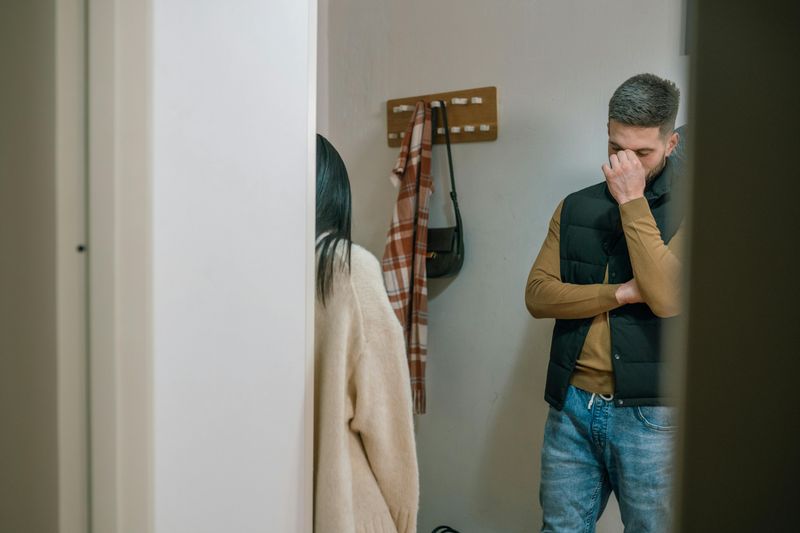
Manipulating or intimidating you into doing things against your will violates your basic rights. Coercion uses fear, threats, or emotional manipulation to control your choices and behavior. Your partner might threaten to leave, hurt themselves, or punish you if you don’t comply with their demands.
This tactic removes your freedom to make independent decisions and traps you in fear. Real love never involves force or manipulation to get what someone wants from you.
You have the right to make choices freely without pressure or consequences designed to scare you into submission. Coercive behavior shows a dangerous lack of respect for your autonomy and personhood that only gets worse over time.
10. Control

Monitoring your every move and restricting your freedom destroys the balance of a healthy partnership. Controlling partners might check your phone, tell you who you can see, or make all decisions without your input. They isolate you from friends and family to increase their power over you.
What starts as concern quickly becomes suffocating domination that leaves you feeling trapped. Healthy relationships involve two independent people choosing to be together, not one person owning another.
You shouldn’t need permission to live your life or maintain relationships outside your partnership. Control is about power, not love, and it creates a prison rather than a partnership built on trust and mutual respect.