 MomSkoop

Dating and romance have changed dramatically over the past few decades. What our parents or grandparents considered essential relationship wisdom often doesn’t fit the way people connect today.
Many old-fashioned rules were based on outdated gender roles, rigid timelines, or ideas about love that we now know aren’t quite right. Here are ten traditional relationship rules that modern couples are happily leaving behind.
1. The Man Should Always Make the First Move

For generations, dating scripts told us that men had to ask women out, initiate conversations, and make all the bold moves.
Women were expected to wait patiently and hope someone noticed them.
This outdated rule ignored the reality that attraction and confidence aren’t determined by gender.
Today’s relationships thrive when both people feel empowered to express interest.
Initiative is no longer gender-specific.
Healthy partnerships are built on mutual interest and agency from both sides.
Whether you’re asking someone to coffee or planning a special date, what matters is genuine connection, not who texts first.
Modern romance celebrates courage and authenticity from everyone involved.
2. One Partner Should Be the Primary Provider

Once upon a time, relationships followed a strict financial blueprint: one person earned money while the other managed the home.
This arrangement left little room for individual dreams or shared responsibility.
Economic realities and evolving values have reshaped how couples approach finances.
Financial responsibility is increasingly shared, and value in a relationship extends far beyond income.
Partners contribute in countless ways—emotional support, household management, childcare, career advancement, and personal growth.
Some couples split expenses equally, while others contribute proportionally based on earnings.
What matters most is finding an arrangement that feels fair and respects both people’s contributions.
Financial partnership reflects equality and mutual respect.
3. Marriage Must Follow a Fixed Timeline

Remember when people expected you to be married by a certain age?
Society used to pressure couples into following a rigid schedule: date for a year, get engaged, marry within two years, have kids immediately after.
This cookie-cutter approach ignored individual circumstances, goals, and readiness.
Modern couples define commitment on their own terms, without rigid expectations tied to age or duration.
Some people marry after six months; others wait a decade or choose not to marry at all.
Career goals, financial stability, personal growth, and emotional readiness all influence timing.
What looks like success for one couple might not work for another.
True commitment isn’t measured by calendars but by genuine partnership and shared vision.
4. Never Go to Bed Angry

This classic advice sounds romantic, but it can actually cause more harm than good.
Forcing yourself to resolve every disagreement before sleep often leads to exhaustion, poor communication, and resentment.
Sometimes emotions run too high for productive conversation.
Immediate resolution is not always productive; emotional regulation and thoughtful discussion often require time and space.
Sleep helps us process feelings and gain perspective.
Waking up with a clearer head can transform a heated argument into a calm, constructive dialogue.
What truly matters is committing to address issues eventually, not forcing resolution when you’re both too tired or upset.
Healthy couples recognize when to pause and revisit difficult conversations later.
5. Jealousy Is a Sign of Love

Old romantic movies made jealousy seem passionate and desirable.
If your partner wasn’t jealous, did they really care?
This dangerous myth confused possessiveness with affection and control with devotion.
Jealousy is now more widely recognized as a potential indicator of insecurity rather than affection.
While occasional twinges of jealousy are human, chronic jealousy reveals trust issues, low self-esteem, or unhealthy attachment patterns.
Real love creates security, not anxiety.
Partners who trust each other celebrate friendships, support independence, and communicate openly about boundaries.
Healthy relationships are built on confidence and respect, not surveillance and suspicion.
Love should make you feel safe, not constantly worried.
6. Privacy Means Secrecy

Older relationship advice often warned against sharing passwords, discussing finances, or being too open.
Privacy was confused with keeping secrets, as if partners needed separate, hidden lives.
Today we understand the crucial difference between privacy and secrecy.
Transparency and trust are prioritized over secrecy, while still respecting healthy personal boundaries.
You can maintain individual friendships, personal hobbies, and private thoughts without hiding things from your partner.
Healthy privacy means having space for personal growth and autonomy.
Secrecy involves deliberately concealing information that affects the relationship.
Modern couples build trust through openness while honoring each other’s need for independence.
Balance creates stronger bonds than walls ever could.
7. Staying Together at All Costs Is Success

Previous generations often measured relationship success purely by longevity.
Couples stayed together regardless of unhappiness, toxicity, or incompatibility because divorce carried heavy stigma.
Duration became more important than quality, trapping people in unfulfilling partnerships.
Relationship success is increasingly measured by well-being and growth, not just longevity.
A relationship that ends isn’t necessarily a failure—sometimes it’s a healthy recognition that people have grown in different directions.
Staying together makes sense when both partners feel respected, supported, and fulfilled.
Leaving takes courage when a relationship becomes harmful or stagnant.
True success means prioritizing mutual happiness and personal well-being over outdated expectations about permanence.
8. Roles in the Relationship Should Be Clearly Divided
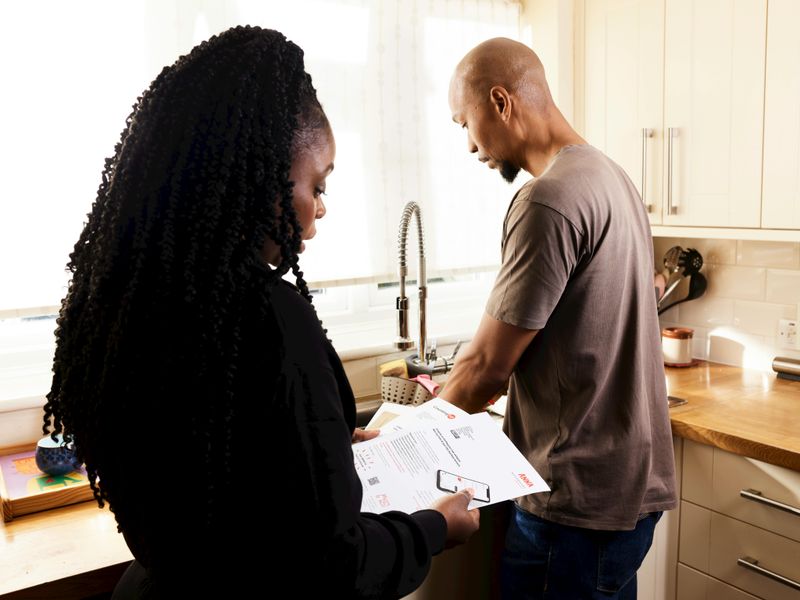
Traditional relationships assigned specific duties based on gender: one person cooked and cleaned while the other handled repairs and finances.
These rigid divisions limited both partners and ignored individual strengths, interests, and abilities.
Flexibility and collaboration have replaced rigid domestic or emotional role assignments.
Modern couples divide responsibilities based on preference, skill, availability, and fairness rather than outdated stereotypes.
Maybe one partner loves cooking while the other excels at budgeting.
Perhaps you share everything equally or rotate tasks monthly.
What matters is finding a system that works for your unique partnership.
Collaboration creates stronger teams than prescribed roles ever could.
Relationships flourish when both people contribute authentically.
9. Conflict Should Be Avoided

Many people grew up believing that happy couples never fight.
Disagreement meant something was wrong, so people suppressed concerns to maintain surface-level peace.
This avoidance created resentment, misunderstanding, and emotional distance over time.
Constructive conflict is now understood as a normal and often necessary part of healthy relationships.
Disagreements reveal important differences in values, needs, and preferences.
Working through conflict builds communication skills, deepens understanding, and strengthens emotional bonds.
The key is fighting fairly—listening actively, avoiding personal attacks, and seeking solutions together.
Couples who navigate disagreements respectfully often emerge closer than before.
Avoiding conflict doesn’t create harmony; addressing it thoughtfully does.
10. Love Alone Is Enough

Fairy tales taught us that finding true love solves everything.
Once you met your soulmate, you’d live happily ever after without effort or challenge.
This fantasy ignored the reality that relationships require continuous work, skill-building, and intentional care.
Modern relationships emphasize communication skills, emotional intelligence, shared values, and effort alongside love.
Strong feelings provide foundation, but lasting partnerships need compatible life goals, healthy conflict resolution, mutual respect, and ongoing commitment.
You must actively choose your partner repeatedly, not just once.
Love opens the door, but communication, compromise, and dedication keep it open.
Successful couples understand that love is both a feeling and a daily practice of choosing each other.