 MomSkoop

Traveling should be one of life’s greatest joys, but small mistakes can turn an exciting adventure into a frustrating mess. From forgetting important documents to overpacking your suitcase, the road to a stressful trip is often paved with avoidable errors.
Whether you’re a first-time traveler or a seasoned explorer, these common pitfalls can sneak up on anyone. Knowing what to watch out for can make the difference between a smooth journey and a chaotic one.
1. Skipping Travel Insurance

Imagine landing in a foreign country and suddenly getting sick — with no insurance to cover the hospital bill.
Skipping travel insurance might feel like a money-saving move, but it can turn into a financial nightmare fast.
A single medical emergency abroad can cost thousands of dollars out of pocket.
Travel insurance also covers trip cancellations, lost luggage, and flight delays.
Many travelers skip it thinking, “Nothing bad will happen to me,” but unexpected events don’t send warnings ahead of time.
Spending a small amount on a good policy before your trip is one of the smartest moves you can make as a traveler.
2. Overpacking Your Suitcase

There’s a classic travel joke: whatever you pack, you’ll only wear half of it — and wish you’d brought something else entirely.
Overpacking is one of the most common travel mistakes, and it starts long before you even leave home.
Heavy bags mean extra airline fees, sore shoulders, and the constant hassle of dragging luggage through crowded streets.
A good rule of thumb is to pack your bag, then take out a third of what you put in.
Choosing versatile clothing items that mix and match easily can cut your load significantly.
Traveling light isn’t just practical — it actually makes the whole experience feel freer and more fun.
3. Not Researching Your Destination

Showing up somewhere new without doing any research is like walking into a movie theater after the film already started — you’re always playing catch-up.
Not knowing local customs, transportation options, or even basic safety tips can lead to awkward, expensive, or even dangerous situations.
Some countries have strict dress codes at religious sites, and unknowing tourists can be turned away or fined.
A little homework goes a long way before any trip.
Read up on local laws, popular scams targeting tourists, and must-see spots that aren’t always in the glossy brochures.
Even spending one evening researching your destination can completely change your travel experience for the better.
4. Booking Flights With Tight Layovers

That 45-minute layover might look fine on paper, but airports are not as simple to navigate as they appear on a booking screen.
Tight connections leave almost no room for delays, long walks between terminals, or slow customs lines.
Missing a connecting flight can mean being stranded for hours — or even overnight — in an unfamiliar airport.
Most travel experts suggest leaving at least 90 minutes between connecting flights for domestic travel, and two hours or more for international routes.
Budget airlines are especially prone to delays, making short layovers even riskier.
A few extra dollars spent on a longer layover can save you a whole lot of stress and scrambling at the gate.
5. Ignoring Local Currency and Payment Methods

Nothing kills the excitement of arriving somewhere new quite like realizing your card doesn’t work and you have no local cash on hand.
Many countries still rely heavily on cash for small purchases, taxis, and local markets — places where credit cards simply aren’t accepted.
Dynamic currency conversion at foreign ATMs can quietly drain your account with hidden fees if you’re not paying attention.
Before your trip, notify your bank about your travel plans so your card isn’t frozen as a fraud precaution.
Carrying a small amount of local currency when you land gives you a safety net for those first few hours.
Being money-smart abroad is one habit that separates relaxed travelers from panicked ones.
6. Over-Scheduling Every Hour of the Trip

Back-to-back activities might look impressive on a travel itinerary, but they can leave you feeling more drained than refreshed by the end of each day.
Over-scheduling is a trap many travelers fall into, especially on shorter trips where the pressure to “see everything” feels intense.
When every minute is planned, there’s no room for spontaneous discoveries — the hidden cafe, the local festival, the unexpected detour that becomes the best memory of the whole trip.
Building in free time isn’t laziness; it’s smart travel strategy.
Aim to plan two or three highlights per day, leaving breathing room between them.
Travel should recharge you, not wear you down before you even get home.
7. Forgetting to Make Copies of Important Documents
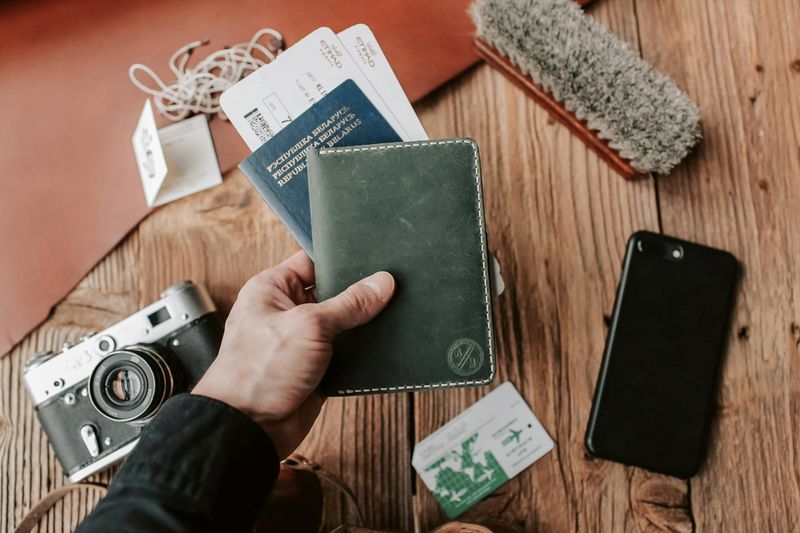
Losing your passport in a foreign country is one of the most stressful things that can happen on a trip — and it happens more often than you’d think.
Without backup copies of your important documents, getting help from an embassy or replacing lost items becomes a much longer and harder process.
Smart travelers always make both digital and physical copies of their passport, visa, travel insurance, and hotel bookings before leaving home.
Store digital copies in a secure cloud folder you can access from any device.
Keep a physical copy in a separate bag from your originals.
This simple two-minute habit could save you days of frustration if something goes wrong abroad.
8. Arriving at the Airport Too Late

Few feelings are worse than watching the departure board flip to “Gate Closed” while you’re still stuck in a security line.
Arriving too late to the airport is a surprisingly common mistake, even among experienced travelers who underestimate traffic, long check-in queues, or extra security screening time.
Most airlines recommend arriving at least two hours early for domestic flights and three hours for international ones.
During peak travel seasons like holidays or summer breaks, those timelines should be stretched even further.
Rideshare apps and public transport can also be unpredictable, so factoring in extra buffer time is always wise.
Getting to the airport early might feel boring, but missing your flight feels much, much worse.
9. Not Telling Anyone Your Travel Plans

Solo travel is thrilling, but heading off somewhere without telling anyone your plans is a safety risk that’s easy to overlook in the excitement of packing.
If something goes wrong — a medical emergency, a natural disaster, or simply getting lost — having someone at home who knows your itinerary can be genuinely life-saving.
Share your flight details, hotel addresses, and a rough day-by-day schedule with a trusted friend or family member before you leave.
Check in with them regularly throughout your trip, especially when moving between cities.
Many seasoned solo travelers also register with their country’s embassy when visiting high-risk destinations.
Staying connected to someone back home adds a quiet but powerful layer of security to any adventure.
10. Relying Solely on Internet Access for Navigation

Phones are incredible travel tools — until you’re standing in a remote village with zero signal and your entire navigation plan is stored in an app that needs internet to work.
Relying only on live GPS or online maps is a gamble that many travelers lose at the worst possible moments.
Downloading offline maps through apps like Google Maps or Maps.me before leaving your hotel takes less than five minutes and can save hours of confusion.
Keeping a small physical map of the city you’re visiting is also a surprisingly useful backup.
Data roaming charges in foreign countries can also be shocking without a local SIM or international plan.
A little offline preparation keeps you moving confidently, even when the signal disappears.