 MomSkoop

Love feels magical, but it’s not always easy. Real relationships teach us lessons that can feel uncomfortable or even painful at first. Understanding these tough truths helps you build healthier connections and become a stronger, more confident person who knows what real love actually looks like.
1. You Can’t Change Someone Who Doesn’t Want to Change

Loving someone doesn’t give you magic powers to fix their problems or transform their personality. People only change when they decide they’re ready, not because you want them to.
Trying to force change creates frustration and resentment on both sides. Your partner might feel criticized and controlled, while you feel disappointed and exhausted.
Accepting this truth helps you focus on what you can control—your own actions and choices. You’ll waste less energy trying to reshape someone and more time deciding if the person they already are fits into your life.
2. Love Alone Doesn’t Make a Relationship Work

Feeling butterflies and deep affection for someone is wonderful, but it’s just the starting point. Successful relationships need respect, communication, shared values, and consistent effort from both people.
Two people can love each other deeply yet still struggle if they can’t talk through problems, compromise, or support each other’s goals. Love provides motivation, but skills and compatibility do the actual work.
Recognizing this saves you from staying in relationships that feel passionate but lack the foundation to last. Real partnership requires more than emotion—it demands teamwork, patience, and mutual growth.
3. Being Vulnerable Means Risking Getting Hurt

Opening your heart to someone means they can see your fears, flaws, and deepest feelings. That kind of honesty creates intimacy, but it also gives them power to hurt you if things go wrong.
Many people avoid vulnerability because rejection or betrayal feels terrifying. However, keeping walls up prevents genuine connection and leaves you feeling lonely even when you’re with someone.
Embracing this risk makes you braver and helps you find relationships worth having. Not everyone will handle your heart carefully, but those who do become the people who truly matter in your life.
4. Your Partner Can’t Read Your Mind
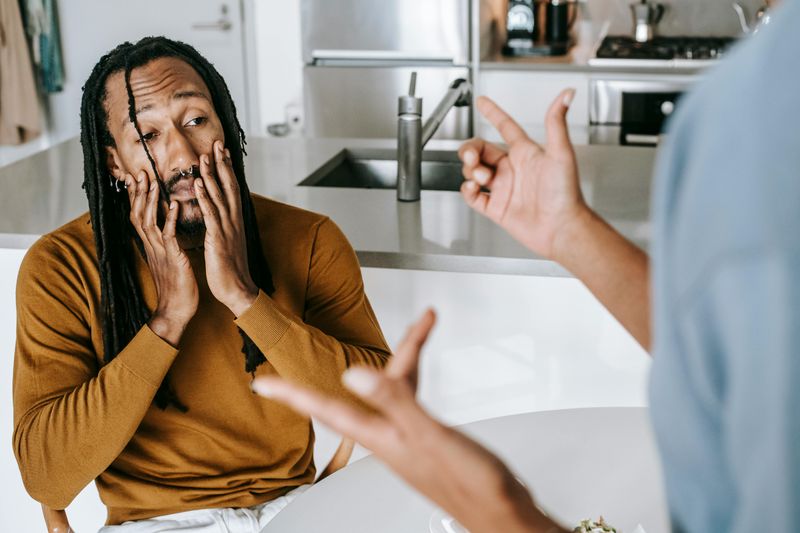
Expecting someone to automatically know what you need or how you feel sets both of you up for disappointment. Even people who know you well can’t guess everything going on inside your head.
Silent expectations lead to arguments where one person feels neglected and the other feels blindsided. Clear communication prevents these misunderstandings and builds trust.
Learning to express your feelings, wants, and boundaries directly strengthens your relationship. It might feel awkward at first, but speaking up creates understanding that assumptions never can. Your partner wants to make you happy—they just need you to tell them how.
5. You’ll Have to Compromise on Things That Matter

Relationships mean two different people with separate dreams, habits, and preferences trying to build one shared life. Sometimes you’ll need to adjust your plans or give up something important to meet in the middle.
This doesn’t mean losing yourself or always putting the other person first. Healthy compromise means both people make adjustments and sacrifices that feel fair.
Understanding this prevents resentment when you can’t always get your way. Successful couples learn which battles matter and which ones aren’t worth fighting. Flexibility and negotiation become strengths that help your relationship handle life’s challenges together.
6. Past Relationships Shape Your Current Ones

Everyone brings emotional baggage from previous experiences into new relationships. Past hurts, trust issues, or unhealthy patterns can affect how you react to your current partner, even when they’ve done nothing wrong.
Recognizing these triggers helps you separate past pain from present reality. Your new partner shouldn’t pay the price for someone else’s mistakes.
Doing this emotional work makes you a better partner and helps break negative cycles. Therapy, honest conversations, and self-reflection can heal old wounds so they stop interfering with new possibilities. Your history matters, but it doesn’t have to control your future relationships.
7. Sometimes Love Means Letting Go

Caring deeply about someone doesn’t always mean staying together. Sometimes the most loving choice is recognizing when a relationship isn’t healthy or when you’ve grown in different directions.
Holding on to something that’s not working hurts both people more than a clean break would. Staying together out of guilt, fear, or hope that things will magically improve just prolongs the pain.
Accepting this truth takes courage but opens doors to better matches and personal growth. Ending a relationship doesn’t erase the good times or mean the love wasn’t real—it just means you’re both choosing happiness over comfort.
8. Conflict Is Normal and Even Necessary

Disagreements don’t mean your relationship is failing—they mean you’re two real people with different opinions. Avoiding conflict to keep the peace actually creates distance because important issues never get resolved.
Healthy couples fight, but they fight fair. They express frustration without attacking each other’s character and work together to find solutions.
Learning to handle disagreements constructively builds a stronger bond. Each resolved conflict teaches you more about each other and proves you can weather storms together. Relationships that never have tension often lack depth because people are hiding their true feelings to maintain a false sense of harmony.
9. You’re Responsible for Your Own Happiness

Expecting your partner to complete you or fix your problems puts unfair pressure on the relationship. No one else can fill the empty spaces inside you or make you feel whole if you don’t already value yourself.
A partner should enhance your life, not become your entire source of joy and purpose. Maintaining your own interests, friendships, and self-care keeps you balanced and interesting.
This independence actually strengthens relationships because you’re choosing to be together rather than needing to be. When both people feel fulfilled individually, they bring their best selves to the partnership instead of draining each other with constant emotional demands.
10. You’ll See Your Partner’s Flaws Eventually

The honeymoon phase makes everyone seem perfect, but reality eventually shows up. Your partner will have annoying habits, bad days, and imperfections that weren’t visible when everything felt magical.
This discovery doesn’t mean you chose wrong—it means you’re seeing a complete human being instead of an idealized version. Everyone has quirks and weaknesses alongside their strengths.
Accepting flaws without trying to fix them or feeling disappointed shows maturity. Real love happens when you know someone’s whole truth and choose them anyway. The question isn’t whether your partner is perfect, but whether their imperfections are ones you can live with and even find endearing.