 MomSkoop

Valentine’s Day is supposed to be about love and connection, but it can quickly turn into a source of tension between couples. From mismatched expectations to social media pressure, little things can snowball into big arguments.
Understanding what causes these conflicts and how to prevent them can help you both enjoy the day without drama or disappointment.
1. Unspoken Expectations
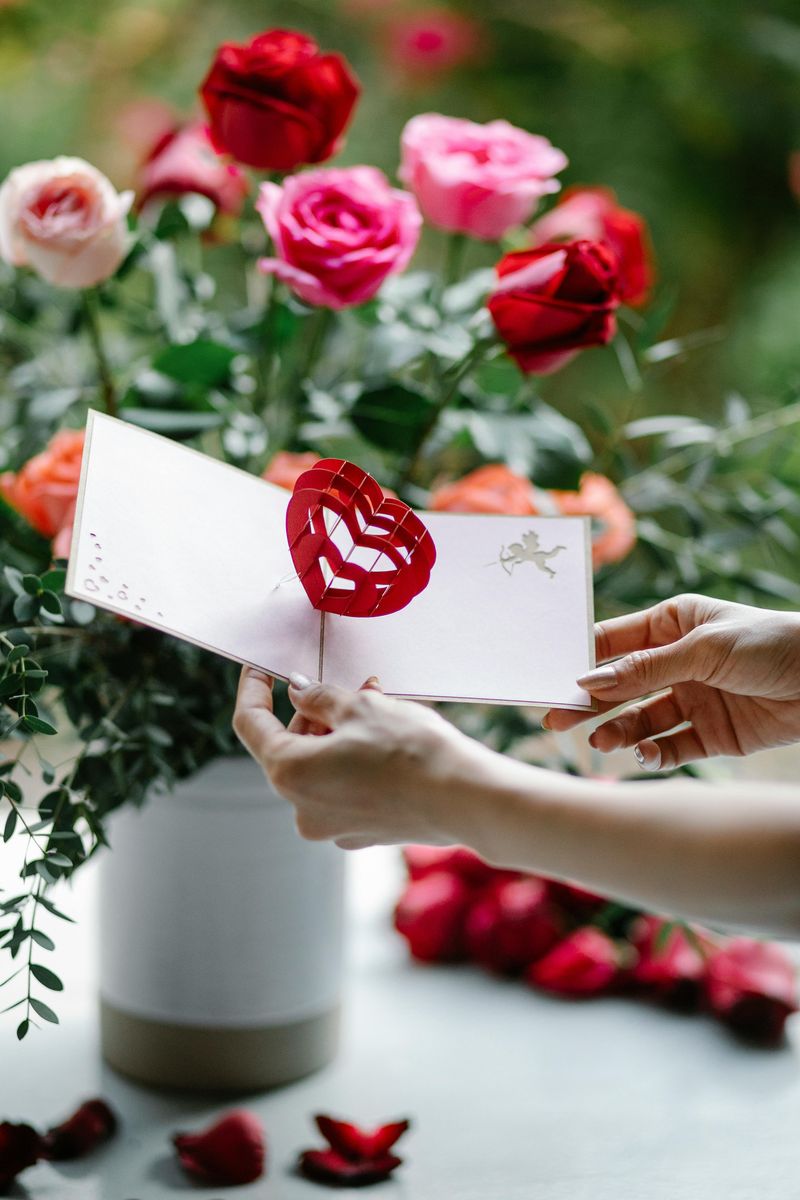
When one person dreams of roses and candlelit dinners while the other thinks it’s just another Tuesday, trouble brews fast.
Assumptions about how the day should unfold create invisible tripwires that lead straight to hurt feelings.
Nobody can read minds, no matter how long you’ve been together.
The fix is surprisingly simple: talk about it beforehand.
Even a casual conversation over coffee can clear up what matters most to each of you.
Ask what would make them feel loved and share your own hopes without pressure.
This takes the guesswork out completely.
When both people know what to expect, disappointment fades and genuine connection takes center stage instead.
2. Pressure to Be Perfect

Perfectionism turns romance into a high-stakes performance nobody asked for.
When you believe everything must be flawless—from the reservation to the outfit to the mood—you set yourself up for crushing disappointment.
Real life rarely cooperates with fantasy scripts.
Here’s a secret: your partner probably cares more about feeling connected than experiencing some movie-worthy moment.
Messy, genuine affection beats polished perfection every single time.
Lower the pressure and focus on simply being present together.
Plan something easy and heartfelt rather than elaborate.
A walk, homemade meal, or game night can create deeper memories than expensive productions.
Connection matters infinitely more than Instagram-worthy staging or flawless execution.
3. Different Love Languages

Gift-givers feel rejected when their carefully chosen present gets a lukewarm response.
Meanwhile, quality-time seekers feel ignored when expensive items replace meaningful conversation.
Both people are showing love—just in completely different dialects that the other doesn’t understand.
Gary Chapman’s five love languages explain this perfectly: words of affirmation, quality time, gifts, acts of service, and physical touch.
Most people naturally give love the way they want to receive it, creating constant mismatches.
Learn your partner’s primary love language and make an effort there, even if it feels unnatural at first.
They’ll feel genuinely seen and appreciated.
This small adjustment transforms frustration into fulfillment for both of you.
4. Comparisons to Social Media

Scrolling through endless feeds of elaborate proposals, luxury getaways, and designer bouquets creates toxic comparisons.
Those curated highlights represent someone’s best five minutes, not their entire relationship reality.
Yet they still trigger feelings of inadequacy and resentment.
Your relationship exists in real life, not through a filter.
The couple posting those perfect shots might have argued right before and after the photo.
Social media shows performance, not truth.
Put the phone down and focus on what’s actually in front of you.
Appreciate your own unique dynamic instead of measuring it against manufactured moments.
Real intimacy happens offline, in the unglamorous everyday moments nobody bothers photographing or posting online.
5. Last-Minute Planning (or None at All)

Forgetting Valentine’s Day completely or scrambling at the last second sends a clear message: you weren’t important enough to remember.
Even if that’s not true, it feels that way.
Half-hearted efforts often hurt worse than no effort at all.
Planning doesn’t require grand gestures or big budgets.
What matters is showing you thought about your partner ahead of time.
Even a simple picnic or movie night counts when it’s done with intention and care.
Set a phone reminder a week early if you need to.
Brainstorm one small thing you can prepare in advance.
Effort demonstrates value far more effectively than expensive gifts purchased in a panic at the gas station.
6. Money Stress

Financial disagreements poison even the most loving relationships.
One partner wants to splurge on fancy restaurants while the other panics about credit card debt.
Neither perspective is wrong, but the clash creates resentment fast.
Money represents different things to different people—security, freedom, status, or love itself.
Valentine’s Day amplifies these underlying tensions because spending is expected.
Avoiding the conversation makes everything worse.
Set a clear budget together before the day arrives.
Discuss what feels comfortable and what alternatives exist.
Free or low-cost options like cooking together, stargazing, or exploring your own city can be incredibly romantic.
Shared financial values matter more than the price tag on dinner or flowers.
7. Old Relationship Wounds Resurfacing

Past disappointments have long memories.
If Valentine’s Day has previously involved forgotten plans, thoughtless gifts, or outright rejection, those experiences leave scars.
Even when your current partner means well, old pain can hijack the present moment.
These triggers aren’t about being dramatic or holding grudges.
Emotional wounds need acknowledgment before they can heal.
Pretending the past doesn’t matter only makes things worse when feelings inevitably surface.
Talk openly about what happened before and why it still stings.
Acknowledge the history together and discuss what feels different now.
Creating new, positive experiences gradually rewrites those painful associations.
Healing takes time, patience, and conscious effort from both people involved.
8. Mismatched Energy Levels

Sometimes one partner is ready for romance while the other is completely drained from work, stress, or life in general.
This energy gap creates frustration on both sides—one feels rejected, the other feels pressured.
Exhaustion isn’t personal, even though it feels that way.
Bodies and minds have limits that don’t care about calendar dates.
Forcing connection when someone is genuinely depleted rarely goes well for anyone involved.
Be honest about your actual capacity rather than faking enthusiasm.
If someone is truly tired, adjust plans to something lower-key or reschedule without guilt.
A relaxed evening together beats a forced romantic production.
Flexibility and understanding strengthen relationships far more than rigid adherence to arbitrary dates and expectations.
9. Intimacy Expectations

Treating intimacy like a Valentine’s Day obligation kills the mood faster than anything else.
When physical connection becomes an expectation rather than a choice, resentment builds quickly.
Nobody enjoys feeling pressured into something that should be mutually desired.
Pop culture pushes this narrative hard—Valentine’s Day supposedly ends in passion or the whole thing failed.
That’s ridiculous pressure that ignores how real relationships and desire actually work.
True intimacy requires genuine enthusiasm from everyone involved.
Let physical connection happen naturally if it feels right for both people.
Remove the obligation entirely and focus on emotional closeness instead.
Sometimes the most intimate moments involve deep conversation, laughter, or comfortable silence together without any agenda whatsoever.
10. Feeling Unappreciated

Few things hurt more than putting genuine effort into something special only to have it ignored or dismissed.
When appreciation goes unexpressed, people feel invisible.
Even small gestures deserve acknowledgment because they represent thought, time, and care.
Sometimes partners assume their appreciation is obvious, but minds can’t actually be read.
Saying thank you out loud matters enormously.
Specific gratitude works even better than generic praise because it shows you truly noticed.
Express sincere appreciation for whatever your partner does, big or small.
Name what you noticed and why it meant something to you.
This simple practice transforms the entire dynamic.
Feeling seen and valued creates the foundation for genuine connection that lasts far beyond one commercial holiday.