 MomSkoop

Getting dressed in the morning should feel easy, not stressful. After 50, many people find that their closets are full of clothes that no longer fit their lifestyle or body.
A few smart wardrobe updates can make a huge difference, saving time and boosting confidence every single day. These changes are simple, practical, and totally worth making.
1. Build a Coordinated Color Palette
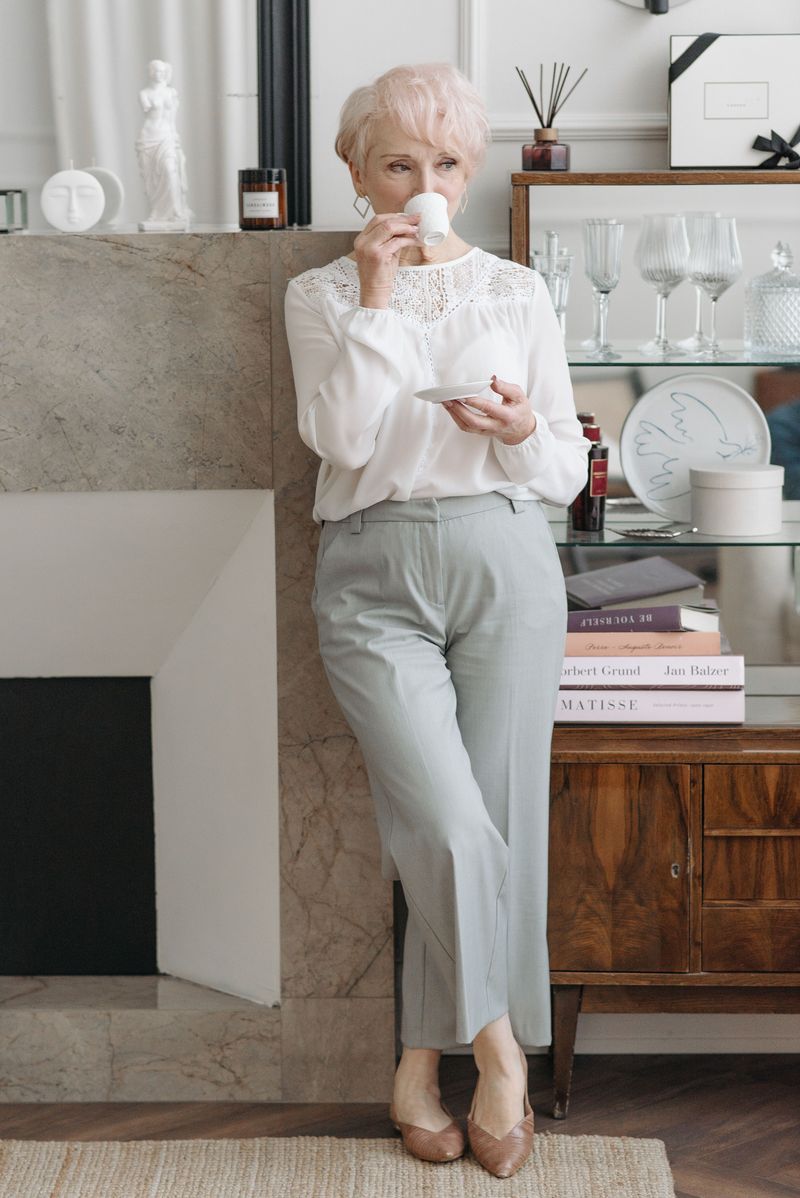
Ever open your closet and feel like nothing matches?
Building a coordinated color palette solves that problem fast.
When your clothes share a consistent set of colors, every piece works with the others naturally.
Start with neutrals like navy, white, grey, and camel as your base.
Then pick one or two accent colors you love and stick with them.
This simple system means you can grab almost anything and put together a polished outfit in minutes.
Having a color palette also makes shopping easier.
You stop buying random pieces that never work with anything else.
Over time, your wardrobe becomes smaller, smarter, and much less stressful to navigate each morning.
2. Add Well-Fitting Straight-Leg Pants
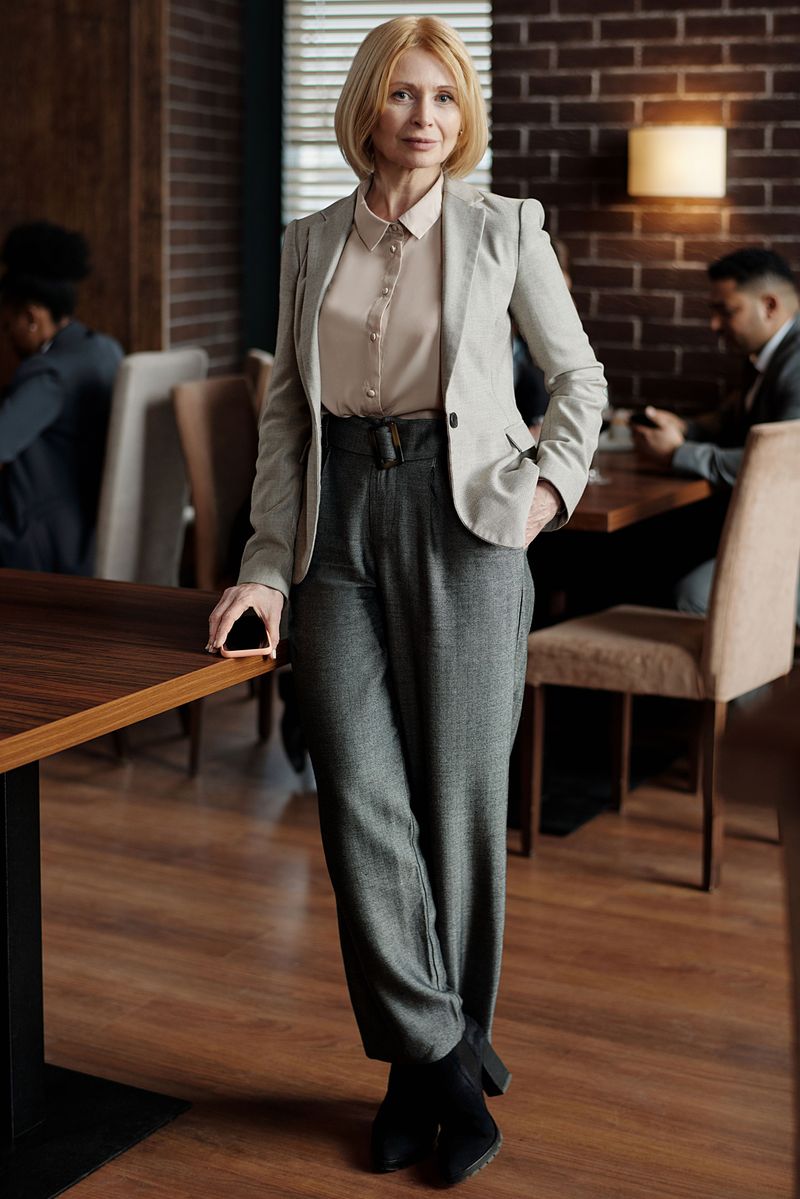
Straight-leg pants are one of the most flattering and versatile pieces any woman over 50 can own.
They work with almost every top, from casual tees to dressy blouses, making them incredibly easy to style.
The key word here is “well-fitting.” Pants that fit properly through the waist, hips, and thighs will always look more polished than trendy cuts that do not suit your shape.
A good tailor can make an affordable pair look expensive with just a few adjustments.
Look for styles in classic colors like black, navy, or khaki.
These shades pair with nearly everything in your closet.
Once you find a cut that works, buying the same style in multiple colors is a smart move.
3. Choose Versatile Layering Pieces
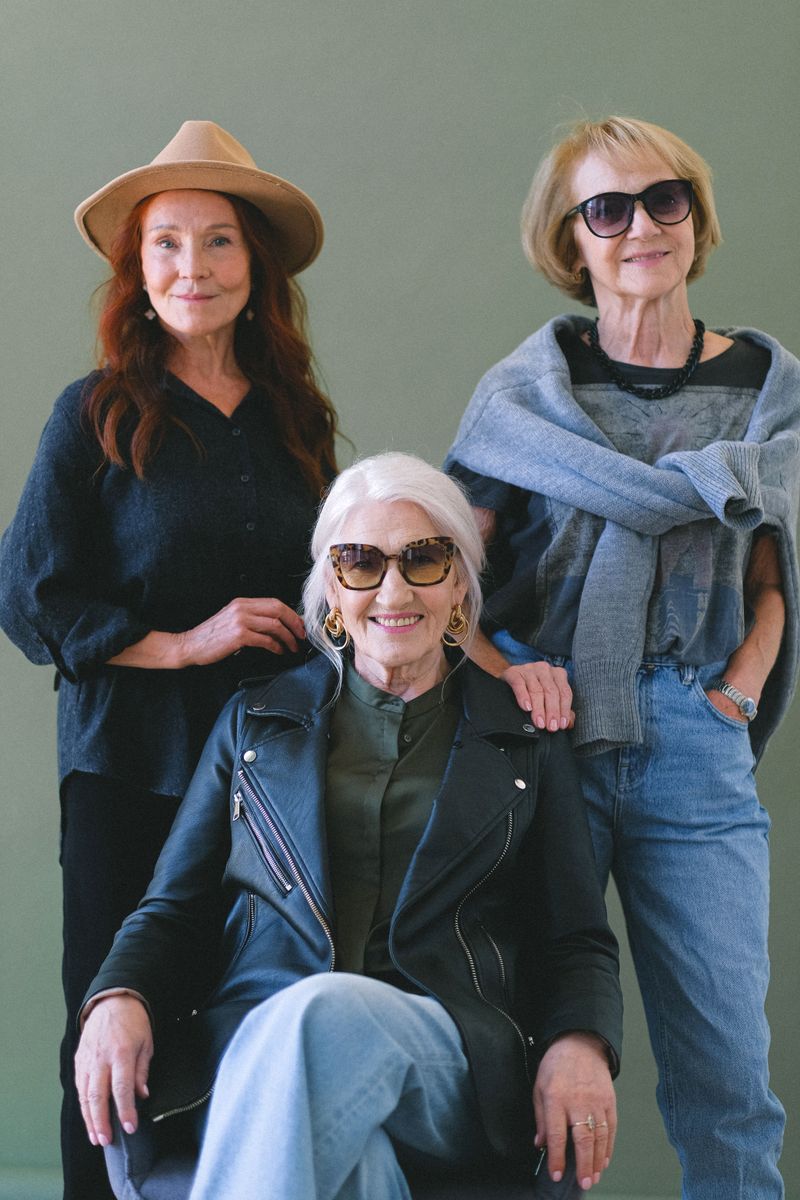
Layering pieces are the secret weapon of an easy wardrobe.
A lightweight cardigan, a soft denim jacket, or a classic wrap can completely change the look of a simple outfit without much effort at all.
After 50, body temperature can change throughout the day, so having layers on hand is both practical and stylish.
You can add or remove a piece depending on the weather or setting without having to rethink your whole outfit.
Choose layering pieces in your core color palette so they blend seamlessly with what you already own.
Neutral tones and simple textures work best.
When every layer coordinates with your basics, getting dressed becomes more like a fun puzzle than a daily chore.
4. Replace Worn Basics With Quality Versions

Basics are the backbone of any good wardrobe, but worn-out versions can drag down even the best outfit.
Faded t-shirts, stretched-out tanks, and pilled sweaters send the wrong message no matter how nice your other pieces are.
Replacing old basics with quality versions is one of the smartest investments you can make.
Look for well-made tees, fitted turtlenecks, and simple crew-neck sweaters in your core colors.
Natural fabrics like cotton, merino wool, and linen tend to hold their shape and look better over time.
You do not need a lot of basics, just a few really good ones.
Three great white tops will serve you better than ten mediocre ones.
Quality over quantity is the rule here.
5. Keep a Few Complete Outfits Ready
Some mornings, the last thing you want to do is think.
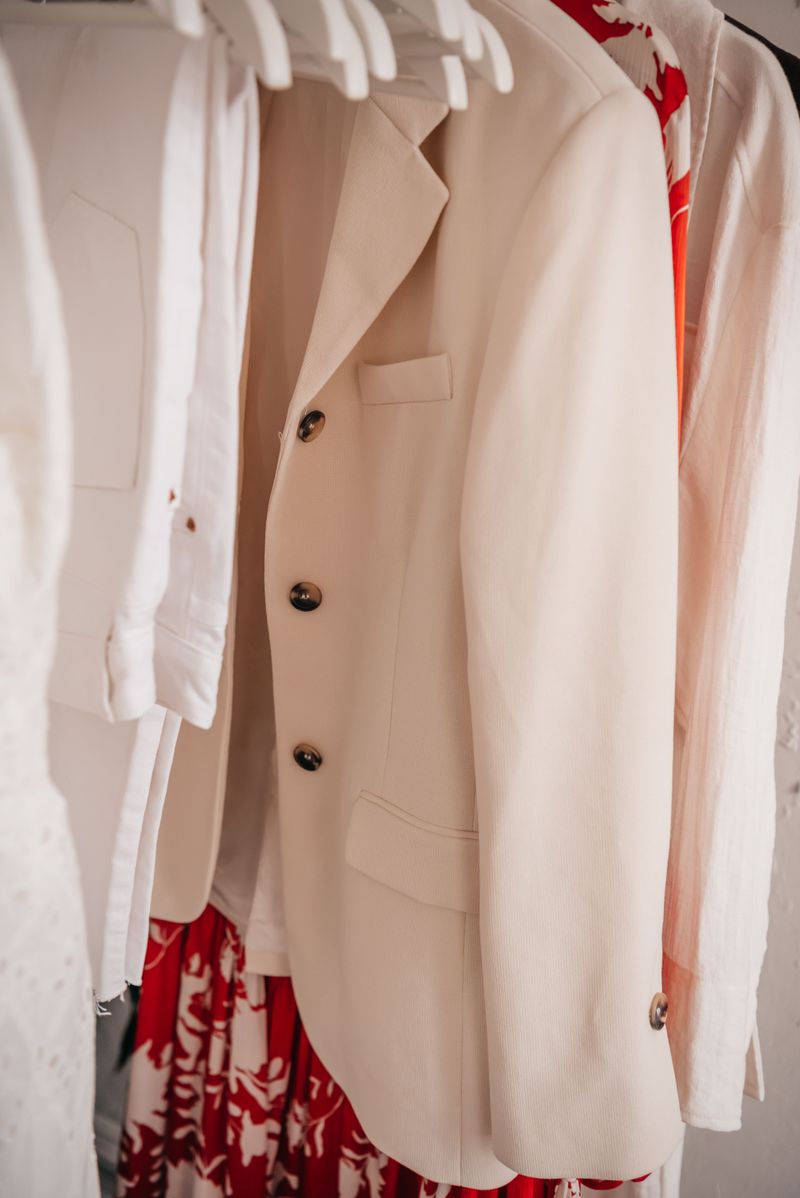
Having a handful of complete, pre-planned outfits hanging in your closet is a game-changer for those busy or low-energy days.
Pick three to five combinations that you know look great and feel comfortable.
Hang each one together as a set, including the top, bottom, and any layering piece.
When you are running late or just not in the mood to decide, you can grab one and go without a second thought.
This habit also helps you spot gaps in your wardrobe.
If you struggle to build five complete outfits, you will quickly see what pieces are missing.
It turns your closet into a practical tool instead of a source of daily frustration.
6. Add Comfortable, Polished Shoes
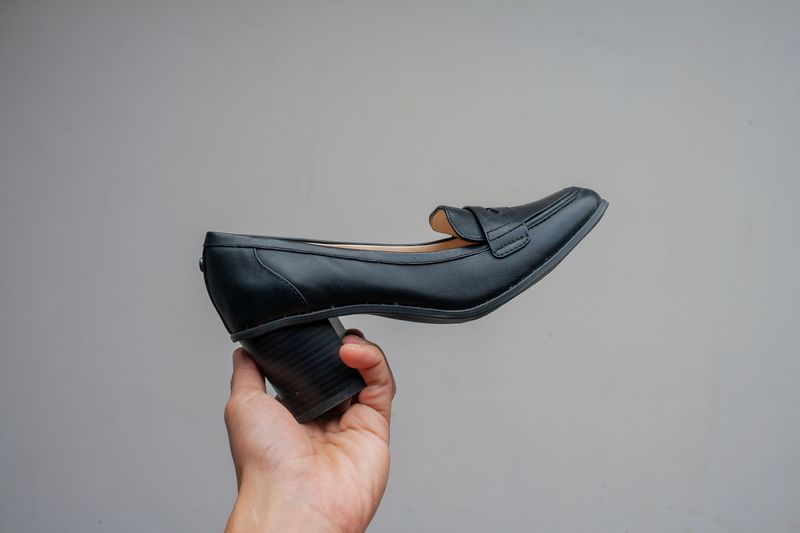
Shoes can make or break an outfit, and after 50, comfort becomes just as important as style.
The good news is that comfortable and polished are no longer opposites.
Today’s footwear options offer both in abundance.
Look for low-heeled loafers, cushioned leather flats, block-heel boots, and supportive sneakers in classic colors.
These styles look sharp with pants, skirts, and dresses alike.
Neutral tones like black, tan, and white are the most flexible choices for building a versatile shoe collection.
Investing in a few high-quality pairs beats owning a pile of shoes that hurt your feet.
When your shoes feel good, you carry yourself differently.
That confidence shows, and it makes every outfit look ten times better.
7. Introduce Structured Jackets and Blazers
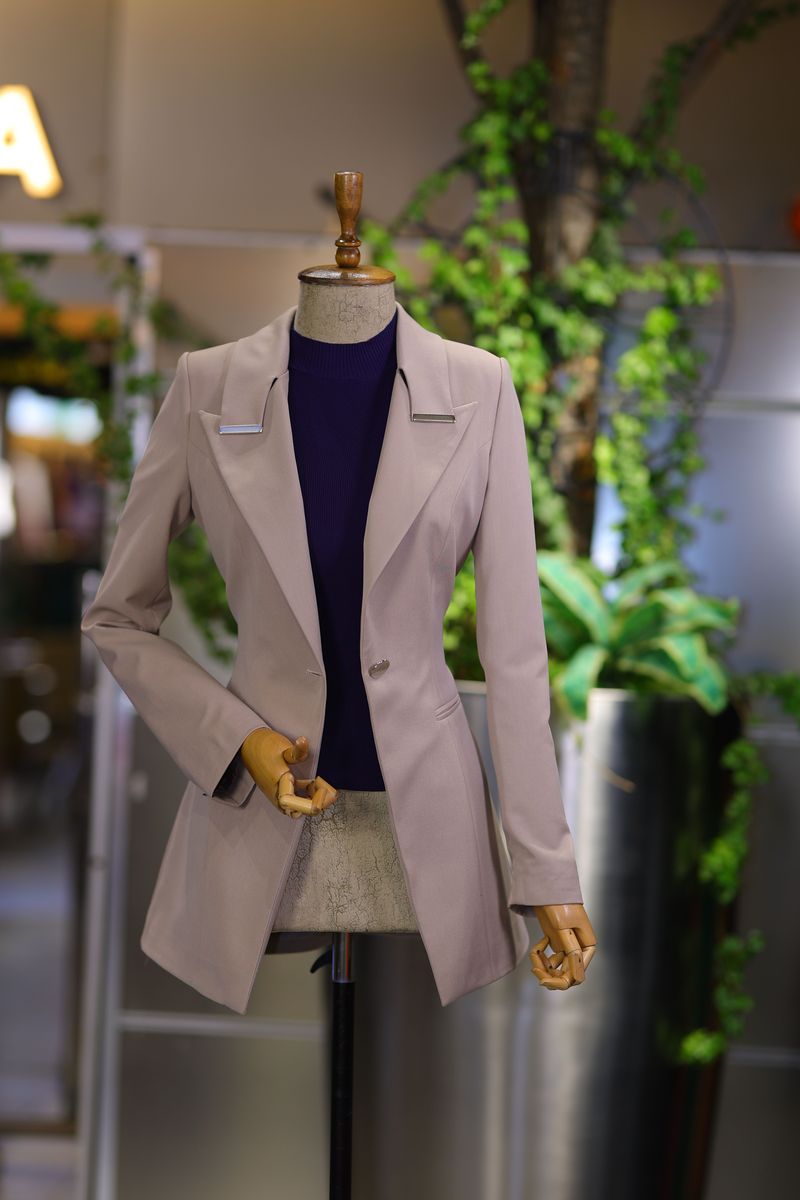
A well-cut blazer might be the single most powerful piece you can add to your wardrobe.
It instantly lifts a casual outfit and gives any look a sense of intention and polish that is hard to achieve with softer pieces alone.
Structured jackets work over everything: jeans, trousers, dresses, and even leggings.
They frame the body in a flattering way and add a layer of professionalism that feels effortless.
A classic navy, black, or camel blazer will never go out of style.
Look for styles with a relaxed but tailored fit.
Boxy or oversized blazers that swamp your frame tend to add bulk rather than structure.
The goal is a clean silhouette that makes you feel sharp and ready for anything the day brings.
8. Choose Dresses That Work for Different Occasions
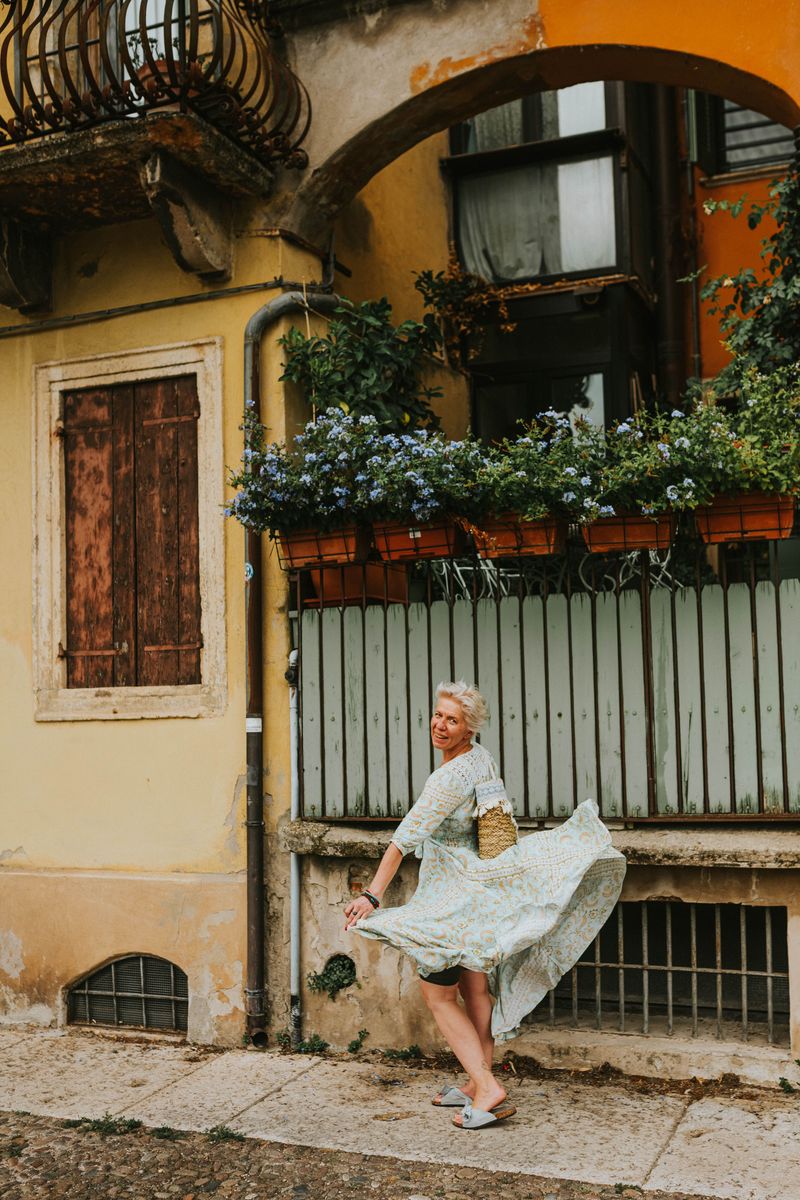
A great dress is one of the easiest outfits you can own because it is already a complete look from the moment you put it on.
Finding a few styles that work for multiple occasions is the real goal.
Wrap dresses, shirt dresses, and A-line styles tend to be the most flattering and flexible options for women over 50.
They move well, accommodate different body shapes, and can be dressed up or down depending on your shoes and accessories.
Stick to solid colors or simple, timeless prints like stripes or small florals.
These are easier to restyle than bold, trendy patterns.
With the right dress in your closet, you are never more than a few minutes away from looking completely put together.
9. Organize Clothing by Category and Season
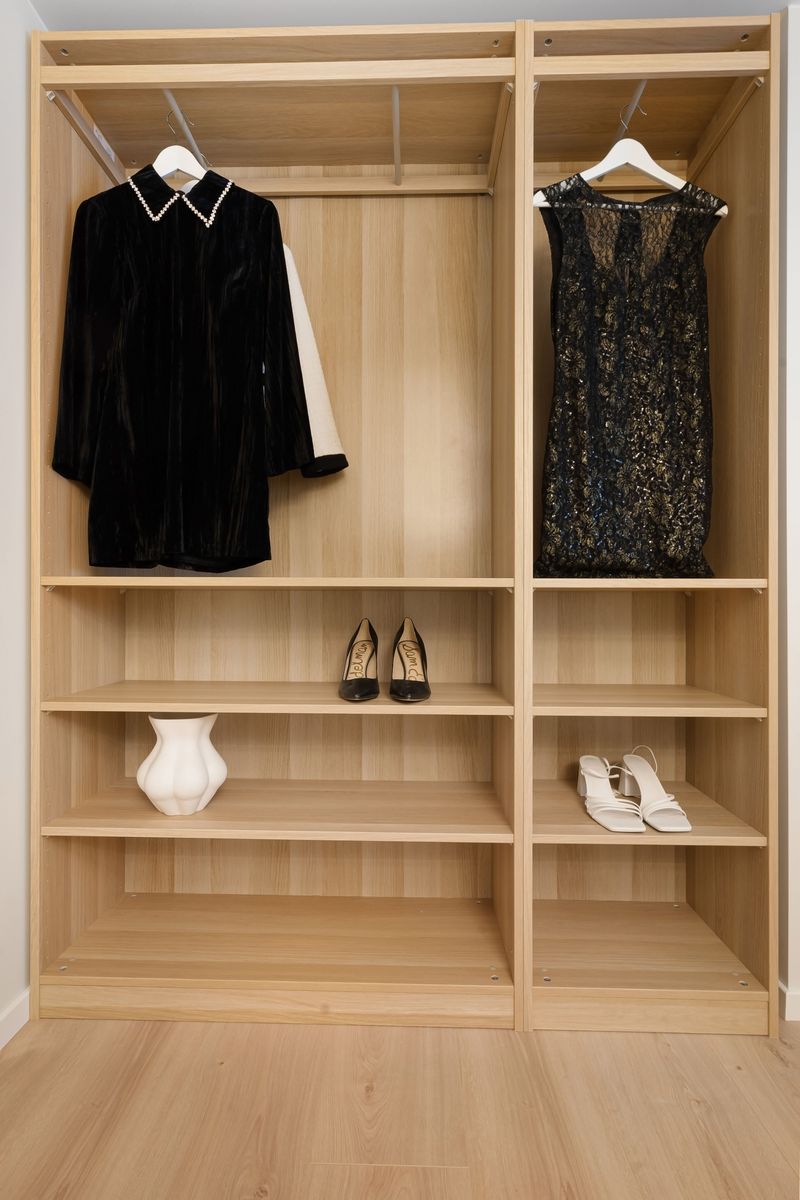
A disorganized closet can make getting dressed feel like a scavenger hunt every single morning.
Taking time to organize your clothing by category and season is one of the most practical things you can do for your daily routine.
Group similar items together: all tops in one section, pants in another, jackets in a third.
Within each category, arrange by color so you can see everything at a glance.
Store off-season pieces in bins or a separate closet to reduce visual clutter.
Once your closet is organized, maintaining it takes only a few minutes each week.
You will spend less time searching and more time actually enjoying your clothes.
A tidy space also makes it much easier to spot what you have and what you truly need.
10. Keep Accessories Simple and Easy to Coordinate
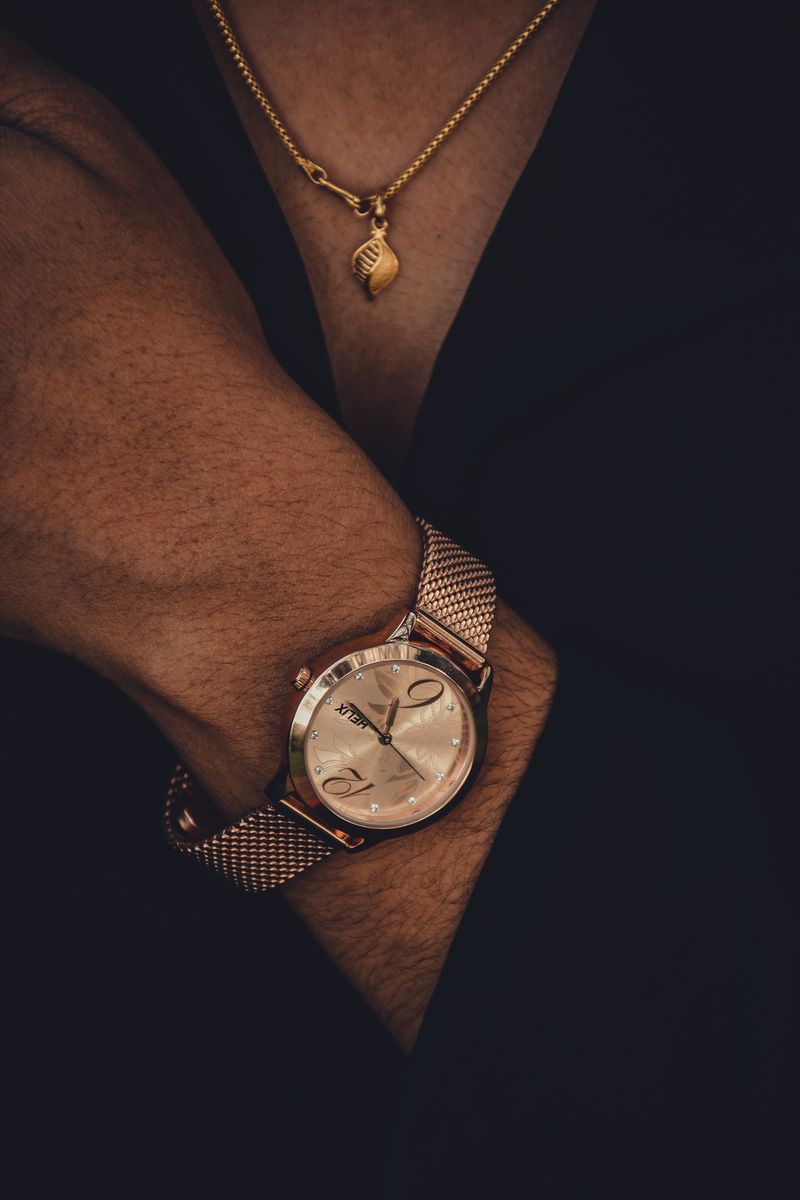
Accessories have a way of multiplying until they take over a drawer, yet most people reach for the same three or four pieces every day.
Simplifying your accessory collection is one of the quickest ways to streamline your morning routine.
Focus on pieces that work across many outfits: a simple gold or silver necklace, classic stud earrings, a quality leather belt, and a watch you love.
These foundational items coordinate with almost anything, so you never have to overthink your choices.
Keeping accessories minimal also means your outfits look more intentional and refined.
A few well-chosen pieces always beat a jumble of options.
When everything in your collection works together, accessorizing goes from a daily dilemma to a quick, satisfying finishing touch.