 MomSkoop
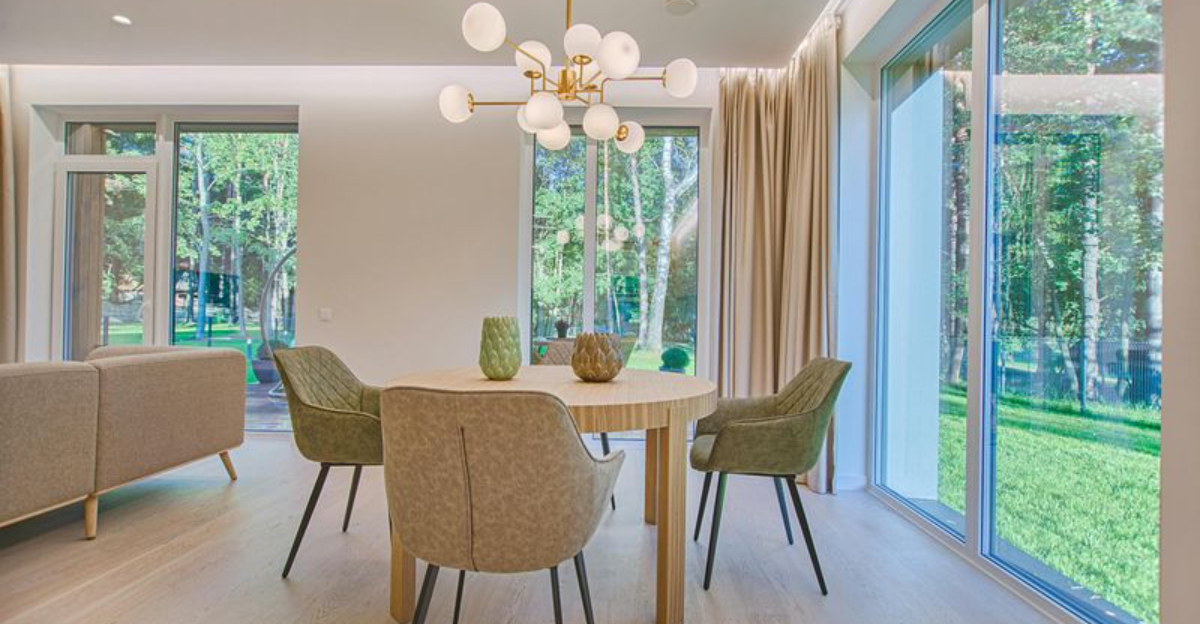
Open spaces are wonderful for feeling free and airy, but sometimes they can feel a bit too empty or cold. You want your home to feel warm and inviting without filling every corner with stuff that creates clutter.
The good news is that you can absolutely make a large room feel cozy and comfortable using smart design tricks and thoughtful touches. These simple strategies will help you transform any open area into a space that feels like a warm hug.
1. Layer Soft Textiles Throughout the Room
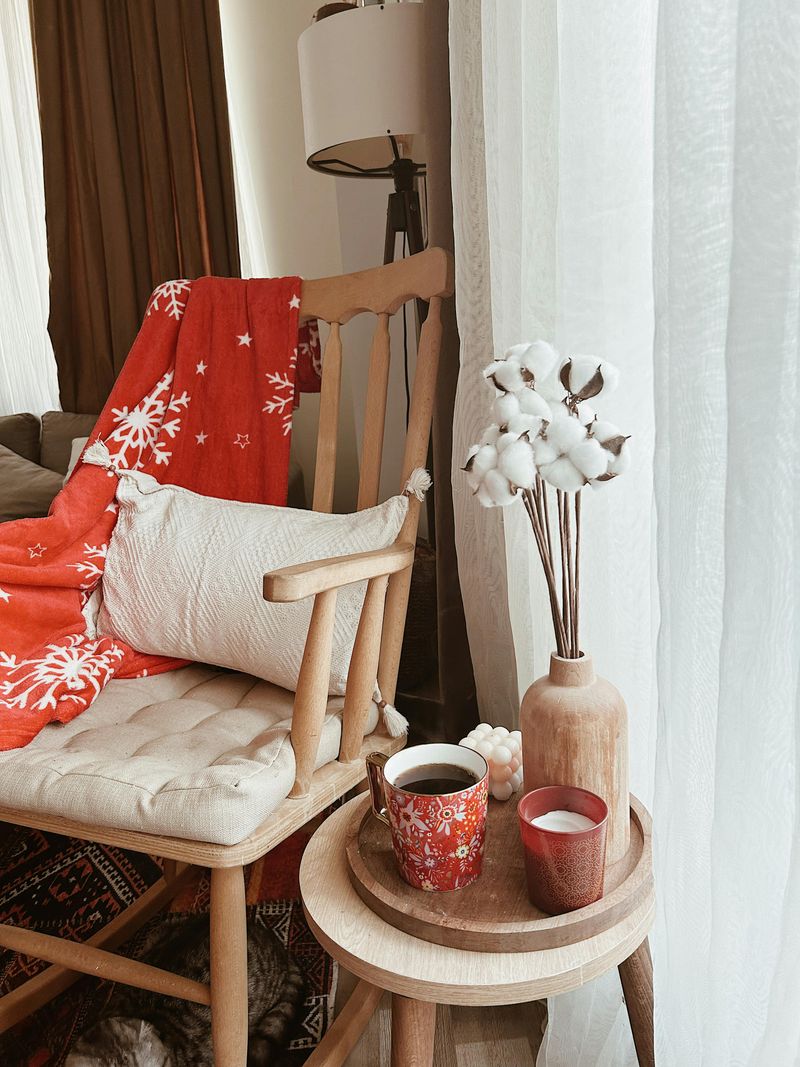
Fabric has this magical ability to make any space feel instantly warmer and more welcoming. Drape a chunky knit throw over your sofa arm or add a fluffy area rug beneath your coffee table. These soft touches create visual and physical warmth without taking up much space.
Cushions in different textures can also add comfort to seating areas. Mix materials like velvet, linen, and cotton for interest. The key is choosing pieces that invite you to curl up and relax, transforming cold surfaces into cozy spots you actually want to spend time in.
2. Use Warm Lighting Instead of Harsh Overheads
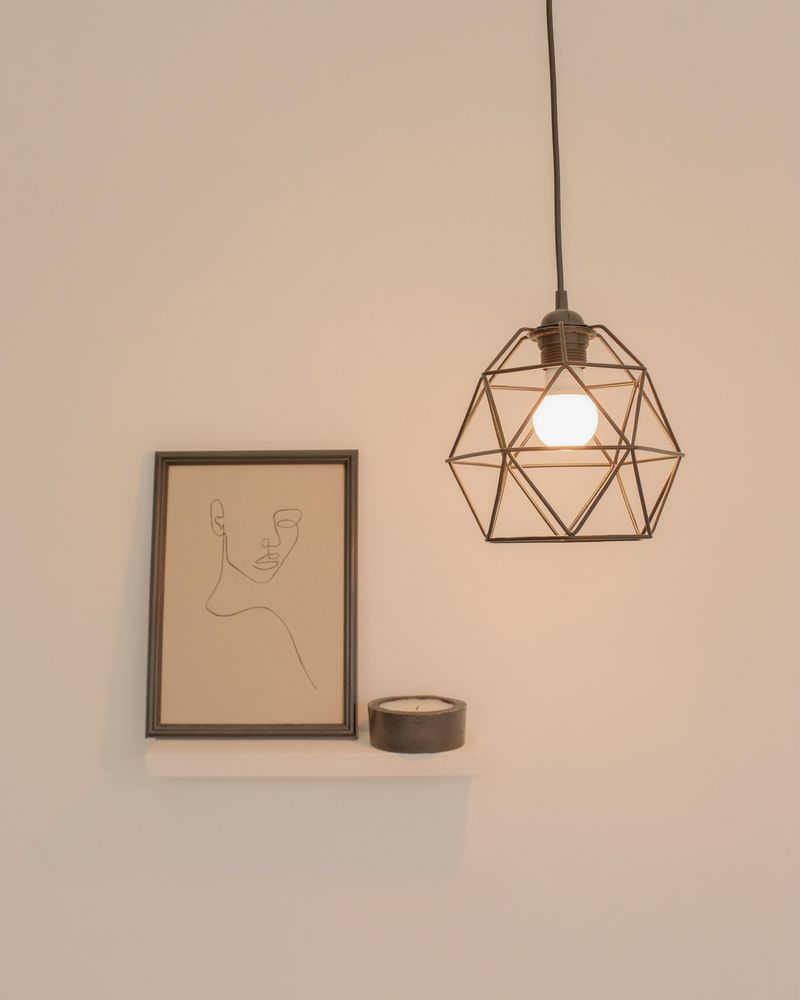
Harsh ceiling lights can make a room feel like a doctor’s office rather than a home. Swap those bright bulbs for softer options, or better yet, skip the overhead lights entirely when possible. Floor lamps and table lamps placed strategically around the room create pockets of gentle illumination.
This layered lighting approach makes spaces feel intimate even when they’re physically large. Warm-toned bulbs in the 2700K range give off that golden glow similar to candlelight. You’ll notice how much cozier your room feels when light comes from multiple sources at eye level rather than blasting down from above.
3. Define Zones With Area Rugs
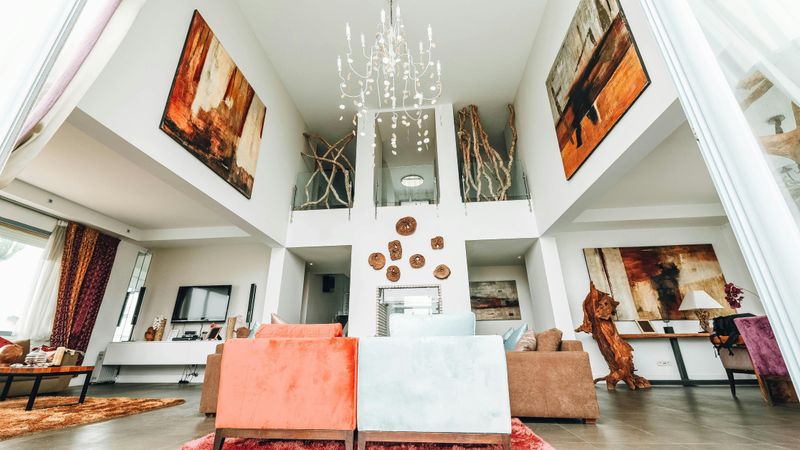
Ever notice how one giant empty room can feel overwhelming? Area rugs work like invisible walls that break up the space into manageable sections. Place one under your dining table and another beneath your seating arrangement to create distinct zones.
This trick helps your brain understand where one area ends and another begins. Choose rugs that complement each other but don’t necessarily match perfectly. The different textures underfoot also add sensory variety that makes the space more interesting. Plus, rugs absorb sound, which reduces that echo-y feeling common in open layouts.
4. Incorporate Natural Elements and Greenery
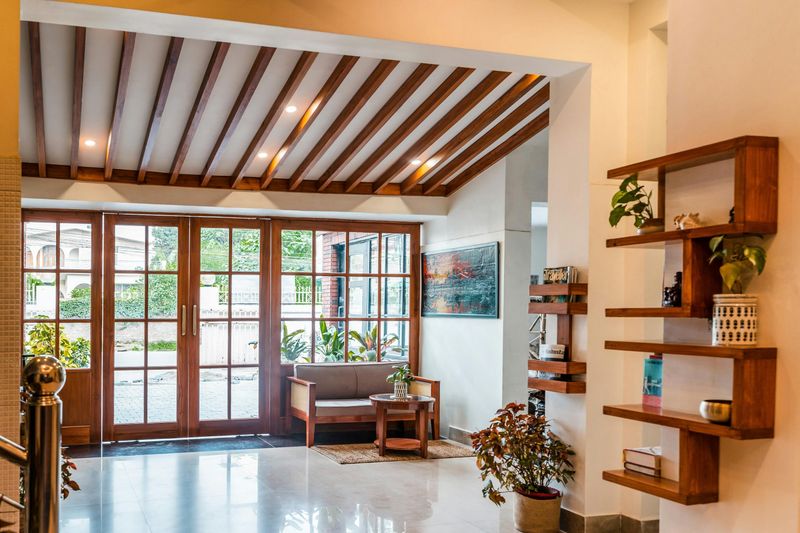
Bringing the outdoors inside instantly makes a space feel more alive and welcoming. A tall fiddle leaf fig in the corner or a collection of smaller plants on a shelf adds life without creating clutter. Plants purify the air while giving your eyes something beautiful and natural to rest on.
Wooden furniture, woven baskets, or even a bowl of pinecones can enhance this organic feel. Natural materials have an inherent warmth that synthetic ones simply can’t match. You don’t need a jungle’s worth of greenery—just a few well-placed plants can transform the entire mood of your open space.
5. Paint or Accent One Wall in a Warm Tone
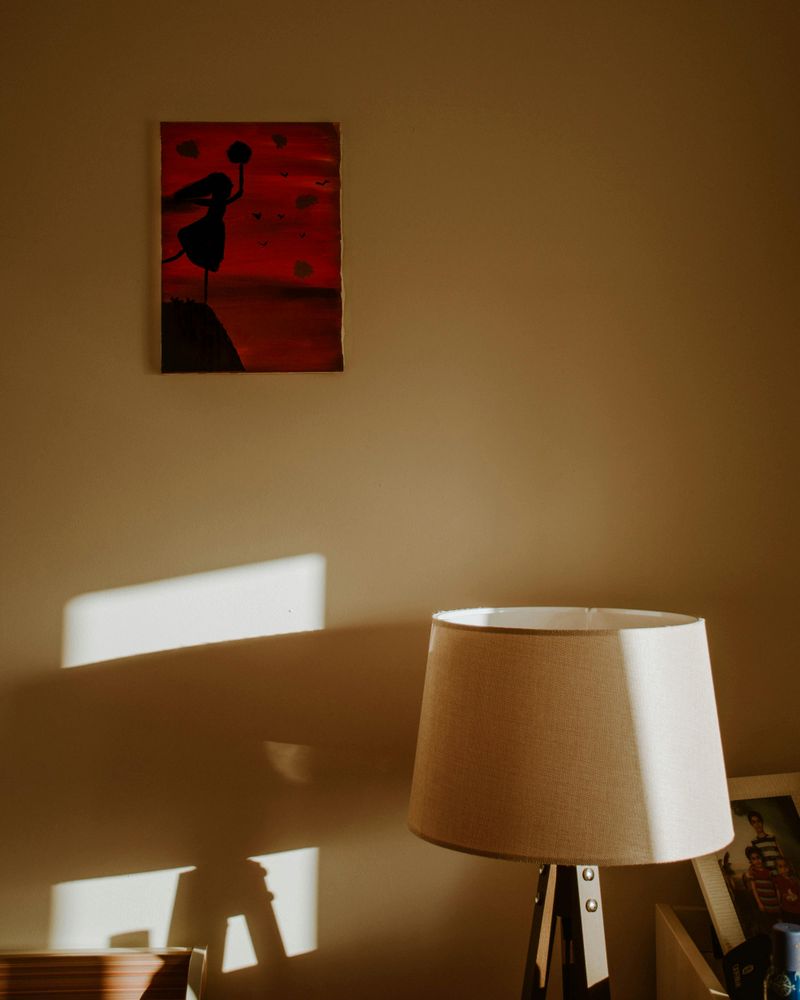
Color has incredible power to change how a room feels. While keeping most walls light helps maintain that airy feeling, painting just one wall in a warmer shade creates instant coziness. Think earthy terracotta, soft sage, or warm taupe rather than stark white everywhere.
This accent wall becomes a focal point that draws the eye and makes the space feel more intentional. The contrast between the warm wall and lighter surroundings adds depth without making the room feel smaller. It’s a simple change that delivers major impact, and you can always repaint if you want to switch things up later.
6. Arrange Furniture to Create Conversation Areas
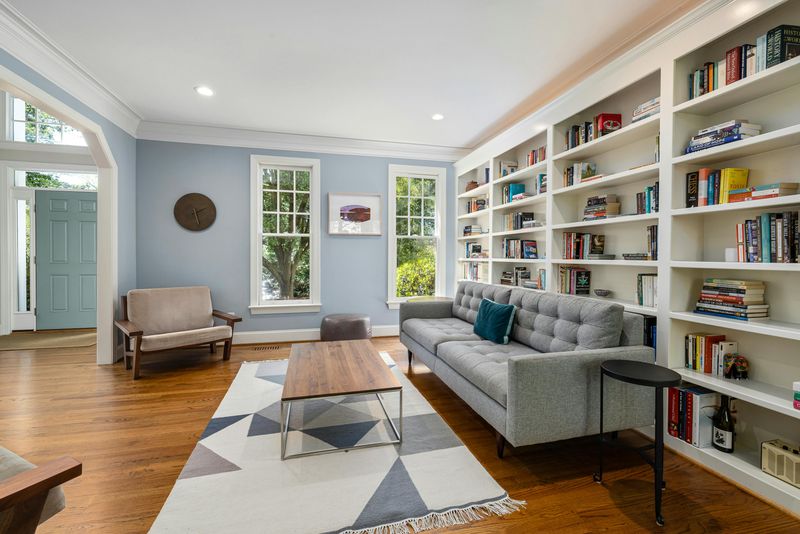
Pushing all your furniture against the walls might seem like it maximizes space, but it actually does the opposite for coziness. Pull pieces away from the walls and arrange them facing each other to create intimate groupings. This makes the space feel designed for connection rather than just empty square footage.
A sofa and two chairs around a coffee table forms a natural gathering spot. Leave enough room to walk around comfortably, but keep pieces close enough for easy conversation. This arrangement trick works wonders for making even cathedral-ceilinged rooms feel surprisingly snug and inviting.
7. Hang Curtains to Add Softness and Warmth
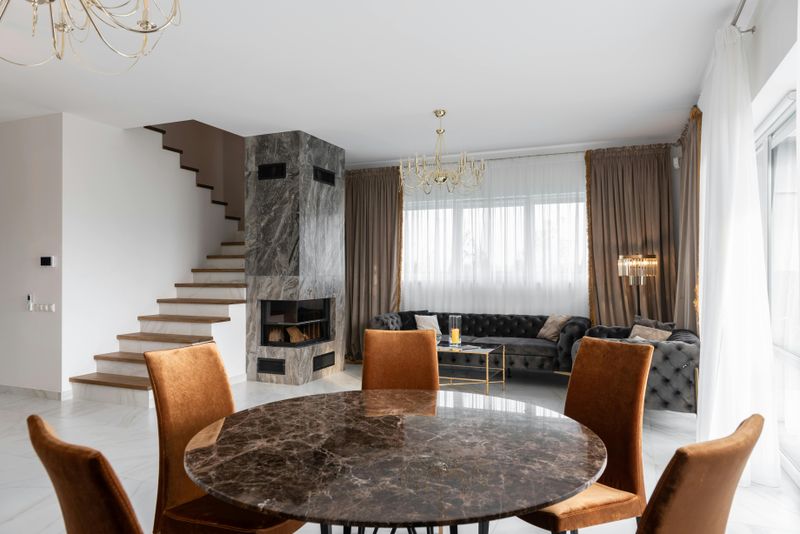
Windows are wonderful, but bare glass can feel cold and exposed. Floor-to-ceiling curtains in a soft fabric immediately add warmth and texture to your walls. Choose colors that complement your space—creamy whites, soft grays, or warm beiges work beautifully in most settings.
Curtains also help with acoustics by absorbing sound that would otherwise bounce around your open space. You can leave them open during the day to enjoy natural light, then close them in the evening for extra coziness. The vertical lines they create also draw the eye upward, making your space feel more complete and thoughtfully designed.
8. Display Personal Items on Floating Shelves
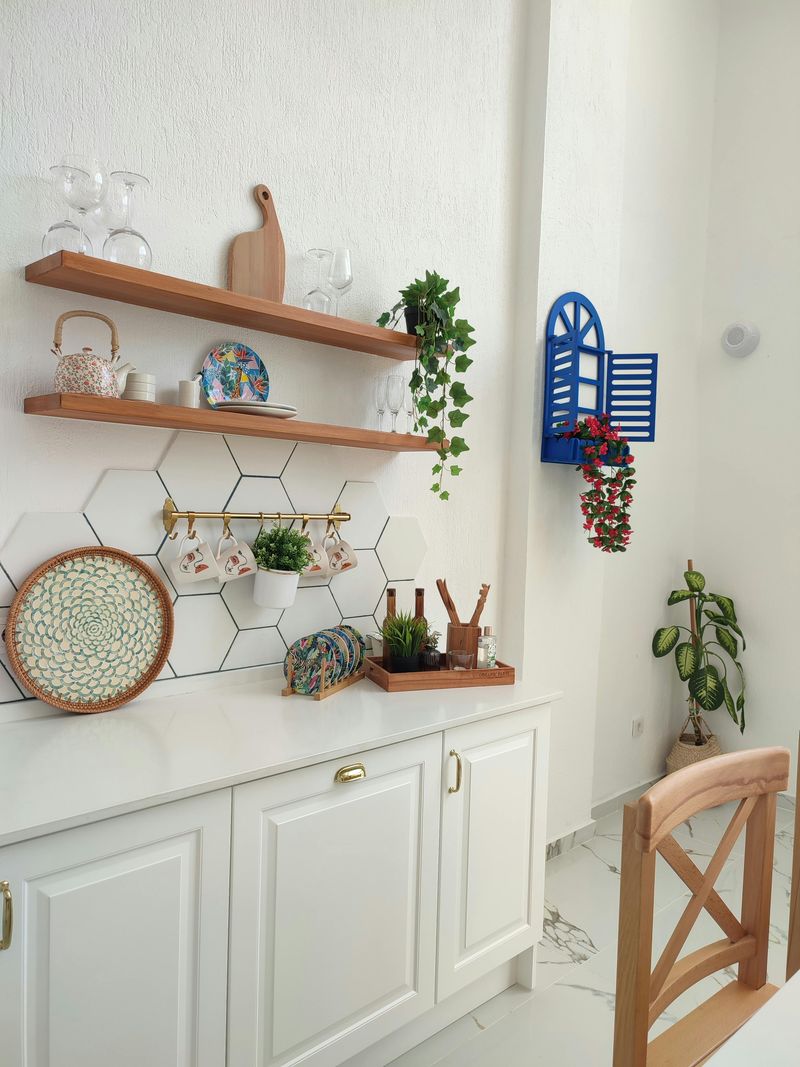
A room without personality can never truly feel cozy, no matter how many blankets you add. Floating shelves let you display meaningful items—family photos, favorite books, or travel souvenirs—without taking up floor space. The key is curation: choose items that genuinely matter to you rather than filling every inch.
Group objects in odd numbers and vary heights for visual interest. Leave some empty space on each shelf so it doesn’t look crowded. These personal touches tell your story and make guests feel welcome. When your space reflects who you are, it naturally becomes more inviting and comfortable for everyone.