 MomSkoop

Have you ever walked away from a conversation feeling like something just wasn’t quite right about the person you were talking to? Fake people are everywhere, and learning to spot them can save you a lot of heartache and confusion.
Recognizing the signs of insincerity isn’t about being paranoid — it’s about protecting your energy and building real, trustworthy relationships. Here are ten clear signs that someone might not be as genuine as they seem.
1. Their Personality Changes Depending on Who’s Around
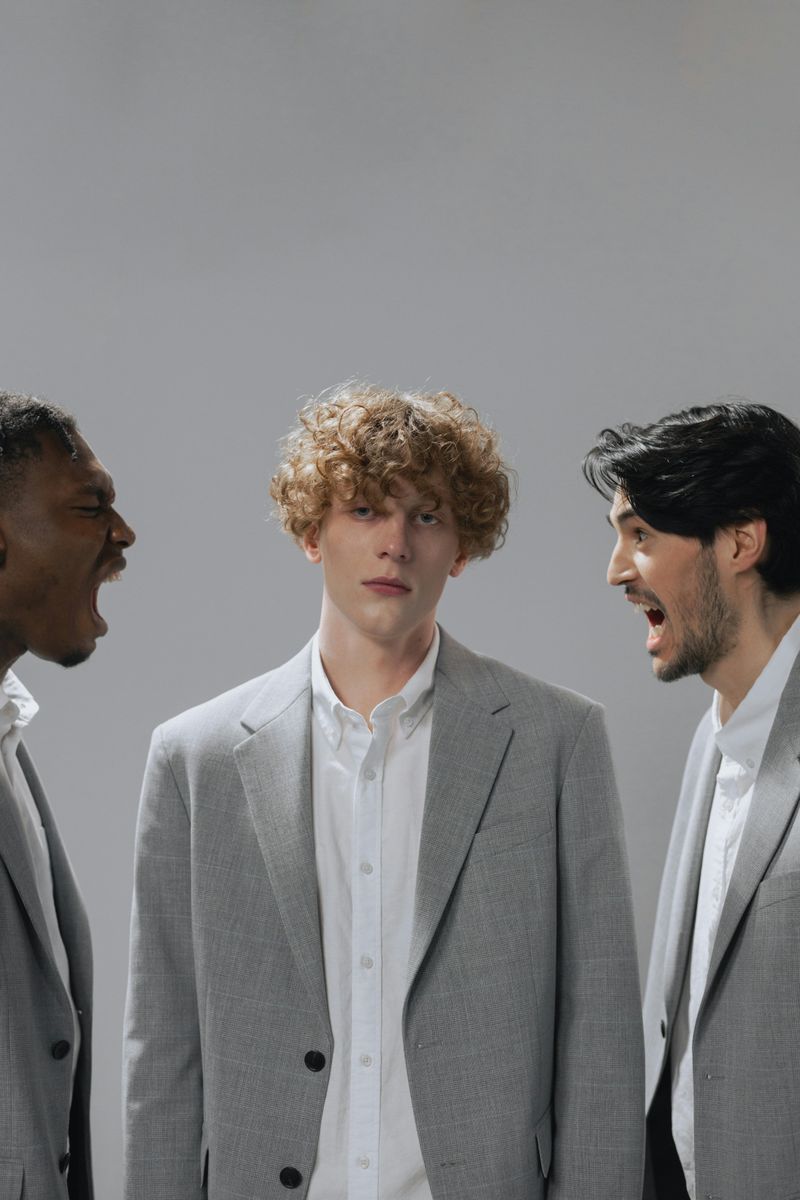
Watch how someone behaves when the social crowd shifts.
A person who is warm and funny with you but suddenly transforms into a completely different character around their boss, a popular classmate, or someone with status is showing you something important.
Genuine people behave consistently no matter who’s in the room.
They don’t need to perform for an audience or adjust their entire personality to impress someone new.
This kind of shape-shifting usually signals that the person is more focused on managing impressions than building real connections.
If you notice the switch happening often, trust what you’re seeing — it’s a reliable red flag worth paying attention to.
2. Excessive Flattery That Comes Way Too Fast

Compliments feel wonderful — until they start arriving so fast and so perfectly that something feels off.
When someone praises nearly everything about you within the first few conversations, it’s worth slowing down and asking yourself why.
Authentic appreciation tends to grow naturally over time, as people actually get to know you.
Immediate, over-the-top flattery is often a strategy used to gain trust or favor quickly.
Think of it like sugar — a little is delightful, but too much too fast leaves you feeling sick.
Real admiration is earned slowly and expressed genuinely.
If the praise feels rehearsed or suspiciously constant, your instincts are probably picking up on something real.
3. They Agree With Absolutely Everything You Say

Everybody loves feeling understood, but constant agreement from someone should actually raise an eyebrow.
Real people have their own opinions, preferences, and experiences — and those don’t always line up perfectly with yours.
When someone never pushes back, never offers a different perspective, and always mirrors your exact viewpoint, they’re likely more interested in being liked than being honest.
That kind of people-pleasing can feel flattering at first but becomes hollow quickly.
Healthy relationships involve respectful disagreement sometimes.
A friend who challenges your thinking, shares a different take, or politely says “I see it differently” is far more valuable than one who simply echoes everything you believe.
4. Body Language That Doesn’t Match Their Words

Words are only one part of how people communicate.
The body tells a whole separate story — and when those two stories don’t match, something is usually off.
A smile that never quite reaches the eyes, laughter that sounds forced, or avoiding eye contact while delivering a compliment are all small but telling signs.
Your brain is surprisingly good at picking up on these mismatches, even when you can’t immediately explain the uneasy feeling.
Researchers call this “leakage” — when true emotions slip through despite someone’s best effort to hide them.
So if someone’s words say one thing but their body seems to be telling a completely different story, believe the body.
5. They Gossip About Others Constantly

Here’s a simple rule worth remembering: if someone freely talks negatively about other people to you, there’s a strong chance they talk about you the same way to others.
Chronic gossips rarely make exceptions.
People who genuinely care about their relationships don’t make a habit of tearing others down behind their backs.
It takes a certain kind of low integrity to smile at someone’s face while criticizing them the moment they leave the room.
Gossip can feel like bonding at first — sharing secrets creates a temporary closeness.
But that closeness is built on negativity, not trust.
Someone who gossips constantly is showing you exactly how they handle relationships when things get inconvenient.
6. They Only Show Up When They Need Something

Pay close attention to when someone reaches out.
If the pattern shows up only around favors, problems, or personal gain — and disappears the rest of the time — that relationship is transactional, not genuine.
A real friend checks in just to say hello, celebrates your wins without needing anything in return, and shows up even when there’s nothing to gain.
Fake people treat relationships like vending machines — insert need, extract help, disappear.
This pattern can be subtle at first, especially if the person is charming and grateful when they do reach out.
But over time, the inconsistency becomes impossible to ignore.
Track the pattern, not just the moments — the full picture reveals the truth.
7. An Overly Curated and Picture-Perfect Image

There’s nothing wrong with presenting yourself well — but when every single moment looks perfectly polished and carefully controlled, it can signal that image management has replaced authenticity.
Online or in person, people who are extremely invested in appearing flawless often struggle to let their guard down or show any vulnerability.
Real people have messy days, bad hair mornings, and unfiltered opinions.
That’s what makes them relatable and trustworthy.
Extreme curation isn’t always a sign of fakeness, but it’s worth noticing when someone never seems to exist outside their highlight reel.
Authenticity includes the rough edges.
If someone’s life looks suspiciously magazine-perfect at all times, look a little closer at what’s being hidden.
8. They Mirror You a Little Too Much

Mirroring — subtly copying someone’s tone, body language, or energy — is actually a natural part of human connection.
We all do it a little.
But when it goes into overdrive, it stops feeling like connection and starts feeling like performance.
If someone suddenly adopts all your interests, echoes your exact opinions, and starts speaking like you within just a few weeks, they may be molding themselves to win your approval rather than showing you who they actually are.
Real people bring their own flavor to a friendship.
They complement you, not clone you.
Healthy connection means two distinct personalities genuinely enjoying each other — not one person becoming a mirror image of the other to stay in your good graces.
9. They Dodge Accountability Every Single Time
Everyone makes mistakes — that’s just part of being human.
What separates real people from fake ones is what they do after the mistake.
Genuine people own up, apologize, and try to do better.
Fake people redirect, deflect, and rewrite the story.
If someone always has an excuse, always finds a way to make it someone else’s fault, or quietly rewrites history to protect their reputation, that’s a serious character red flag.
Accountability requires honesty, and honesty is something fake people tend to avoid at all costs.
Notice how someone handles being wrong.
That single moment reveals more about who they really are than months of smooth, charming behavior ever could.
Character shows up under pressure, not comfort.
10. Your Gut Keeps Telling You Something Is Off

Sometimes there are no obvious red flags — just a quiet, persistent feeling that something isn’t quite right.
That feeling deserves respect.
Your brain is constantly processing tiny behavioral cues — shifts in tone, timing that feels rehearsed, microexpressions that flash and disappear — even when your conscious mind hasn’t caught up yet.
Gut feelings about people aren’t random.
They’re the result of your mind doing rapid pattern recognition in the background, comparing what someone says with how they say it and what they actually do.
If that uneasy feeling keeps coming back around the same person despite no clear reason, stop dismissing it.
Your instincts are one of the most underrated tools you have for navigating relationships honestly and safely.