 MomSkoop
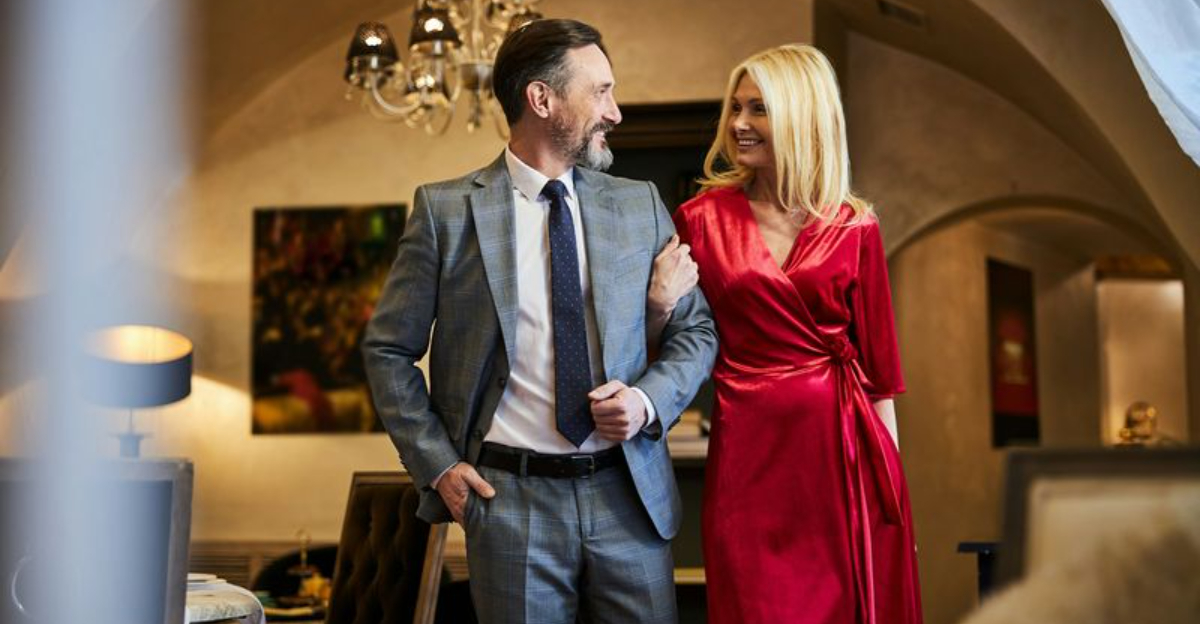
Getting dressed for a wedding is exciting, but once you’re past 50, some outfit choices can work against you rather than for you. Certain styles that looked great in your 30s might now feel a little off — either too casual, too trendy, or just not as flattering.
The good news is that knowing what to skip makes it so much easier to find something that looks polished, elegant, and totally you. Here are ten wedding guest looks worth rethinking if you want to show up feeling confident and age-appropriately chic.
1. Overly Tight Bodycon Dresses
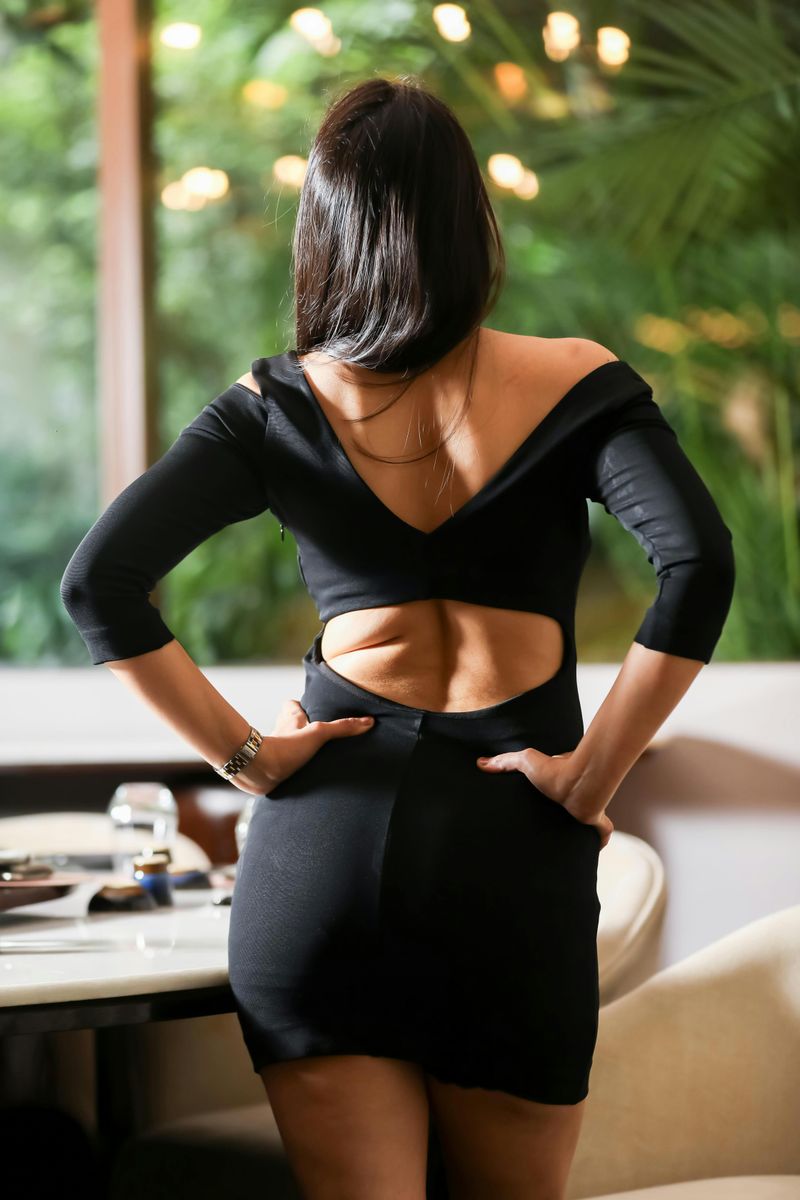
Squeezing into a bodycon dress might feel like a bold fashion statement, but after 50, the effect can backfire in ways you didn’t expect.
These form-hugging styles cling to every curve and contour, which sounds appealing in theory.
In practice, they can highlight areas you’d rather keep soft and understated.
Comfort also becomes a real concern.
Sitting, standing, and dancing all feel more restricted when your dress has zero give.
A wedding is a long event — you want to actually enjoy it.
A better move?
Opt for a fitted but not skin-tight silhouette.
Wrap dresses, A-line styles, or sheath dresses with a little stretch offer shape without the squeeze, keeping you looking polished all day.
2. Ultra-Short Hemlines
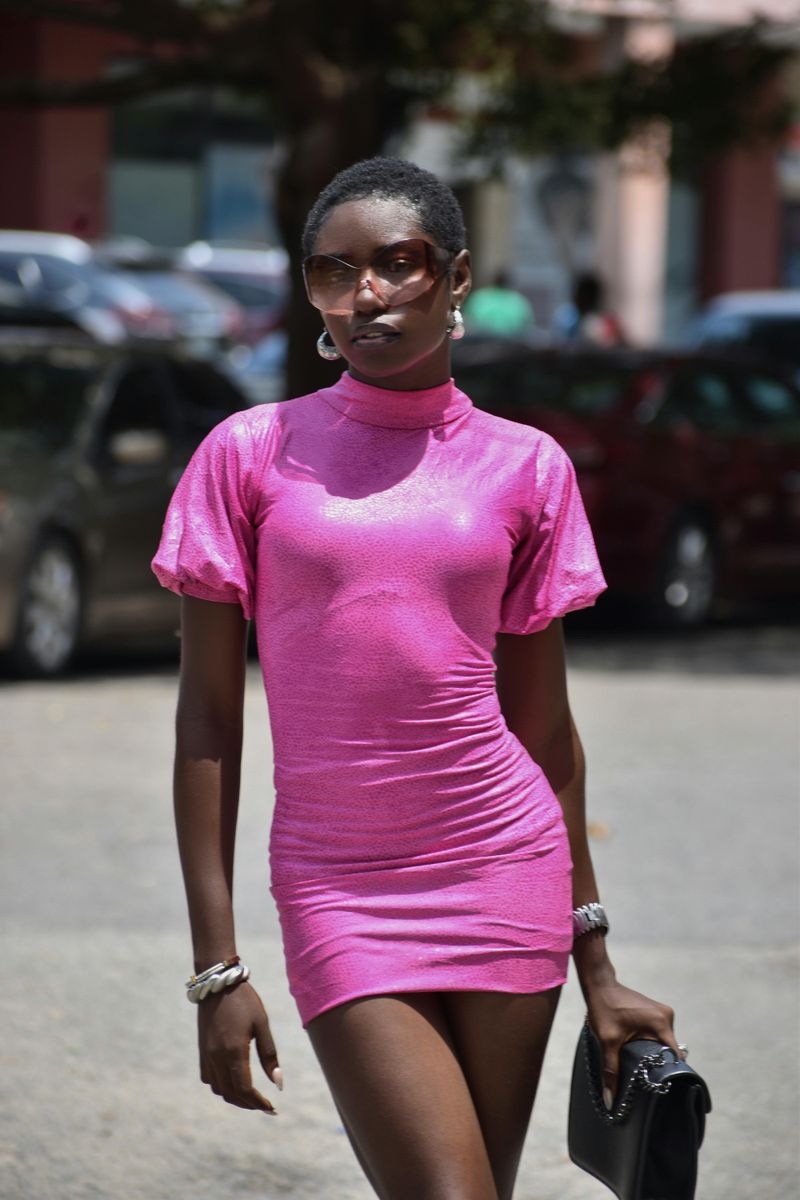
Mini dresses have their moment — and that moment is typically not a formal wedding after 50.
Very short hemlines can read as less refined in a setting that calls for elegance and celebration.
It’s not about hiding your legs; it’s about matching the tone of the occasion.
Short hemlines also draw attention in ways that can feel awkward during seated dinners or outdoor ceremonies on windy days.
Practicality and style need to work together.
Knee-length or midi hemlines are genuinely flattering and versatile.
They elongate the leg, photograph beautifully, and feel appropriate across a wide range of wedding settings — from garden parties to black-tie receptions.
Style and comfort can absolutely coexist.
3. Excessively Trend-Driven Pieces
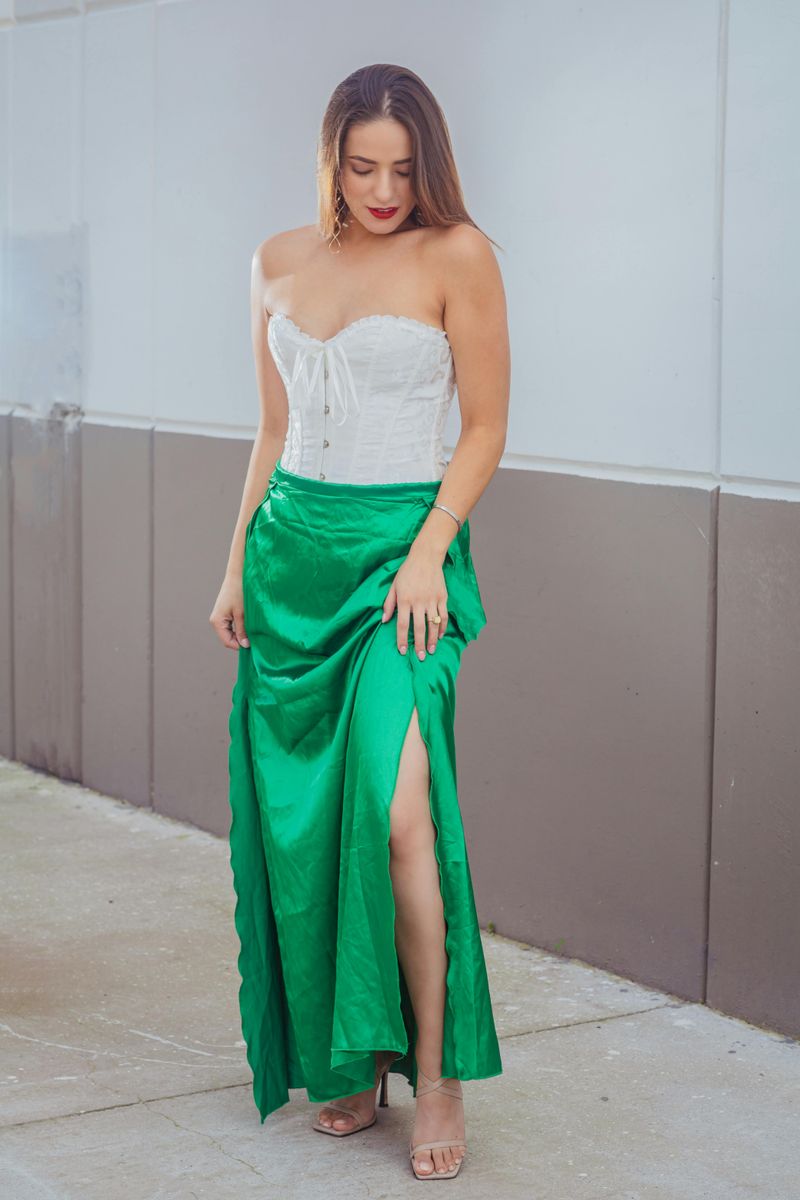
Fast fashion trends come and go at lightning speed.
Cut-outs, extreme asymmetry, micro-corsets — these styles burn bright for a season and then disappear.
Chasing them for a wedding can leave your outfit looking dated in photos just a year or two later.
There’s also something to be said for a look that feels genuinely you rather than pulled from a trend report.
After 50, personal style tends to be more defined and refined — lean into that.
Classic silhouettes in quality fabrics will always outperform trend-of-the-moment pieces at formal events.
A beautifully cut dress in a timeless color or print says far more about your confidence and style than anything fresh off a runway.
4. Overly Revealing Necklines
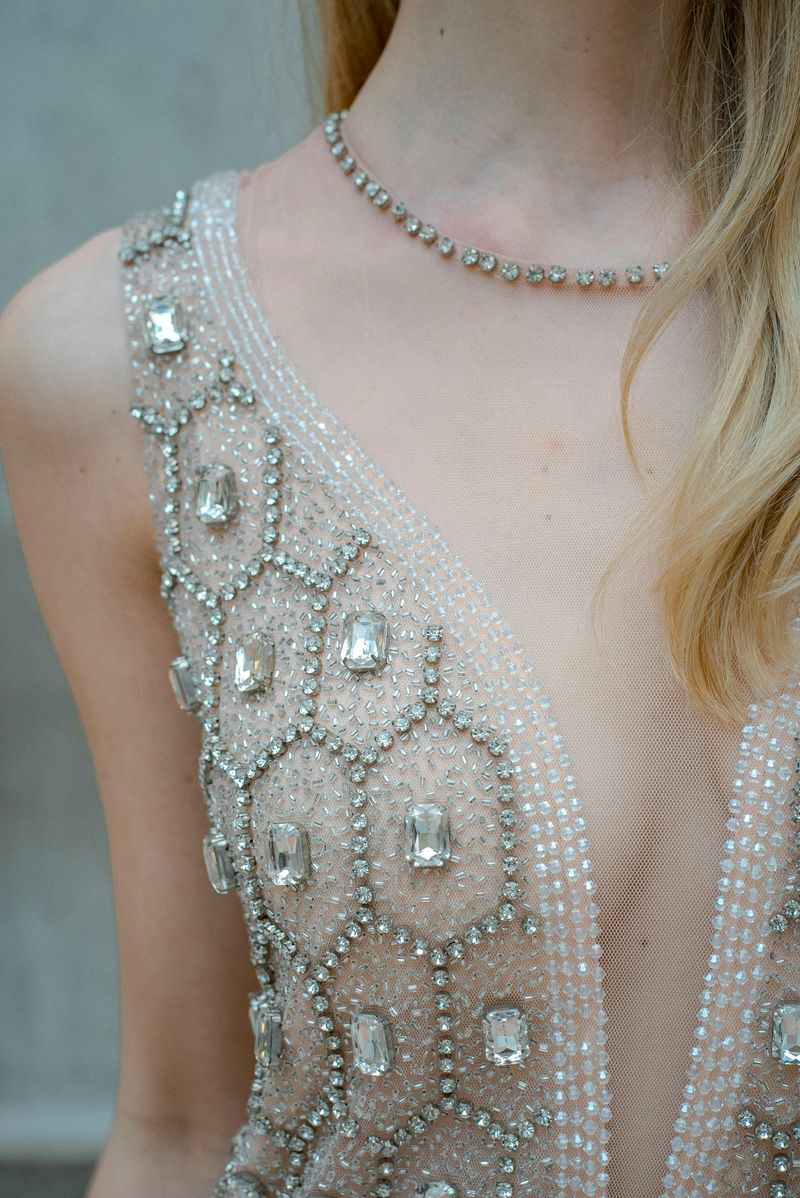
A deep plunging neckline can feel bold, but at a wedding — especially one with a more formal or traditional vibe — it can tip from glamorous to distracting.
After 50, the chest area often benefits more from structured support than from full exposure.
Necklines that frame rather than reveal tend to photograph better and feel more put-together throughout a long event.
Think V-necks with moderate depth, square necklines, or elegant scoop styles that draw attention to your face and collarbone.
Adding a well-fitted bra or built-in support makes all the difference too.
The goal is a neckline that feels intentional and elegant — one that completes the outfit rather than competing with it for all the attention.
5. Heavy, Stiff Fabrics
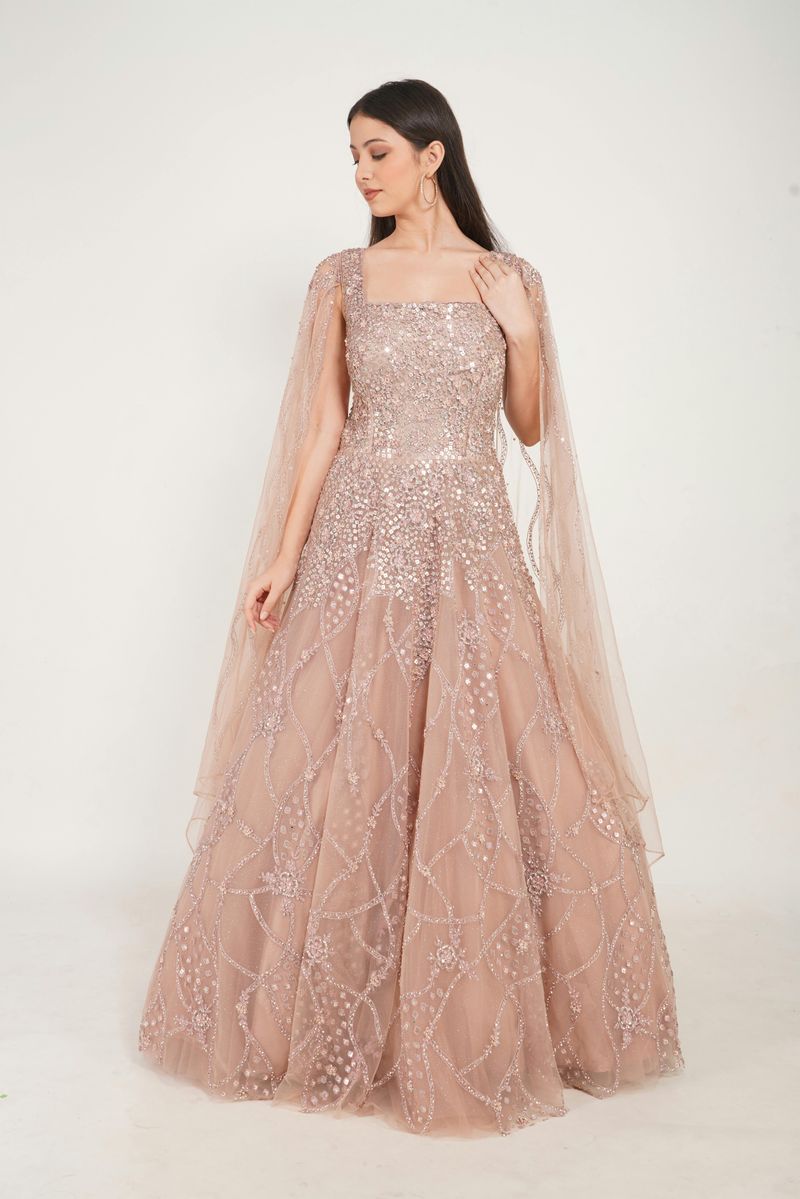
Some fabrics just don’t cooperate — and stiff, heavy materials are among the biggest offenders for wedding guest dressing after 50.
Thick brocades, rigid taffeta, and overly structured fabrics can add bulk exactly where you don’t want it and make movement feel awkward.
Weddings involve a lot of activity: cocktail hours, dancing, outdoor ceremonies, long receptions.
Heavy fabrics can make all of that feel like a workout rather than a celebration.
Lightweight fabrics like chiffon, crepe, silk, or jersey drape beautifully and move with your body.
They’re also far more comfortable across extended wear.
Choosing breathable, fluid materials keeps you looking effortlessly elegant without sacrificing ease or comfort throughout the entire event.
6. Head-to-Toe Sequins for Day Weddings
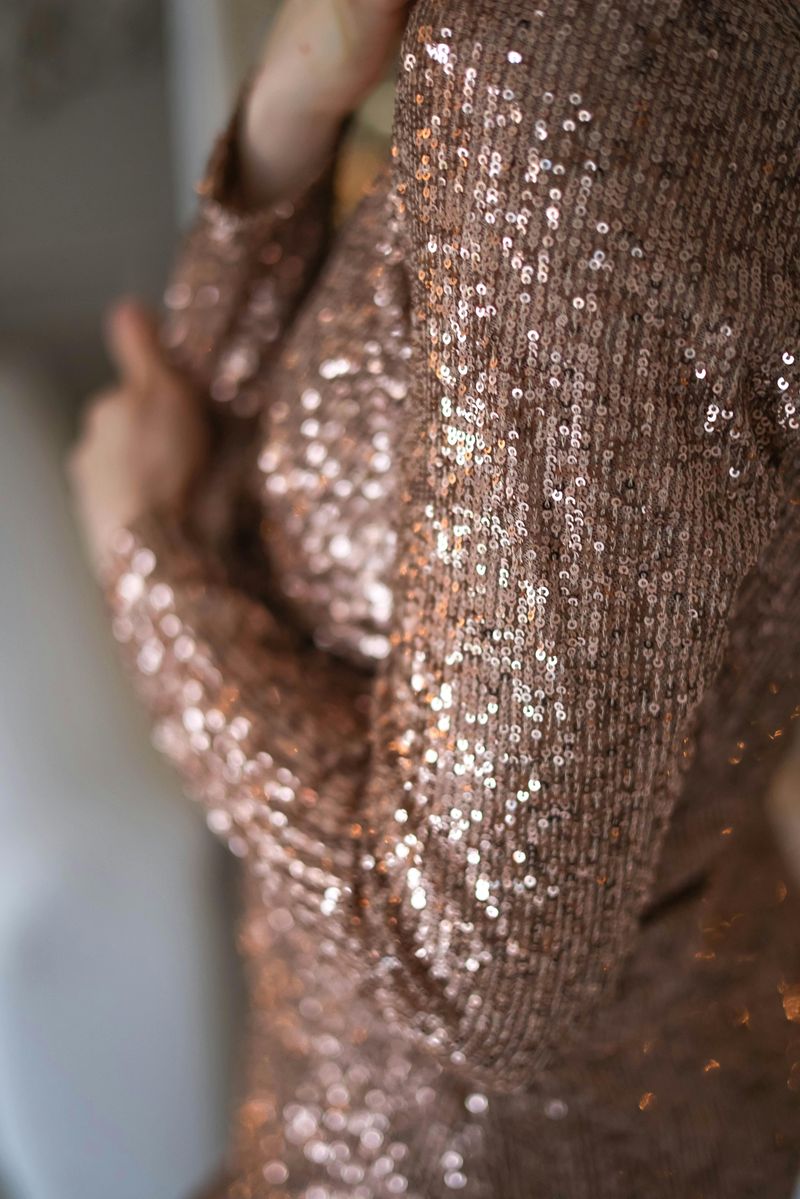
Full sequin looks are made for nighttime — dim lighting, candlelit receptions, and evening glamour.
Wearing head-to-toe sparkle to a daytime wedding can feel like you misread the invitation entirely.
Under bright sunlight, all that glitter can actually come across as overwhelming rather than dazzling.
After 50, the goal at a wedding is polished and intentional, not attention-grabbing.
A little sparkle goes a long way — a sequined clutch, metallic shoes, or subtle shimmer in the fabric can add just the right amount of festivity.
Save the full sequin gown for an evening affair where it truly shines.
For daytime nuptials, elegant prints, soft solids, or lightly embellished fabrics will make you look perfectly dressed for the occasion.
7. Overly Youthful Prints
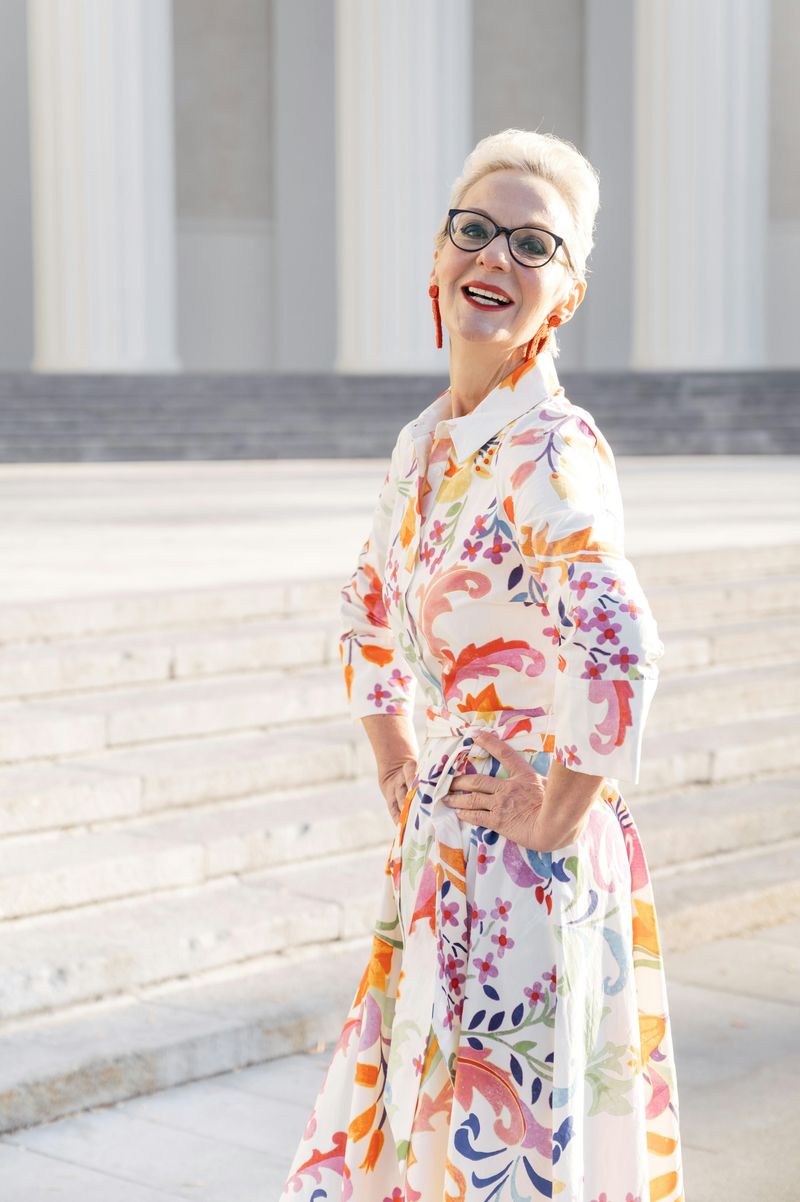
Print choices say a lot about your style sensibility, and cartoonish or overly playful patterns can send the wrong message at a formal celebration.
Novelty prints, loud graphic designs, and teen-oriented patterns tend to clash with the sophisticated atmosphere most weddings aim to create.
That doesn’t mean prints are off-limits — far from it.
Florals, abstract watercolor patterns, classic paisleys, and subtle geometric designs all work beautifully for wedding guests over 50.
The key is scale and elegance.
A refined print in muted or complementary tones reads as polished and intentional.
Bold doesn’t have to mean juvenile.
Choosing prints that feel grown-up and well-considered keeps your outfit looking stylish, appropriate, and genuinely flattering for the occasion.
8. Ill-Fitting Tailoring
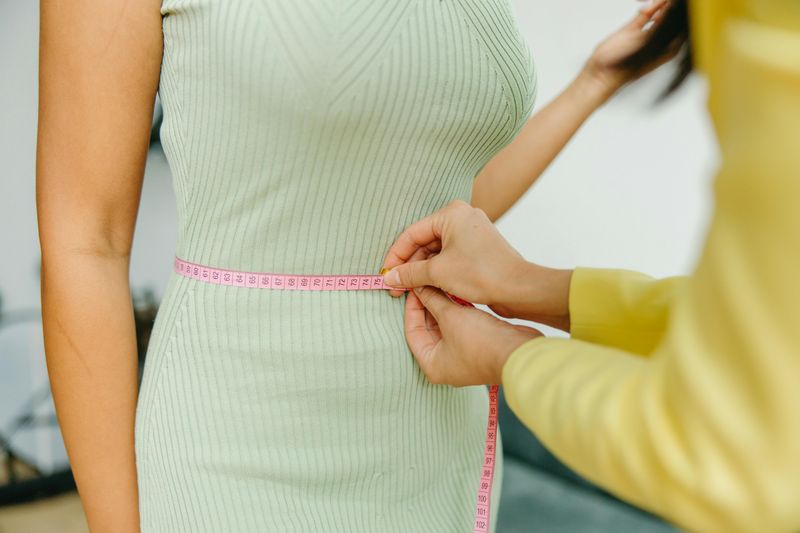
Fit is everything — and this truth becomes even more important after 50.
A dress that’s too baggy swamps your frame and hides your shape entirely.
One that’s too tight pulls, bunches, and draws attention to areas you’d prefer to minimize.
Neither extreme does you any favors.
Bodies change over time, and off-the-rack sizing rarely accounts for those nuances.
A small investment in alterations can transform an average dress into something that looks custom-made and completely flattering.
Before any wedding, try your outfit on well in advance and walk, sit, and move around in it.
If anything pulls, gaps, or hangs wrong, a skilled tailor can fix it quickly.
Well-fitted clothing always looks more expensive and more elegant than the price tag suggests.
9. Overly Casual Outfits
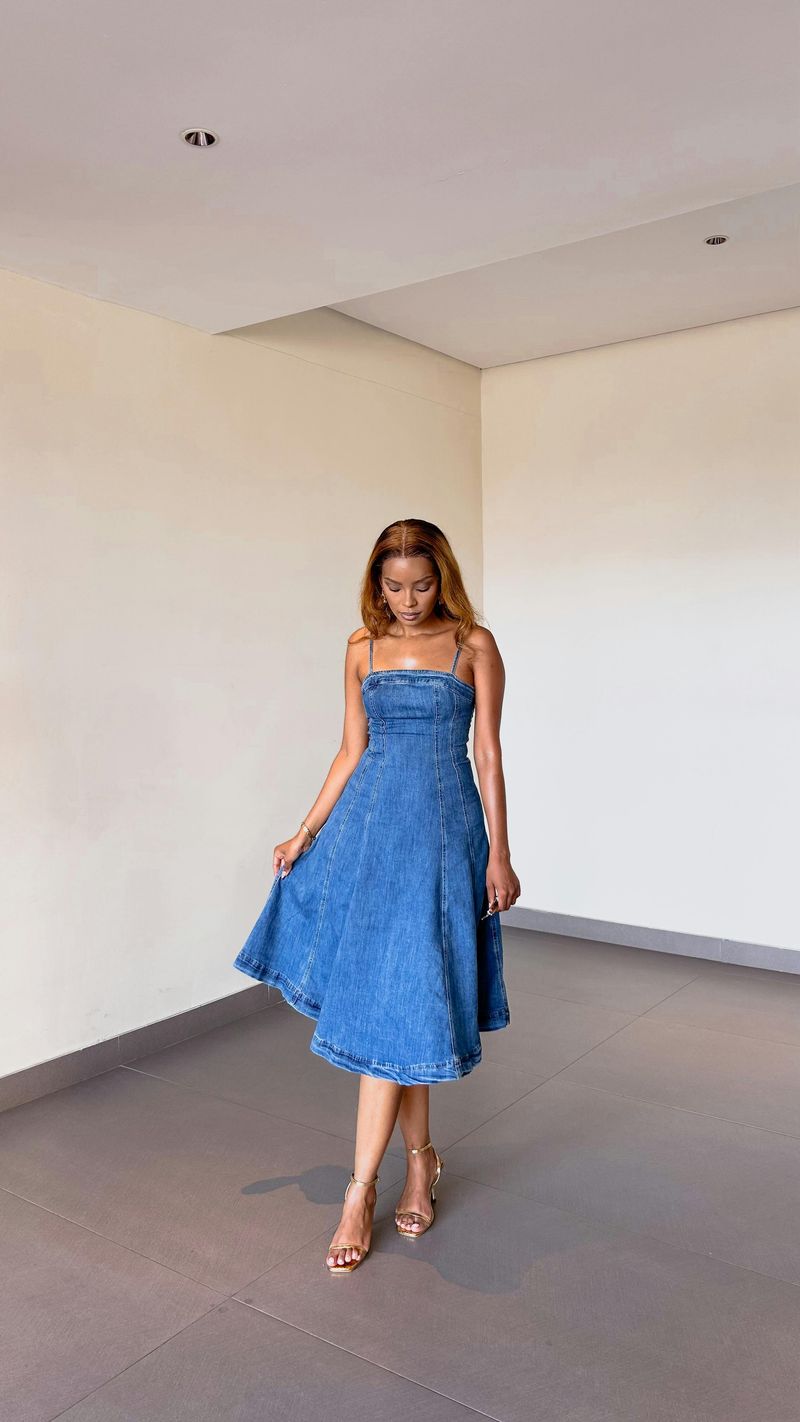
Denim at a wedding — unless the couple has specifically said “come as you are” — sends a signal that you didn’t take the occasion seriously.
Athleisure falls into the same category.
Weddings are celebrations, and the dress code usually calls for something a step or two above everyday casual wear.
After 50, erring on the side of slightly overdressed is almost always the smarter choice.
A tailored pantsuit, a flowy midi dress, or an elegant skirt-and-blouse combination all strike the right balance between relaxed and refined.
When in doubt, check the invitation for dress code cues.
Even a casual outdoor wedding usually means smart casual — not your weekend errands look.
Dressing with intention shows respect for the couple and their big day.
10. Outdated Silhouettes
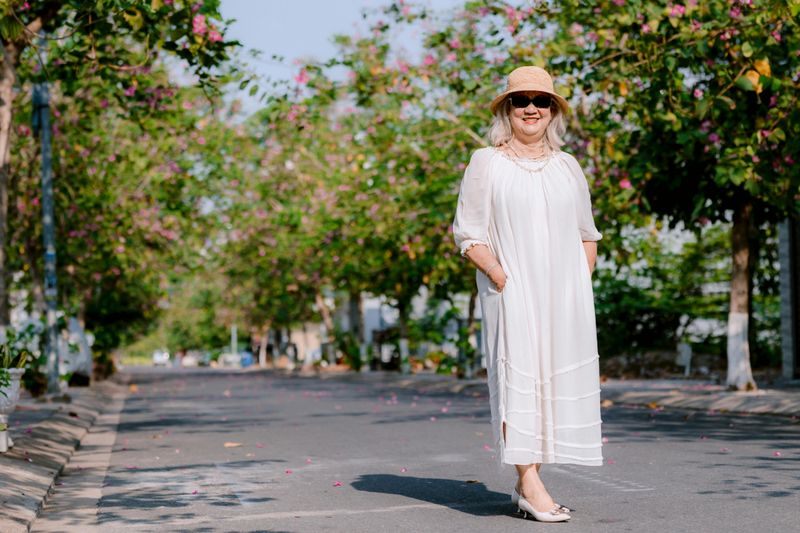
Fashion cycles are real, and silhouettes that felt current twenty years ago can now make an outfit look unintentionally dated.
Overly boxy cuts that swallow your frame, exaggerated shoulder pads, or stiff formalwear shapes from decades past can age your overall appearance rather than enhance it.
Updating your silhouette doesn’t mean chasing trends — it simply means choosing shapes that feel modern and flattering for today.
Fluid A-lines, softly tailored column dresses, and wrap styles all work beautifully across a wide range of body types and ages.
A quick scroll through current style inspiration can help you spot what feels fresh versus what reads as a time capsule.
Small updates to silhouette make a surprisingly big difference in how polished and current your whole look feels.