 MomSkoop
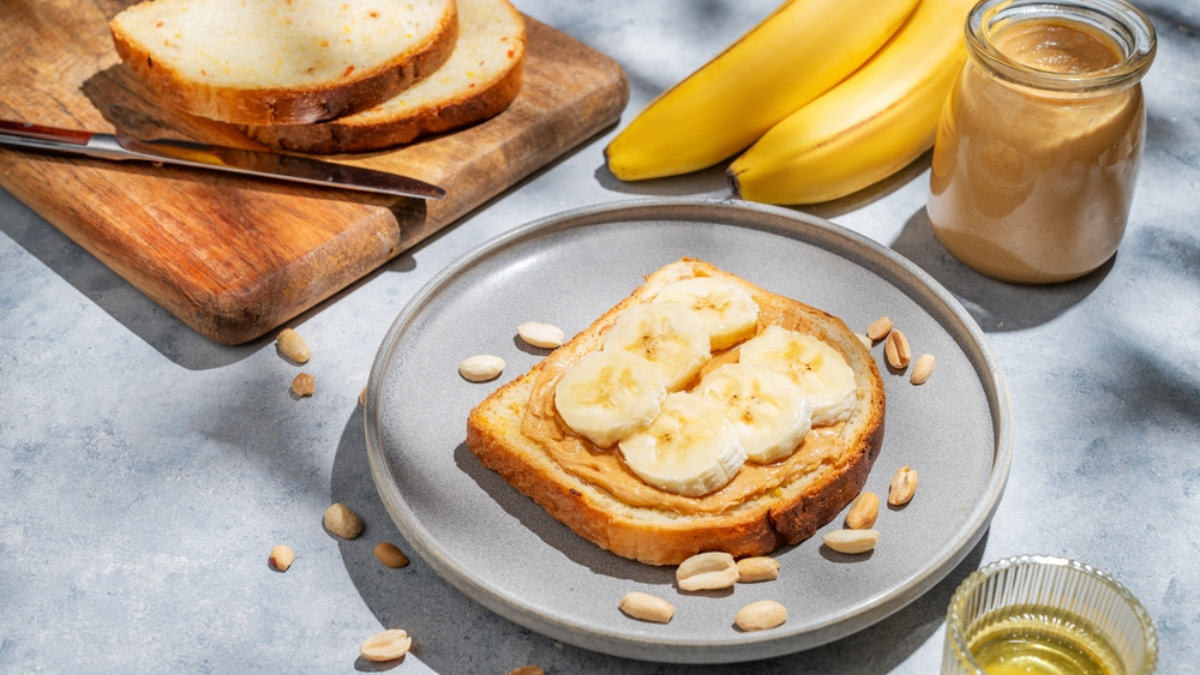
Eating healthy does not have to drain your wallet. Many people think nutritious food is expensive, but some of the best foods for your body are surprisingly affordable.
With a little know-how, you can fill your cart with items that fuel your body without breaking the bank. Here are 11 grocery staples that nutritionists love, and your budget will, too.
1. Canned Chickpeas
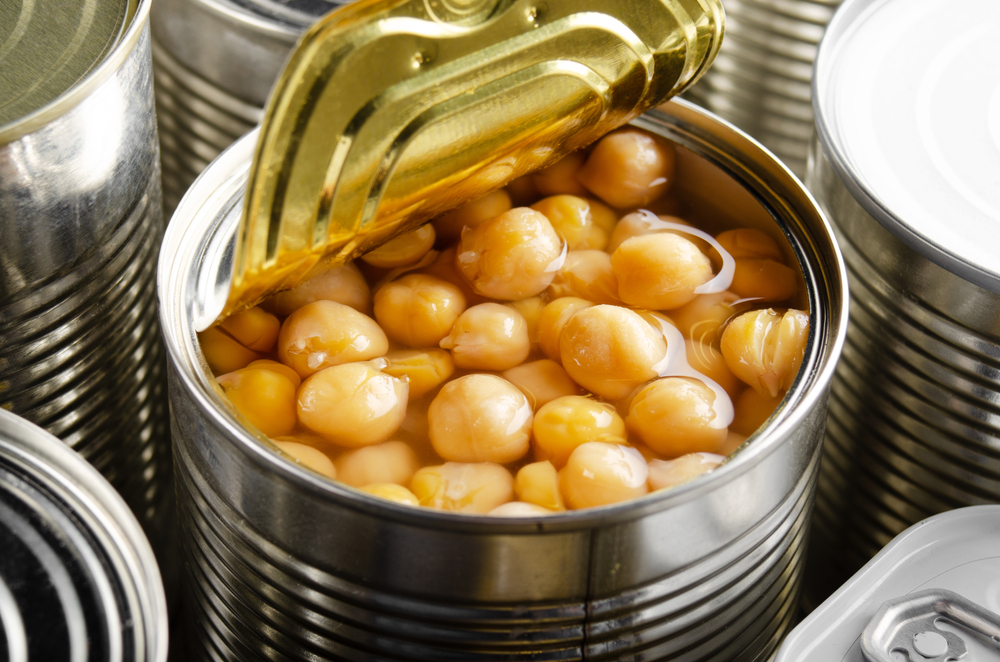
Chickpeas might just be the most underrated superstar in the grocery aisle.
At under a dollar per can, they pack a serious punch of protein and fiber that keeps you full for hours.
Nutritionists love them because they support healthy digestion and help stabilize blood sugar levels.
You can toss them in salads, blend them into hummus, or roast them for a crunchy snack.
One can gives you multiple servings, making the cost per meal incredibly low.
They also store well in your pantry, so stocking up is always a smart move.
2. Frozen Spinach
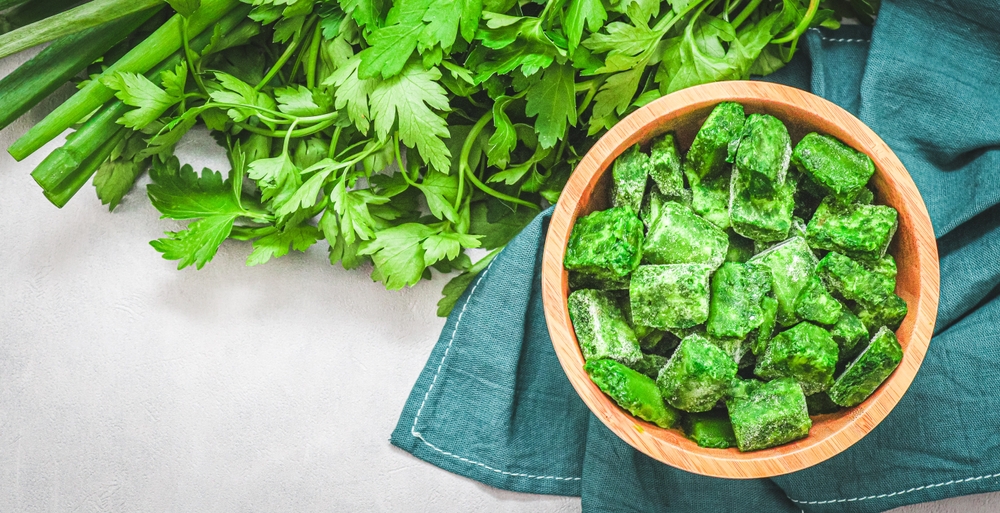
Forget fresh spinach wilting in your fridge by Wednesday.
Frozen spinach is flash-frozen at peak ripeness, which actually locks in more nutrients than the fresh version sitting on store shelves.
A bag costs around one dollar and can last months in your freezer.
Nutritionists point out that it is loaded with iron, calcium, and vitamins A and K, all essential for bone and immune health.
Stir it into pasta sauce, soups, or morning smoothies without much effort.
It is one of those no-brainer swaps that makes healthy eating almost effortless.
3. Brown Rice
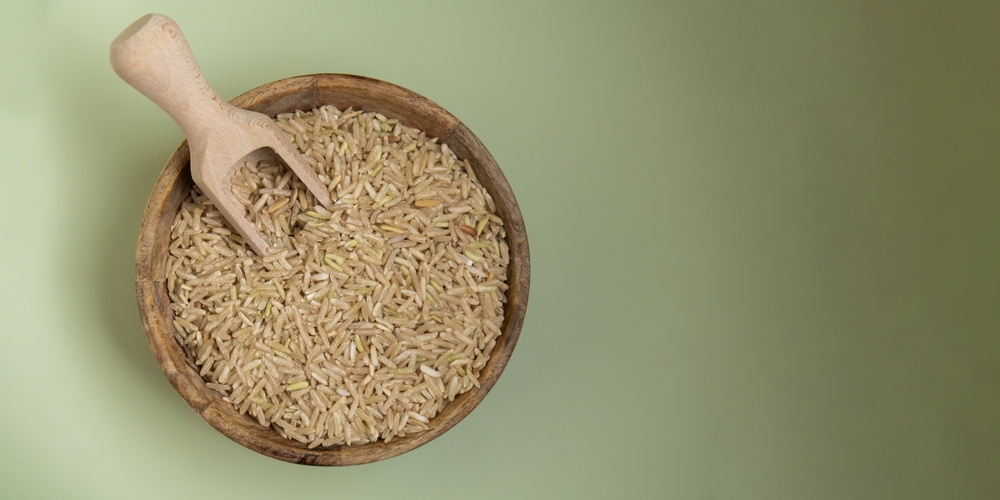
A five-pound bag of brown rice can cost as little as two dollars, yet it feeds a family for weeks.
Unlike white rice, the brown variety keeps its outer bran layer intact, which means more fiber, more magnesium, and a slower energy release that keeps you going longer.
Nutritionists frequently recommend it as a base for balanced meals because it pairs beautifully with vegetables, beans, and lean proteins.
Cooking a big batch at the start of the week saves time and money.
Brown rice is proof that simple, whole foods are often the most powerful ones.
4. Eggs
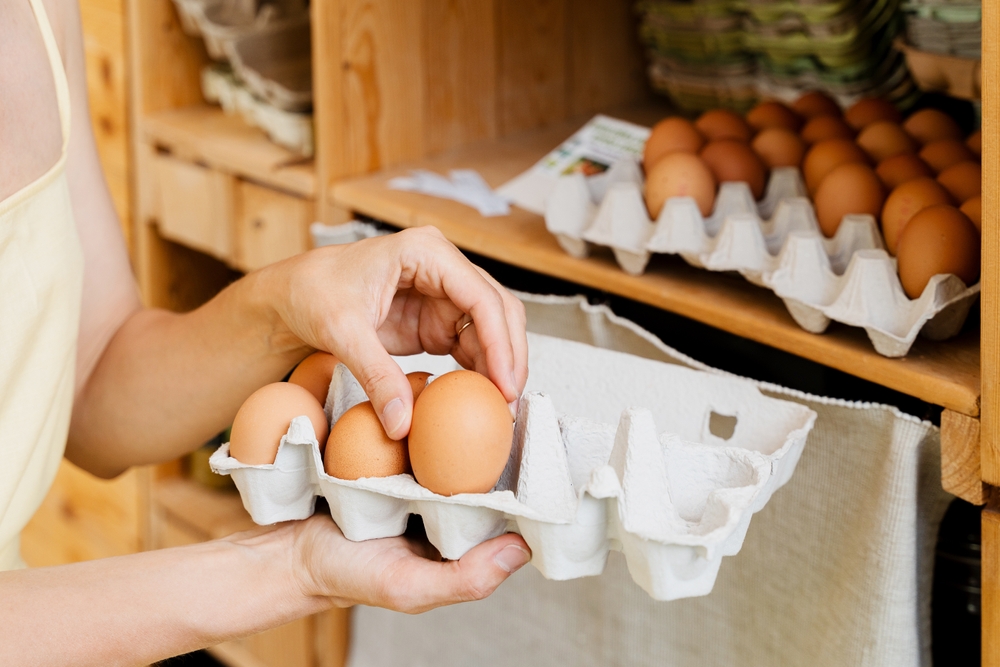
Few foods match the egg when it comes to nutritional value per penny spent.
Each egg delivers high-quality protein, healthy fats, and a lineup of vitamins including B12, D, and choline, which supports brain function.
Nutritionists often call eggs a complete food because they contain all nine essential amino acids your body needs.
A dozen eggs typically costs between two and three dollars, giving you twelve satisfying meals or snacks at a fraction of what meat would cost.
Scrambled, boiled, poached, or baked into muffins, eggs adapt to almost any meal without complaint.
5. Oats
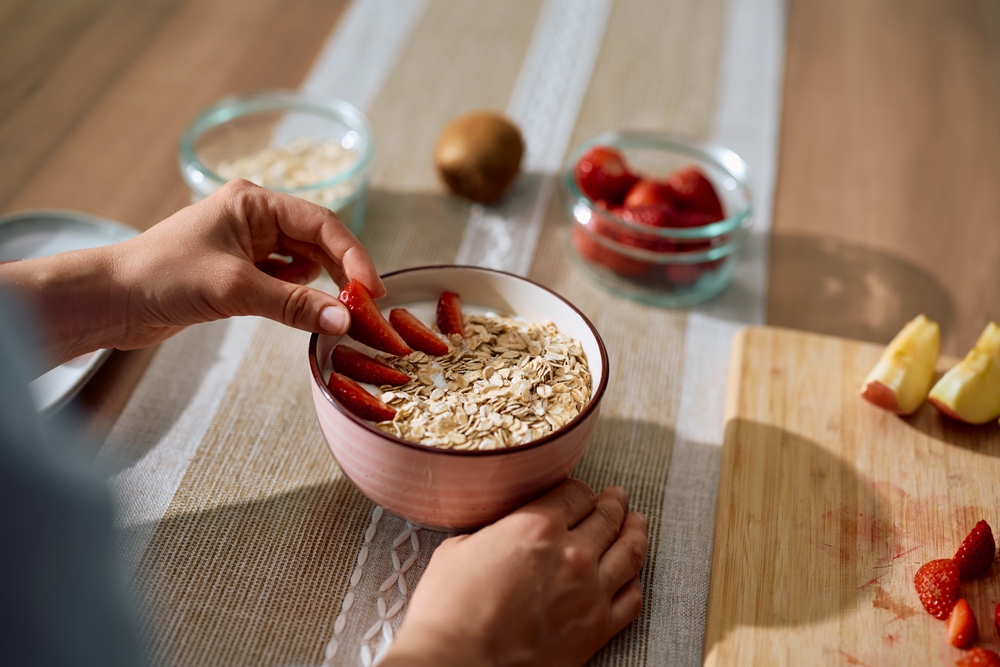
Did you know a large canister of rolled oats can cost under four dollars and provide nearly thirty servings?
That works out to just pennies per breakfast, making oats one of the most economical choices in the store.
Nutritionists rave about oats because they contain beta-glucan, a type of fiber proven to lower cholesterol and keep blood sugar steady.
They are also incredibly filling, which means fewer mid-morning cravings sneaking up on you.
Overnight oats, warm porridge, or blended into smoothies, oats are endlessly flexible and genuinely good for your heart and gut.
6. Canned Tuna

Canned tuna is the kind of pantry hero that never gets enough credit.
For about one dollar per can, you get a solid serving of lean protein and omega-3 fatty acids, which nutritionists link to better heart health and reduced inflammation.
It requires zero cooking and is ready to eat straight from the can, making it perfect for busy weekdays.
Mix it with a little olive oil and lemon for a quick lunch, or layer it onto whole grain crackers for a satisfying snack.
Tuna also stores for years, so buying in bulk always pays off.
7. Bananas

Bananas are practically the mascot of budget-friendly nutrition.
At roughly twenty cents each, they offer a quick energy boost thanks to natural sugars, plus a good dose of potassium that supports healthy muscles and blood pressure.
Nutritionists also highlight their resistant starch content, especially in slightly underripe bananas, which feeds the good bacteria in your gut.
They come in their own packaging, require no prep, and travel easily in a backpack or lunch bag.
Freeze overripe ones for smoothies or homemade banana ice cream.
Rarely does something this cheap taste this naturally sweet.
8. Lentils
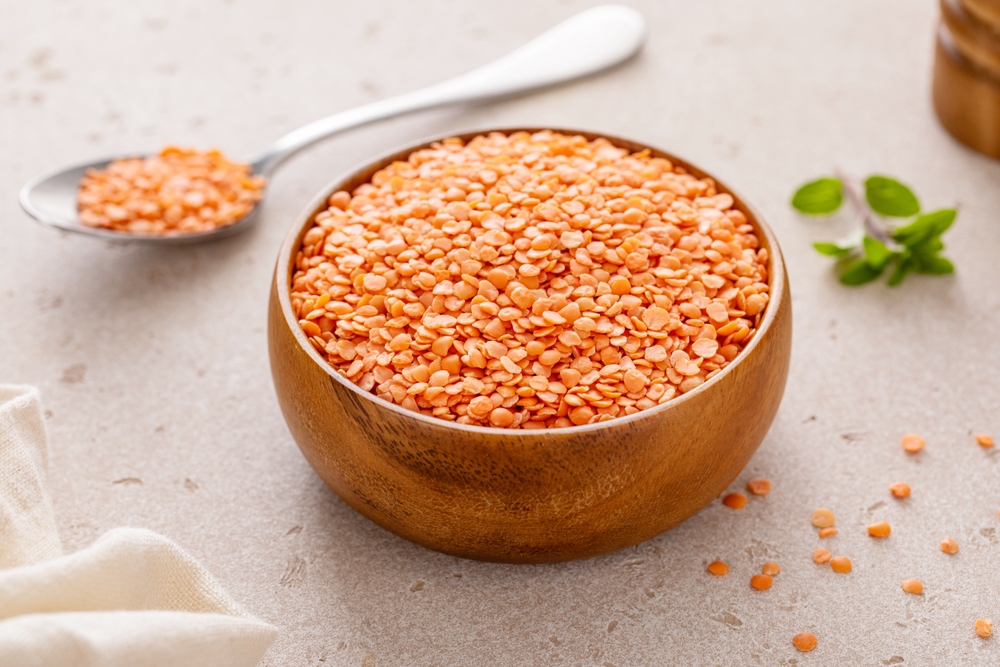
Lentils have been feeding people around the world for thousands of years, and for good reason.
A one-pound bag costs about one to two dollars and can make enough soup or stew to last several days.
They are loaded with plant-based protein, folate, and iron, nutrients that nutritionists say are essential for energy and cell repair.
Unlike dried beans, lentils do not require soaking overnight, so they cook up in under thirty minutes on a weeknight.
Red lentils melt into creamy soups, while green ones hold their shape well in grain bowls and salads.
9. Plain Greek Yogurt
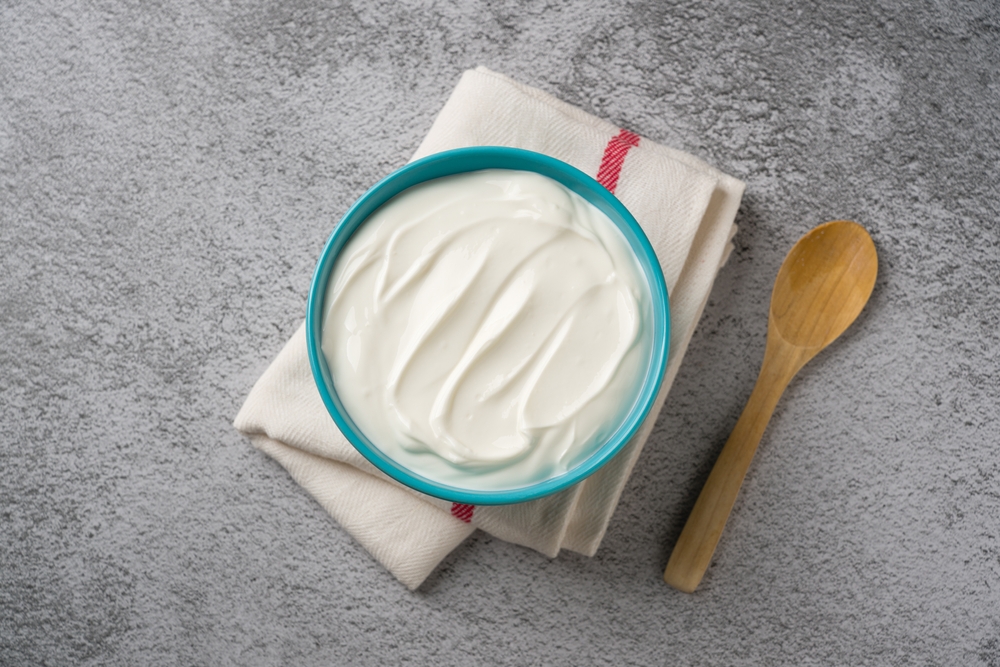
Thick, tangy, and surprisingly filling, plain Greek yogurt earns its spot on nutritionists’ approved lists without hesitation.
A large tub costs around five dollars and provides multiple servings packed with protein and probiotics that support a healthy gut.
Unlike flavored varieties, the plain version skips the added sugars that can quietly sabotage a healthy diet.
Sweeten it yourself with a little honey or fresh fruit for full control over what goes in.
It works as a breakfast, a snack, or even a substitute for sour cream in savory recipes.
Versatile and genuinely nourishing, it earns every penny.
10. Sweet Potatoes
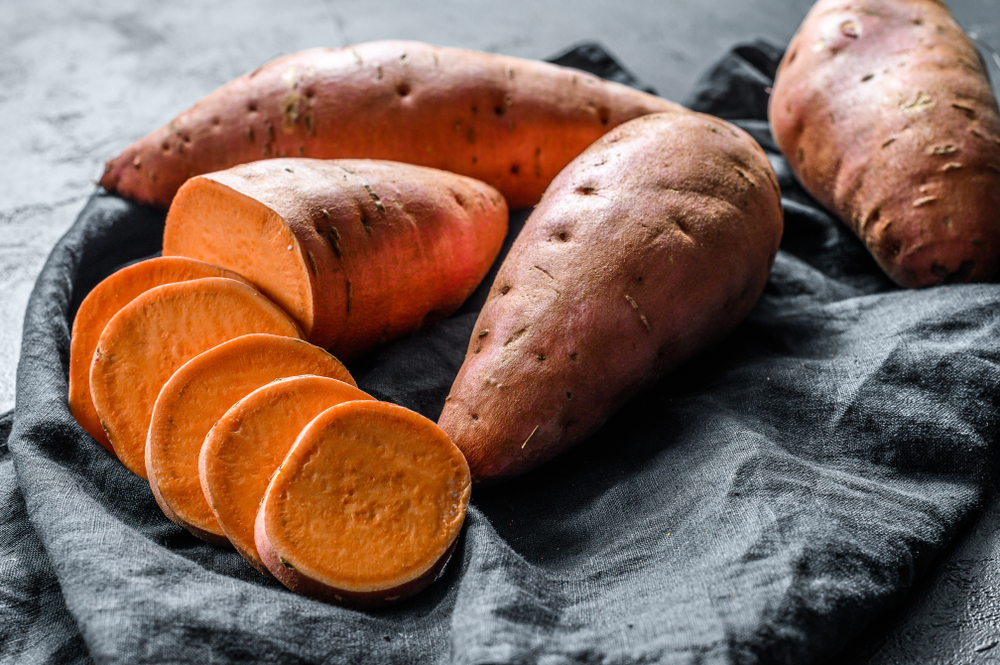
Sweet potatoes wear their nutrition proudly in that vivid orange color.
The pigment comes from beta-carotene, an antioxidant your body converts into vitamin A, which is critical for eye health and immune function.
At roughly one dollar per pound, they are one of the most nutrient-dense foods you can buy at any price point.
Nutritionists love that they also deliver potassium, fiber, and vitamin C in a single, naturally sweet package.
Bake them whole for an easy side dish, mash them for comfort food vibes, or slice them into wedges and roast until caramelized and golden.
11. Peanut Butter
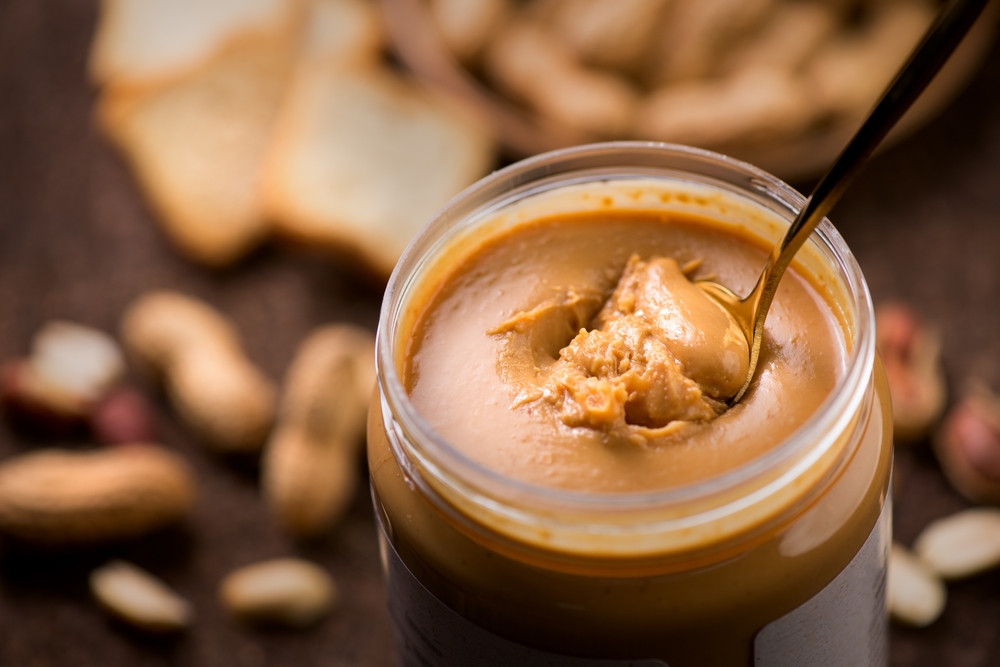
Few things in the grocery store offer as much satisfaction per dollar as a jar of natural peanut butter.
Creamy or crunchy, it delivers healthy monounsaturated fats, protein, and vitamin E in every spoonful, nutrients that support heart health and long-lasting energy.
Nutritionists recommend choosing varieties with just peanuts and salt on the ingredient list, skipping the added sugars and oils found in many popular brands.
A sixteen-ounce jar typically costs under four dollars and lasts weeks even with daily use.
Spread it on toast, blend it into smoothies, or eat it straight off the spoon.
No judgment here.