 MomSkoop

Getting older comes with a lot of wisdom, experience, and hard-earned perspective — but it can also bring along some sneaky habits that quietly chip away at your confidence. After 50, many people find themselves holding back, second-guessing, or playing it small in ways they never even notice.
The good news is that once you spot these confidence killers, you can start leaving them behind for good. Here are 11 things worth dropping so you can step into this next chapter feeling stronger and more sure of yourself than ever.
1. Comparing Yourself to Others

Scrolling through social media and feeling like everyone else has it more together?
That comparison trap is one of the fastest ways to drain your confidence dry.
Younger faces, highlight reels, and curated success stories were never meant to be your measuring stick.
By your 50s, you have something no filter can fake: real experience.
You have navigated setbacks, built relationships, and developed skills that took years to sharpen.
That is not something a 30-year-old can replicate overnight.
Start measuring your progress against your own past, not someone else’s present.
Your journey has its own timeline, and that timeline is worth respecting.
2. Apologizing for Existing
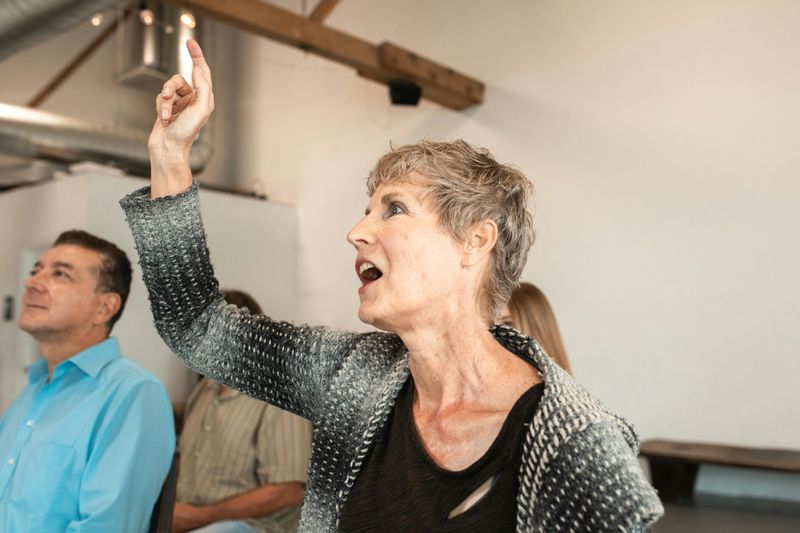
“Sorry, just a quick thought…” Sound familiar?
Over-apologizing is such a common habit that most people do not even realize they are doing it.
But every unnecessary “sorry” quietly signals to the room — and to yourself — that your voice does not quite belong there.
Replacing that reflex with clear, direct statements takes practice, but the payoff is real.
You start taking up the space you have always deserved.
People listen differently when you speak with ownership rather than apology.
Try this: before your next meeting or conversation, commit to one full sentence without a sorry attached.
Notice how differently it lands.
3. Believing It Is Too Late

Here is a myth worth retiring: the idea that opportunity has an expiration date stamped somewhere around your 40th birthday.
It simply does not.
People launch businesses, write books, change careers, fall in love, and discover entirely new passions well into their 60s, 70s, and beyond.
Chronological age tells you how many years you have lived — nothing more.
It says nothing about your capacity to learn, adapt, or create something meaningful.
The “too late” belief is a story, and like any story, it can be rewritten.
What is one thing you have been putting off because of this myth?
That might be exactly where to start.
4. Neglecting Physical Well-Being
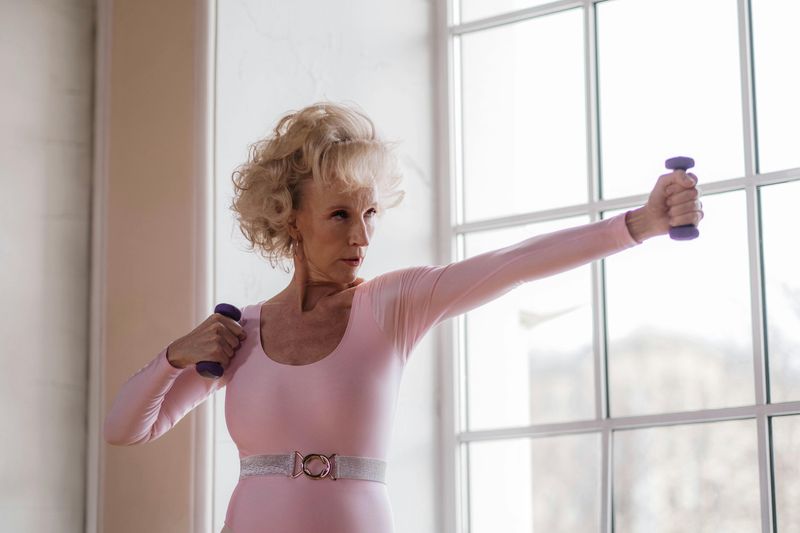
Energy is confidence.
When your body feels sluggish, stiff, or depleted, it is nearly impossible to project — or feel — your best.
Physical well-being is not about chasing a younger body; it is about fueling the life you actually want to live right now.
Strength training, regular movement, solid sleep, and decent nutrition work together to sharpen your thinking, lift your mood, and improve your posture.
All of those things affect how you carry yourself and how others perceive you.
You do not need a dramatic overhaul.
Even small, consistent changes — a daily walk, an earlier bedtime, more water — can shift your energy and your confidence significantly.
5. Clinging to Outdated Self-Images

“I am just not a tech person.” “I have never been good at networking.” These kinds of identity labels feel like facts, but they are really just old stories — often formed decades ago under completely different circumstances.
Who you were at 30 shaped you, but it does not have to define you at 55.
Clinging too tightly to a fixed self-image makes it harder to adapt, learn new skills, or step into roles that might actually suit the person you have become.
Growth requires a little flexibility about who you are.
Letting go of a rigid self-label is not losing yourself — it is making room for a more capable version of you.
6. Avoiding Technology

Avoiding new technology does not keep things simple — it slowly creates a gap between you and the rest of the world.
That gap tends to grow, and with it comes a creeping sense of dependency and insecurity that quietly chips away at confidence.
Digital literacy is not about becoming a programmer or a social media expert.
It is about staying capable and relevant in a world that keeps moving forward.
Every new tool you learn to use is a small but real confidence boost.
Start with one platform or app that connects to something you already care about.
Curiosity is a better teacher than pressure, and competence builds faster than most people expect.
7. Staying in Draining Relationships

Some relationships leave you feeling lighter.
Others leave you exhausted, dismissed, or constantly questioned.
After 50, tolerating the second kind is a choice — and it is one worth reconsidering.
Chronic criticism, one-sided effort, and dismissiveness are not just unpleasant.
Over time, they erode your sense of self-worth in ways that are hard to trace back to their source.
You start doubting yourself in rooms where those people are not even present.
Setting limits on what you will accept is not selfish or dramatic.
It is one of the most practical things you can do for your confidence.
The people around you shape how you see yourself — choose them thoughtfully.
8. Fear of Reinvention

Reinventing yourself can feel like standing at the edge of something unknown — exciting to some, terrifying to others.
But here is what that fear often misses: reinvention after 50 is not starting from scratch.
It is strategic repositioning using everything you have already built.
Your skills, values, and hard-won perspective are not erased by a career change or a personal rebrand.
They come with you.
In fact, they are often your biggest asset in whatever direction you choose next.
The discomfort of change is real, but it is temporary.
The regret of never trying tends to stick around a lot longer.
Reinvention is not a risk — it is a resource.
9. Internalizing Ageist Narratives
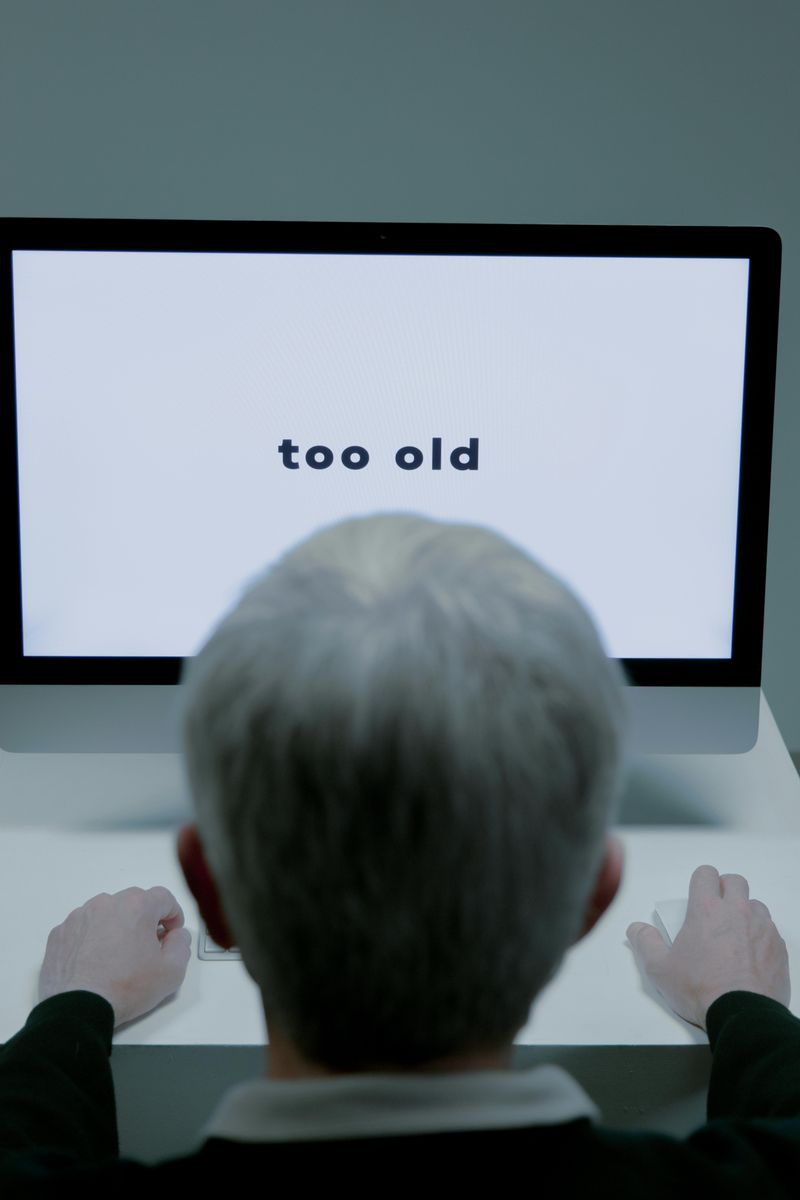
Culture sends a constant message that youth equals value — in workplaces, in advertising, in entertainment.
After decades of exposure, it is easy to absorb that message without even realizing it.
But absorbing it does not make it true.
Experience is not a consolation prize for getting older.
It compounds.
The older you get, the sharper your pattern recognition, the more nuanced your judgment, and the stronger your emotional intelligence tends to become.
Those are not small things — they are genuinely rare.
Rejecting ageist narratives is not denial; it is accuracy.
You are not less valuable because of your age.
You are differently valuable — and often more so than you give yourself credit for.
10. Dressing or Presenting as Invisible

There is a quiet phenomenon that happens to some people after 50 — they start dressing to disappear.
Muted colors, shapeless fits, nothing that draws attention.
It feels safe, but it sends a signal — to others and to yourself — that you are stepping back rather than stepping up.
Appearance influences perception in ways that are hard to ignore.
Updating how you present yourself does not mean chasing trends or spending a fortune.
It means dressing in a way that reflects who you actually are right now, not who you used to be.
When you look intentional, you tend to feel intentional.
That internal shift is real, and it shows up in how you carry yourself every single day.
11. Dismissing Your Own Voice
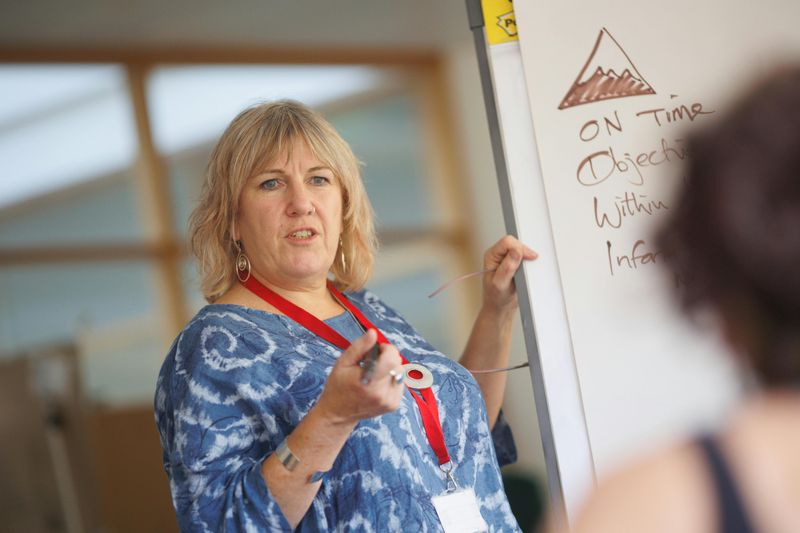
Staying quiet in meetings, softening your opinions to avoid conflict, holding back in family conversations — these habits might feel polite, but they come at a cost.
Every time you silence yourself, you reinforce the idea that your perspective does not quite matter.
It does matter.
By this point in your life, your views are backed by decades of real experience, real mistakes, and real wins.
That kind of grounded insight is exactly what most conversations need more of.
Speaking up does not require being loud or aggressive.
It just requires showing up honestly.
Start small if you need to — one clear opinion, one room at a time.
Your voice deserves to be heard.