 MomSkoop
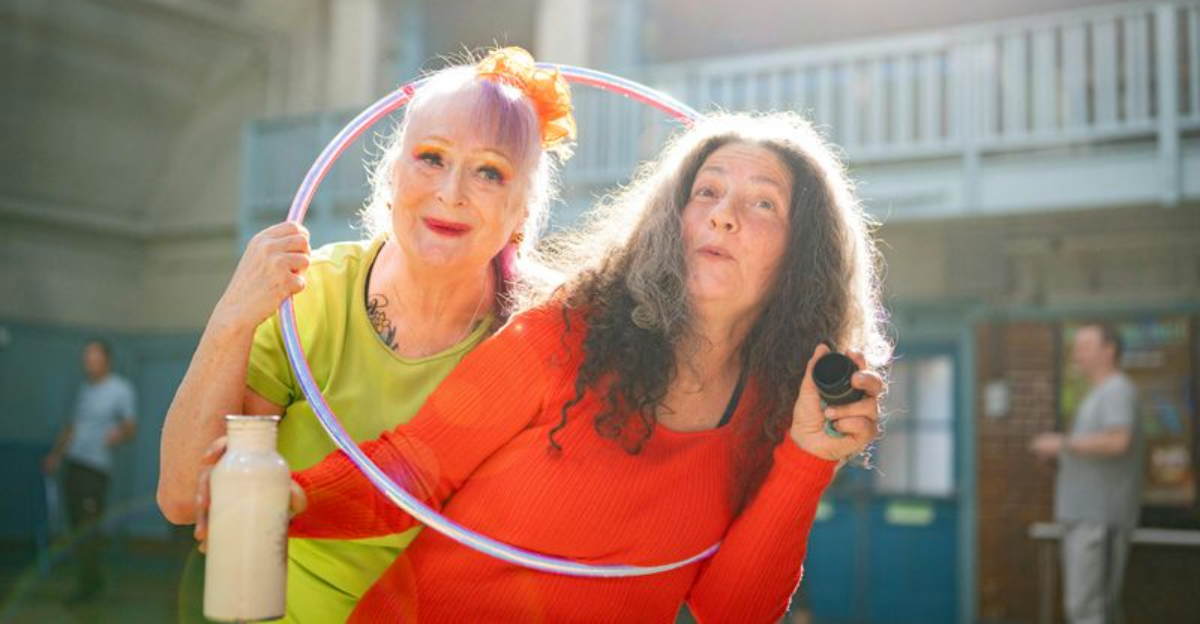
Growing older doesn’t mean losing your spark. The happiest people over 60 share simple, daily habits that keep their minds sharp, their hearts light, and their energy alive.
These aren’t complicated routines—just small, intentional choices that add up to a life full of joy, connection, and purpose.
1. They Move Their Bodies Gently—But Consistently
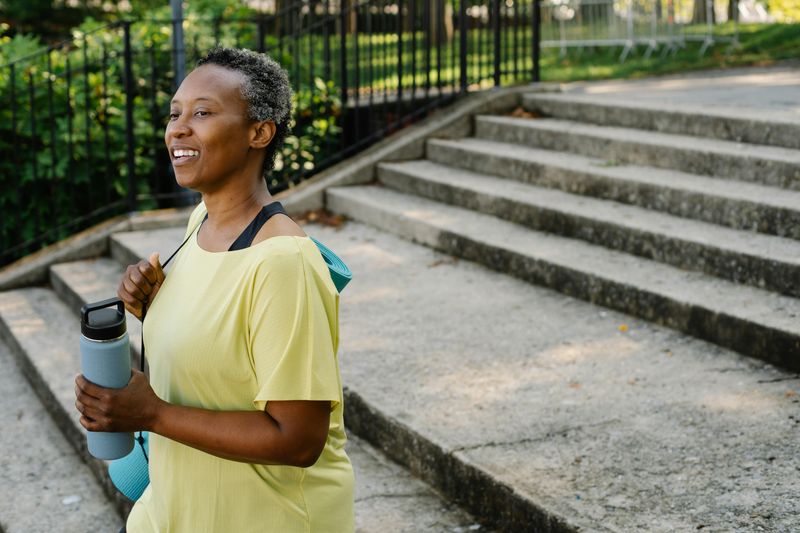
Movement doesn’t have to mean marathon training or heavy gym sessions.
Walking around the neighborhood, stretching in the living room, or swimming a few laps at the local pool keeps blood flowing and muscles active.
Light strength training with small weights or resistance bands helps maintain balance and independence.
Consistency matters more than intensity.
When movement becomes part of the daily rhythm, it never feels like a chore.
Energy stays high, joints stay flexible, and the body responds with gratitude instead of burnout.
Physical activity also lifts mood naturally.
Endorphins kick in, stress drops, and sleep improves—all without pushing too hard or risking injury.
2. They Maintain at Least One Meaningful Daily Connection
Loneliness is one of the biggest threats to happiness at any age.
That’s why the happiest seniors make connection a non-negotiable part of their day.
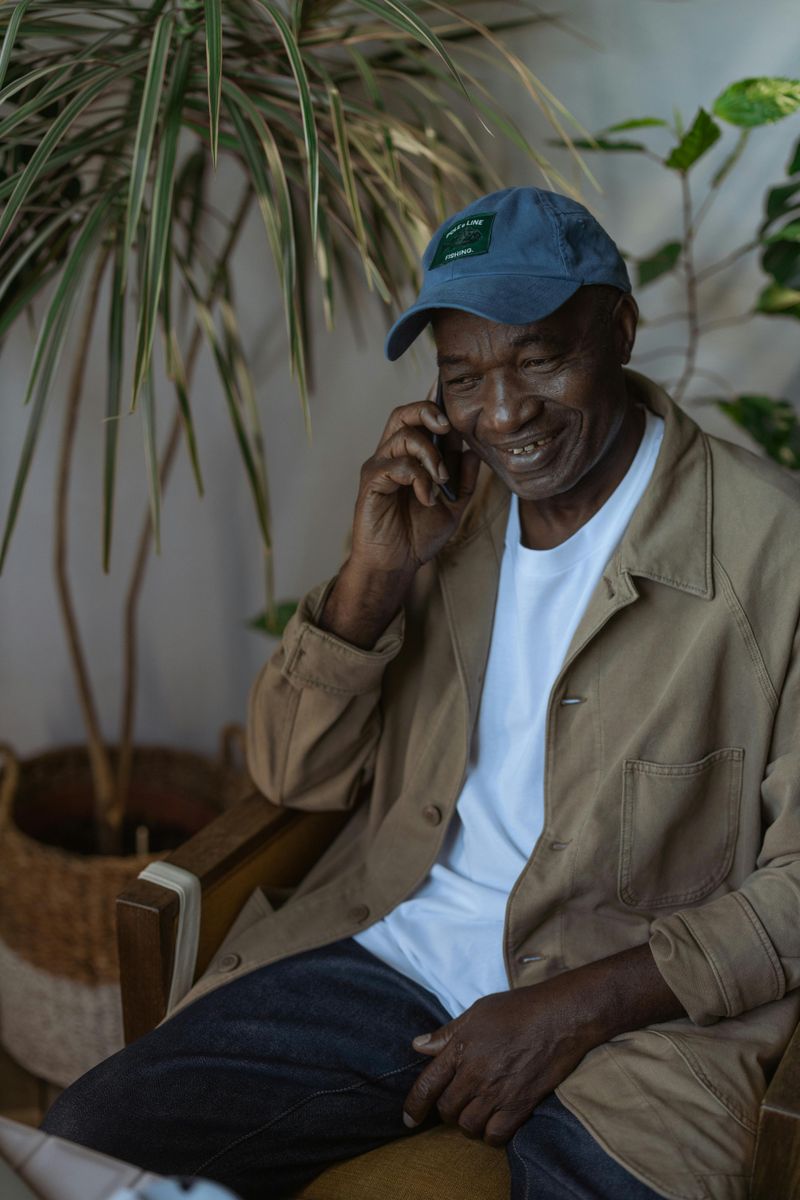
A quick phone call to a friend, a text message to a grandchild, or a short chat with a neighbor keeps isolation at bay.
These moments don’t need to be long or deep every time.
Sometimes it’s just checking in, sharing a laugh, or talking about the weather.
What matters is the consistency and the warmth behind it.
Social connection boosts mental health, lowers stress, and even strengthens the immune system.
Feeling seen and heard by someone else reminds us we matter—and that feeling is priceless.
3. They Wake Up With a Reason, Not Just a Routine
Purpose gives the day direction.
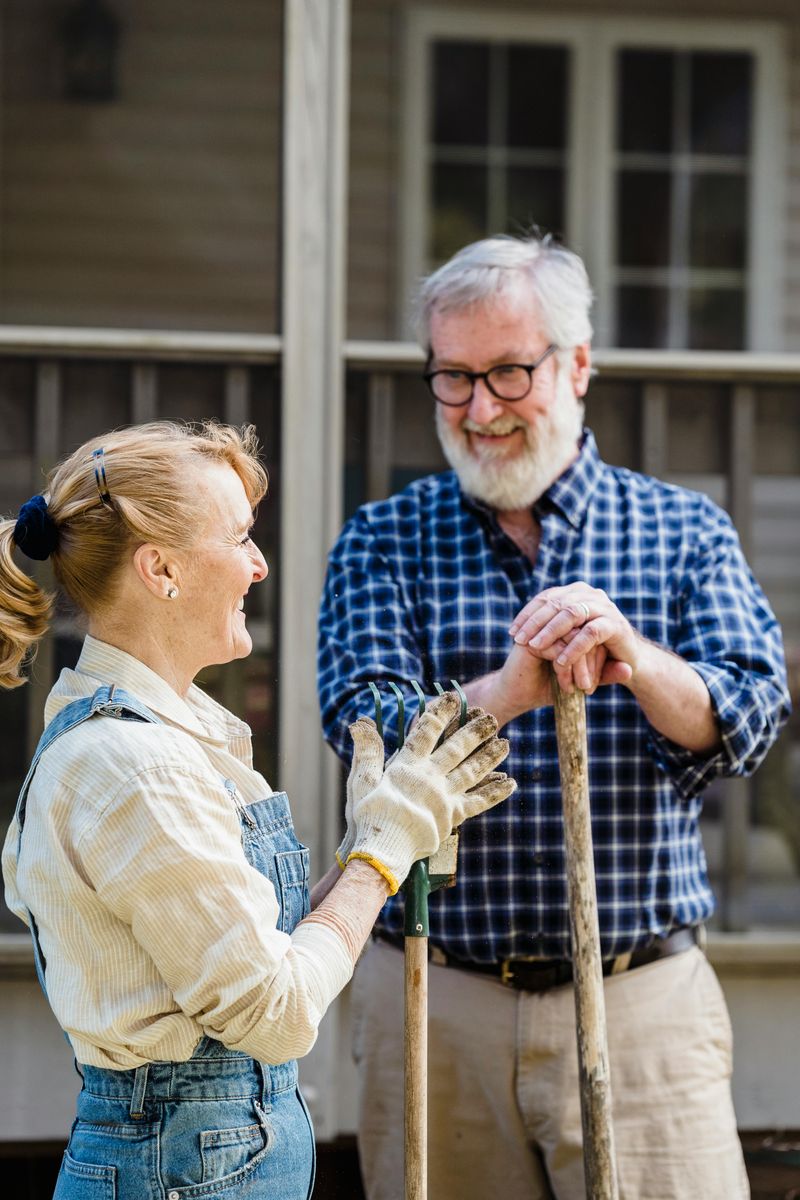
It doesn’t have to be grand—maybe it’s tending a garden, volunteering at the library, or writing letters to old friends.
Having something to look forward to creates emotional momentum that carries through the entire day.
Without purpose, mornings can feel empty or aimless.
But when there’s a reason to get up, even a small one, everything shifts.
The mind stays engaged, and the heart stays full.
Purpose also protects against depression and cognitive decline.
It keeps people curious, motivated, and connected to the world around them.
Big or small, it makes all the difference.
4. They Protect Their Sense of Curiosity

Curiosity is the secret ingredient to staying mentally young.
Reading books, learning new skills, or simply asking questions about the world keeps the brain flexible and engaged.
It’s not about being the smartest person in the room—it’s about staying interested in life.
Some take online classes, others pick up hobbies like painting or cooking.
Some watch documentaries or join discussion groups at the community center.
The method doesn’t matter as much as the mindset.
When curiosity fades, so does mental sharpness.
But when it stays alive, the mind remains agile, adaptable, and open.
That’s the kind of youthfulness no wrinkle cream can offer.
5. They Laugh Every Day—On Purpose
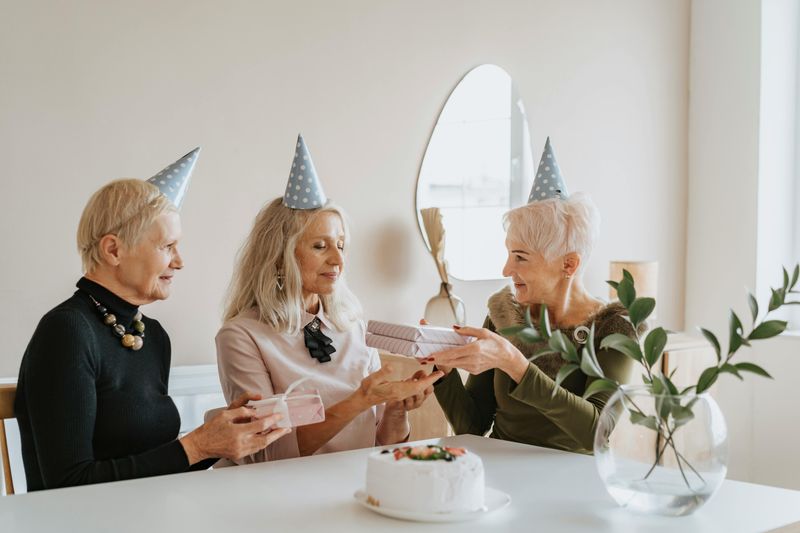
Laughter isn’t just fun—it’s medicine.
It lowers stress hormones, boosts the immune system, and releases feel-good chemicals in the brain.
The happiest seniors don’t wait for humor to find them; they seek it out intentionally.
Maybe it’s watching a favorite sitcom, swapping jokes with friends, or remembering funny moments from the past.
Some keep a collection of cartoons or silly videos on their phone.
Others find joy in playful banter with loved ones.
Humor builds emotional resilience.
It softens hard days and makes good days even better.
Finding something to laugh about each day is a simple habit with powerful effects.
6. They Spend Time Outdoors, Even Briefly
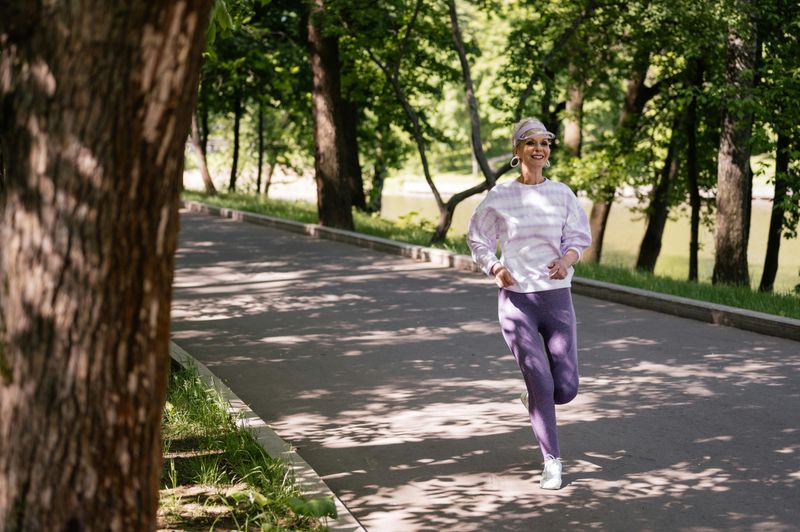
Fresh air and sunlight are natural mood boosters.
Even a short walk around the block or sitting on the porch with a cup of tea can reset the nervous system.
Nature has a way of calming the mind and lifting the spirit.
Sunlight helps regulate circadian rhythms, which means better sleep at night.
It also provides vitamin D, which supports bone health and immune function.
Just ten or fifteen minutes outside can make a noticeable difference.
Being outdoors also offers a change of scenery.
It breaks up the monotony of indoor routines and invites a sense of freedom and possibility that’s hard to find between four walls.
7. They Don’t Rush Their Mornings

Rushing creates stress before the day even begins.
The happiest seniors give themselves time to wake up slowly, enjoy breakfast, and ease into the day.
There’s no frantic scrambling or constant clock-watching—just calm, intentional moments.
A slow morning might include sipping coffee while watching the birds, doing gentle stretches, or journaling for a few minutes.
These small rituals create a sense of peace that carries through the rest of the day.
Starting the day calmly improves emotional regulation and decision-making.
It sets a positive tone that makes challenges easier to handle and joys easier to appreciate.
Mornings matter more than most people realize.
8. They Eat in a Way That Feels Nourishing, Not Restrictive

Food should bring pleasure, not stress.
The happiest seniors eat balanced meals that make them feel good—plenty of vegetables, lean proteins, whole grains, and healthy fats.
But they also enjoy treats without guilt or obsession.
Mindful eating matters more than strict diets.
Paying attention to hunger cues, savoring flavors, and eating at a comfortable pace all contribute to better digestion and satisfaction.
Food becomes fuel and joy, not a battleground.
Restrictive eating often backfires, leading to frustration and unhealthy relationships with food.
A nourishing approach honors the body’s needs while still leaving room for birthday cake and holiday dinners.
9. They Practice Gratitude in Small, Real Ways

Gratitude doesn’t have to be complicated or forced.
It’s not about pretending everything is perfect—it’s simply noticing what went right.
Maybe it’s a good conversation, a sunny afternoon, or a meal that tasted especially good.
Some people keep a gratitude journal, jotting down a few things each evening.
Others just pause for a moment before bed to mentally review the day’s highlights.
The method is less important than the mindset.
Practicing gratitude rewires the brain to notice positive moments more easily.
Over time, it builds optimism and resilience.
Life still has its challenges, but gratitude helps balance the scale.
10. They Stay Useful to Others

Feeling needed gives life meaning.
Whether it’s mentoring a younger colleague, babysitting grandchildren, or volunteering at a food bank, helping others creates a sense of relevance and vitality that’s hard to find elsewhere.
Being useful doesn’t mean overextending or sacrificing personal needs.
It’s about contributing in ways that feel natural and fulfilling.
Even small acts—like offering advice or lending a hand—make a difference.
Helping others also boosts self-esteem and reduces feelings of isolation.
It reminds us that we still have something valuable to offer.
That sense of purpose keeps the heart young and the spirit strong.
11. They Let Go of What No Longer Serves Them
Age brings perspective.
The happiest seniors have learned to release old grudges, unnecessary stress, and harsh self-judgment.
They don’t waste energy on things they can’t control or people who drain their peace.
Letting go isn’t easy, but it gets lighter with practice.
It means forgiving past mistakes, setting boundaries, and choosing peace over being right.
Wisdom teaches that holding on too tightly only creates suffering.
This habit frees up mental and emotional space for what truly matters—joy, connection, and presence.
Life becomes simpler, lighter, and more enjoyable when the unnecessary baggage is left behind.