 MomSkoop

Growing up being told to always be polite sounds like great advice, and in many ways it is. But for people who took that lesson to heart, life eventually taught some hard truths that no one warned them about.
Constant politeness, without balance, can quietly cost you your confidence, your voice, and even your relationships. These are the lessons that many overly polite people had to learn the difficult way.
1. Not Everyone Deserves Your Politeness

Some people see a kind, polite person and immediately think, easy target.
It sounds harsh, but experience teaches this lesson quickly.
Not every person you meet will respect your warmth or return it honestly.
Certain individuals interpret consistent politeness as a lack of confidence or willpower.
They push boundaries, ask for more, and rarely give back.
Recognizing this pattern early can save you a lot of frustration and wasted energy.
Politeness is a gift, not a rule you owe everyone.
Learning to read the room and adjust how you treat people based on how they treat you is not rude.
It is simply smart self-protection.
2. Saying Yes to Everything Leads to Burnout

There is a certain kind of exhaustion that comes not from hard work, but from always agreeing to things you never truly wanted to do.
Polite people often say yes automatically, almost as a reflex, because saying no feels uncomfortable or even selfish.
Over time, that habit fills your schedule with other people’s priorities and leaves no room for your own.
Burnout creeps in quietly, disguised as helpfulness.
Learning to pause before answering, and actually asking yourself if you want to do something, changes everything.
A thoughtful no is far healthier than a resentful yes.
Your time and energy are limited, and you get to decide how they are spent.
3. Boundaries Earn More Respect Than Endless Niceness

Here is something that surprises a lot of people: being endlessly nice does not always make others respect you more.
In fact, it can do the opposite.
When people never see you push back or say no, they may start to see you as a pushover rather than a person with values.
Boundaries communicate self-worth.
They tell others what you will and will not accept, and that clarity actually builds stronger relationships than constant agreement ever could.
Setting a boundary does not mean being cold or unfriendly.
You can be warm and firm at the same time.
People tend to treat you the way you silently teach them to, so teach them well.
4. Avoiding Conflict Can Make Problems Worse

Polite people often have a deep discomfort with conflict.
Disagreements feel rude, confrontation feels aggressive, and so the easier path is to stay quiet and hope things smooth over on their own.
Spoiler: they usually do not.
Unaddressed problems have a way of growing.
Small frustrations become resentments, misunderstandings turn into lasting damage, and relationships quietly fall apart because nobody was willing to have an honest conversation.
Healthy conflict is not about being mean or aggressive.
It is about caring enough to work through something difficult together.
Speaking up when something is wrong is an act of respect, both for yourself and for the other person involved.
5. Your Feelings Matter Just as Much
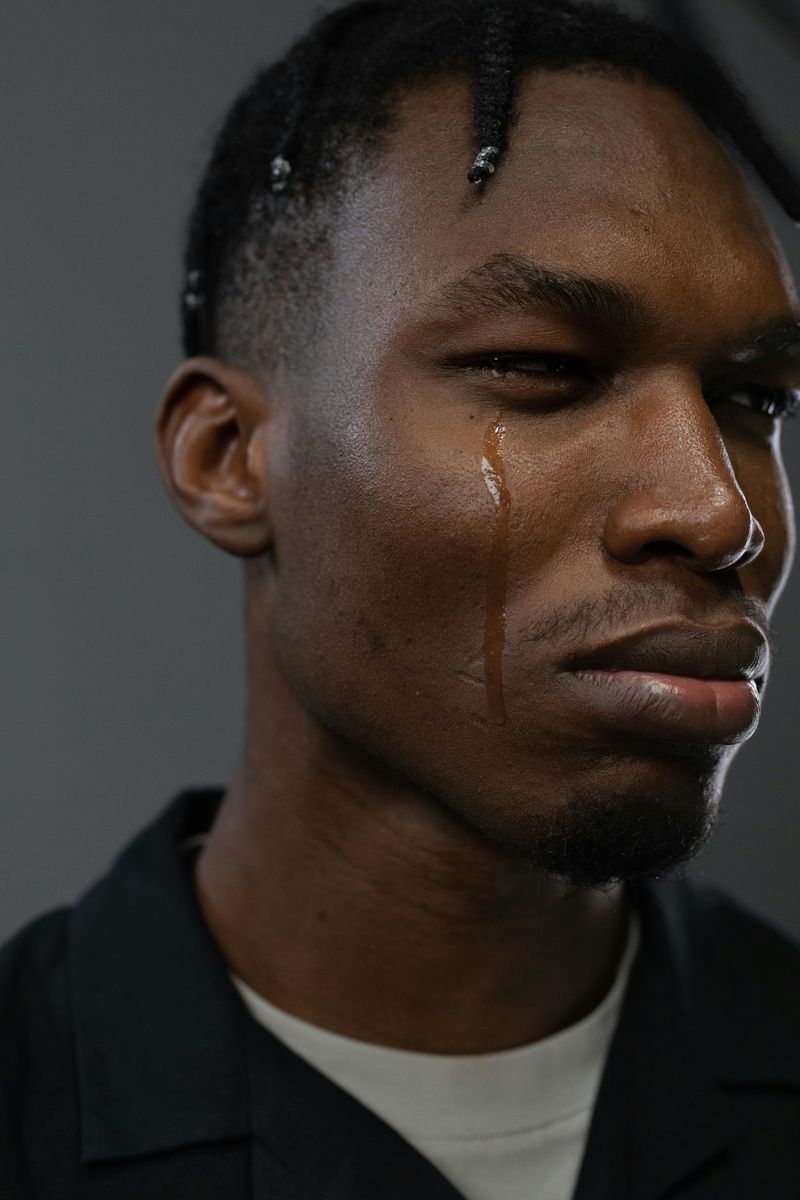
One of the quieter costs of always being polite is what happens to your own emotions along the way.
Polite people become experts at managing how others feel, often at the direct expense of acknowledging how they themselves feel.
You smile when you are hurt.
You reassure others when you are the one who needs reassurance.
Over time, you can lose touch with your own emotional needs entirely, which takes a real toll on your mental health.
Your feelings are not an inconvenience or a burden.
They are information, and they deserve attention.
Checking in with yourself regularly, and being honest about what you need, is not selfish.
It is necessary.
6. Silence Can Be Mistaken for Agreement

Staying quiet feels like the polite thing to do, especially in group settings where speaking up might cause tension.
But silence has a way of being misread.
When you say nothing, people often assume you are on board with whatever is being said or decided.
This can land you in situations where you are associated with ideas, choices, or behaviors you never actually supported.
And then correcting the record feels even harder, because now you have to explain why you did not speak up sooner.
Silence is a form of communication, whether you intend it to be or not.
Speaking up gently but clearly in the moment is almost always easier than dealing with the consequences of being misunderstood later.
7. You Simply Cannot Please Everyone

No matter how carefully you choose your words, how generously you give your time, or how consistently you show up for others, some people will still find fault.
That is a hard truth, but accepting it is genuinely freeing.
People who were raised to be polite often carry an invisible pressure to be liked by everyone they meet.
When someone is unhappy with them, it can feel like a personal failure.
But the reality is that you have no control over how others perceive you.
Releasing the goal of universal approval does not mean you stop caring.
It means you stop exhausting yourself chasing something impossible.
Focus on being genuine instead of being perfect, and the right people will appreciate it.
8. Politeness Without Honesty Damages Relationships

There is a version of politeness that looks kind on the surface but quietly eats away at relationships from the inside.
It involves telling people what they want to hear, avoiding hard truths, and keeping the peace at all costs.
It feels safe, but it is not honest.
Real relationships are built on trust, and trust requires honesty.
When you hold back important truths to avoid discomfort, you are not protecting the relationship.
You are actually weakening it, one avoided conversation at a time.
The people who matter to you deserve your honesty, even when it is uncomfortable.
A kind truth, delivered with care, strengthens connection.
A polite lie, no matter how well-intentioned, eventually creates distance.
9. Kindness and People-Pleasing Are Very Different Things

Genuine kindness feels light.
It comes from a place of wanting to help, not from a fear of what happens if you do not.
People-pleasing, on the other hand, often comes wrapped in anxiety, obligation, and a desperate need for approval.
Many people raised to always be polite blur this line without realizing it.
They help not because they want to, but because they are afraid of being seen as selfish or uncaring if they do not.
That distinction matters enormously for your well-being.
Ask yourself honestly: am I doing this because I want to, or because I am afraid of the reaction if I do not?
That question alone can help you start showing up from a place of genuine generosity rather than quiet fear.
10. Standing Up for Yourself Is Not Disrespectful

Assertiveness gets a bad reputation among people who were taught that politeness means always accommodating others.
But speaking up for yourself is not rude, aggressive, or selfish.
It is a healthy and necessary communication skill that most polite people have to unlearn their discomfort around.
When you advocate for your own needs clearly and calmly, you are not attacking anyone.
You are simply participating in the conversation as an equal.
That is not only acceptable, it is important for building mutual respect.
The world does not automatically look out for your best interests.
You have to do some of that yourself.
And you can do it with warmth, grace, and dignity, all while still being the kind person you have always been.
11. Self-Respect Must Come Before Seeking Approval

Living for other people’s approval is exhausting work, and it never quite pays off.
No matter how much you bend yourself to fit what others expect, there will always be someone who is not satisfied.
The only person whose approval you truly need is your own.
People raised to always be polite often tie their sense of worth to how others feel about them.
When someone is disappointed or upset, it can feel like a reflection of their own value.
That is a painful and unstable way to live.
Building genuine self-respect means making choices that align with your own values, not just choices that keep everyone comfortable.
When you trust and honor yourself, you stop needing the world to constantly confirm that you are enough.