 MomSkoop

Texting is one of the most common ways people communicate today, but it comes with its own set of tricky habits that can cause misunderstandings, hurt feelings, or awkward situations. Most of us have made at least one texting mistake without even realizing it.
Whether you are texting friends, family, or classmates, small errors can create big problems. Knowing what to watch out for can help you become a much better communicator.
1. Ignoring Messages for Days Without Explanation

Leaving someone on read for days without a single word is one of the most frustrating things you can do to someone who cares about you.
It sends the message that their words simply do not matter.
Even a quick “Hey, I’ll get back to you later” goes a long way.
People understand that life gets busy.
School, sports, and family time all compete for your attention.
But silence without explanation can make the other person feel ignored, anxious, or even disrespected.
A short reply takes less than ten seconds.
Building a habit of acknowledging messages, even briefly, shows respect and keeps relationships healthy.
Small gestures of communication can prevent a lot of unnecessary hurt feelings.
2. Using Too Many Abbreviations That Confuse Others
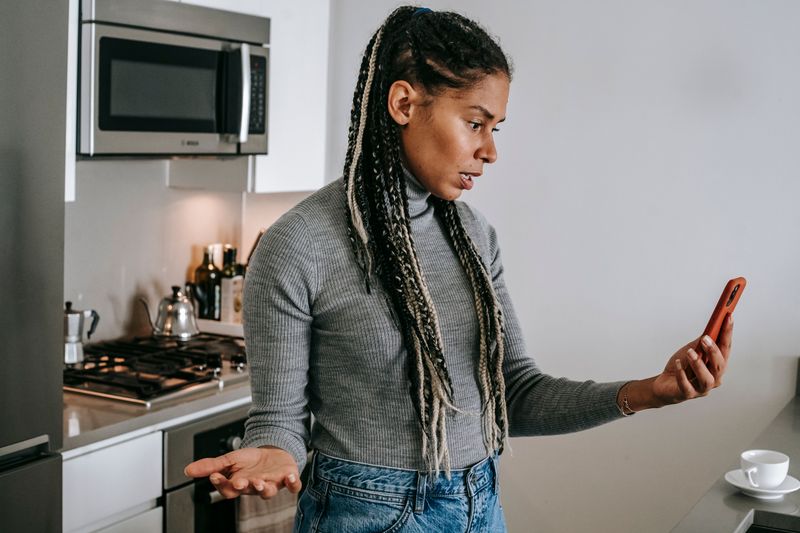
IYKYK, NGL, ISTG – if those made you pause, imagine how your grandparent or teacher feels reading them.
Abbreviations can be a fun shortcut among friends who share the same texting language, but they quickly become a barrier when the other person has no clue what you mean.
Miscommunication through abbreviations happens more often than people think.
Someone might guess the wrong meaning and respond in a completely confusing direction, making the whole conversation go sideways.
Before firing off a string of letters, consider who you are texting.
With close friends your age, abbreviations are totally fine.
With adults, teachers, or new acquaintances, plain and clear language always works better and avoids unnecessary confusion.
3. Sending Walls of Text Instead of Short Messages
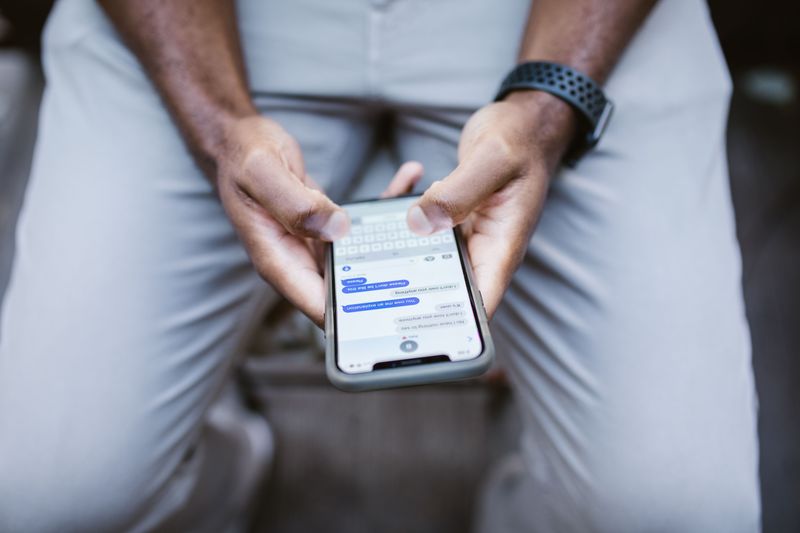
Imagine opening your phone to find a message so long it looks like a school essay.
Most people’s eyes glaze over before they even finish the first few lines.
Long, unbroken paragraphs in a text message are exhausting to read on a small screen.
Texting was designed for quick, bite-sized communication.
When you have a lot to say, breaking your thoughts into shorter messages or using bullet points makes everything much easier to follow.
It also feels more like a real conversation.
If you genuinely have a lot to discuss, consider making a phone call or scheduling a face-to-face chat instead.
Matching your message length to the platform you are using shows strong communication skills and respect for the reader’s time.
4. Overusing Emojis in Serious Conversations
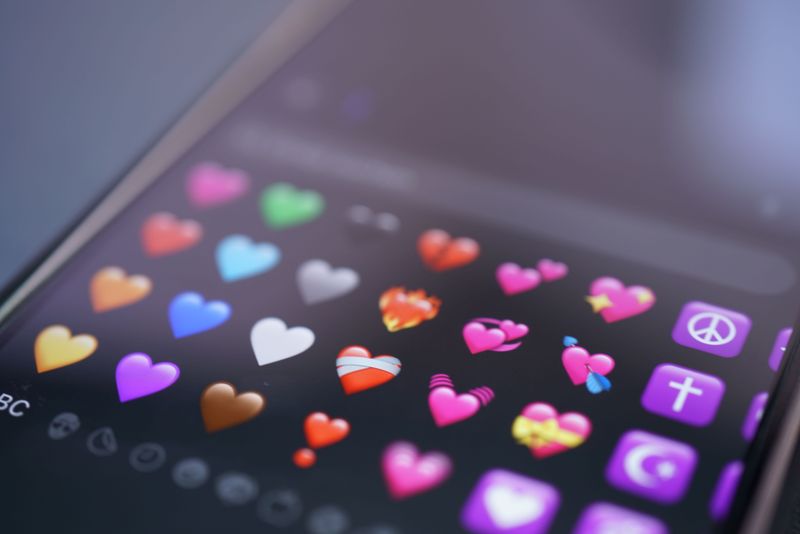
Emojis are a brilliant way to add warmth, humor, and personality to casual texts.
But dropping a laughing emoji when someone shares bad news?
That can feel dismissive, even if you meant no harm at all.
Tone is already tricky to read in text messages.
Adding the wrong emoji on top of that makes things worse.
A string of party emojis in response to something serious sends a signal that you are not really paying attention to what the other person is feeling.
Save the emoji parade for light, fun conversations.
When someone is venting, sharing something difficult, or asking for advice, a thoughtful written response shows far more empathy.
Sometimes plain words carry more weight than any emoji ever could.
5. Texting While Angry Instead of Cooling Off First

Rage-texting feels satisfying in the moment, but the words you fire off when you are furious rarely say what you actually mean.
Once a message is sent, you cannot take it back.
And the damage those words cause can last much longer than the argument itself.
Anger narrows your thinking.
When emotions are running high, people tend to exaggerate, say hurtful things, or make accusations they would never make with a clear head.
The person on the other end does not see your frustration – they only see the words.
A simple rule: if you are upset, put the phone down for at least fifteen minutes before replying.
Even a short walk or a glass of water can shift your perspective enough to respond with more clarity and kindness.
6. Forgetting to Proofread Before Hitting Send

Autocorrect has a sneaky way of turning perfectly normal sentences into something bizarre or even offensive.
One wrong tap and “I’ll meet you at the park” becomes something completely unrecognizable.
Most people have a funny autocorrect story – but not all of them are harmless.
Taking two seconds to read your message before sending it can save you from a lot of embarrassment.
Typos, wrong names, and autocorrect blunders can make you look careless, even when you are not.
In professional or school-related conversations, these mistakes can seriously affect how others see you.
Make it a habit to glance over every message before tapping send.
It does not take long, and it shows that you care about communicating clearly.
Your future self will thank you every single time.
7. Replying With One-Word Answers That End Conversations

“Cool.” “K.” “Fine.” These three responses have ended more conversations than almost anything else.
One-word replies send a clear signal – whether you intend it or not – that you are either uninterested, annoyed, or simply not invested in the exchange.
The person on the other end often spends time crafting a thoughtful message, only to receive a single letter in return.
That kind of response can feel like a door being slammed.
Over time, people stop reaching out because they expect the same flat reply.
Adding even one extra sentence makes a huge difference.
Try “Cool, sounds fun!
What time?” instead of just “Cool.” Keeping the conversation going shows the other person you actually want to talk, which builds stronger connections over time.
8. Misreading Tone and Assuming the Worst

Text messages have no voice, no facial expressions, and no body language.
That means a perfectly innocent message like “Sure, whatever” can read as passive-aggressive even when the sender was completely relaxed and casual.
Misreading tone is incredibly common and causes unnecessary stress.
Before assuming someone is upset with you based on a short reply, consider the context.
Were they probably busy?
Is this how they normally text?
More often than not, there is no hidden meaning behind a brief message – people are just in a hurry.
When something feels off, ask directly and calmly.
A simple “Hey, is everything okay?” clears things up faster than spending hours overanalyzing three words.
Giving people the benefit of the doubt protects both your peace of mind and your relationships.
9. Texting at Inappropriate Hours Without Urgency

A text buzzing in at 2 AM when there is absolutely no emergency is one of the quickest ways to annoy someone.
Not everyone keeps their phone on silent at night, and being woken up by a non-urgent message feels deeply inconsiderate – especially on a school night.
Timing matters just as much as the content of your message.
Texting during dinner, late at night, or early in the morning without any real urgency suggests you have not thought about the other person’s schedule or boundaries at all.
A good rule of thumb is to ask yourself: would I call this person right now?
If the answer is no, the text can probably wait until morning.
Respecting someone’s time and sleep is a basic form of thoughtfulness that people genuinely appreciate.
10. Using Group Chats for Messages Meant for One Person
Group chats are great for coordinating plans, sharing funny videos, or keeping everyone in the loop.
They are not the right place for a personal message meant for just one person.
Sending something private to the whole group by mistake is an awkward experience everyone dreads.
Beyond accidental sends, some people intentionally use group chats to address one person publicly, which can feel confrontational or embarrassing for the person being called out.
It puts everyone in an uncomfortable position and rarely solves anything.
Before sending a message, double-check who is in the conversation.
If your message is meant for one person, open a direct chat with them instead.
Keeping personal conversations private is a sign of maturity and shows respect for everyone involved in the group.
11. Expecting Immediate Replies Every Time

Not everyone is glued to their phone 24 hours a day, and expecting an instant reply every single time you send a message can put a lot of pressure on the people in your life.
People have classes, jobs, meals, and moments where they simply cannot respond right away.
When a reply does not come within a few minutes, some people send follow-up texts like “??” or “Hello?”
That kind of behavior can come across as demanding and may actually push the other person further away rather than getting a faster response.
Patience is a genuinely underrated texting skill.
Trusting that people will respond when they are able to shows emotional maturity and makes you much more pleasant to communicate with.
Not every conversation needs to happen in real time.