 MomSkoop
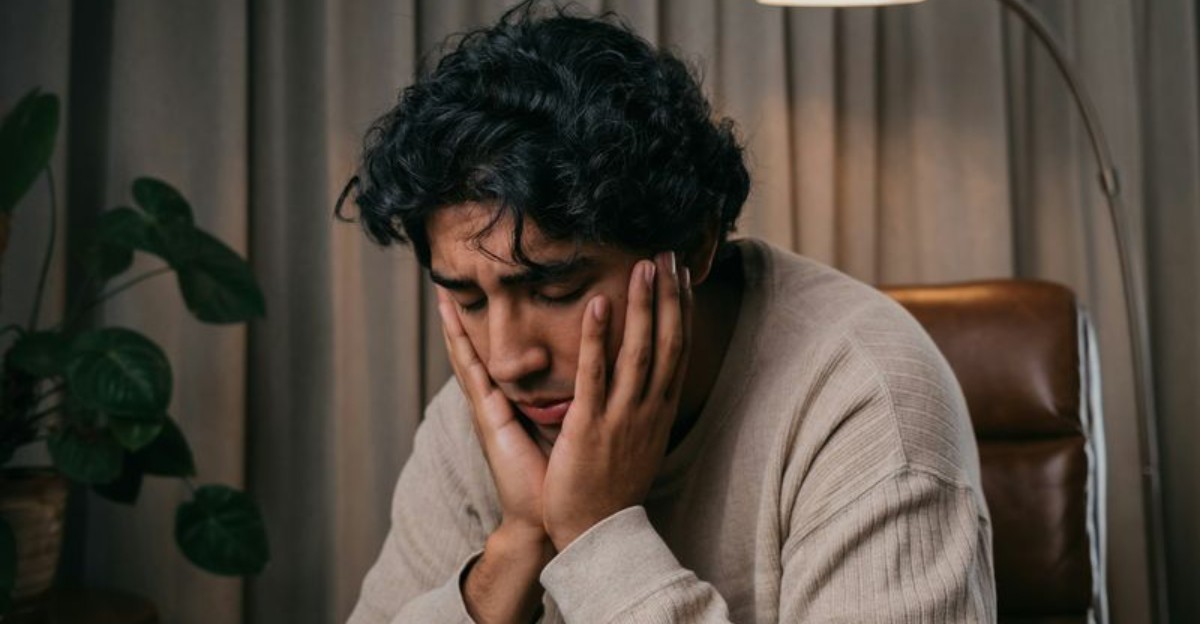
Almost everyone has explained away someone else’s bad behavior at some point. When it happens in a relationship, those small explanations can slowly hide real problems.
Knowing the common excuses helps you spot them in your own life or in a friend’s. Let’s look at the stories people tell themselves and what may really be going on.
1. He’s just stressed right now

Picture a pot boiling over on the stove.
Stress can make anyone snap once in a while, and that is normal.
But stress does not give a person the right to be unkind.
Plenty of stressed people still treat others with respect.
They say sorry, take a walk, or ask for space without yelling or name-calling.
Ask yourself how long the stress has lasted.
If every week brings a new reason for his bad mood, the stress may just be a cover story.
You deserve kindness on hard days and easy days.
Notice whether he ever makes an effort to handle his stress without hurting you.
2. He didn’t really mean it
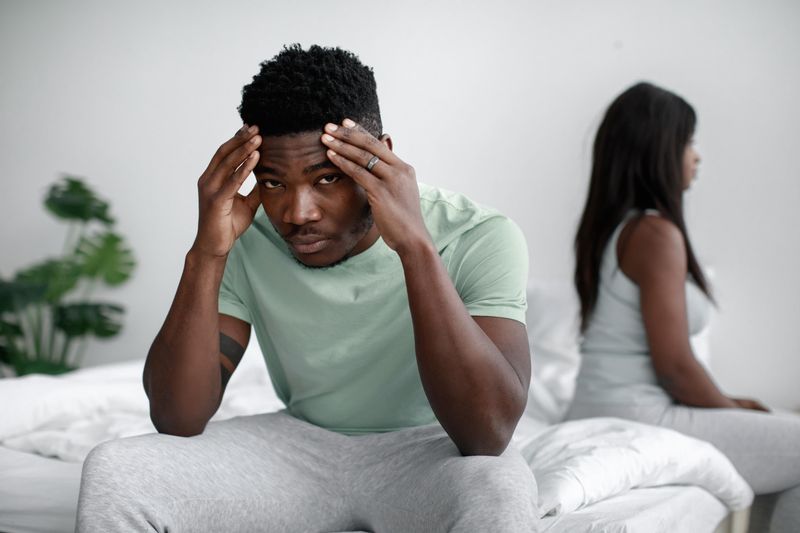
Words leave marks even when they slip out fast.
Saying he did not mean it is a comfortable thought, because it lets the hurt feel smaller.
Still, people usually say what they are thinking, even if it comes out louder than planned.
Look at the pattern instead of one moment.
If he says cruel things and then shrugs them off again and again, the words are not accidents.
A caring person works to fix the damage.
He listens, owns what he said, and changes how he speaks next time.
Your feelings count no matter what he intended.
3. He’s had a difficult past
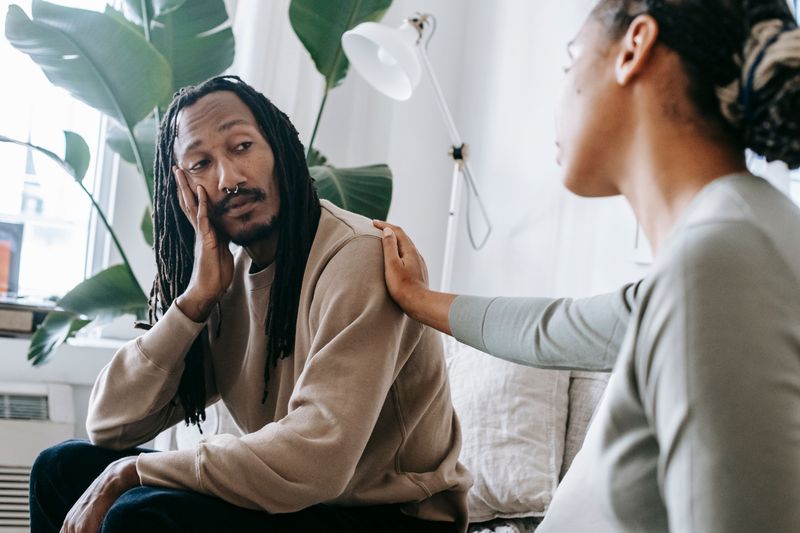
Nobody picks their childhood, and it is natural to feel sympathy for someone who has been hurt.
Many caring women want to be the one who helps a partner heal.
That kind heart is a good thing.
Here is the catch, though.
A painful past explains behavior, but it does not excuse it.
Lots of people with rough histories choose to treat others gently.
Healing takes real work, like talking with a counselor or building new habits.
You are a partner, not a therapist.
Support him if he is trying, but do not accept mistreatment as the price of understanding him.
4. He’s actually a good person deep down

Deep down is a tricky place to judge, since nobody can see it.
What you can see is how he acts day after day.
Actions are the real window into character.
A good person can still do bad things, and when he does, he should feel real regret.
He should also change.
If the kindness stays buried while the cruelty shows up often, the hidden goodness does not help you much.
Try measuring him by his daily choices.
Does he respect your opinions, your time, and your boundaries?
Those answers tell you far more than a hopeful guess about his heart.
5. When things are good, they’re really good

Roller coasters are thrilling, but nobody wants to live on one.
Sweet moments can feel extra powerful after a rough patch, like sunshine after a storm.
That contrast can make you cling to the good times.
Experts call this on-again, off-again pattern a cycle, and it can be confusing.
The happy days keep hope alive, while the bad days keep you off balance.
A healthy relationship is mostly steady, with only small bumps.
Try writing down how many good and bad days you have in a month.
Seeing the numbers on paper can bring clarity.
6. Maybe I’m overreacting

“You’re too sensitive.” If you have heard that line enough, you might start saying it to yourself.
Doubting your own feelings is one of the quietest ways a relationship can go wrong.
Your emotions are information.
If something made you feel small, scared, or sad, it deserves attention, even if it seems minor to someone else.
Try talking it through with a trusted friend or family member.
Ask what they would think if it happened to someone they love.
Often, hearing an outside view helps you trust your gut again.
Feeling hurt does not make you dramatic.
7. He’ll change eventually

Hope is a beautiful thing, but it works best with a plan.
Waiting for someone to change on his own can turn into months or even years of waiting.
Meanwhile, your own life sits on pause.
Real change usually has signs.
He admits the problem, asks for help, and shows different behavior over time.
Promises alone are not proof.
Ask yourself a simple question: if he never changed, would I still want this relationship?
If the answer is no, that matters.
Love the person he is today, because that is the only version you can count on.
8. He acts like this because he cares

Jealousy and checking your phone can look like love from the outside.
Some people even grow up believing that possessiveness proves devotion.
It does not.
Real care shows up as trust, support, and respect.
A caring partner cheers on your friendships and your goals instead of shrinking them.
Watch for control dressed up as concern, such as telling you what to wear or who to see.
Love should make you feel safe, not watched.
If his so-called care leaves you nervous or restricted, it is worth questioning what that word really means.
9. I probably pushed his buttons
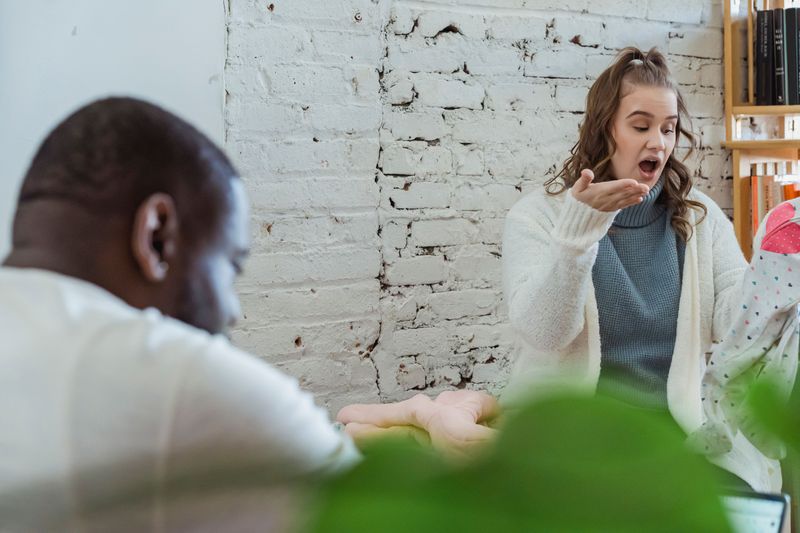
Blame has a sneaky way of sliding onto the wrong shoulders.
When a partner reacts harshly, it can feel easier to search for what you did wrong.
That way, at least the problem feels fixable.
Yet adults are in charge of their own reactions.
Disagreements happen in every couple, and a calm person can say, “I’m upset, let’s talk.”
Being mistreated is never your fault because of something you said or did.
If you find yourself tiptoeing around his moods, that is a warning sign.
Peace should not require walking on eggshells.
10. Nobody’s perfect, I have flaws too

True, nobody is perfect.
Being humble about your own mistakes is a lovely quality.
The trouble starts when that humility turns into a reason to accept bad treatment.
There is a big gap between ordinary flaws and harmful behavior.
Forgetting to do the dishes is a flaw.
Insulting, ignoring, or controlling someone is something else.
Try sorting problems into two piles: annoying habits and hurtful actions.
Annoying habits can be worked out with patience.
Hurtful actions need real change.
Owning your imperfections does not mean you owe anyone a free pass.
11. He apologized, so I should give him another chance

A heartfelt apology can feel like a warm blanket.
Giving second chances is kind, and sometimes they lead to real growth.
The key is what comes after the words.
A meaningful apology names exactly what went wrong and does not add “but you…” at the end.
Even better, it is followed by different actions over weeks and months.
If the same hurt keeps returning after every “sorry,” the apology is just a reset button.
Give chances based on proof, not promises.
You are allowed to say, “I forgive you, and I still need to protect myself.”