 MomSkoop

We all have those days when getting dressed feels like an Olympic sport. But when those lazy fashion choices become everyday habits, they might be sending a message you don’t intend. Your clothing speaks volumes before you even say a word, and certain wardrobe decisions can make people think you’ve given up on making an effort.
1. Wearing Wrinkled Clothes Straight Out of the Laundry Basket
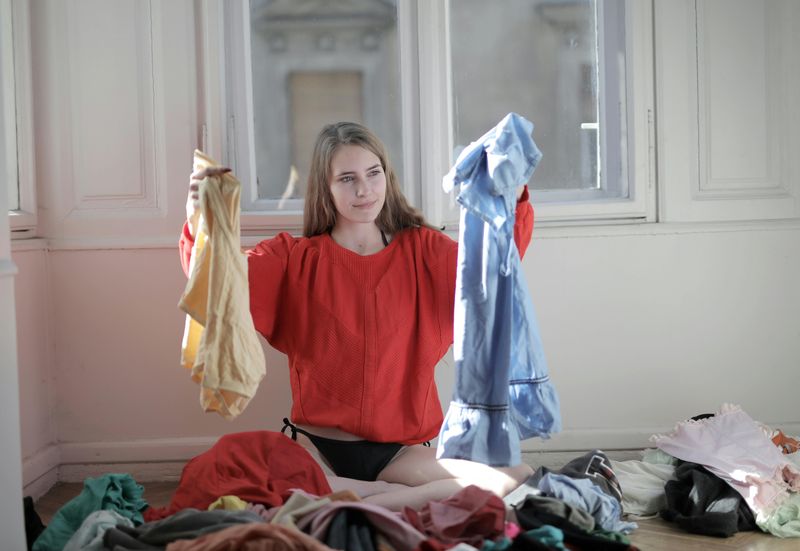
Nobody expects you to iron everything you own, but walking around looking like you slept in your clothes sends a clear message.
Wrinkles make even expensive outfits look cheap and careless.
When your shirt has more creases than a roadmap, people notice.
Hanging clothes properly or using a quick steamer takes just minutes.
Even tossing wrinkled items in the dryer with a damp towel for ten minutes can work wonders.
Your clothing doesn’t need to be perfectly pressed, but it should look intentional.
Smoothing out major wrinkles shows you care about presenting yourself well.
This small effort makes a massive difference in how put-together you appear to others around you.
2. Consistently Choosing Outfits That Don’t Fit
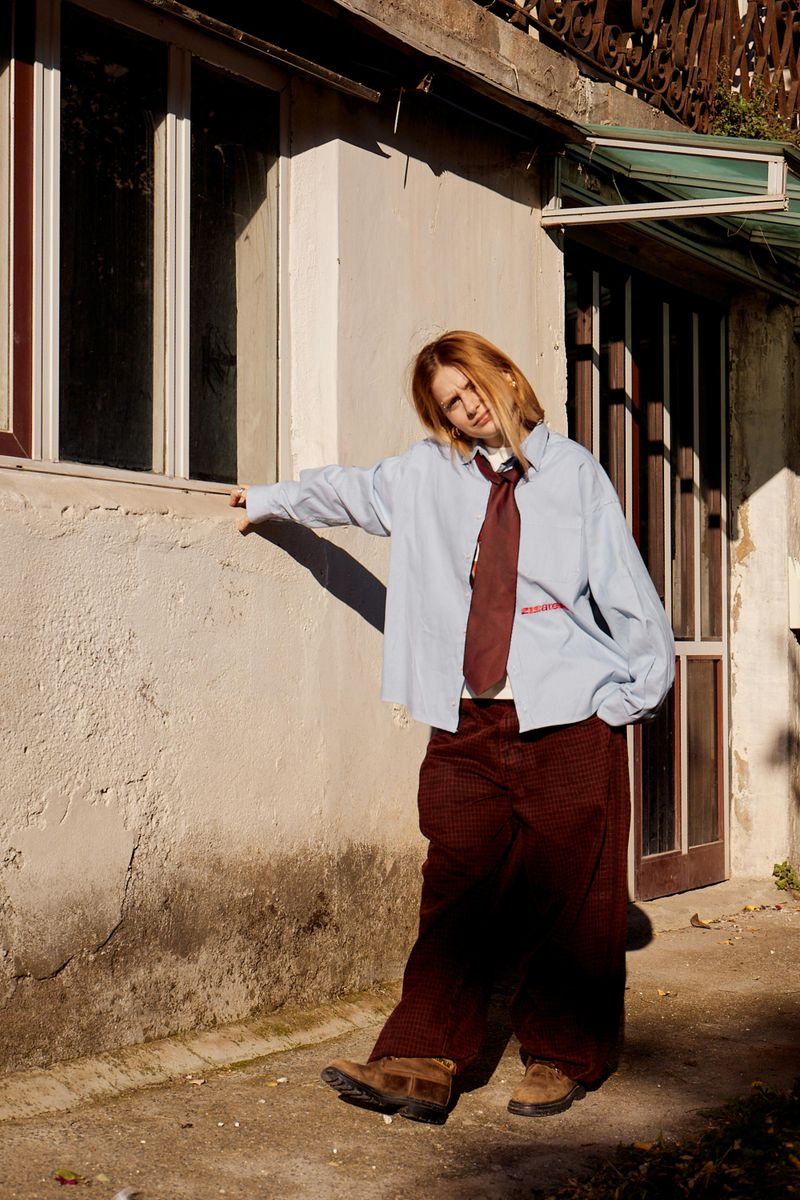
Clothes that are too big make you look like you’re drowning in fabric, while overly tight pieces scream discomfort.
Proper fit is the foundation of looking polished and intentional.
Baggy shirts hide your shape entirely, making you appear sloppy and uncoordinated.
Conversely, clothes stretched to their limits create unflattering bulges and look painful to wear.
Finding your correct size isn’t about vanity—it’s about looking like you respect yourself.
Sometimes alterations cost less than you’d think and transform mediocre pieces into flattering favorites.
Bodies change over time, so reassessing your size periodically makes sense.
Well-fitting clothes boost confidence and show you’ve made thoughtful choices about your appearance.
3. Defaulting to Stained or Visibly Worn T-Shirts

That old shirt with the mysterious stain might feel comfortable, but it tells everyone you’ve stopped caring.
Stains happen to everyone, but wearing them repeatedly is a choice.
Faded graphics, yellowed armpits, and mystery spots all broadcast a lack of effort.
T-shirts are affordable enough that keeping a rotation of clean, unstained options shouldn’t break the bank.
When a shirt becomes your painting outfit or lawn-mowing uniform, it shouldn’t return to public circulation.
Fresh, clean basics form the backbone of casual style.
Replacing worn items shows self-respect and consideration for those around you.
Your favorite ratty tee deserves retirement, not another trip to the grocery store.
4. Pajamas or Sleepwear Worn as Everyday Clothes
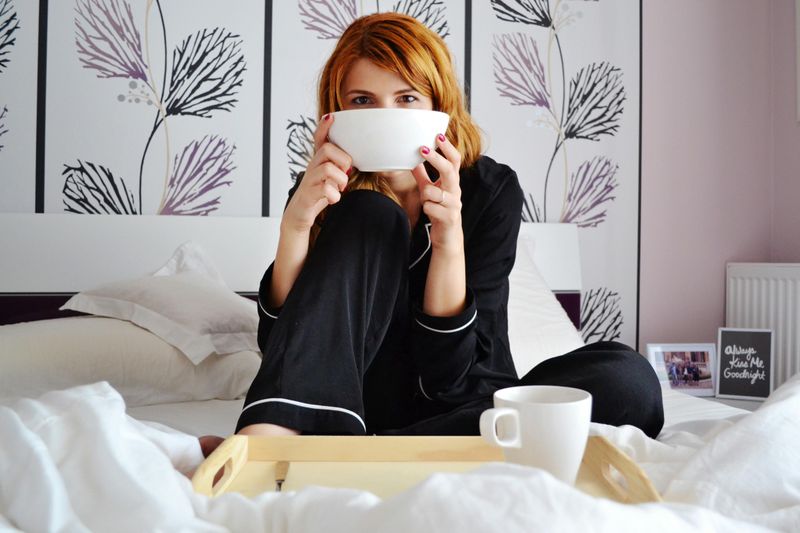
Pajama pants at the grocery store have become oddly normalized, but they still scream you couldn’t bother changing.
Sleepwear is designed for comfort during rest, not for facing the world.
Those fuzzy pants with cartoon characters might be cozy, but they announce you’ve given up.
Changing into actual clothes takes five minutes and dramatically alters how people perceive your effort level.
Loungewear exists as a middle ground—comfortable but intentional enough for quick errands.
Wearing pajamas outside suggests you literally rolled out of bed and decided that was good enough.
Reserve sleepwear for its intended purpose and give yourself the dignity of real pants.
5. Mismatched Shoes or Shoes Clearly Past Their Lifespan
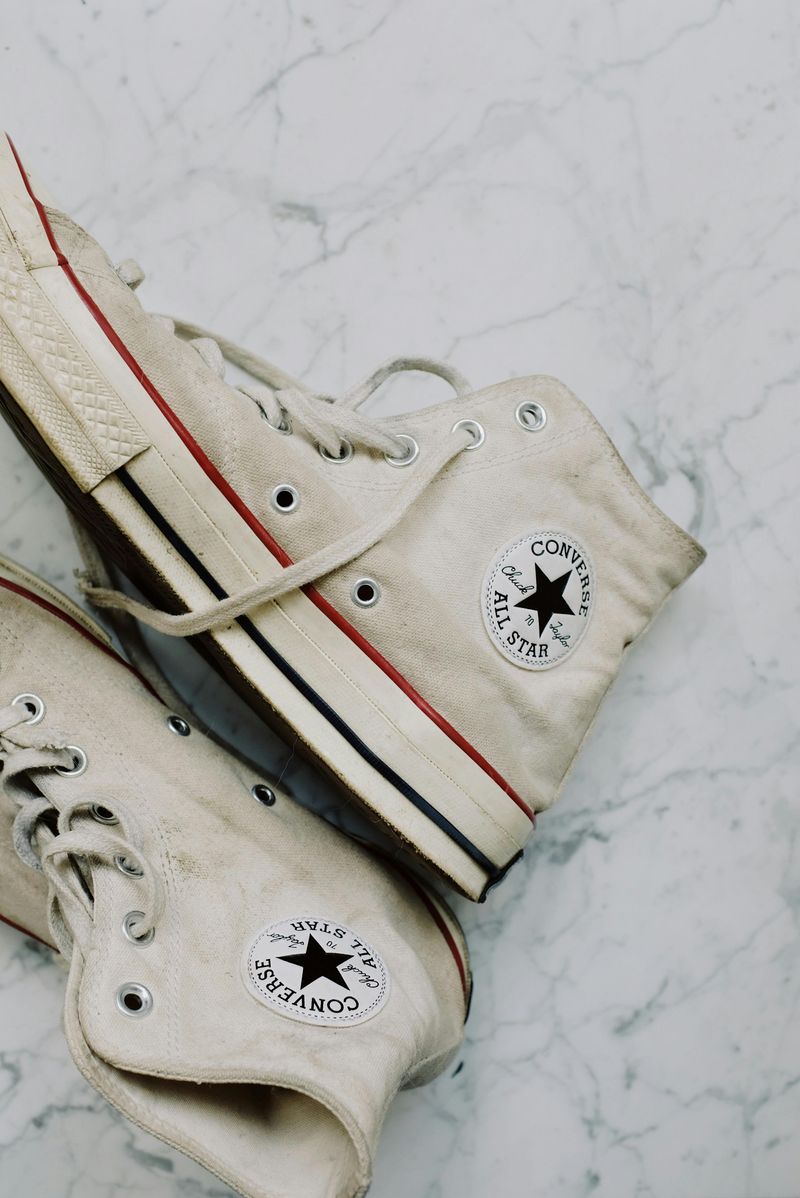
Shoes might seem like a small detail, but people absolutely notice when yours are falling apart.
Separated soles held together with duct tape or holes exposing your socks tell a concerning story.
Even budget-friendly shoes can look decent when they’re in good condition.
Wearing two different shoes accidentally happens, but doing it regularly suggests you’re not even looking down.
Footwear endures tremendous wear, so replacing worn pairs periodically is necessary, not frivolous.
Clean, intact shoes elevate even simple outfits, while destroyed ones drag everything down.
Your shoes literally support you through life—they deserve replacement when they’ve served their time faithfully.
6. Overreliance on Sweatpants for Every Non-Exercise Situation
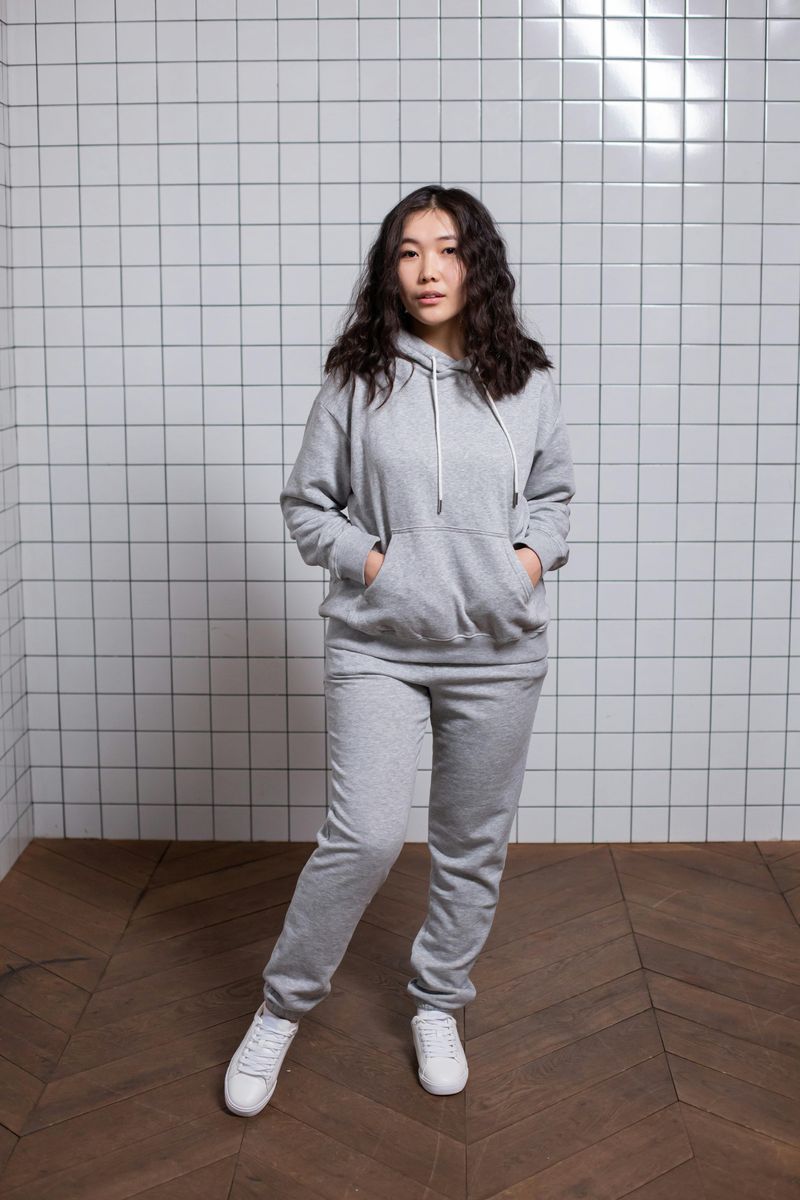
Sweatpants have their place—at the gym, lounging at home, or recovering from illness.
Wearing them everywhere else suggests you’ve decided comfort trumps all other considerations.
Athletic wear designed for working out shouldn’t become your default uniform for life.
Countless comfortable alternatives exist that don’t broadcast you’ve surrendered to elastic waistbands forever.
Jeans, chinos, or even joggers with a more structured look offer comfort without the gave-up vibe.
Context matters tremendously—sweatpants at the airport differ from sweatpants at a restaurant.
Varying your wardrobe shows adaptability and awareness of different situations.
Comfort doesn’t require sacrificing all semblance of intentional dressing or personal standards.
7. Ignoring Basic Grooming That Affects Appearance
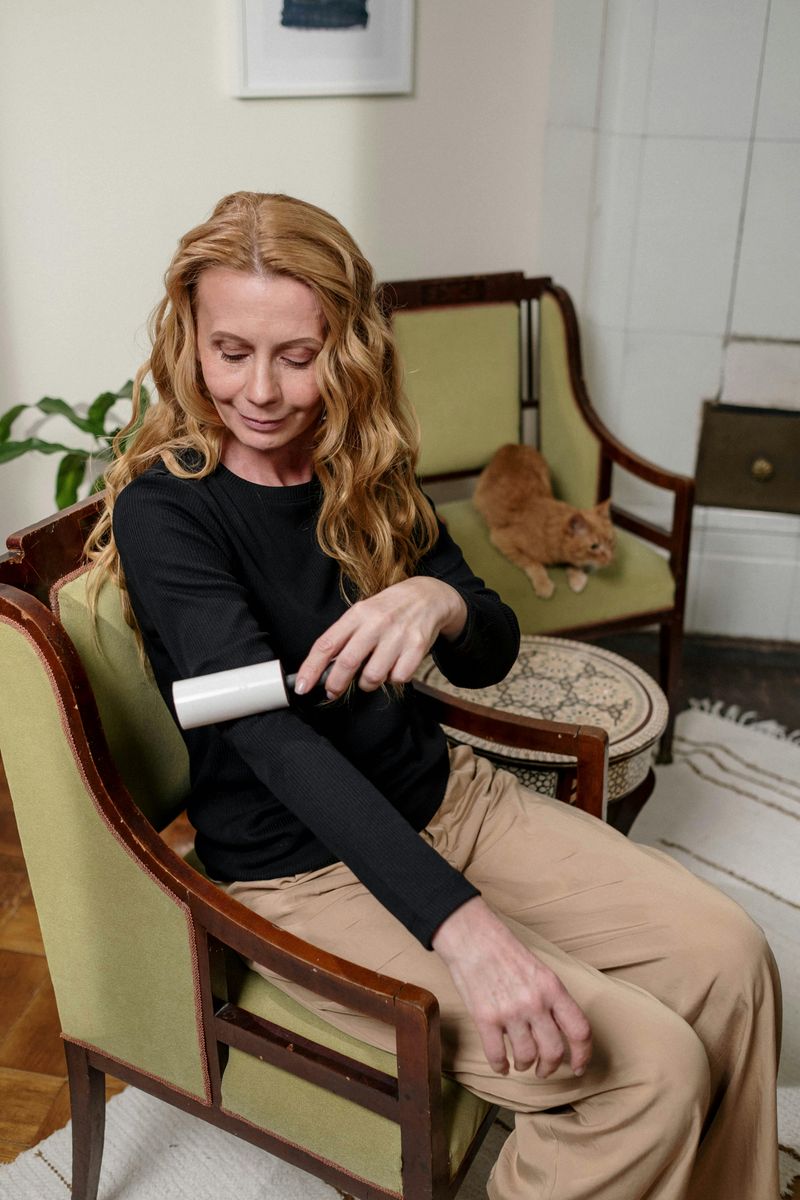
Lint rollers cost about three dollars and take thirty seconds to use, yet some people skip this entirely.
Walking around covered in pet hair, lint, or mysterious fuzz suggests you didn’t even glance in a mirror.
These details might seem minor, but they accumulate into an overall impression of carelessness.
Odors clinging to clothes from smoke, food, or mustiness also fall into this category.
Fresh-smelling, debris-free clothing doesn’t require expensive products or excessive time.
Quick maintenance shows respect for yourself and those sharing space with you.
A lint roller in your car or bag enables last-minute fixes.
These small grooming touches separate intentional dressing from rolling out the door unchanged.
8. Clothes with Holes or Fraying That Aren’t Intentionally Distressed
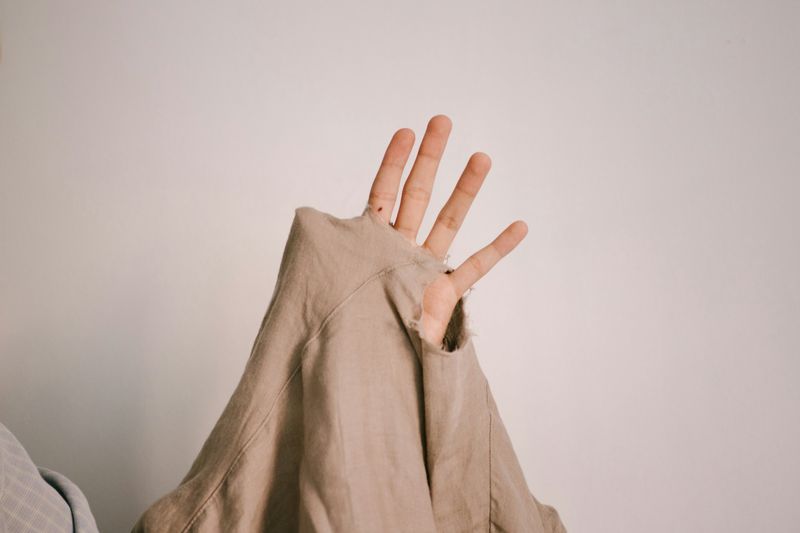
Distressed jeans from a store look intentional; actual holes from wear look neglected.
There’s a clear difference between fashion-forward rips and clothes literally falling apart.
Fraying hems, holes in unexpected places, and unraveling seams all signal your wardrobe needs attention.
When you can see through fabric not designed to be sheer, retirement time has arrived. Some items hold sentimental value, but wearing them publicly isn’t honoring those memories.
Basic sewing skills can extend clothing life, but some pieces simply need replacing.
Keeping damaged items in rotation suggests either extreme frugality or complete apathy.
Neither impression serves you well when meeting new people or maintaining professional relationships daily.
9. Wearing the Exact Same Outfit Combination Every Day Without Variation
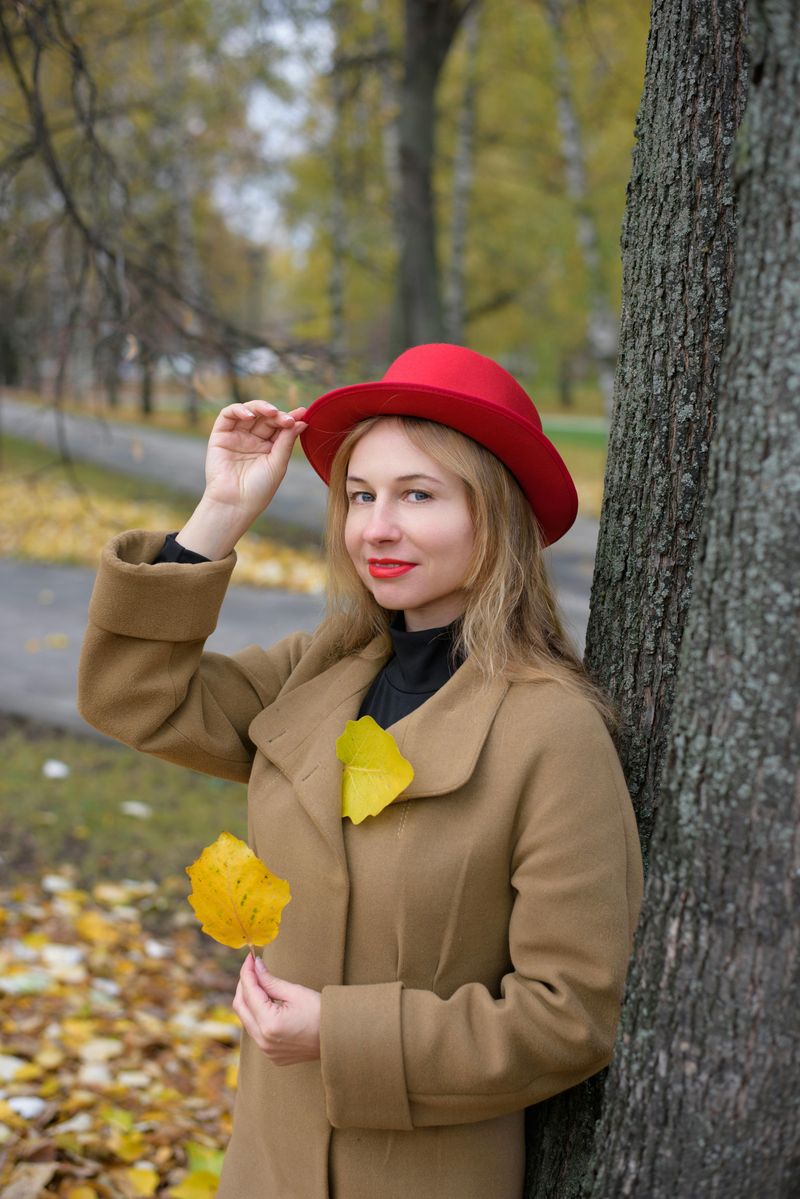
Cartoon characters wear the same outfit daily; real people benefit from variety.
Repeating favorite pieces makes sense, but identical combinations every single day suggest you’ve stopped trying entirely.
Wardrobe uniforms work for some people, but they require intentionality and quality pieces.
Simply wearing the same faded jeans and hoodie because you can’t be bothered looks different.
Minimal wardrobes can be stylish with thoughtful curation and rotation.
The issue isn’t simplicity—it’s the appearance of having completely checked out from making any choices.
Small variations like different shoes or layering pieces prevent monotony.
People notice patterns, and this one screams you’ve automated dressing to avoid thinking about it whatsoever.
10. Outdated Pieces That Haven’t Been Styled or Updated in Years

Holding onto clothes from high school might feel nostalgic, but wearing them two decades later looks stuck.
Fashion evolves, and extremely dated pieces announce you’ve stopped paying attention to the present.
This doesn’t mean chasing every trend or buying constantly.
However, certain cuts, washes, and styles clearly belong to specific eras.
Wearing them without irony or intentional vintage styling suggests you’ve worn the same things for years.
Timeless basics differ from obviously outdated trends that have come and gone.
Occasionally refreshing key pieces keeps your look current without requiring complete wardrobe overhauls.
Looking perpetually stuck in the past suggests you’ve stopped engaging with the present in meaningful ways.
11. Combining Items That Clash Badly in Color, Texture, or Formality
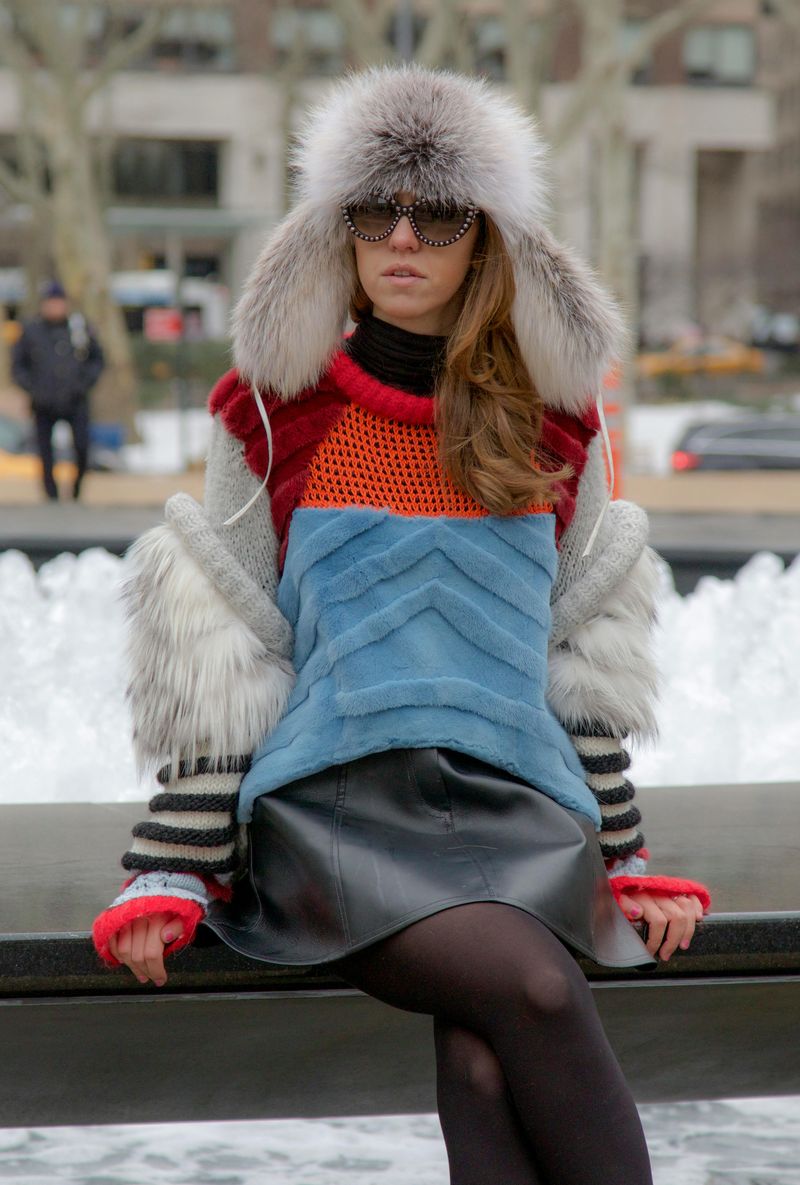
Fashion rules can be broken creatively, but some combinations just look accidental and confused.
Pairing formal dress shoes with athletic shorts, or wearing velvet with athletic mesh, creates jarring disconnects.
Color theory exists for good reason—certain combinations assault the eyes rather than complement each other.
Mixing formality levels randomly suggests you grabbed whatever was closest without thinking.
Intentional contrast differs dramatically from throwing together incompatible pieces carelessly.
Understanding basic coordination principles doesn’t require fashion expertise, just awareness of what you’re wearing.
When people wince at your outfit, that’s feedback worth considering.
Thoughtful combinations show effort; chaotic clashing shows you dressed in the dark without caring about the result.