 MomSkoop
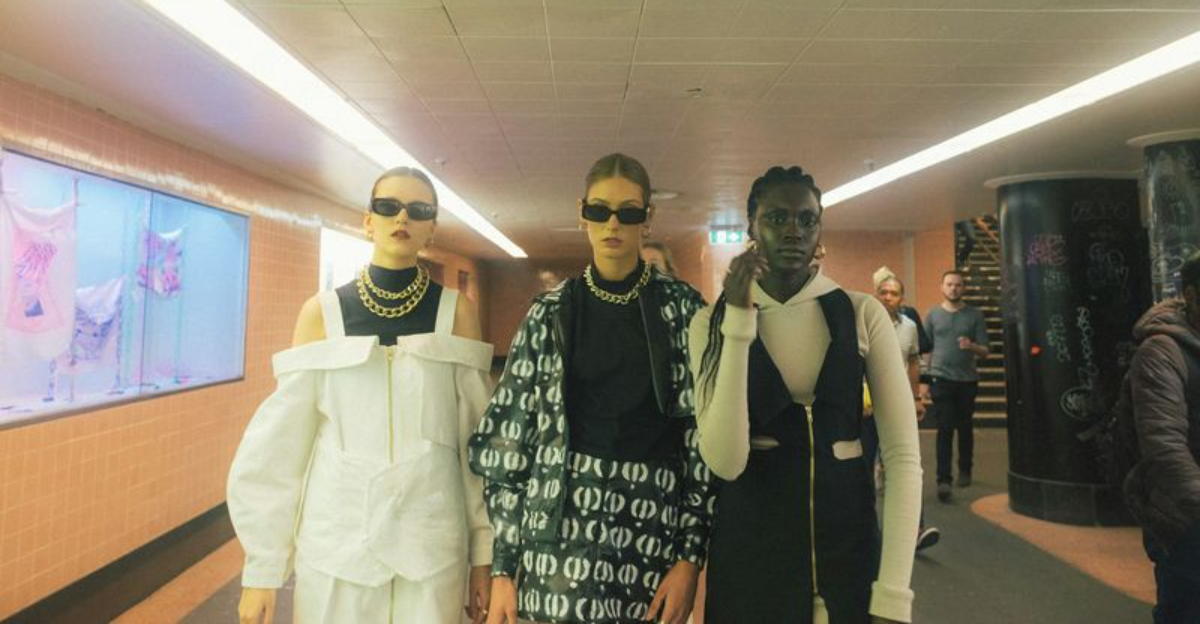
Fashion trends come and go faster than ever, but not every popular style works for everyone. This season brings exciting new looks, yet many people will make the same styling errors that can ruin even the best outfits.
Understanding these common mistakes helps you stay stylish without falling into the same traps that leave others looking overdone or out of balance.
1. Wearing Micro-Trends Head-to-Toe
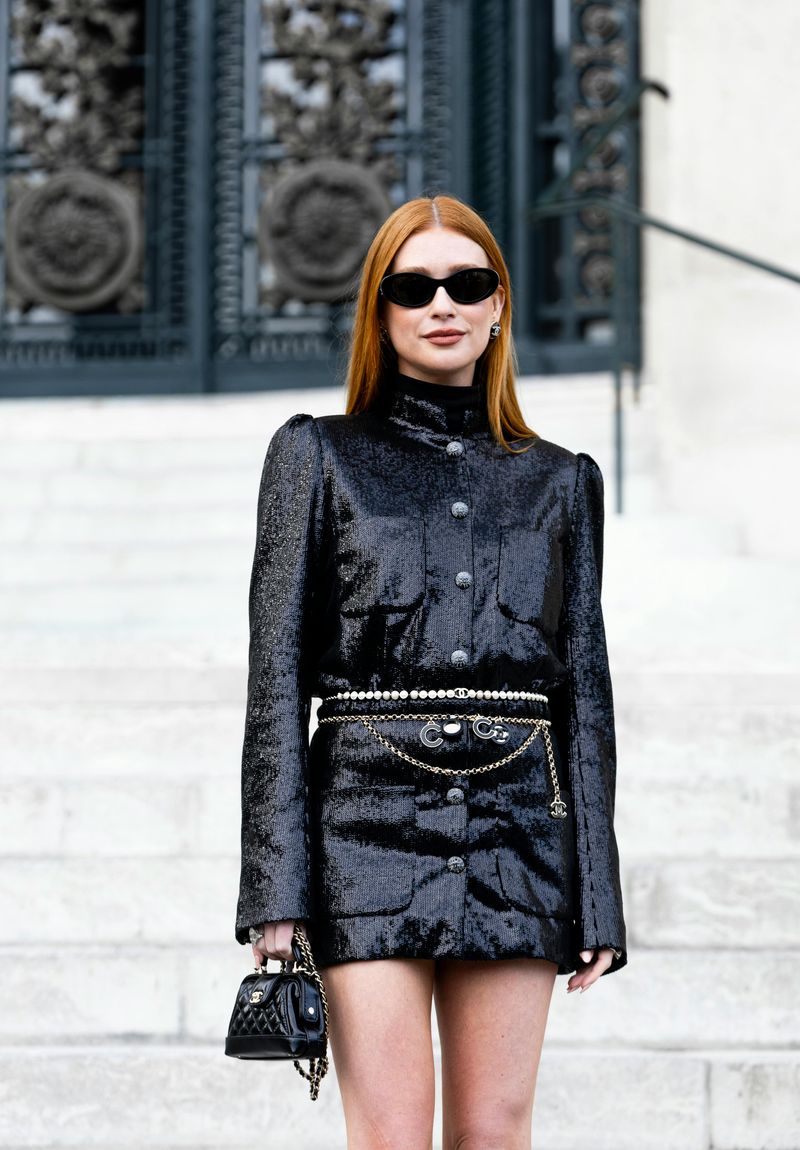
Piling on every single trendy piece at once turns your outfit into a fashion bulletin board.
Ballet flats paired with a sheer skirt, oversized blazer, and statement belt might sound exciting, but the result feels chaotic rather than chic.
Your eye doesn’t know where to focus when everything screams for attention.
Each trend deserves its moment to shine without competing against five others.
The secret lies in choosing one or two trending elements and building around them with classic basics.
Think of trends as spices in cooking—a little goes a long way.
Mix one statement piece with timeless items for a look that feels current without trying too hard.
This approach keeps you stylish without looking like you raided every rack at the mall in one shopping trip.
2. Ignoring Proportion with Oversized Silhouettes
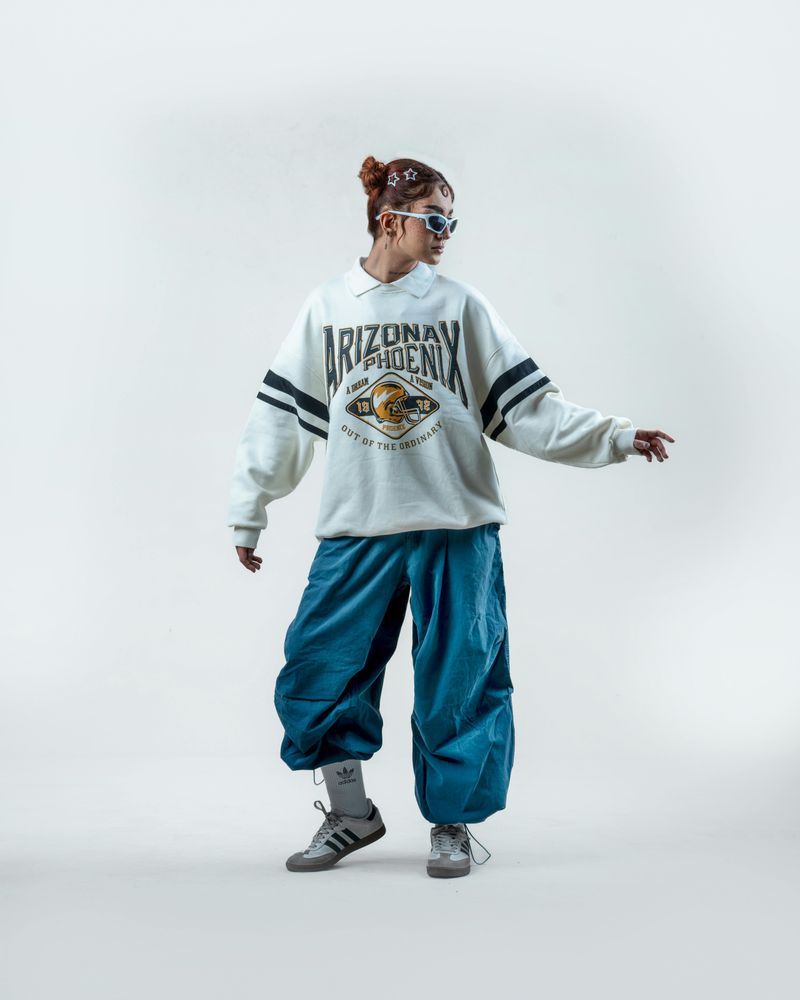
Baggy blazers, wide-leg pants, and slouchy sweaters dominate stores right now.
Wearing them all together swallows your frame entirely, making you disappear inside your clothes.
The oversized trend works beautifully when balanced, but going big everywhere eliminates any sense of your actual body shape.
Your silhouette needs definition somewhere to look intentional rather than accidental.
Pairing a roomy top with fitted bottoms creates visual interest and shows you understand proportion.
The same goes for matching structured pieces with relaxed ones.
Fashion should enhance your figure, not hide it completely.
Anchor voluminous items with at least one tailored element to maintain shape.
A fitted tank under a huge cardigan or slim jeans with an oversized shirt gives your outfit breathing room while keeping things stylish and deliberate.
3. Overdoing Quiet Luxury Basics
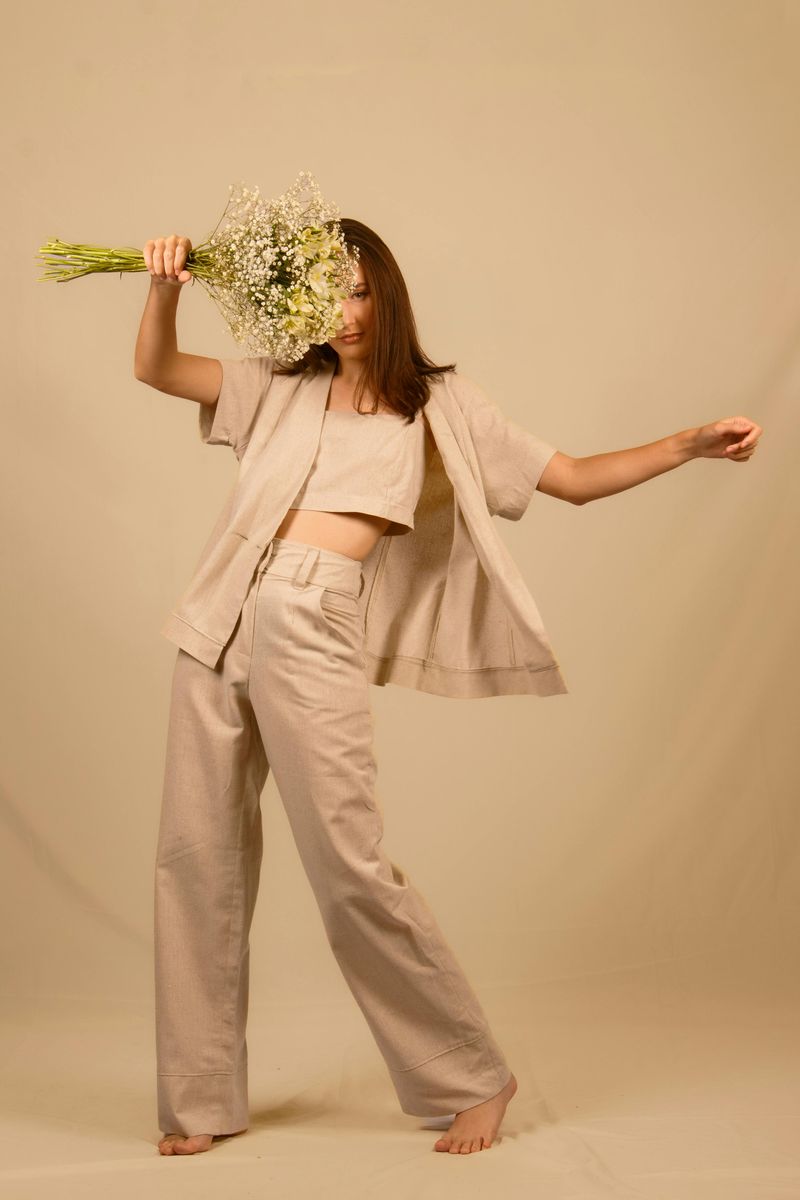
Beige cashmere, cream trousers, and tan loafers sound sophisticated on paper.
In reality, this head-to-toe neutral approach often looks washed out and boring rather than quietly luxurious.
The quiet luxury trend celebrates quality and simplicity, but it needs dimension to avoid looking like a blank canvas.
Texture becomes your best friend when working with neutral palettes.
Combining different materials like wool with silk or linen with leather adds depth without introducing loud colors.
The contrast between matte and shiny, smooth and textured, creates visual interest that pure color cannot.
Structure also plays a crucial role in making basics feel elevated.
A crisp white shirt has more impact than a slouchy tee, even in the same color family.
Choose pieces with interesting cuts, quality fabrics, and varied finishes to keep neutral outfits from falling flat and forgettable.
4. Sheer Without Strategy
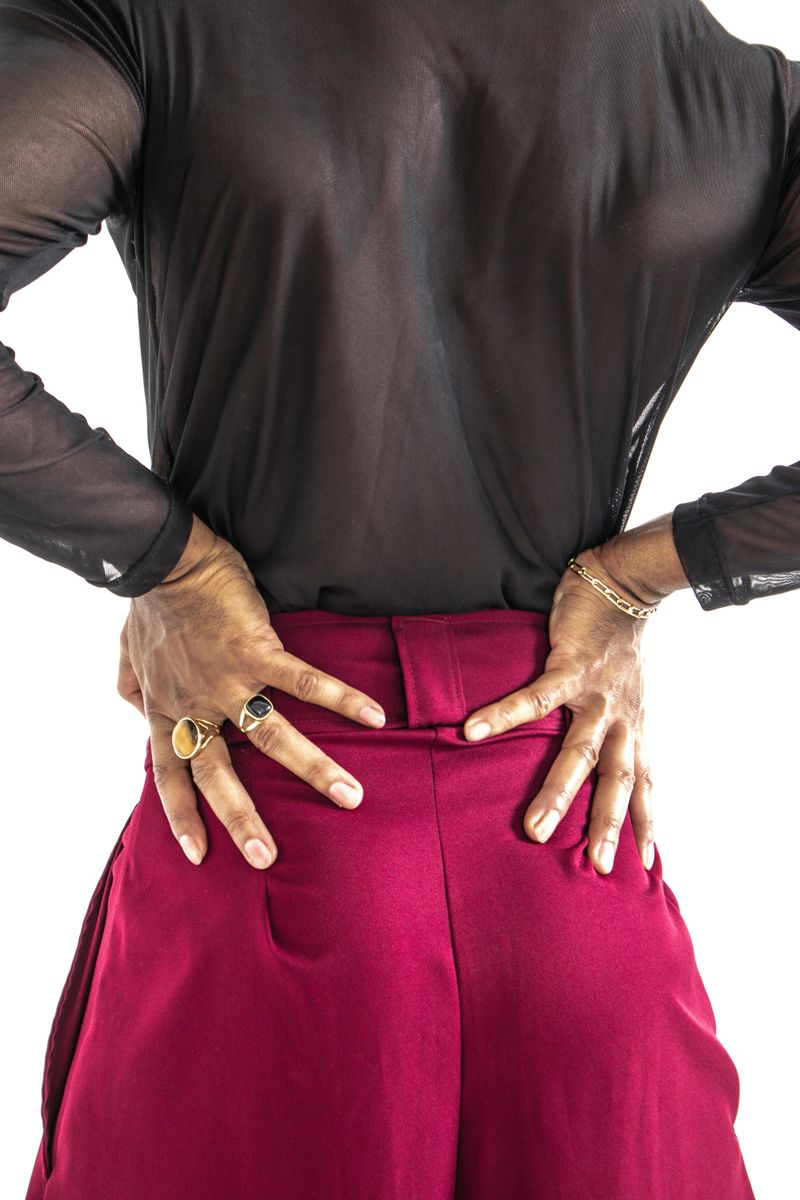
Transparent fabrics are having a major moment, but throwing on a sheer top without planning underneath looks more like a wardrobe malfunction than a fashion choice.
The beauty of sheer pieces lies in thoughtful layering that feels deliberate and polished, not accidental.
Strategic underlayers transform transparency from risky to refined.
A tonal slip dress beneath a sheer overlay creates depth while maintaining modesty.
Structured pieces like fitted tanks or bodysuits give sheer garments something to play against, adding dimension to your look.
Consider the occasion and context when styling transparent items.
A sheer blouse over a coordinating camisole works for daytime, while a sheer dress over a slip suits evening events.
The key is making transparency look intentional through careful color matching, proper undergarments, and confident styling that shows you meant to dress this way.
5. Statement Accessories Competing
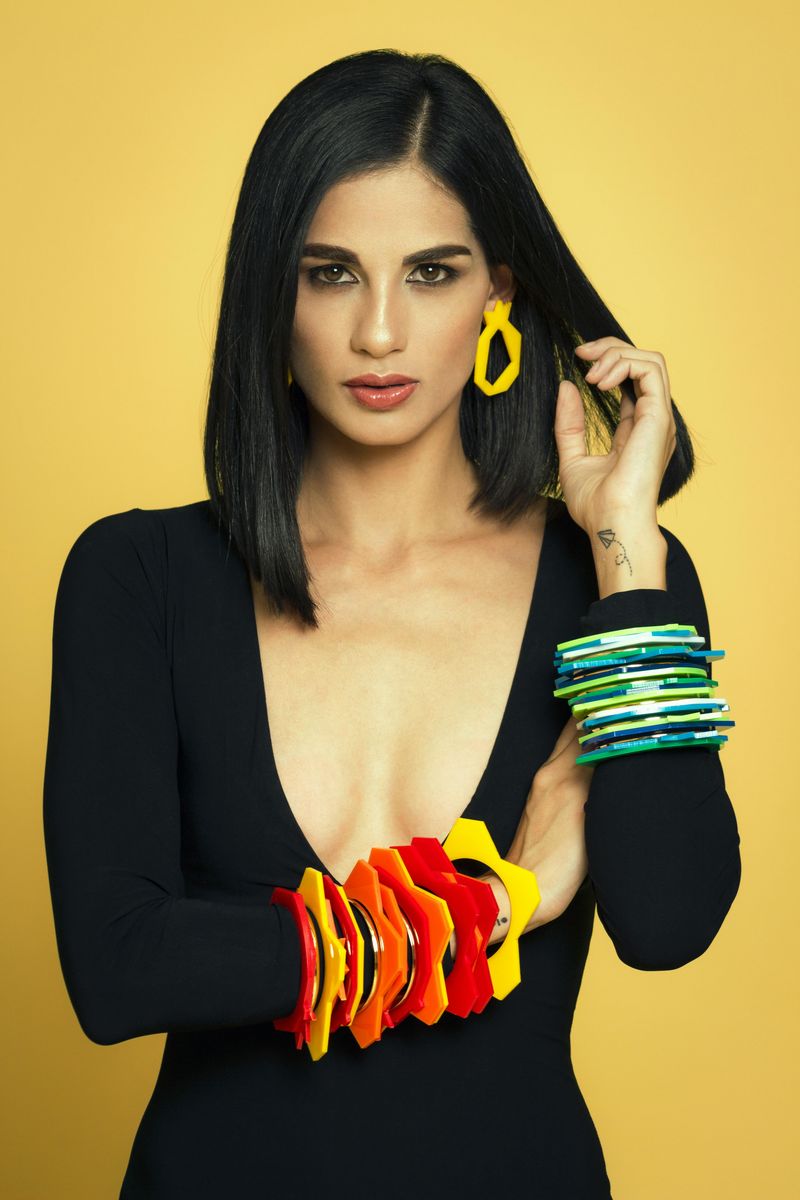
Chunky belts, geometric earrings, massive bags, and bold sunglasses all deserve attention individually.
Wearing them simultaneously turns your outfit into a cluttered accessory showroom where nothing gets proper focus.
Each statement piece fights for the spotlight, leaving viewers confused about where to look.
The one-focal-point rule saves outfits from accessory overload.
Choose your star player—maybe those stunning sculptural earrings—and let everything else stay simple and supportive.
This approach gives your chosen piece room to shine while keeping the overall look balanced and sophisticated.
Supporting accessories should complement rather than compete with your statement piece.
If you’re rocking a bold belt, skip the dramatic jewelry and let the belt define your waist without distraction.
Simple studs and a classic bag allow your statement accessory to be the hero it deserves to be in your outfit.
6. Wearing Trendy Colors That Clash with Undertones
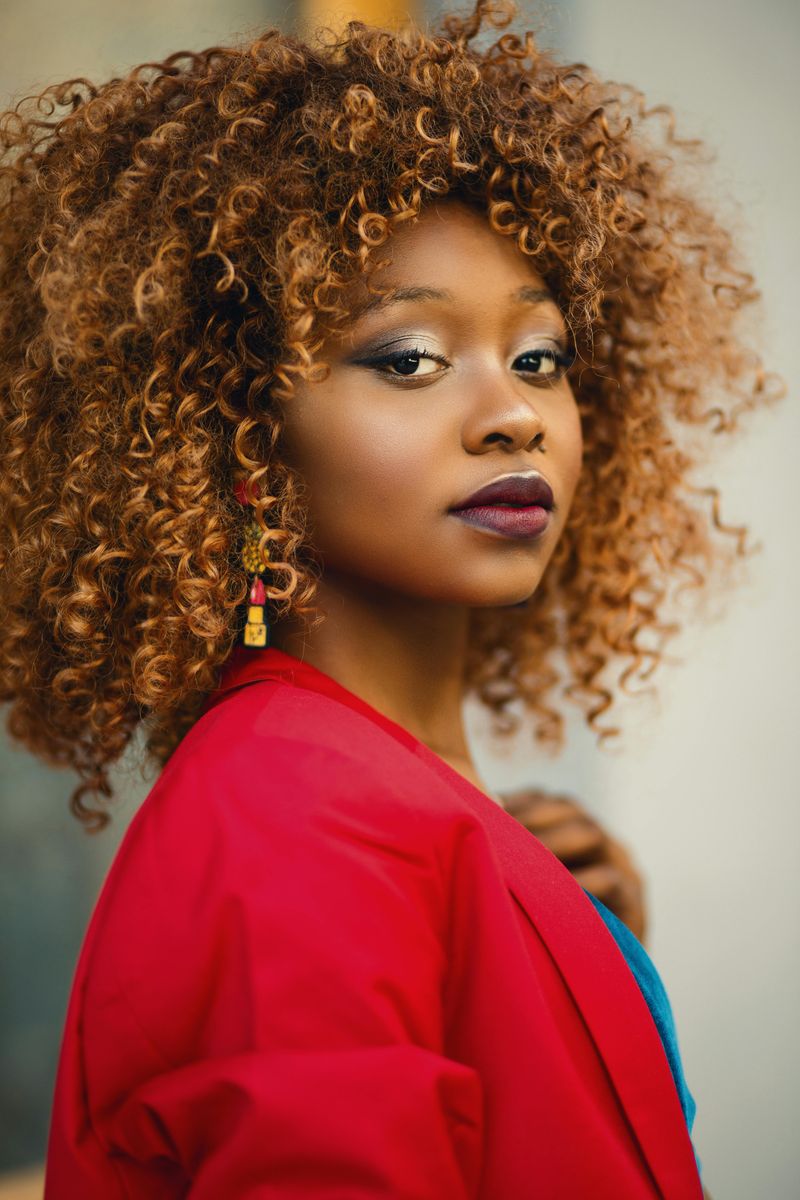
Butter yellow, icy blue, oxblood, and pistachio green flood fashion magazines and stores this season.
These colors look amazing on some people and terrible on others, depending entirely on individual skin undertones.
Ignoring this reality leads to shades that wash you out or make your complexion look harsh and tired.
Understanding whether you have warm or cool undertones changes everything about color selection.
Warm undertones glow in peachy pinks, golden yellows, and olive greens, while cool undertones shine in true reds, jewel tones, and icy pastels.
Choosing trend colors in the wrong temperature family works against your natural coloring.
You can still wear trendy shades by adjusting them to suit your undertone.
Love butter yellow but have cool undertones?
Try a lemon yellow instead.
Want oxblood but lean warm?
Opt for a rust-toned burgundy.
Small adjustments keep you on-trend while flattering your unique coloring beautifully.
7. Platform Fatigue
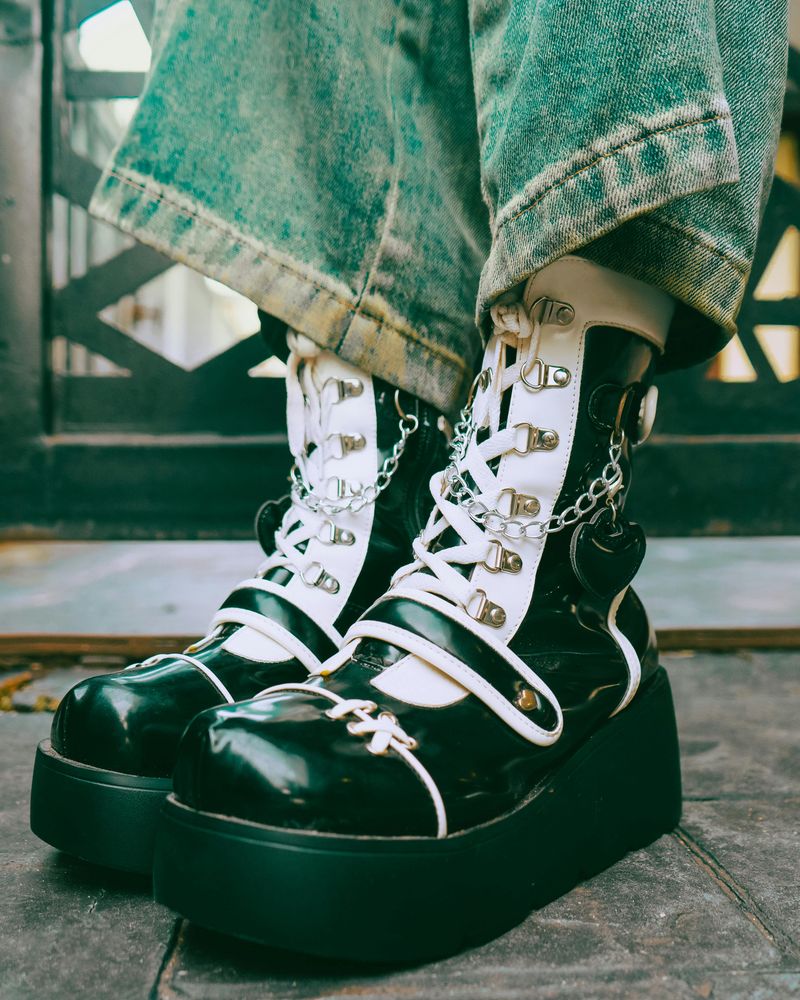
Massive platforms and chunky shoes add instant edge to any outfit, but they can easily overpower sleek silhouettes and throw off your entire proportion.
Those five-inch platform boots might feel fashion-forward, yet they often make streamlined pants and fitted tops look unbalanced and bottom-heavy.
Heavy footwear demands equally strong structure on top to maintain visual equilibrium.
Pairing extreme platforms with delicate fabrics or minimal silhouettes creates an awkward weight distribution that draws all attention downward.
Your outfit needs substance above to counterbalance the bulk below.
Consider the overall line of your look before committing to major platforms.
Structured blazers, bold prints, or voluminous tops help ground heavy shoes within the outfit.
If you’re wearing something streamlined and simple on top, choose footwear with more moderate proportions to keep everything harmonious and intentional rather than accidentally clunky.
8. Over-Distressed Denim
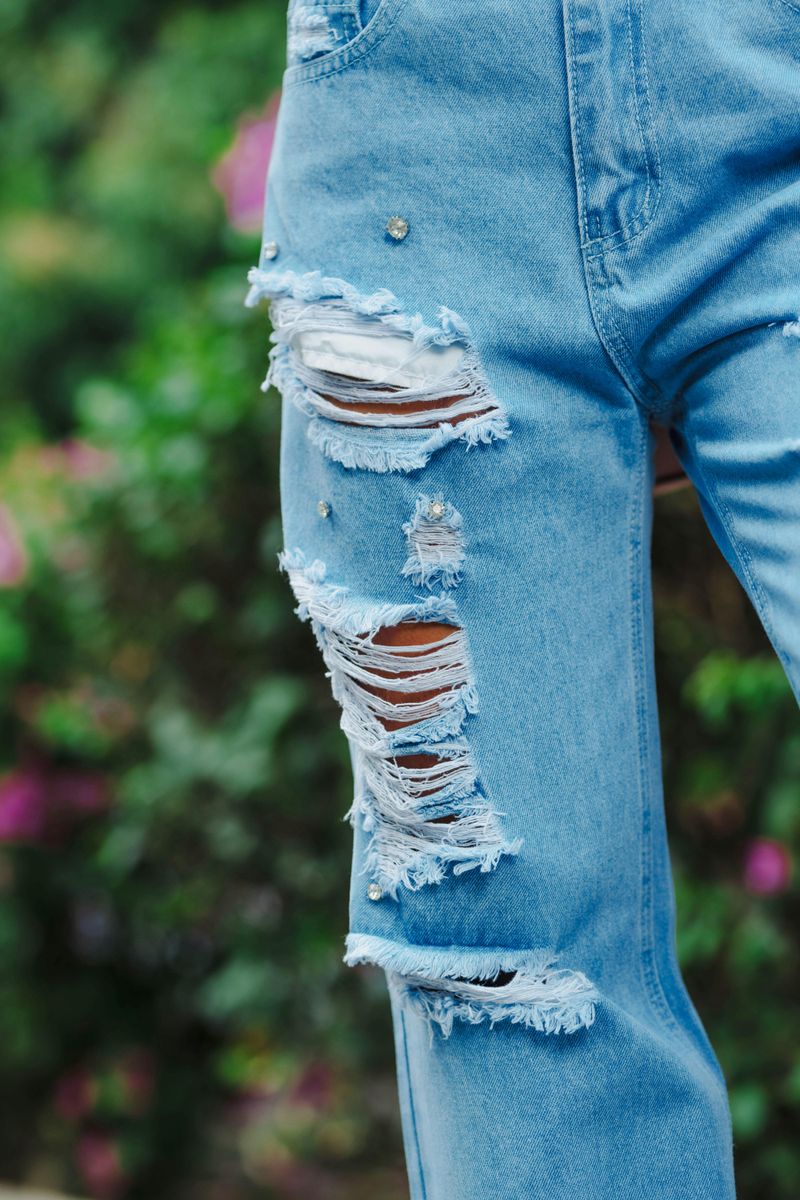
Vintage denim is back, bringing distressing, patchwork, and worn-in washes along for the ride.
Taking this trend too far results in jeans that look more costume than cool, especially when every inch features rips, bleach spots, and fraying.
Excessive distressing ages quickly and often appears try-hard rather than effortlessly stylish.
The best vintage-inspired denim shows restraint with its distressing details.
A few strategic rips at the knees or subtle fading through the thighs feels authentic and lived-in.
Jeans covered in holes, patches, and artificial aging scream “I bought these pre-destroyed” rather than “I’ve loved these for years.”
Refined vintage washes offer trend appeal without the costume effect.
Look for pieces with subtle whiskering, gentle fading, or minimal distressing that suggests real wear rather than factory destruction.
These options keep you current while maintaining sophistication and versatility across different styling situations and age groups.
9. Mismatched Formality
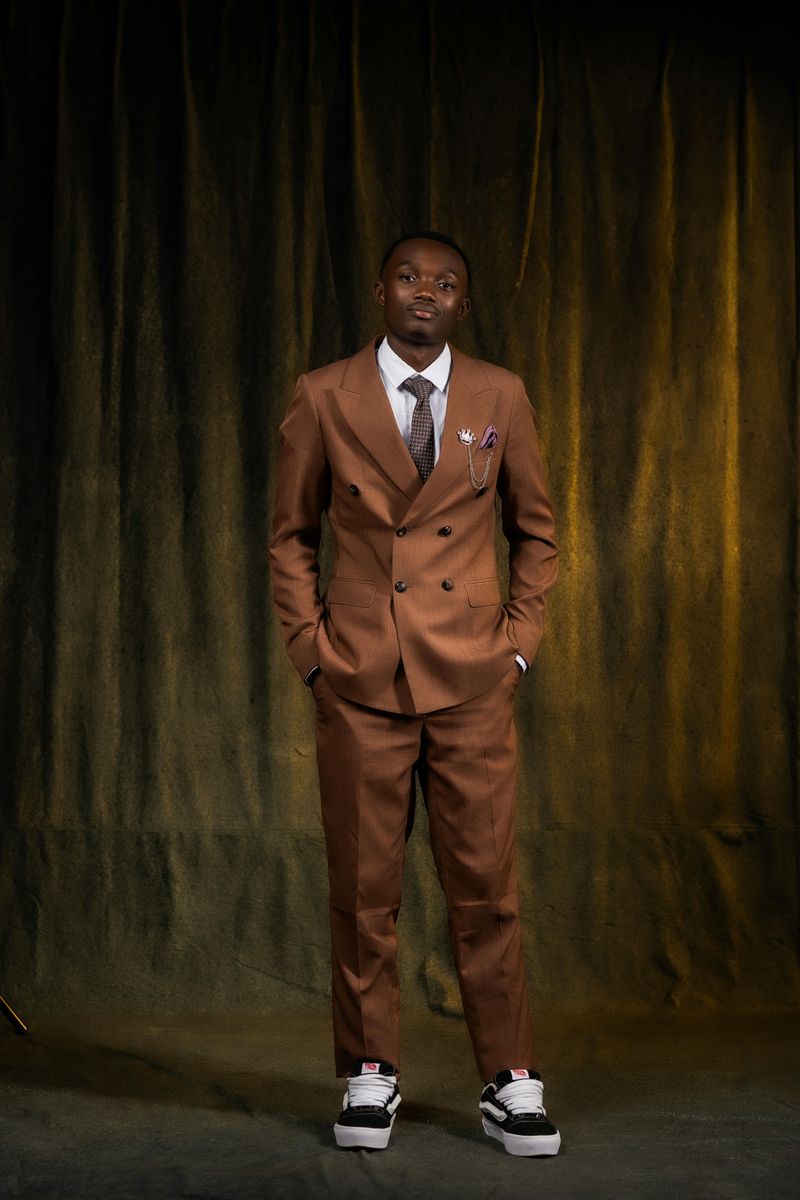
Mixing casual and formal pieces can create interesting contrast when done thoughtfully.
The problem arises when athletic shorts meet crisp blazers without any connecting thread between them.
This formality clash reads confused rather than fashion-forward, leaving people unsure whether you’re heading to the gym or a business meeting.
Successful high-low mixing maintains consistent aesthetic tension throughout the outfit.
Elevated casual means dressing down tailored pieces with quality basics, not gym clothes.
Relaxed tailoring involves softening structured items with refined casual elements that share a similar mood and finish.
The fabrics and finishes you choose determine whether mixed formality works or falls flat.
Pairing a blazer with tailored joggers in a nice fabric creates cohesion, while throwing it over basketball shorts creates discord.
Keep your formality levels within one or two steps of each other for looks that feel intentionally styled rather than accidentally thrown together.
10. Neglecting Fabric Quality in Trend Pieces
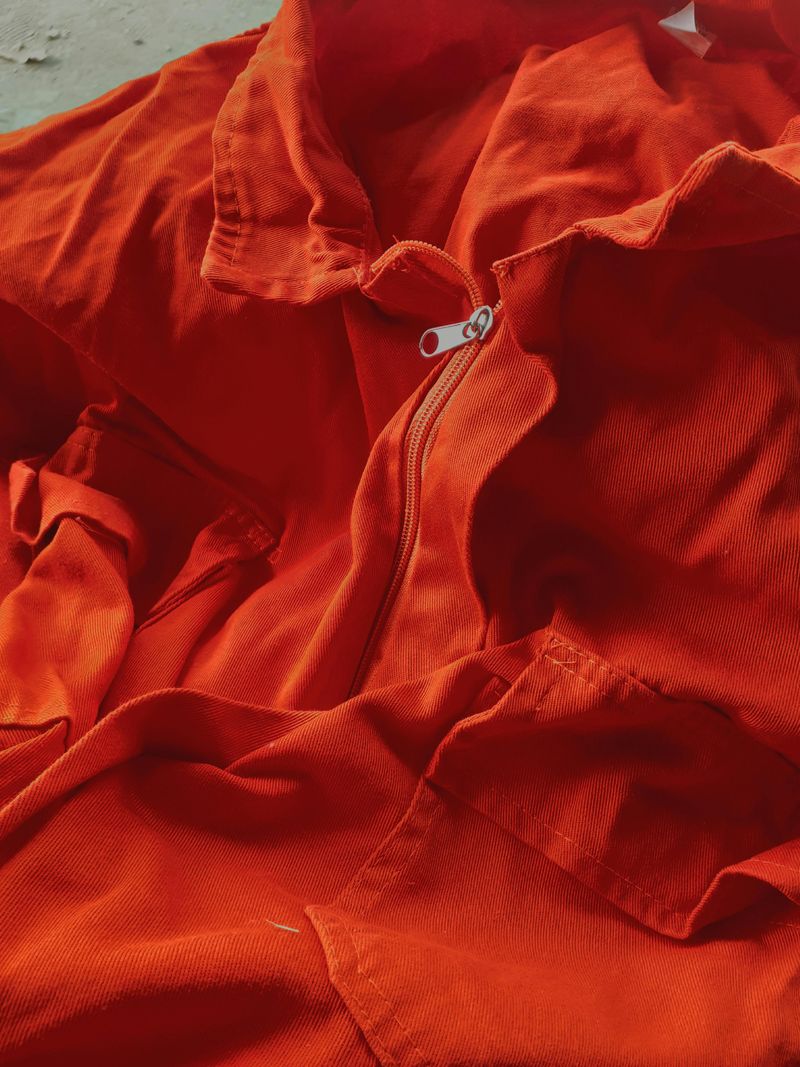
Jumping on viral trends often means grabbing the cheapest version available, but poor fabric quality undermines even the best silhouettes.
That trendy knit top loses all appeal when the material is see-through thin or has an unnatural sheen.
Shiny synthetics and flimsy fabrics scream “fast fashion” regardless of how current the style might be.
Quality materials elevate trend pieces from disposable to investment-worthy.
Natural fibers like cotton, wool, and linen drape better, last longer, and simply look more expensive than their synthetic counterparts.
The way fabric moves and feels against your body affects how confident and comfortable you appear wearing it.
Before buying into a trend, check the fabric content and construction quality.
Does the material feel substantial?
Will it hold its shape after washing?
A well-made trend piece in quality fabric serves your wardrobe far better than five cheap versions that pill, fade, or stretch out after one wear.
Better fabric always beats trendiness alone.
11. Forgetting Personal Style for Trends
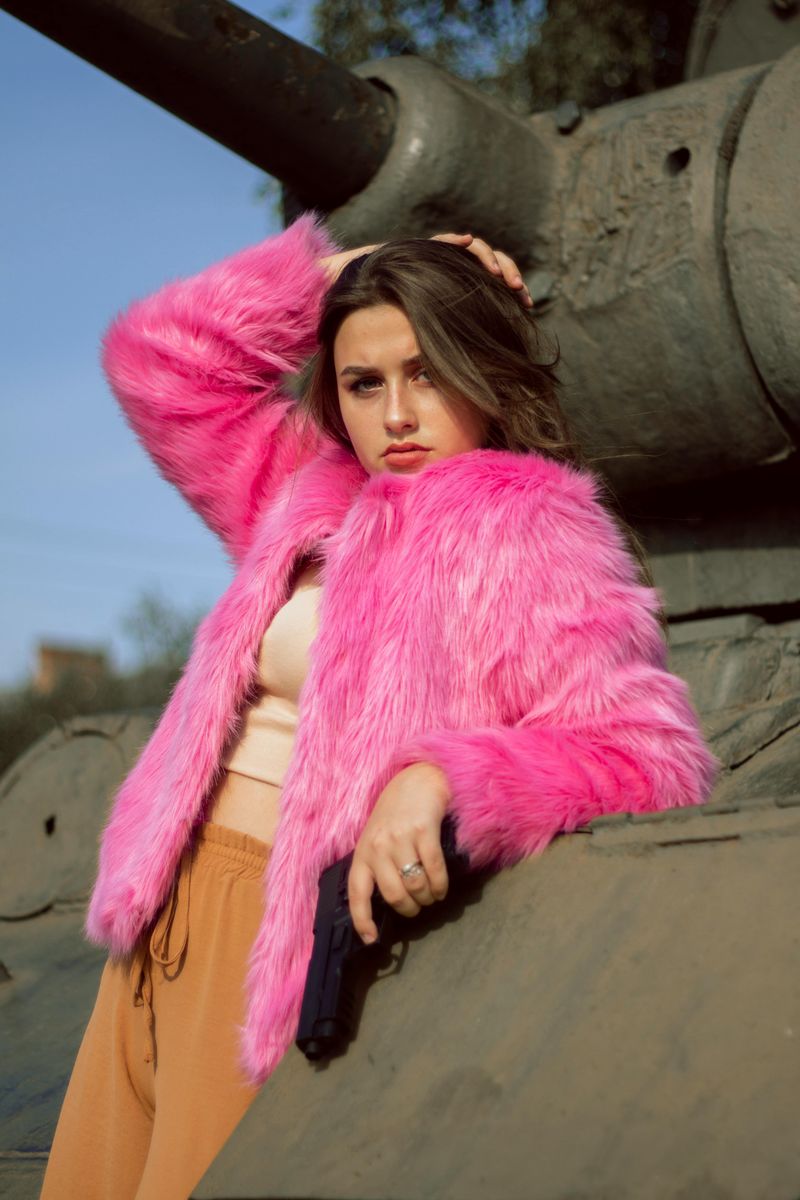
Chasing every trend without considering your personal aesthetic leads to a closet full of clothes that never feel quite right.
You might look current in photos, but if the style doesn’t align with who you are, you’ll feel uncomfortable and awkward all day.
Fashion should enhance your confidence, not make you feel like you’re wearing a costume.
Your body type, lifestyle, and personality should guide trend adoption more than Instagram feeds.
A trend that works beautifully on someone else might not suit your proportions, daily activities, or comfort level.
Forcing yourself into styles that don’t fit your life creates frustration rather than joy in getting dressed.
The best-dressed people adapt trends to suit their existing style rather than abandoning their identity for what’s popular.
Take elements you genuinely love from current trends and incorporate them in ways that feel authentic.
This selective approach keeps your wardrobe fresh while maintaining the personal style that makes you feel most like yourself and genuinely confident.