 MomSkoop
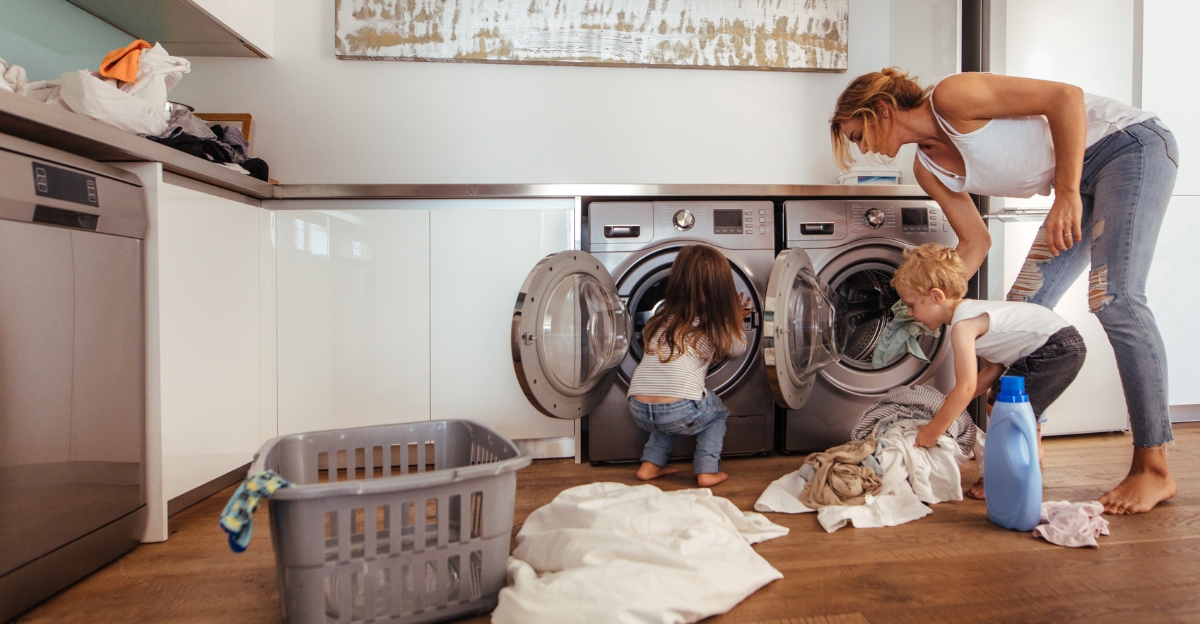
We all have cleaning habits passed down from parents or picked up somewhere along the way.
Many of these routines feel like absolute rules we must follow, but are they really necessary?
Some of these so-called cleaning must-dos are actually myths that waste our time, energy, and money.
Ready to break free from outdated habits and discover smarter ways to keep your home clean?
1. Washing Towels After Every Single Use
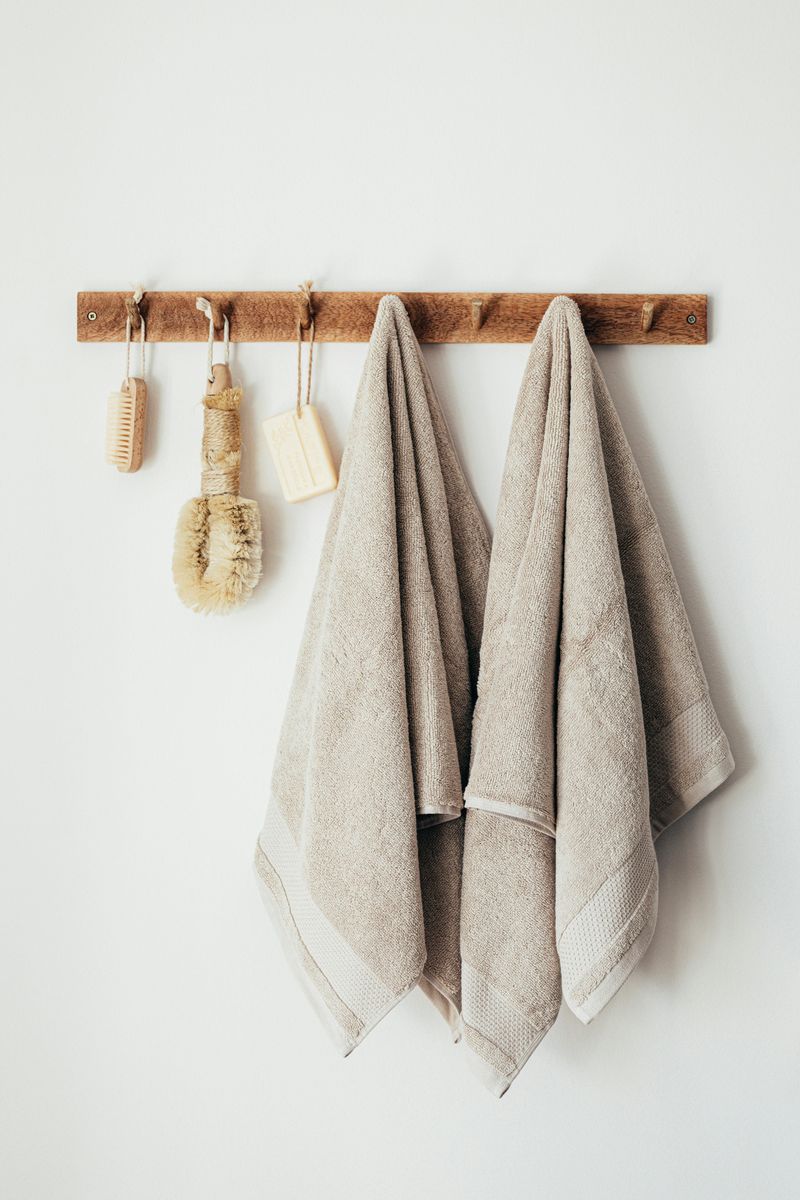
Your bathroom towel doesn’t need a trip to the laundry basket after one use.
When you dry off after a shower, you’re already clean, so the towel mostly absorbs water.
Washing towels constantly wastes water, electricity, and detergent while wearing out the fabric faster than necessary.
Most experts agree that bath towels can be used three to five times before washing, as long as they dry properly between uses.
Hang your towel spread out so air can circulate and prevent musty smells.
Hand towels in the kitchen or bathroom might need more frequent washing since they handle dirtier hands, but even those don’t require daily laundering unless visibly soiled or smelly.
2. Saving Worn-Out Cleaning Cloths That No Longer Work
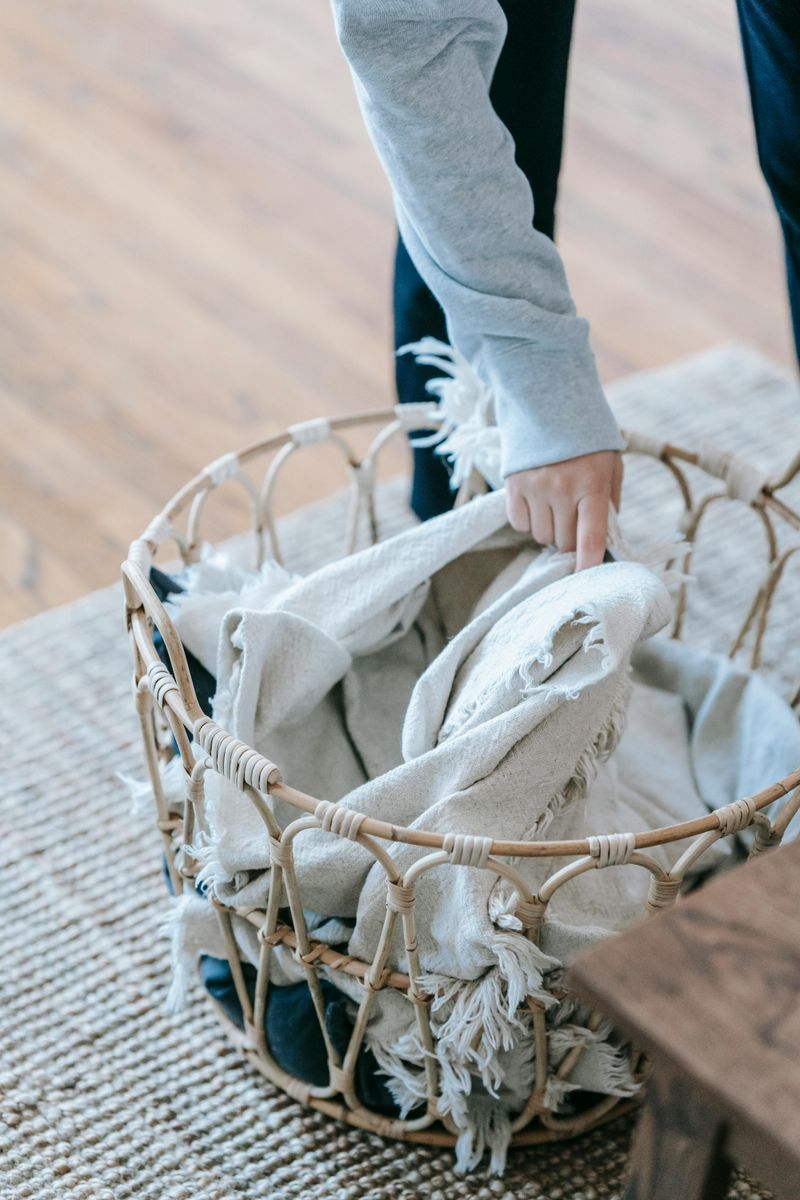
Holding onto raggedy cleaning rags seems thrifty, but it actually makes cleaning harder.
Old cloths with holes, frayed edges, or stiff fabric don’t pick up dirt effectively and can even scratch surfaces.
You end up working twice as hard for half the results, which defeats the whole purpose of cleaning efficiently.
Quality matters more than quantity when it comes to cleaning tools.
A few good microfiber cloths will outperform a drawer full of worn-out t-shirts every time.
Microfiber traps dirt and absorbs liquids better than cotton, and they last longer too.
When your cleaning cloths stop doing their job, recycle them for garage work or compost them if they’re natural fibers.
3. Hand-Washing Dishes Before Loading the Dishwasher
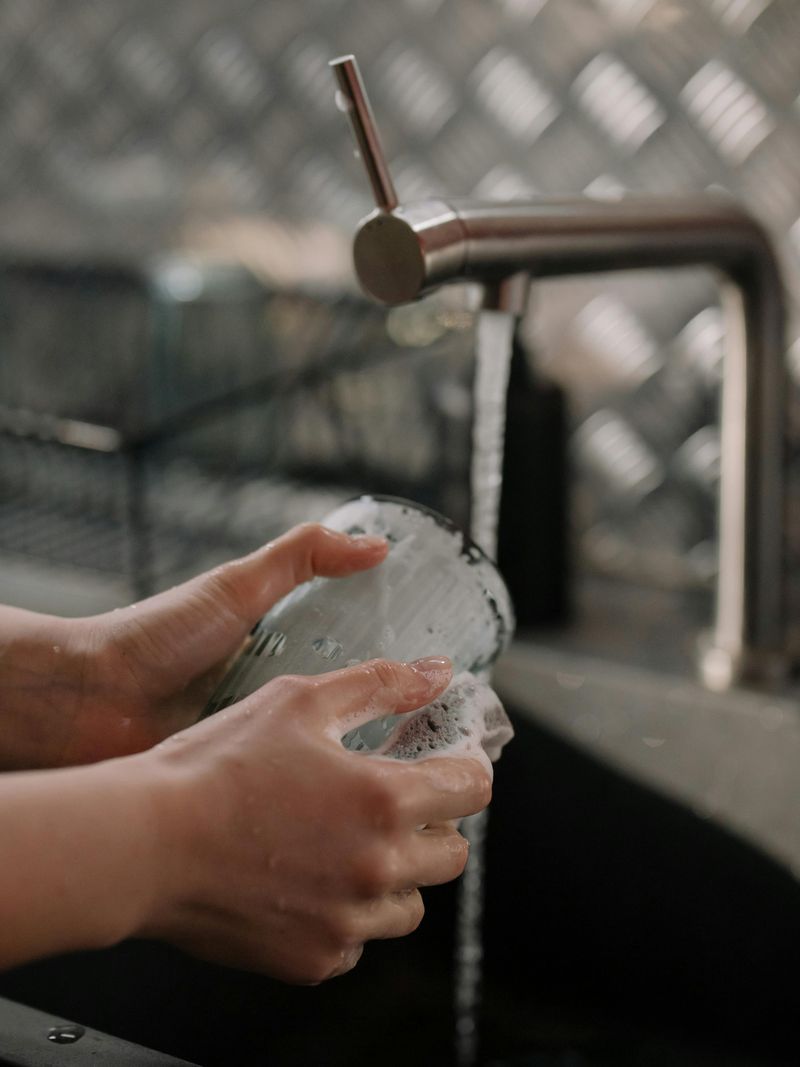
If you’re scrubbing dishes clean before putting them in the dishwasher, you’re basically washing them twice.
Modern dishwashers are designed to handle food particles and have powerful jets and enzymes in detergent that break down stuck-on food.
Pre-washing actually makes your dishwasher less effective because the detergent needs something to cling to and work on.
Just scrape off large chunks of food into the trash or compost, then load your dishes.
Your dishwasher’s sensors detect how dirty dishes are and adjust water and cycle time accordingly.
You’ll save gallons of water, precious time, and energy.
Only pre-rinse if dishes will sit for several days or have dried, crusty food.
4. Cleaning the Entire House on a Rigid Weekly Schedule
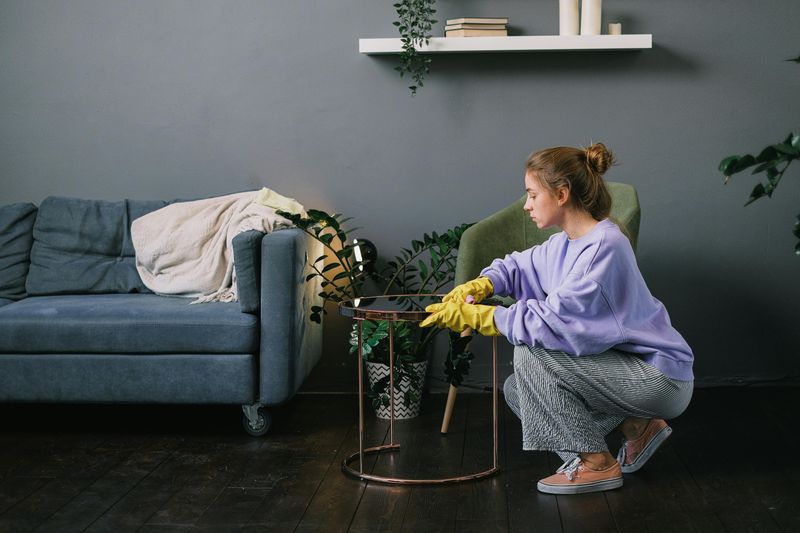
Saturday morning deep-clean sessions feel productive, but they’re often unnecessary and exhausting.
Not every room needs the same attention every week, and forcing yourself into a rigid schedule creates stress rather than cleanliness.
Bathrooms and kitchens need regular attention, but guest bedrooms or formal dining rooms might go weeks without needing a thorough clean.
Clean based on actual need instead of arbitrary schedules.
Some areas might need attention twice a week while others can wait two weeks.
This flexible approach saves energy and makes cleaning feel less like a chore.
Keep a mental or written note of what actually needs doing, and tackle those tasks when they matter, not when the calendar says so.
5. Using Harsh Chemical Cleaners for Every Surface
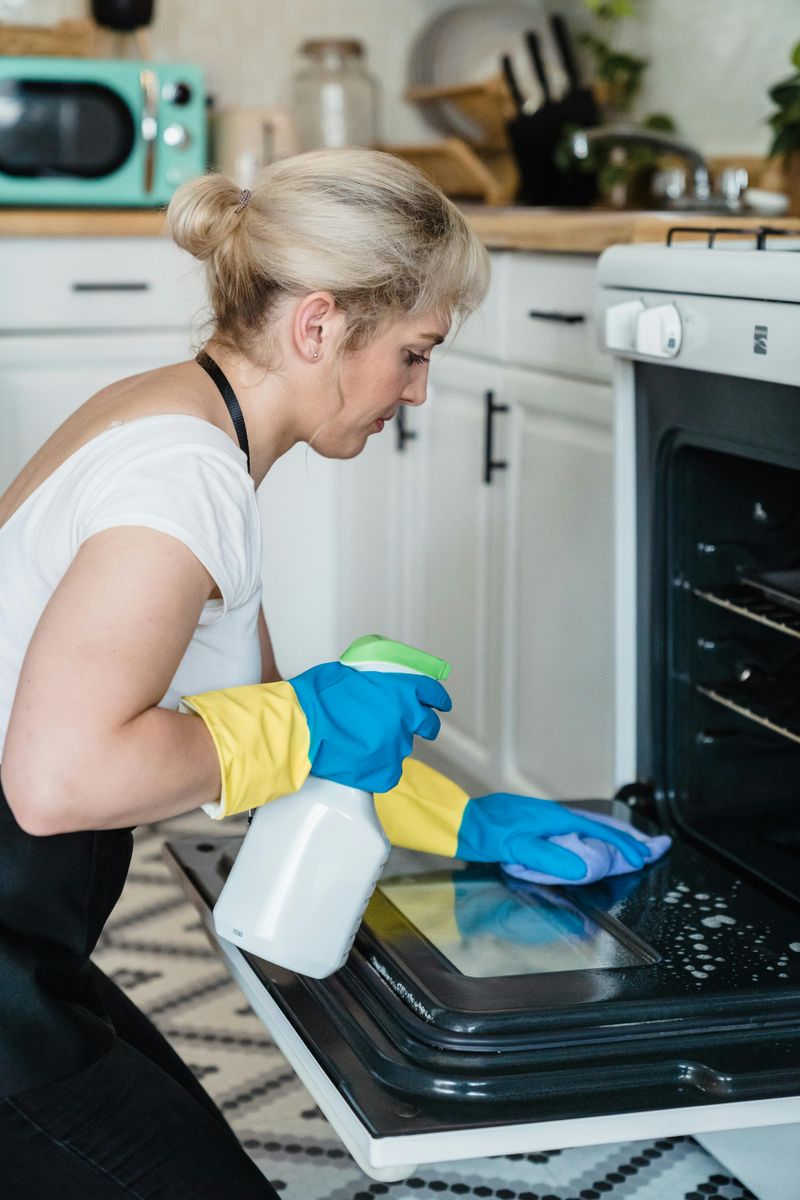
Commercial cleaning products promise sparkling results, but most surfaces don’t need industrial-strength chemicals.
Many tough cleaners contain ingredients that can irritate skin, eyes, and lungs while polluting indoor air quality.
Plus, they’re expensive and often unnecessary for everyday messes that simple soap and water can handle just fine.
Vinegar, baking soda, and dish soap tackle most household cleaning jobs effectively and safely.
A microfiber cloth with plain water removes dust and light dirt from most surfaces without any cleaner at all.
Save the heavy-duty products for truly stubborn stains or specific problems like mold.
Your wallet, health, and environment will all benefit from this gentler approach to cleaning.
6. Keeping Items Just in Case with No Real Plan

That box of mystery cables, those extra buttons from clothes you no longer own, or the stack of plastic containers without lids—we keep them thinking we might need them someday.
This just-in-case mentality fills our homes with clutter that makes cleaning harder and finding what we actually need nearly impossible.
Be honest about whether you’ll really use something.
If you haven’t touched it in a year and can’t think of a specific upcoming use, it’s probably safe to let it go.
Keeping fewer items means less to clean, organize, and move around when you do clean.
The mental clarity from a less cluttered space is worth more than theoretical future uses for random stuff.
7. Making Beds Immediately After Waking Up
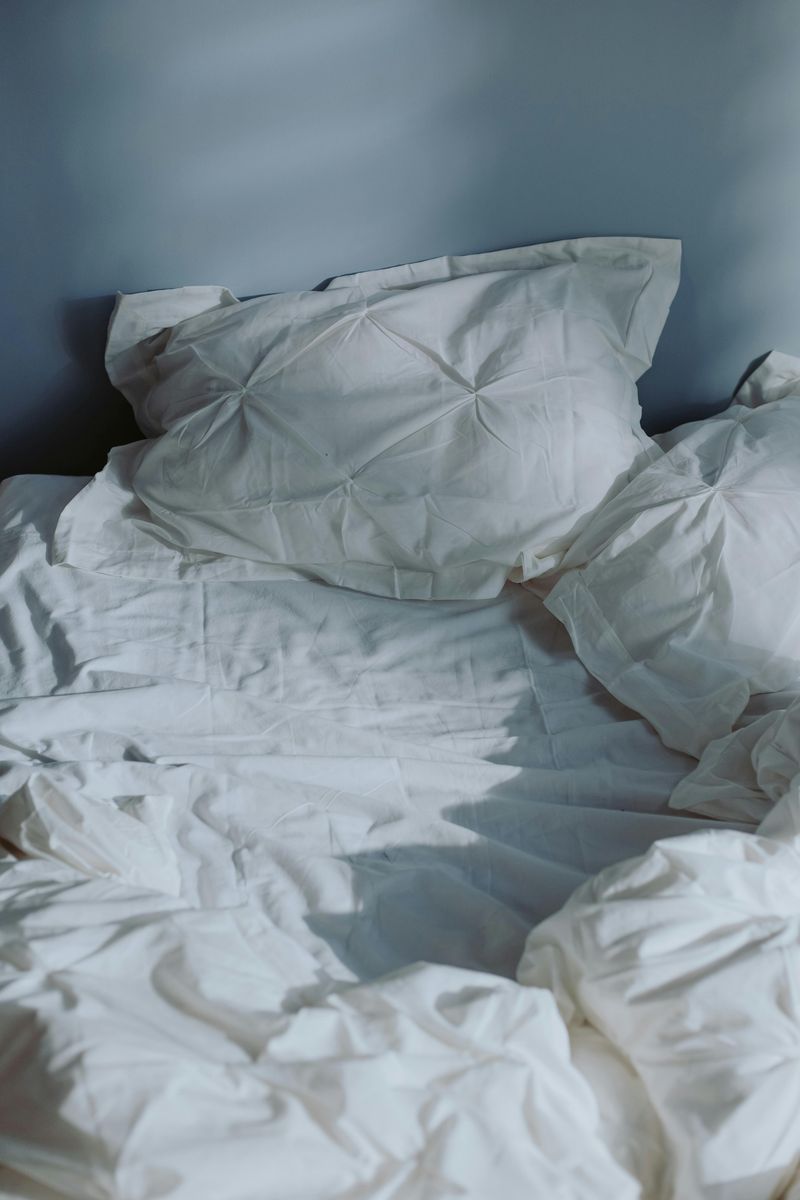
Making your bed right when you roll out of it might seem like good discipline, but it traps moisture and warmth inside.
While you sleep, your body releases moisture—up to a pint of water vapor each night—that gets absorbed by sheets and mattresses.
Immediately tucking everything in creates a cozy environment where dust mites thrive.
Pull back your covers and let your bed air out for at least 30 minutes before making it.
This allows moisture to evaporate and creates a less hospitable environment for dust mites and bacteria.
Open a window for even better ventilation if weather permits.
A slightly delayed bed-making routine is actually better for hygiene than the immediate version we’ve been taught.
8. Polishing Furniture on a Fixed Routine
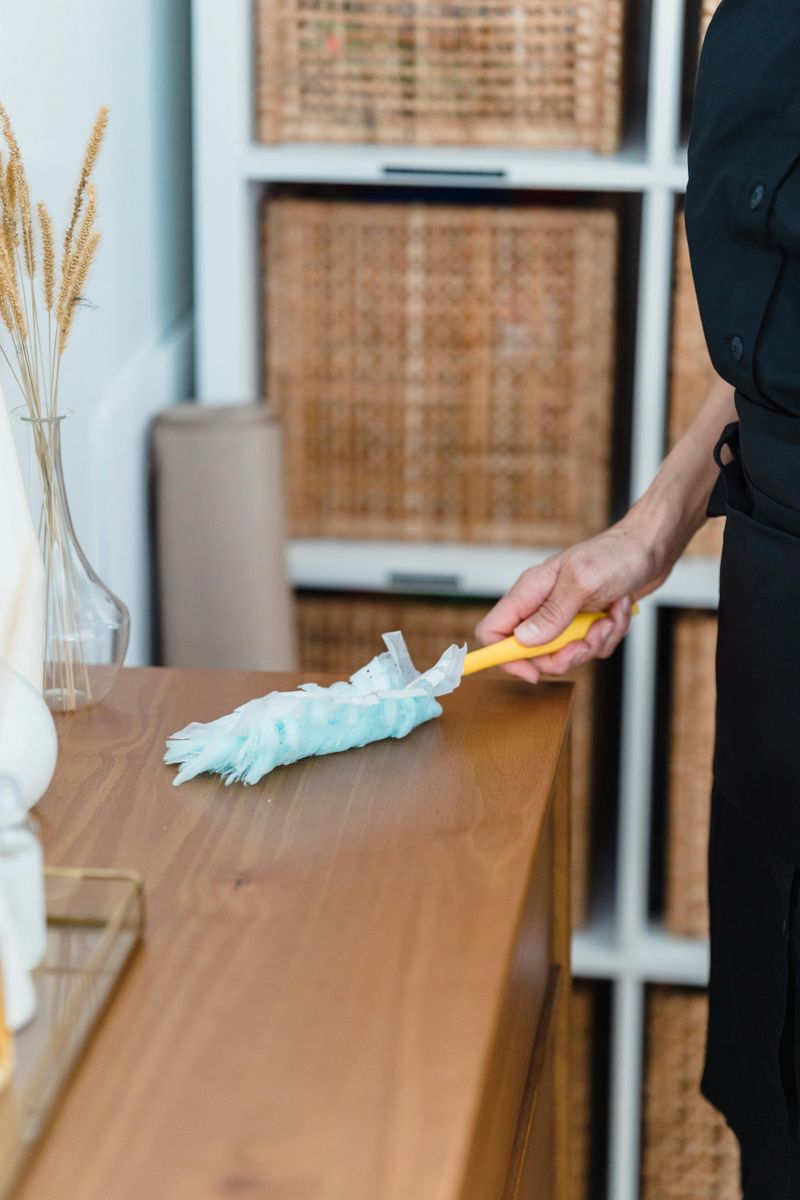
Furniture polish advertisements suggest weekly applications, but most furniture doesn’t need that much attention.
Over-polishing can actually build up residue that attracts more dust and makes surfaces look dull and greasy.
Real wood furniture benefits from occasional conditioning, but not the constant spraying many of us do out of habit.
Most furniture only needs dusting with a dry or slightly damp cloth.
Polish or condition wood pieces a few times a year or when they look dry, not according to a rigid schedule.
Different finishes need different care—some modern furniture finishes don’t need polish at all and can be damaged by it.
Check your furniture’s care instructions before establishing any routine polishing habit.
9. Treating Clutter as a Moral Failure

Clutter happens to everyone, but we often beat ourselves up about it as if messy counters reflect our worth as people.
This guilt doesn’t help—it just makes cleaning feel emotionally heavy and shameful.
Clutter usually results from systems that don’t work, not from personal failings or laziness.
Instead of feeling bad, look at clutter as information about what needs fixing.
Mail piling up means you need a better system for sorting it.
Shoes by the door mean you need better storage right there.
Approach clutter with curiosity rather than judgment.
When you stop seeing mess as a character flaw, you can create practical solutions that actually work for how you live, making maintenance much easier and stress-free.
10. Cleaning from Top to Bottom Every Time
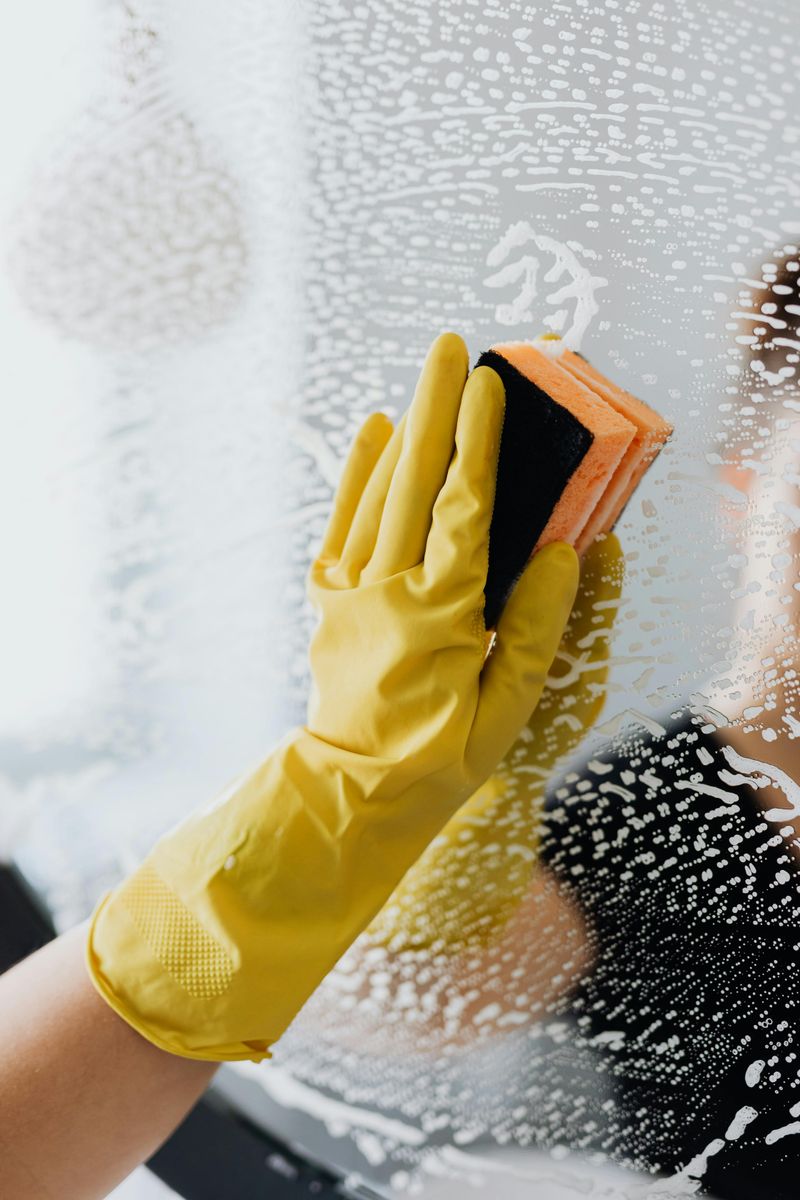
Professional cleaners work top to bottom during deep cleans so dust falls onto uncleaned surfaces below.
But applying this rule to every quick cleanup is overkill and wastes time.
If you’re just wiping the bathroom counter or tidying the living room, you don’t need to start at the ceiling fan.
Save the top-to-bottom method for thorough cleaning sessions when you’re doing everything.
For daily maintenance or spot cleaning, just address what needs attention.
Wipe the mirror, clean the sink, and move on with your day without following an elaborate order.
Efficiency comes from matching your cleaning method to the actual task, not rigidly following professional techniques meant for different situations.
11. Following Inherited Cleaning Rules Without Questioning Them

Many cleaning habits get passed down through generations like family recipes, but unlike grandma’s cookie recipe, her cleaning methods might be outdated.
Our parents and grandparents worked with different products, materials, and knowledge than we have today.
What made sense for their homes and lives might not fit ours.
Question why you do what you do.
Does it actually work, or are you just doing it because that’s how you learned?
Modern appliances, materials, and products often require different care than older versions.
Research current best practices for your specific items and surfaces.
Respecting tradition is fine, but your cleaning routine should serve your life, not the other way around.
Update what needs updating without guilt.