 MomSkoop
Some perfumes are more than just nice smells in a bottle.
They changed the way people think about fragrance forever.
These eleven legendary scents broke rules, started trends, and inspired thousands of perfumes that came after them.
From Hollywood glamour to modern freshness, each one tells a story about the time it was created and continues to shape what we spray on ourselves today.
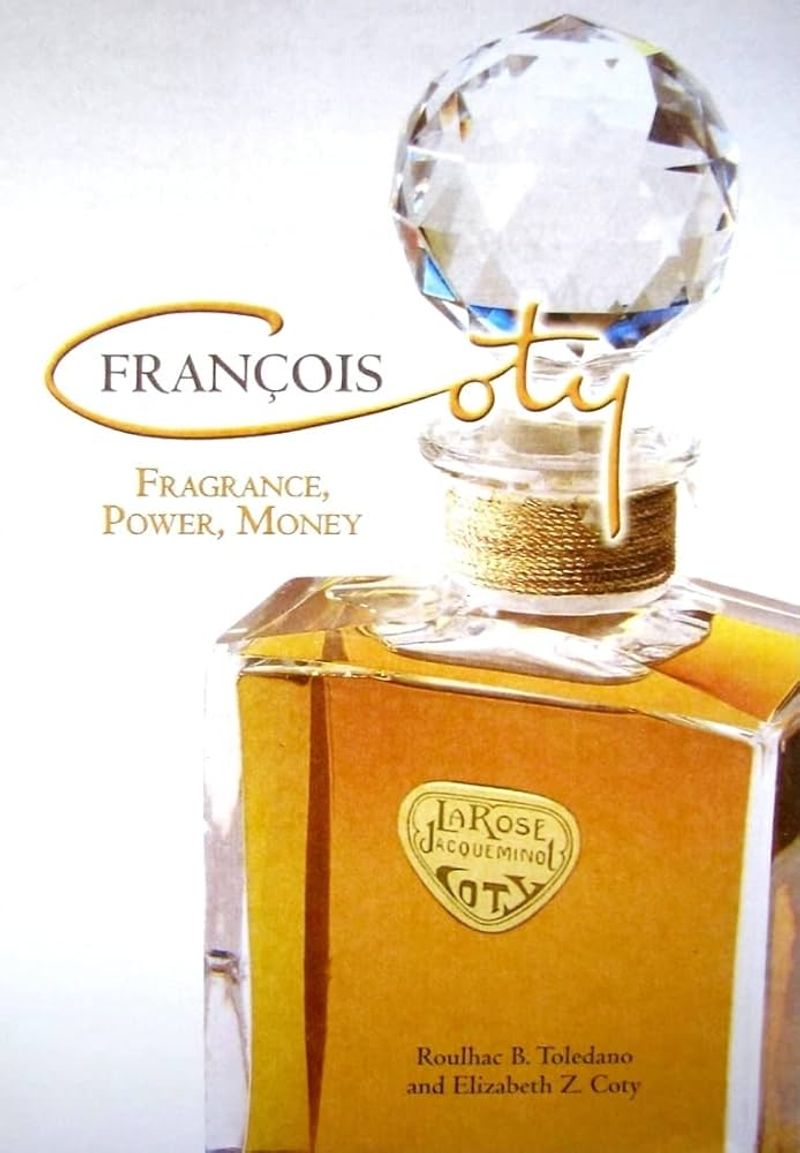
1. Coty — Chypre (1917)
Before Chypre came along, perfumes were mostly sweet and flowery.
François Coty had a different vision that mixed fresh citrus with earthy moss and mysterious woods.
This combination created an entirely new fragrance family that perfumers still use as their blueprint.
The name comes from Cyprus, a Mediterranean island known for beautiful gardens.
Coty wanted to capture that sun-warmed, forest-floor feeling in a bottle.
His creation smelled sophisticated and natural at the same time.
Today, hundreds of perfumes are called “chypre” because they follow this original recipe.
You’ll find this style in both men’s and women’s fragrances.
Chypre proved that perfume could be complex and artistic, not just pretty.
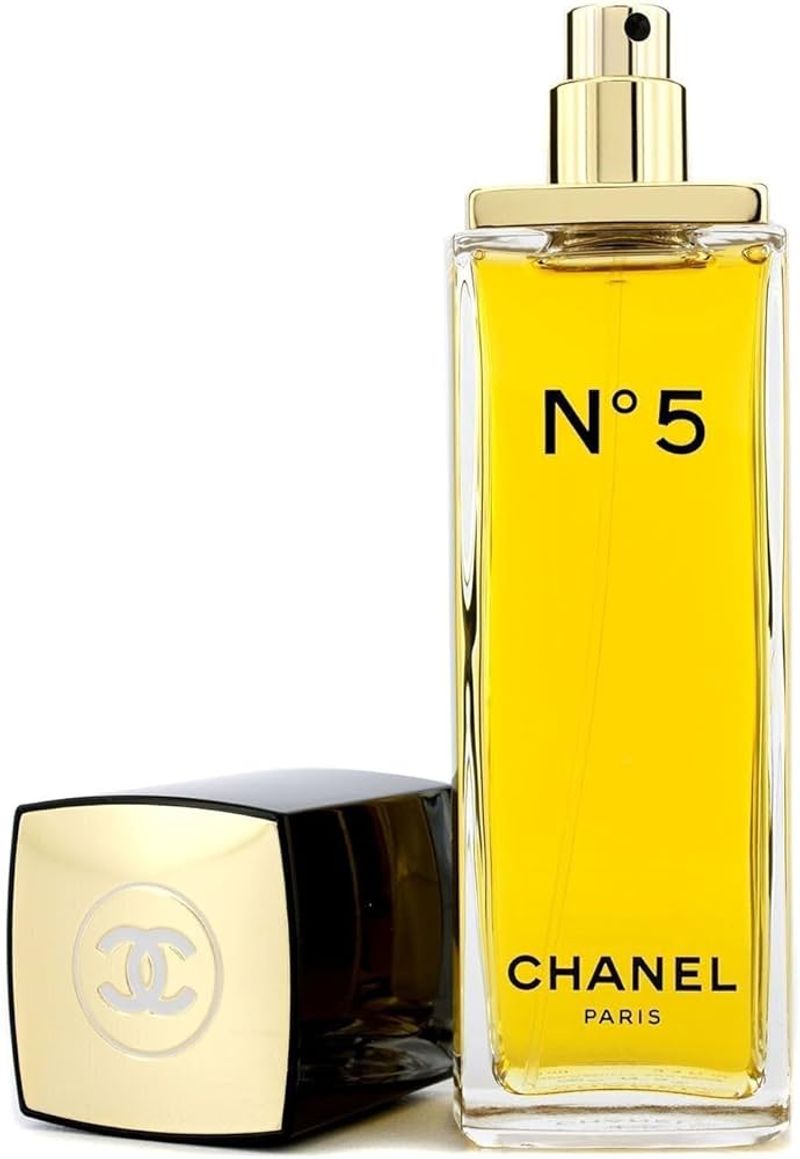
2. Chanel — Chanel No. 5 (1921)
Coco Chanel wanted a perfume that smelled like a woman, not a flower garden.
She asked perfumer Ernest Beaux to create something completely modern.
What he made became the most famous perfume in the world.
The secret was using aldehydes, which are synthetic ingredients that smell clean and sparkly.
Mixed with jasmine and rose, they created a scent that was both warm and fresh.
The simple bottle design was revolutionary too, looking more like a whiskey decanter than a fancy perfume.
Marilyn Monroe once said she wore nothing to bed but Chanel No. 5.
That quote made it even more legendary.
Almost every perfume today uses some version of this aldehydic floral style.
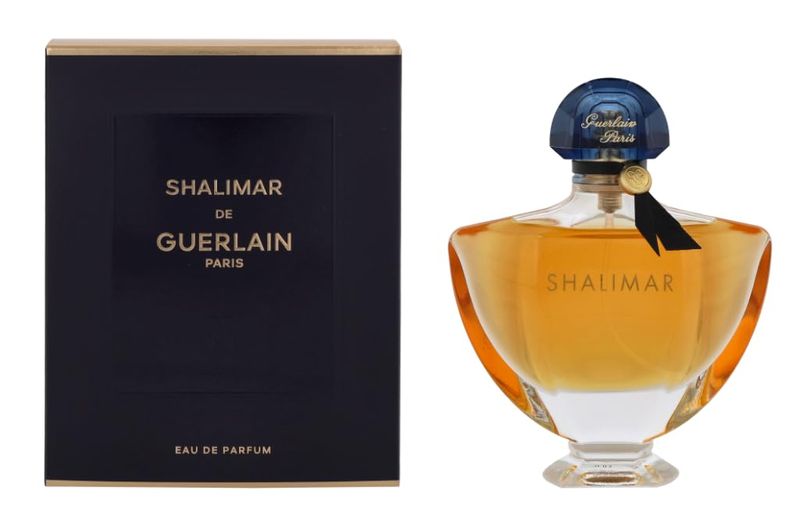
3. Guerlain — Shalimar (1925)
Jacques Guerlain created Shalimar as a love letter to an Indian emperor’s romance.
The Shalimar gardens were built as a symbol of eternal love, and this perfume captures that passionate story.
It smells like warm vanilla mixed with exotic spices and citrus.
What made it groundbreaking was the heavy use of vanilla, which was unusual for fine perfumes back then.
Guerlain also added synthetic vanillin to make it even richer and longer-lasting.
The result was intoxicating and comforting at once.
Shalimar invented the “oriental” fragrance family that focuses on sweet, spicy, and warm notes.
Countless perfumes have tried to recreate its magic.
The bottle’s design, inspired by Indian architecture, is instantly recognizable almost a century later.
4. Caron — Pour Un Homme de Caron (1934)
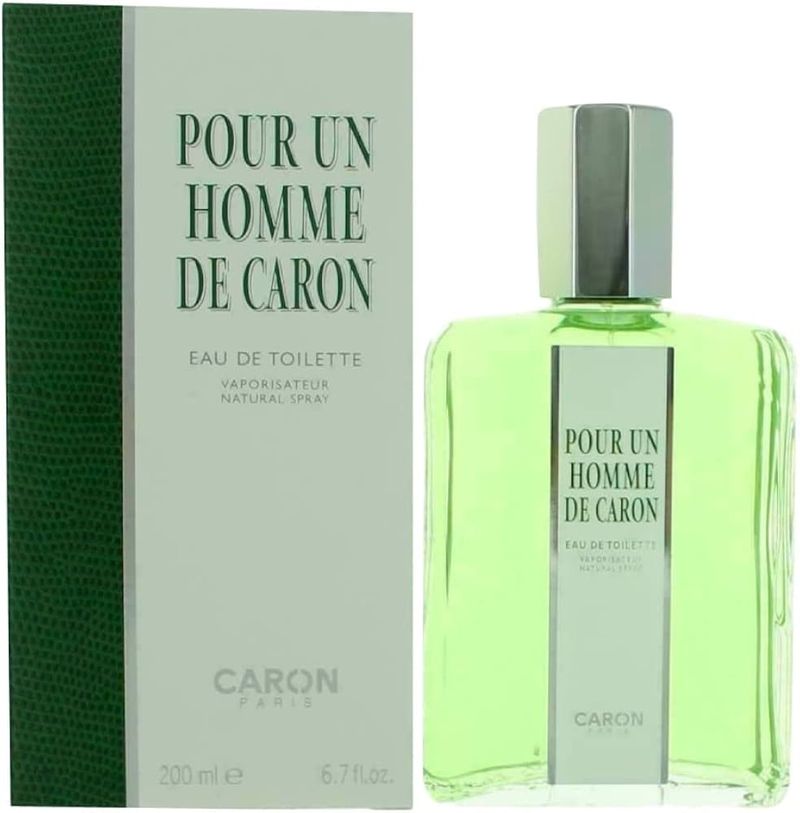
Most men’s colognes in the 1930s smelled like barbershops or leather.
Ernest Daltroff decided to add lavender and vanilla together, which nobody had really done before for men.
This unexpected pairing created something fresh yet comforting that guys actually wanted to wear daily.
The lavender gives it a clean, herbal opening that feels traditional.
Then the vanilla comes through, making it warm without being too sweet.
It’s like smelling freshly laundered shirts with a hint of dessert in the background.
Pour Un Homme proved that men’s fragrances could be sophisticated and a little soft.
It influenced countless “fougère” style colognes that balance fresh and sweet.
Many modern men’s scents still follow this exact formula today.
5. Dior — Miss Dior (1947)
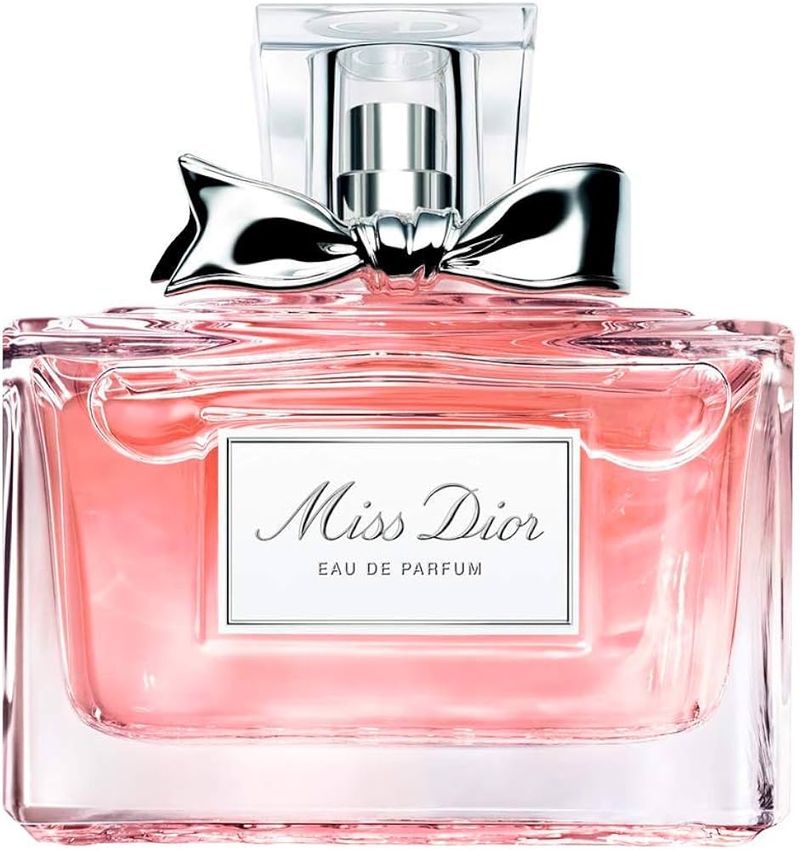
Christian Dior launched his fashion house and Miss Dior perfume the same year, right after World War II ended.
France was ready for beauty and optimism again.
This perfume smelled like a massive bouquet of fresh flowers with a hint of leather underneath, bold and feminine.
The original formula was much greener and more complex than today’s version.
It had galbanum, which smells like cut grass, mixed with roses and jasmine.
The leather note added an unexpected edge that made it unforgettable.
Miss Dior showed that women’s perfumes could be powerful and confident, not just delicate.
It paired perfectly with Dior’s “New Look” fashion that celebrated curves and femininity.
This perfume helped define what luxury smelled like in the postwar era.
6. Estée Lauder — Youth-Dew (1953)
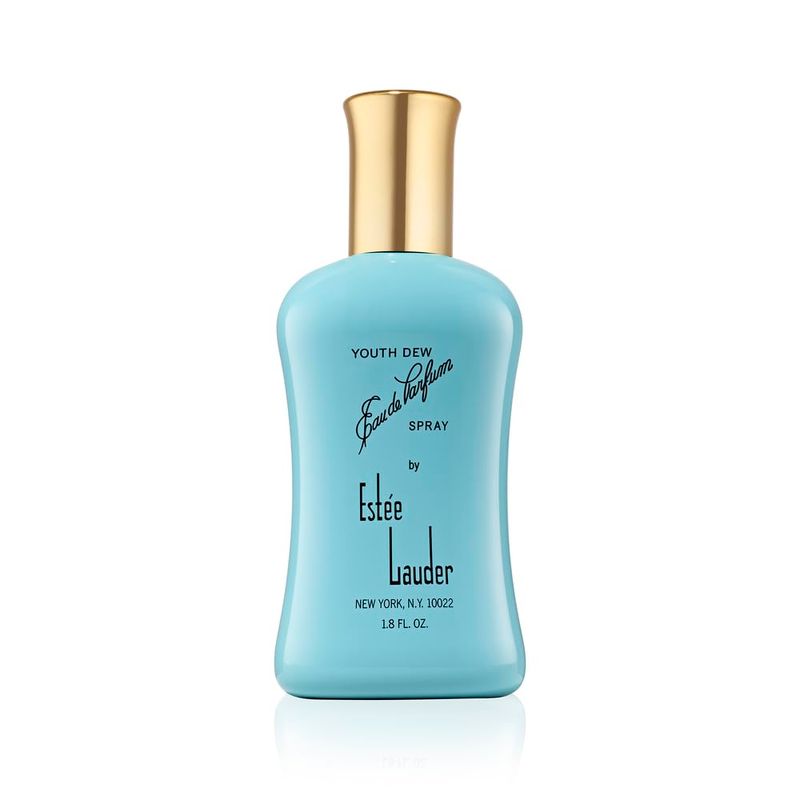
Estée Lauder noticed that American women waited for men to buy them perfume as gifts.
She wanted to change that completely.
Youth-Dew was marketed as a bath oil that also worked as perfume, giving women an excuse to buy it for themselves.
The scent is rich and spicy, full of cinnamon, patchouli, and amber.
It’s warm and enveloping, like being wrapped in a cozy blanket.
The intensity was deliberate—Lauder wanted something that would last all day and make a statement.
This marketing strategy revolutionized the perfume industry in America.
Women started buying fragrance for themselves regularly instead of waiting for special occasions.
Youth-Dew’s success proved that bold, long-lasting scents could be everyday luxuries, not just evening glamour.
7. Dior — Eau Sauvage (1966)
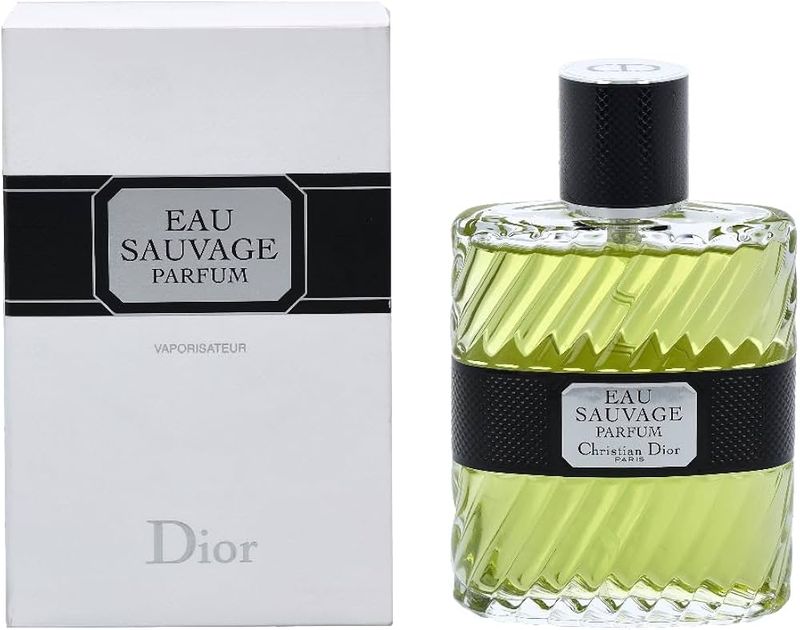
Edmond Roudnitska wanted to create the freshest cologne ever made.
He started with lemon so bright it almost sparkles, then added hedione, a synthetic jasmine ingredient that was brand new.
The combination smelled clean, green, and totally different from anything else.
Eau Sauvage means “wild water,” and that’s exactly what it delivers.
The citrus is sharp and energizing, while the jasmine keeps it from being too sharp.
There’s also oakmoss and vetiver that add an earthy, outdoorsy quality.
This perfume basically invented the modern fresh cologne category.
Before Eau Sauvage, men’s fragrances were heavier and more traditional.
It showed that guys could smell light and sophisticated at the same time, influencing decades of fresh aquatic scents.
8. Yves Saint Laurent — Opium (1977)
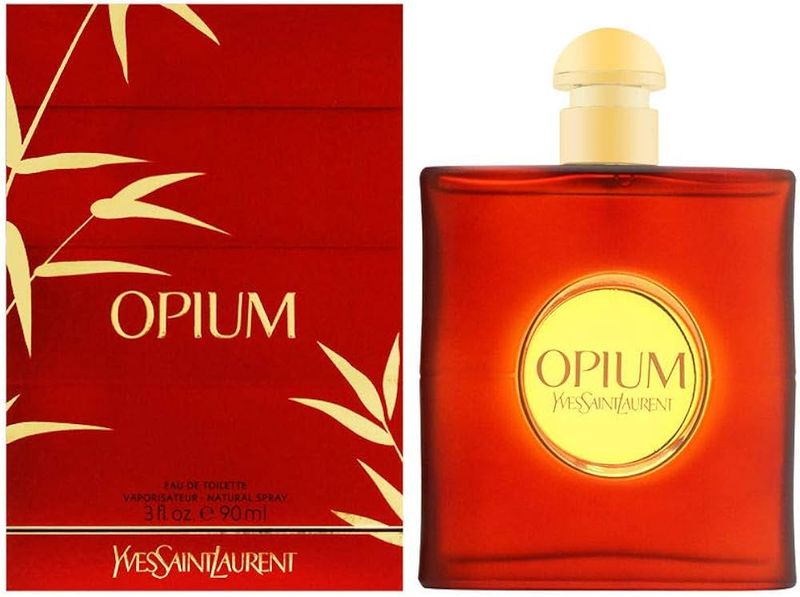
Yves Saint Laurent caused a scandal when he named this perfume Opium.
The advertising campaign was provocative and mysterious, showing a woman in a trance-like state.
People either loved it or were outraged, which made it even more famous.
The scent itself is incredibly rich and spicy.
Cloves, cinnamon, and mandarin orange create a warm opening.
Then amber, vanilla, and resins make it deep and almost hypnotic.
It’s designed to be noticed from across the room.
Opium brought back the big, bold oriental perfumes when light fresh scents dominated.
It proved that drama and intensity still had a place in modern fragrance.
Countless “spicy oriental” perfumes followed, trying to capture that same powerful presence and exotic mystery.
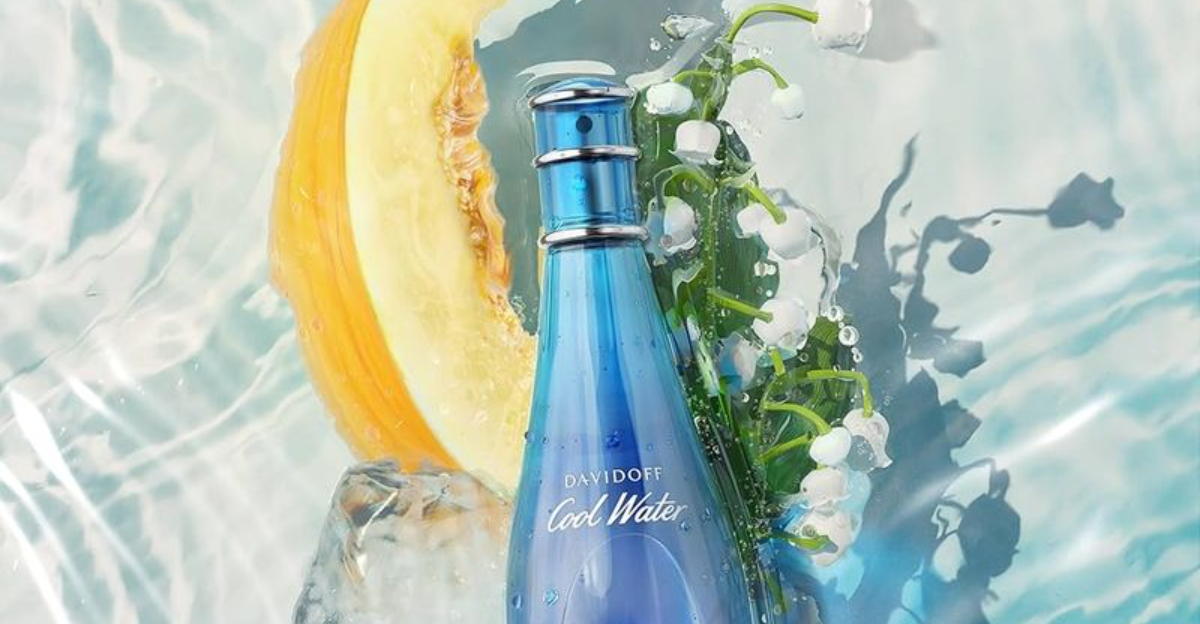
9. Davidoff — Cool Water (1988)
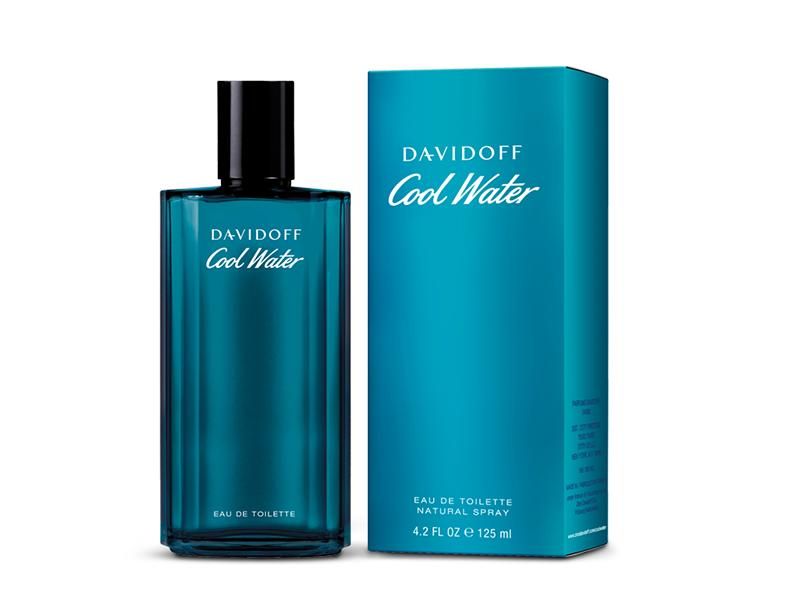
Pierre Bourdon wanted to capture the smell of the ocean breeze.
Cool Water uses synthetic molecules called calone that actually smell like sea spray and fresh air.
Mixed with lavender, mint, and sandalwood, it created the “aquatic” fragrance family.
When you spray it, there’s an immediate freshness that feels like jumping into cold water.
The mint and citrus are bright and energizing.
As it dries down, the sandalwood adds warmth without being heavy.
Cool Water became one of the best-selling men’s fragrances ever.
It proved that synthetic ingredients could create beautiful, natural-smelling perfumes.
Almost every fresh men’s cologne today owes something to Cool Water’s formula.
The aquatic category it started is still massively popular worldwide.
10. Mugler — Angel (1992)
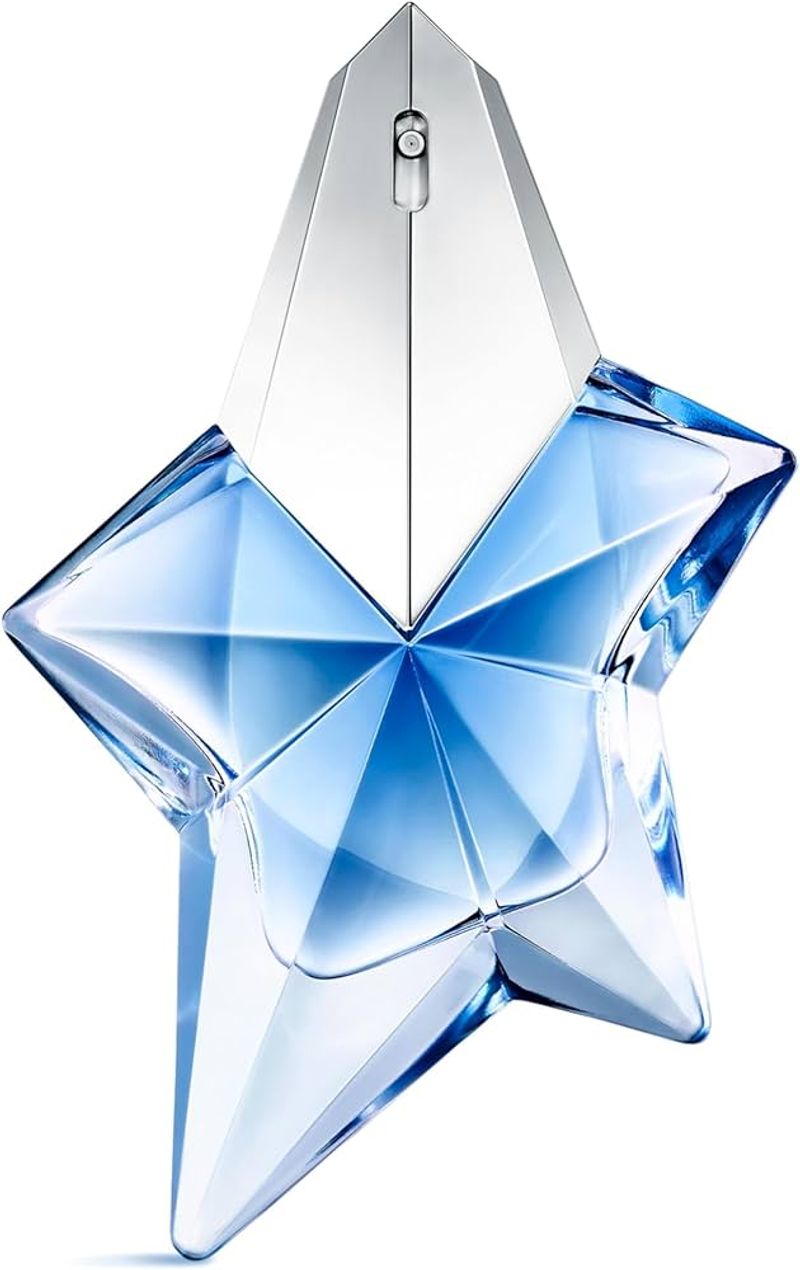
Olivier Cresp and Yves de Chiris made perfume history by combining chocolate, caramel, and patchouli.
Nobody had put these notes together before.
The result was Angel, a scent that people either absolutely loved or couldn’t stand—there was no in-between.
The sweetness comes from ethyl maltol, which smells like cotton candy and vanilla.
But it’s balanced with earthy patchouli and fresh fruits.
The star-shaped bottle was refillable, which was environmentally conscious before that became trendy.
Angel created the “gourmand” fragrance family, which means perfumes that smell like food.
Now you can find scents inspired by cupcakes, coffee, and every dessert imaginable.
It changed perfumery by proving that unconventional, polarizing scents could become massive commercial successes.
11. Calvin Klein — CK One (1994)
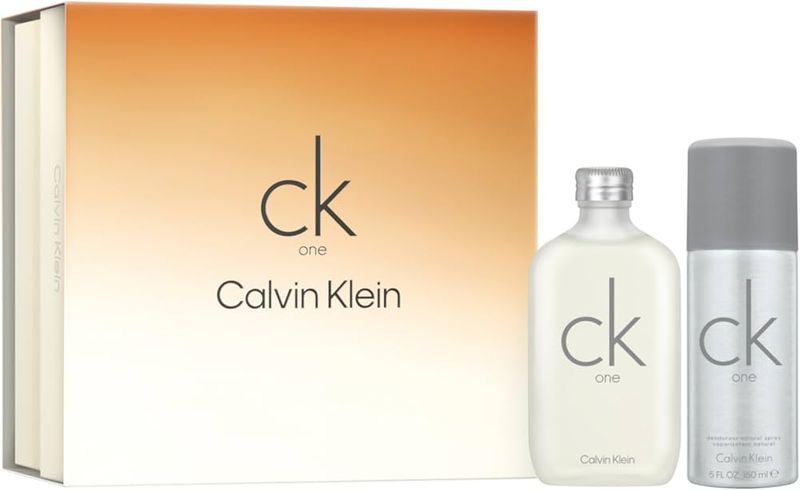
Calvin Klein launched CK One as the first major unisex fragrance marketed to young people.
The bottle was simple frosted glass with basic black text.
Everything about it said “no fuss, just fresh.” The advertising featured diverse young models in casual clothes, breaking perfume’s stuffy image.
The scent is light and citrusy with green tea, papaya, and musk.
It’s clean without being soapy, fresh without being sharp.
You can wear it every day without overwhelming anyone.
The point was accessibility and simplicity.
CK One revolutionized how perfume was sold and who it was for.
It proved that fragrance didn’t need to be gendered or expensive-looking.
The shared-fragrance concept influenced countless brands.
Its success showed that younger consumers wanted something unpretentious and easy to wear.