 MomSkoop

When it comes to dating and relationships, career choices can play a bigger role than you might think. Some jobs come with lifestyles that make building a stable partnership really challenging.
From unpredictable schedules to financial uncertainty, certain professions raise red flags for many women looking for long-term commitment.
1. Nightclub Promoter
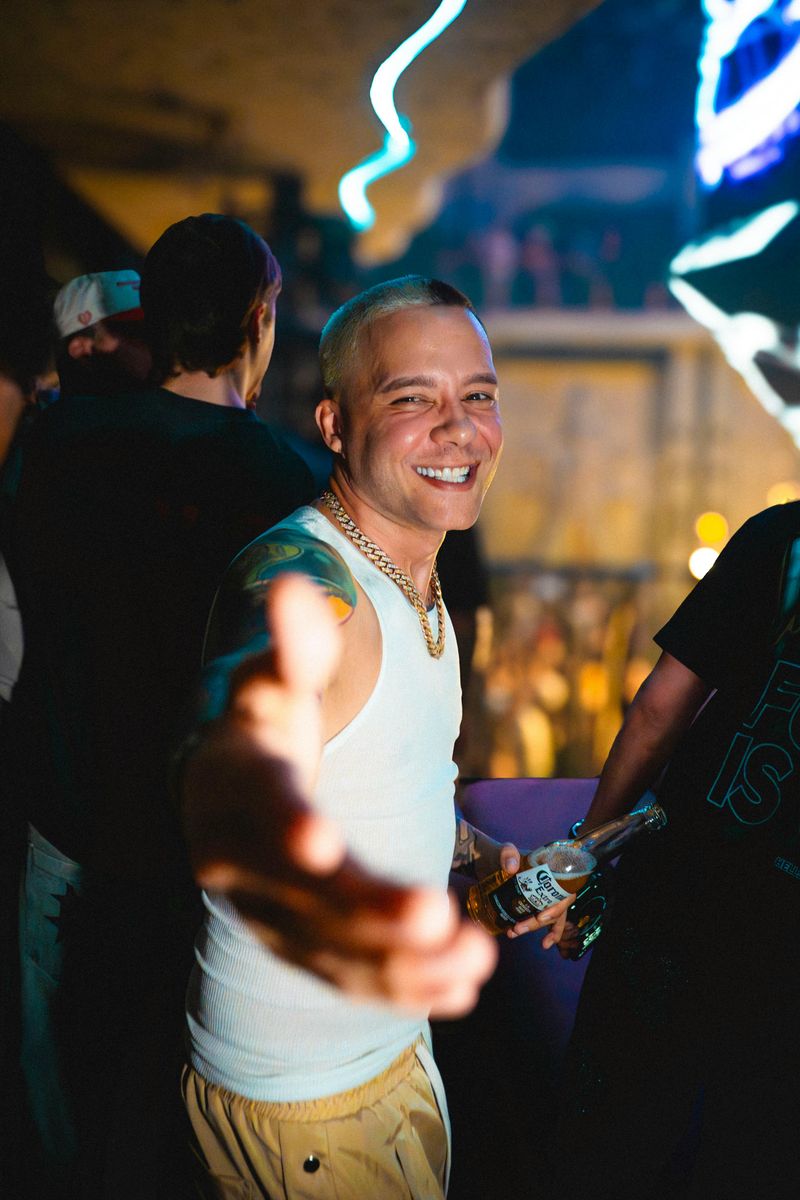
Working as a nightclub promoter means your social life becomes your work life.
The job revolves around late nights, party atmospheres, and constant interaction with people in high-energy environments.
Many women worry about the trust issues that naturally arise when your partner spends every evening surrounded by alcohol, loud music, and people looking to have a good time.
The schedule alone creates problems since promoters work when most people are sleeping.
Date nights become nearly impossible, and weekends—the time most couples spend together—are the busiest work days.
Beyond scheduling conflicts, the party-centered lifestyle can make it hard to build something serious.
Commitment feels shaky when your partner’s success depends on being the life of the party every single night.
2. Bartender
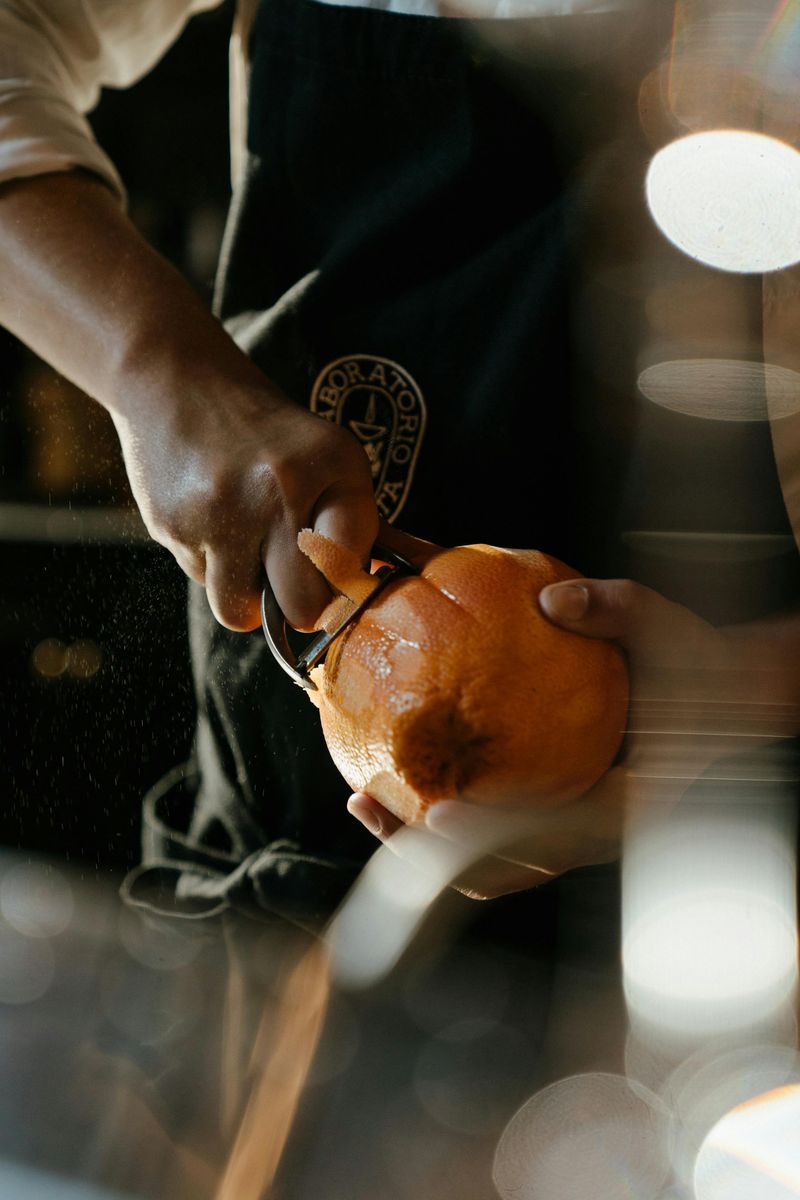
Bartending might seem like a fun, social job, but it comes with relationship challenges that many women find difficult to accept.
The hours are completely backward—working until 2 or 3 AM means sleeping during the day when everyone else is awake.
This makes maintaining a normal relationship rhythm almost impossible.
Constant socializing is part of the job description.
Bartenders need to be friendly, flirty even, to earn better tips.
This can create insecurity and trust concerns for partners watching from the sidelines.
The alcohol-focused environment adds another layer of worry.
Being surrounded by drinking culture every shift can impact personal habits and lifestyle choices.
While bartending can be temporary for some, those who make it a long-term career often struggle to balance romance with the demands of nightlife.
3. Professional Gambler

Imagine trying to plan a future with someone whose income depends entirely on luck and skill at the tables.
Professional gamblers live in a world of constant uncertainty.
One week might bring huge wins, while the next could mean devastating losses.
This financial rollercoaster makes it incredibly hard to build stability.
Women considering long-term commitment want to know they can count on consistent income for things like mortgages, family planning, and retirement savings.
Gambling as a career also reflects a risk-oriented mindset that extends beyond just money.
Decision-making patterns tend to favor high-risk, high-reward scenarios.
This approach might work at a poker table, but it creates anxiety in relationships where security and predictability matter.
The lifestyle itself—casinos, late nights, and constant temptation—adds additional concerns about addiction and priorities.
4. Long-Haul Truck Driver

Long-haul trucking means spending weeks on the road, away from home and loved ones.
Drivers often cover thousands of miles across multiple states, sleeping in their trucks and eating at rest stops.
This extended absence makes building emotional intimacy extremely difficult.
Relationships thrive on quality time, shared experiences, and physical presence—all things that become scarce when your partner is constantly traveling.
Communication happens mostly through phone calls and texts, which can only go so far in maintaining connection.
Important moments get missed—birthdays, anniversaries, family gatherings—because the delivery schedule doesn’t pause for personal life.
Women considering serious relationships often worry about raising children essentially alone or handling household responsibilities without consistent support.
While the job provides decent income, the emotional cost of constant separation becomes too high for many to accept.
5. Military (Active Combat Roles)

Dating someone in active combat roles means accepting that danger is part of their daily reality.
Deployments can last six months to a year or even longer, with limited communication during dangerous missions.
The constant worry about safety creates emotional stress that weighs heavily on relationships.
Beyond physical danger, military life demands frequent relocations, disrupting careers and social connections for partners.
Building a stable home becomes challenging when you might move every few years.
Combat roles also bring psychological impacts.
PTSD and adjustment difficulties after deployment affect not just the service member but their entire family.
Many women deeply respect military service but recognize they’re not emotionally equipped to handle the unique stresses it brings to relationships.
The combination of danger, absence, and unpredictability makes commitment feel overwhelming despite good intentions.
6. Reality TV Personality

Reality television thrives on drama, attention, and manufactured conflict—not exactly the foundation for a healthy relationship.
When your partner’s career depends on public exposure and staying relevant, privacy becomes impossible.
Every argument, every intimate moment risks becoming content for millions of viewers.
Reality stars often need to maintain a certain persona or create controversy to stay in the spotlight.
This attention-seeking behavior, while necessary for their career, can feel exhausting and inauthentic in personal relationships.
Social media adds another layer, with constant posting, fan interactions, and public scrutiny.
Women worry about their own privacy disappearing and becoming part of the spectacle.
The lifestyle also attracts people interested in fame rather than genuine connection.
Building trust becomes difficult when you question whether your relationship is real or just another storyline for ratings.
7. Struggling Artist / Musician

Supporting creative passion is wonderful, but financial reality matters when building a life together.
Struggling artists and musicians without stable income create uncertainty that many women find impossible to navigate long-term.
Rent, groceries, and bills don’t pause while waiting for the big break.
The issue isn’t the art itself—it’s the lack of financial planning or backup income.
Many creative professionals balance their passion with stable work, but those who refuse any job outside their art create stress for partners.
One person ends up carrying the entire financial burden, leading to resentment.
Women considering marriage and children need to know there’s financial security.
Dreams are important, but so is paying rent on time.
The constant hustle, rejection, and uncertainty surrounding artistic careers without income stability makes planning a future feel like building a house on sand.
8. Influencer / Content Creator
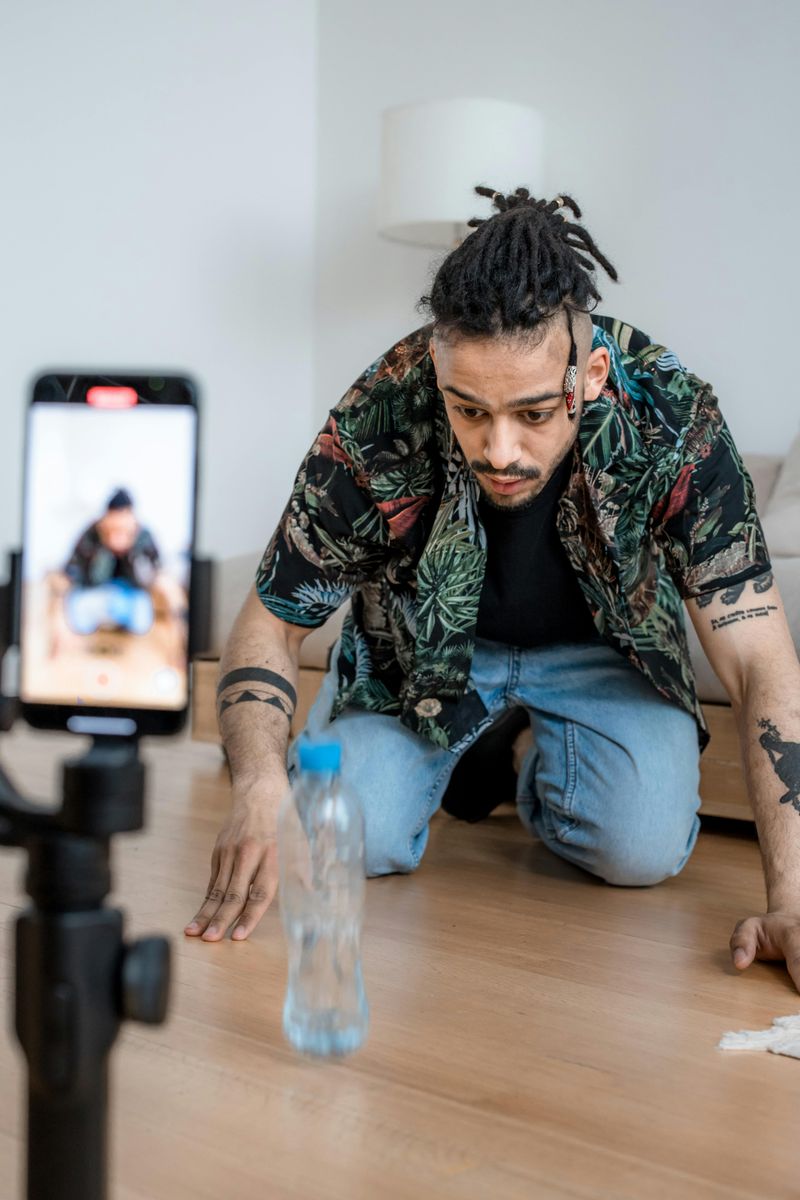
Content creation has become a legitimate career, but the attention-focused nature raises concerns for many women.
Influencers need constant validation through likes, comments, and follower counts.
This dependency on public approval can overshadow real relationships.
Personal boundaries blur when your partner films everything for content.
Romantic moments become photo opportunities, and private conversations might end up as Instagram stories.
The pressure to maintain an online persona often conflicts with authentic connection.
Many influencers also engage with followers in ways that feel inappropriate—flirty comments, DMs, and parasocial relationships that create jealousy.
Women worry about competing with an audience of thousands for their partner’s attention.
The career’s instability adds financial concerns since algorithms change and popularity fades.
While some content creators maintain healthy boundaries, attention-focused influencers often prioritize their online presence over real-world relationships.
9. Stock Day Trader / Crypto Trader

Day trading and crypto investing promise big rewards but deliver constant stress and financial volatility.
Traders watch markets obsessively, glued to screens from market open to close.
Their mood swings with portfolio value—euphoric during gains, devastated during losses.
This emotional rollercoaster affects everyone around them.
Financial instability is the biggest concern.
Unlike traditional jobs with steady paychecks, trading income fluctuates wildly.
Savings can disappear overnight during bad trades or market crashes.
Women seeking stable partnerships worry about retirement planning, mortgages, and raising families on such unpredictable income.
The high-risk mindset also affects other life decisions.
Traders often chase the next big opportunity, making impulsive choices that impact the whole relationship.
While some traders succeed long-term, many women prefer partners with more predictable careers that don’t revolve around gambling with life savings daily.
10. Police Officer

Police officers serve their communities with courage, but the career comes with significant relationship challenges.
Daily safety risks create constant worry for partners who never know if their loved one will come home safely.
Every shift brings potential danger, from routine traffic stops to emergency calls.
Job-related stress affects home life deeply.
Officers witness traumatic events regularly—violence, accidents, and human suffering that take an emotional toll.
Many struggle to leave work stress behind, bringing tension and mood changes into their relationships.
Demanding schedules with rotating shifts, overtime, and emergency calls disrupt family routines.
Holidays and special occasions often get interrupted by work obligations.
The culture surrounding law enforcement can also create isolation, as officers often socialize primarily with other cops.
While many women deeply respect police work, the combination of danger, stress, and scheduling demands makes some reconsider long-term commitment.
11. Serial Entrepreneur With No Track Record

Entrepreneurial spirit is admirable, but serial entrepreneurs without successful ventures create exhausting instability.
They jump from one business idea to another, constantly chasing the next big thing without ever building something sustainable.
This pattern makes long-term planning impossible.
Financial security disappears as money gets poured into unproven ventures.
Savings drain quickly, and income remains inconsistent or nonexistent.
Partners end up supporting them financially while being told to trust the process and believe in the vision.
The problem isn’t entrepreneurship itself—it’s the lack of track record or realistic assessment.
Successful entrepreneurs learn from failures and eventually build something stable.
Serial entrepreneurs without success often lack business acumen or commitment to see projects through.
Women want partners who can balance ambition with responsibility.
Constantly postponing stability for the next untested idea makes building a future together feel like an endless waiting game nobody wins.