 MomSkoop
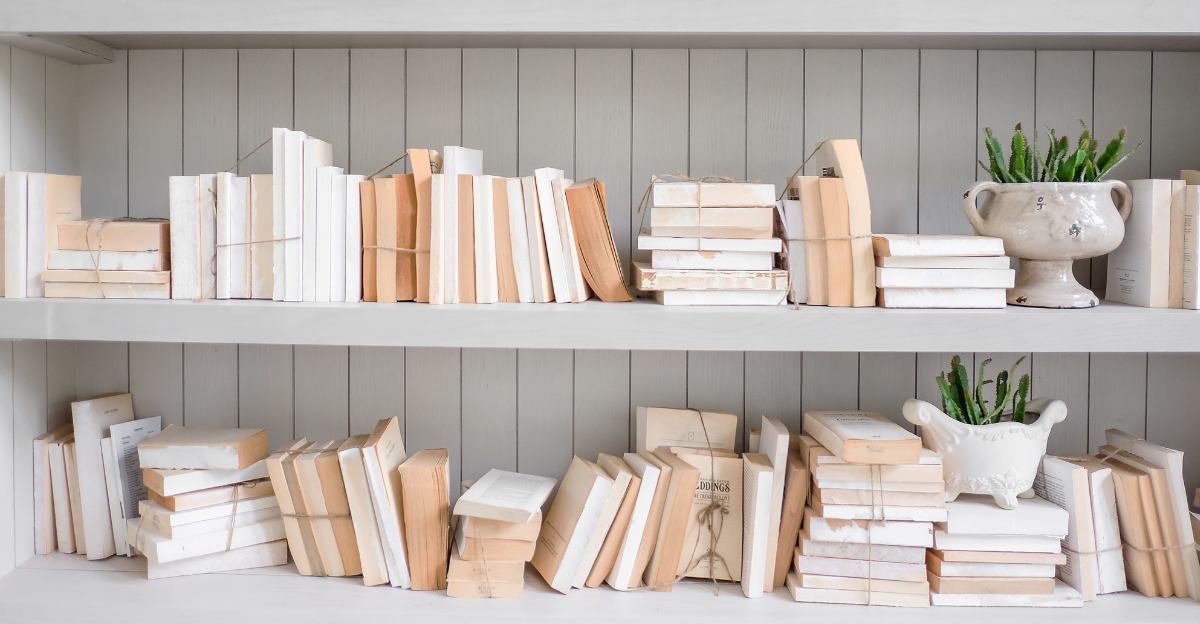
Open shelves can make a room feel spacious and modern, but they can also turn into a cluttered mess if you’re not careful. The good news is that interior designers have mastered the art of styling these shelves to look clean, organized, and beautiful.
With a few simple tricks, you can transform your open shelving from chaotic to chic.
1. Stick to a Consistent Color Palette
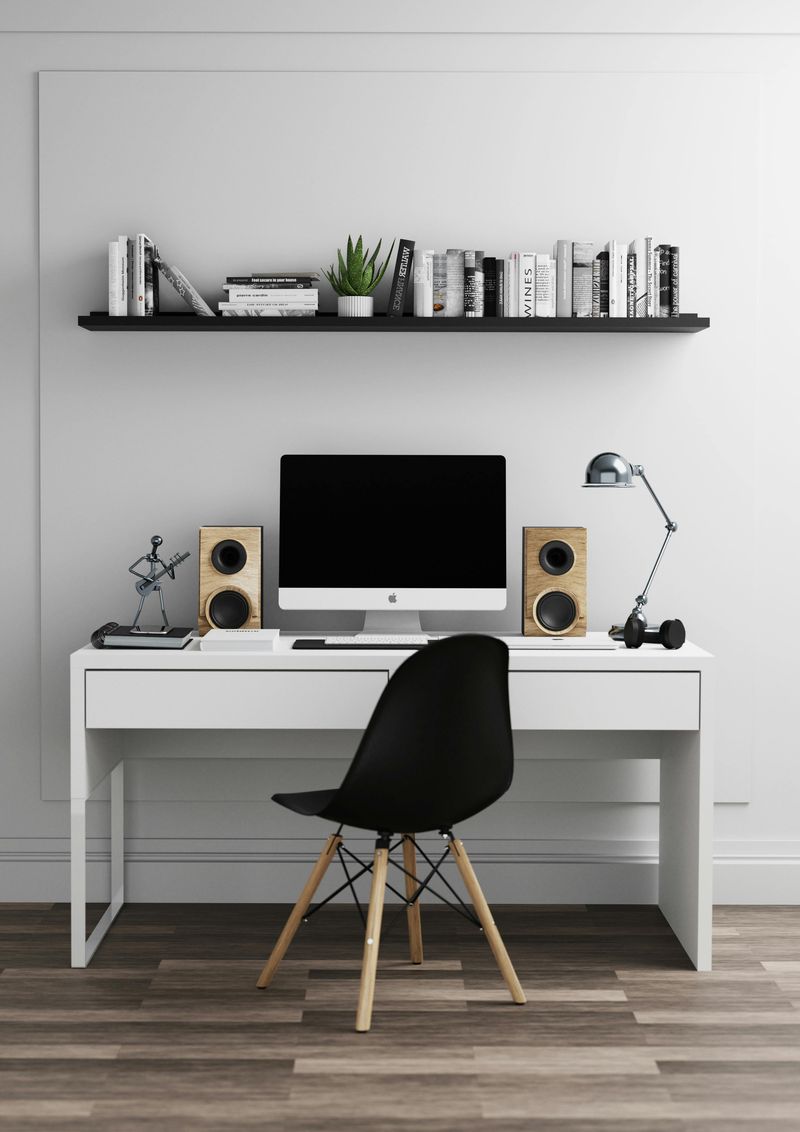
Choosing colors that work well together creates a sense of harmony on your shelves. When everything matches or complements each other, your eye moves smoothly across the display instead of jumping around.
Think about picking three or four colors and sticking with them. Neutral tones like white, beige, and gray are popular because they feel calm and clean. You can also add a pop of color, like soft blue or green, to keep things interesting.
This trick works because it prevents your shelves from looking too busy. When colors clash, even organized shelves can feel messy and overwhelming to look at.
2. Leave Breathing Room Around Items
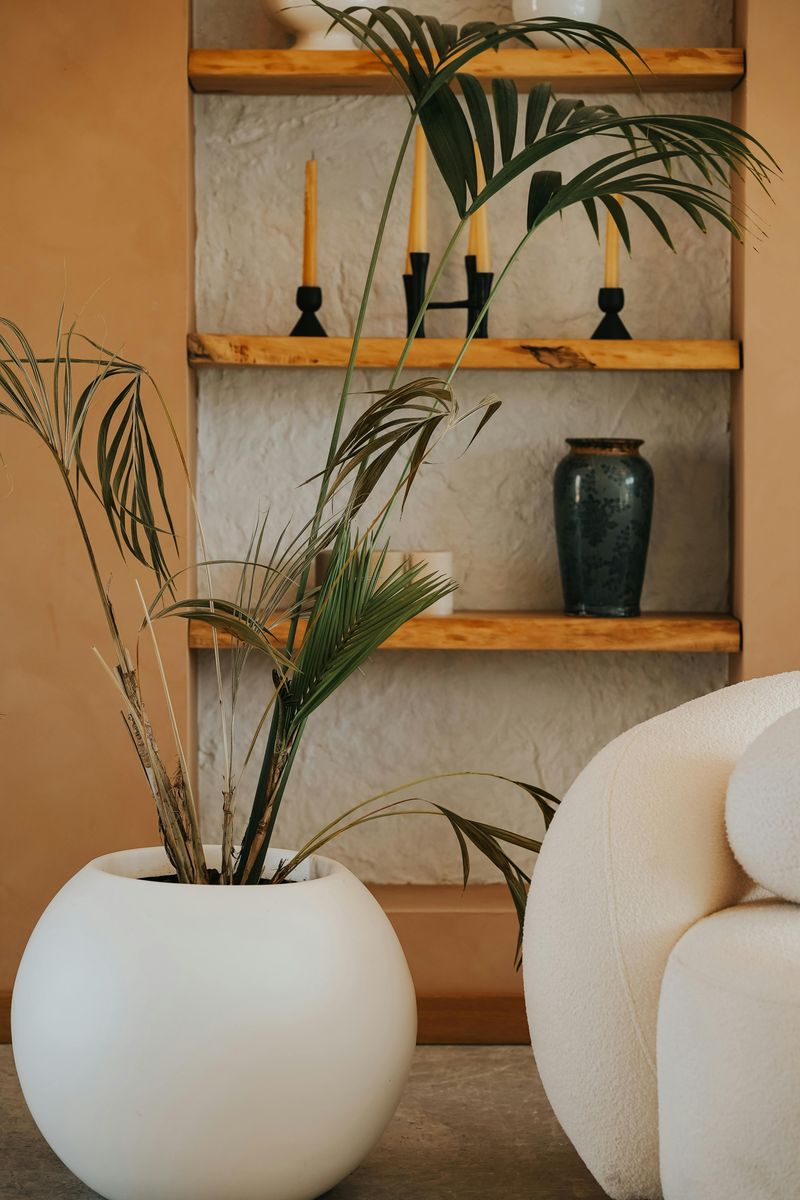
Empty space is just as important as the items you display. Designers call this negative space, and it helps your shelves feel intentional rather than stuffed full.
When you leave gaps between objects, each item gets a chance to shine. Your favorite vase or special book becomes a focal point instead of getting lost in the crowd. Aim to keep about thirty to forty percent of your shelf space empty.
Resist the urge to fill every inch. Breathing room makes your display look expensive and curated, like something you’d see in a fancy magazine or boutique hotel.
3. Group Items by Function or Appearance
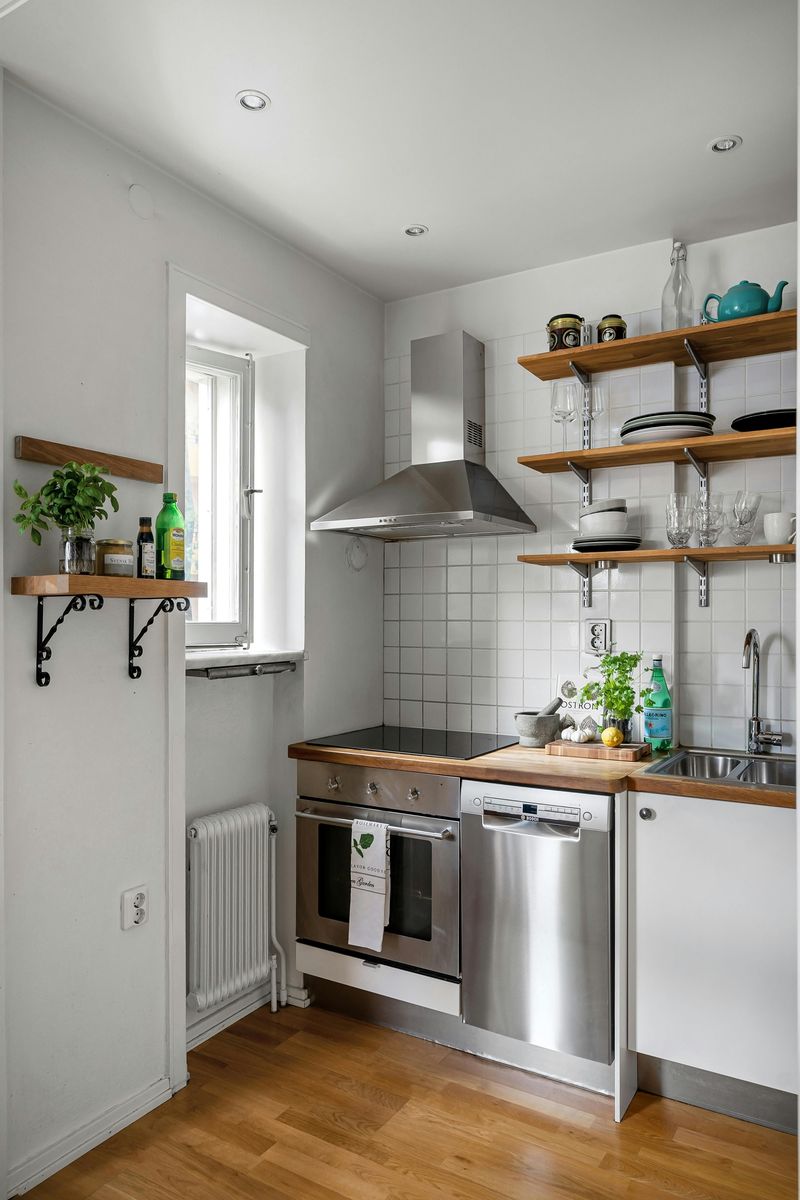
Our brains naturally look for patterns and order. When you group similar items together, your shelves instantly feel more organized and easier to understand.
You can group things by what they do, like keeping all your coffee mugs in one section. Or group by how they look, like putting all wooden items together or arranging items by size from tallest to shortest.
This technique works brilliantly because it creates little zones on your shelves. Each zone tells a story and has a purpose, which makes the whole display feel thoughtful and well-planned instead of random.
4. Mix Decorative and Functional Pieces
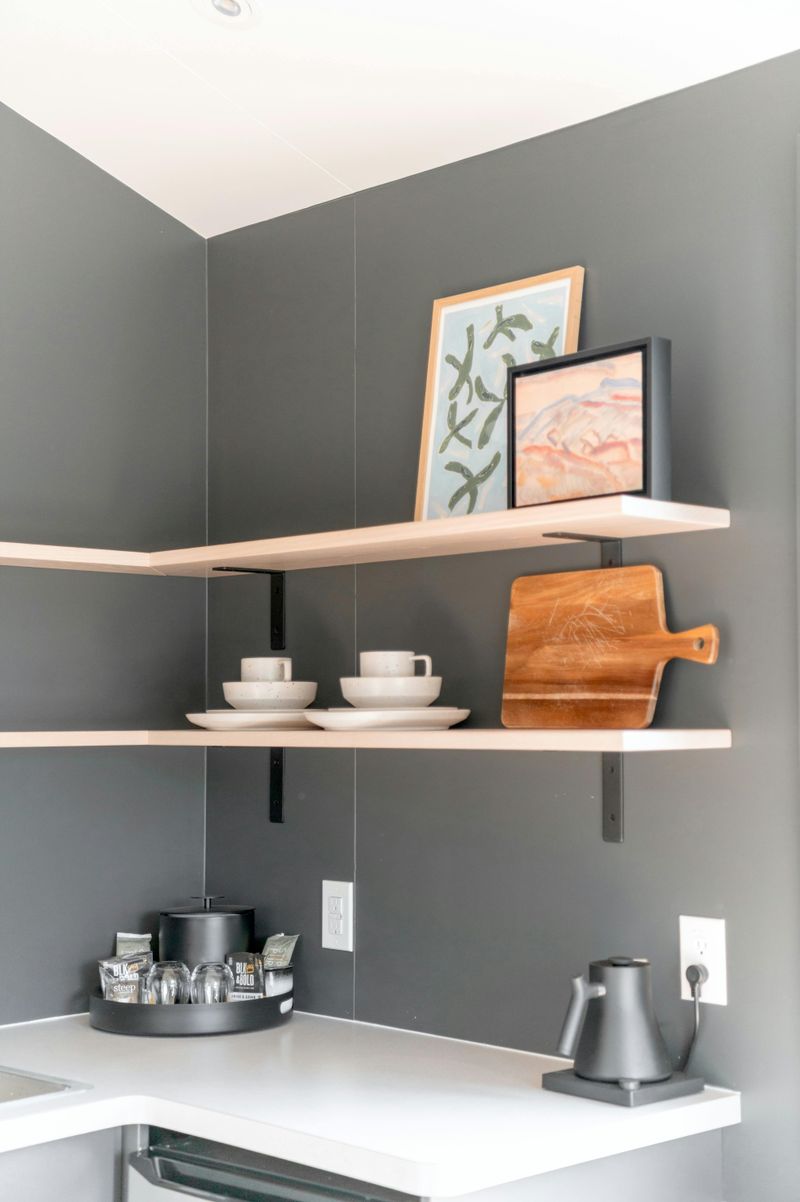
Your shelves should work hard and look good at the same time. Combining pretty objects with everyday items creates a display that’s both practical and pleasing to the eye.
Place a beautiful ceramic bowl next to your coffee mugs, or add a small sculpture near your cooking oils. Storage baskets can hold things you need while adding texture and warmth. This balance prevents your shelves from looking like a storage closet or a museum.
The magic happens when function and beauty support each other. Your shelves become part of your daily life while still looking Instagram-worthy every single day.
5. Vary Heights, Shapes, and Textures
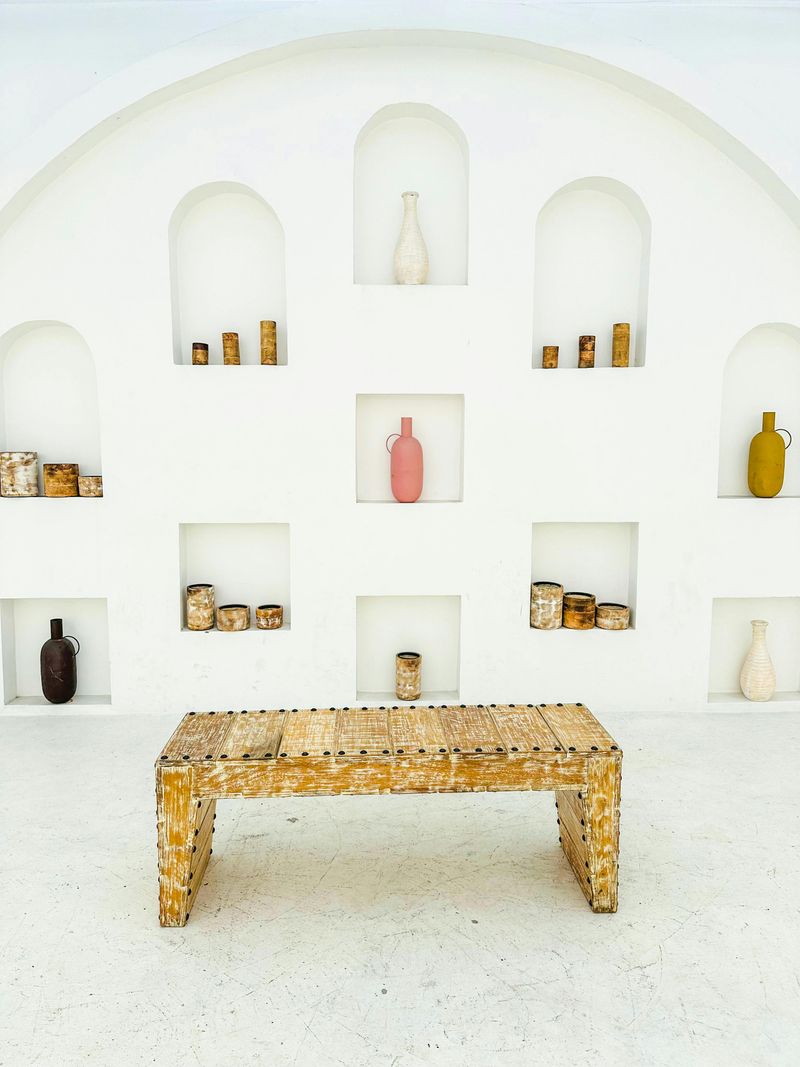
Variety creates visual excitement and keeps your eyes moving around the display. When everything is the same height or shape, shelves can look flat and boring, even if they’re organized.
Mix tall candlesticks with short bowls. Place round plates next to rectangular books. Combine smooth glass with rough woven baskets or natural wood. These differences create rhythm and make your shelves feel dynamic and alive.
Think of it like creating a small landscape. Mountains and valleys are more interesting than a completely flat plain. Your shelves work the same way when you play with different dimensions and materials.
6. Incorporate Organic Elements
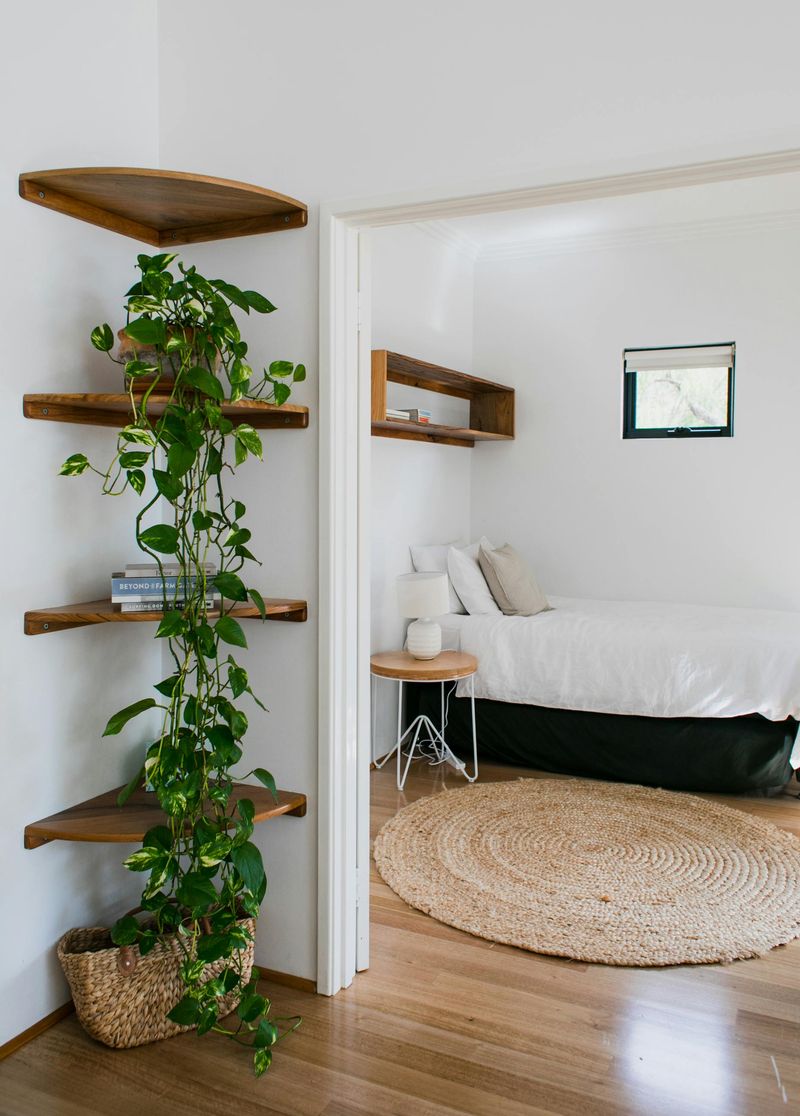
Bringing nature indoors softens the look of your shelves and adds life to the space. Plants, wood, and woven materials create warmth that hard surfaces like metal and glass can’t match.
A small potted plant breathes freshness into your display. Wooden bowls or cutting boards add earthy tones and natural grain patterns. Woven baskets introduce interesting texture while hiding smaller items that might create visual clutter.
These organic touches make your shelves feel welcoming and lived-in rather than cold and sterile. They connect your indoor space with the natural world, which our eyes find naturally relaxing and comforting.
7. Use Storage Containers for Small Items
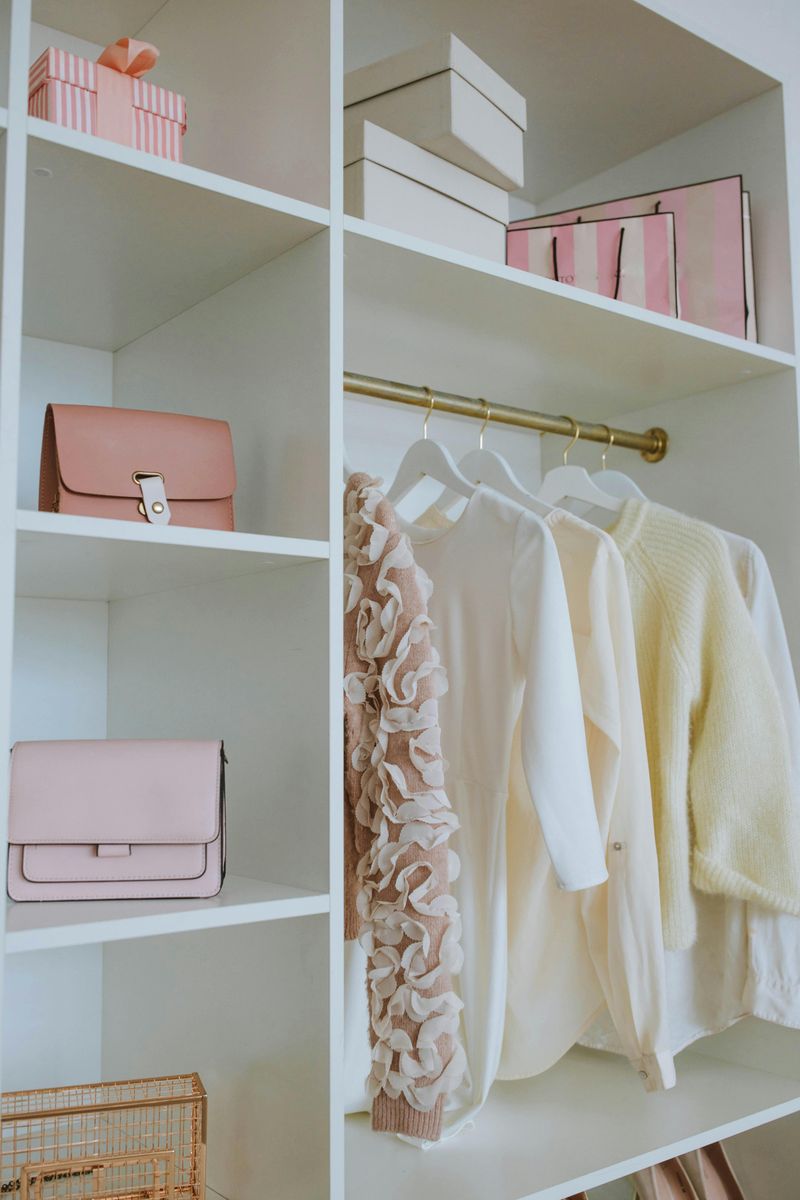
Little things like pens, rubber bands, or spice packets can quickly make shelves look messy. Tucking them into attractive containers solves the problem while keeping everything accessible.
Choose baskets, boxes, or trays that match your color scheme. Woven baskets work great for a casual look, while sleek boxes fit modern spaces. Label containers if you need to remember what’s inside, or leave them label-free for a cleaner appearance.
This trick is a designer secret because it hides the chaos without actually getting rid of anything. Your small necessities stay within reach, but they don’t create visual noise anymore.
8. Stack Books Horizontally and Vertically
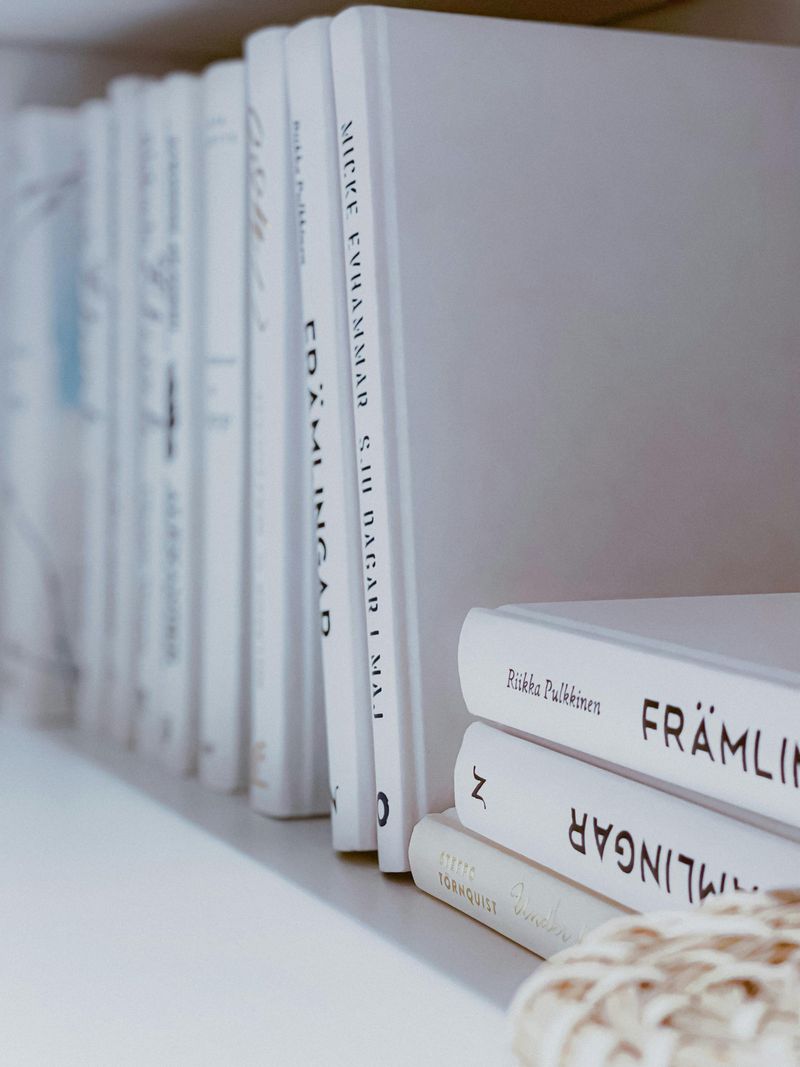
Books are shelf staples, but lining them all up the same way can look predictable. Mixing vertical and horizontal stacks adds structure and creates platforms for other decorative items.
Stand some books upright like a traditional bookshelf, then create horizontal stacks of two or three books. These flat stacks become perfect pedestals for small plants, candles, or decorative objects, adding another layer to your display.
This approach breaks up the monotony and gives your eye different lines to follow. It also makes your book collection feel more casual and approachable, like a personal library rather than a formal display.
9. Rotate Display Items Periodically
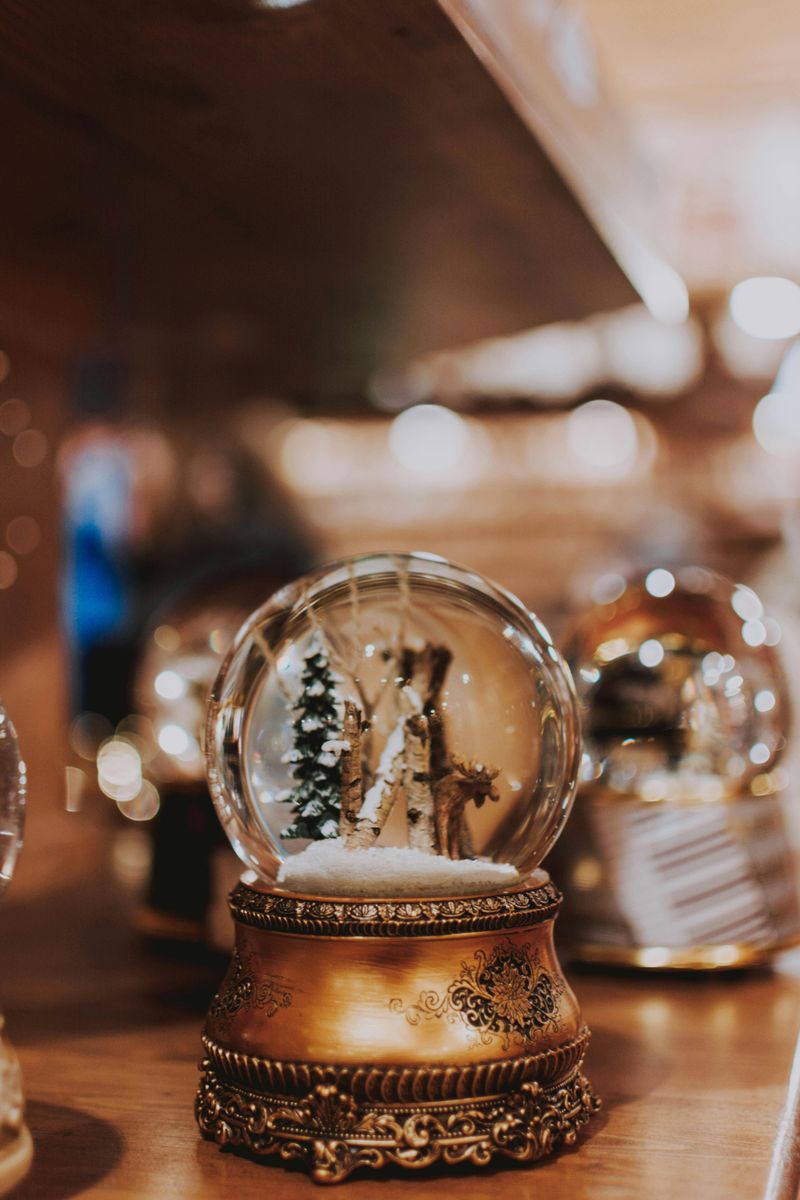
Even the most beautiful display can start to feel invisible when you see it every day. Switching things around keeps your shelves feeling fresh and prevents you from getting bored with your space.
Every few months, remove some items and replace them with others you’ve stored away. Swap in seasonal decorations, or simply rearrange what you already have in new combinations. This rotation also gives you a chance to dust and reassess what’s working.
Think of your shelves as a gallery that features different exhibitions throughout the year. This keeps your home feeling current and curated without spending money on new things constantly.
10. Balance Open Display with Hidden Storage
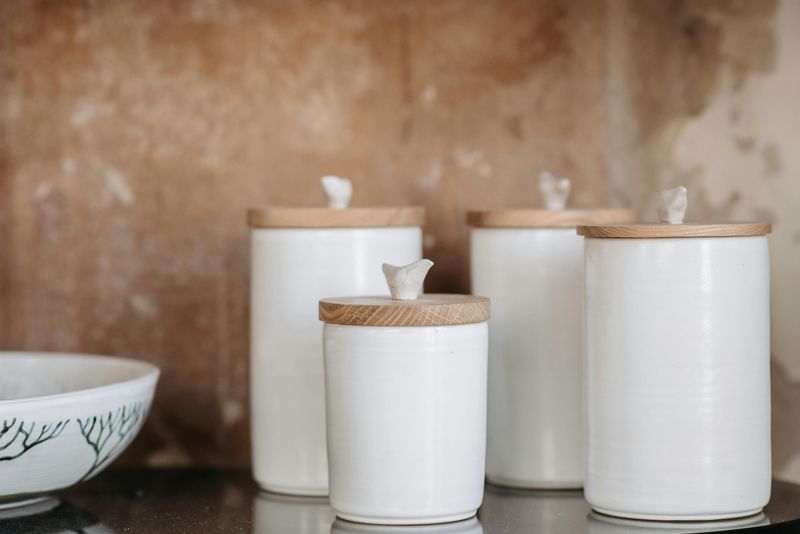
Showing everything all the time can be exhausting for your eyes. Mixing open display with some closed or hidden storage gives your brain a visual break and reduces feelings of overwhelm.
Use solid containers, closed boxes, or baskets with lids to conceal items you need but don’t necessarily want to see. This creates restful spots where your eyes can pause between the more visually active displayed items.
This balance is crucial for maintaining the clutter-free look over time. You get the benefits of open shelving without feeling like everything in your life is constantly on display for everyone to see.
11. Edit Ruthlessly and Remove Excess
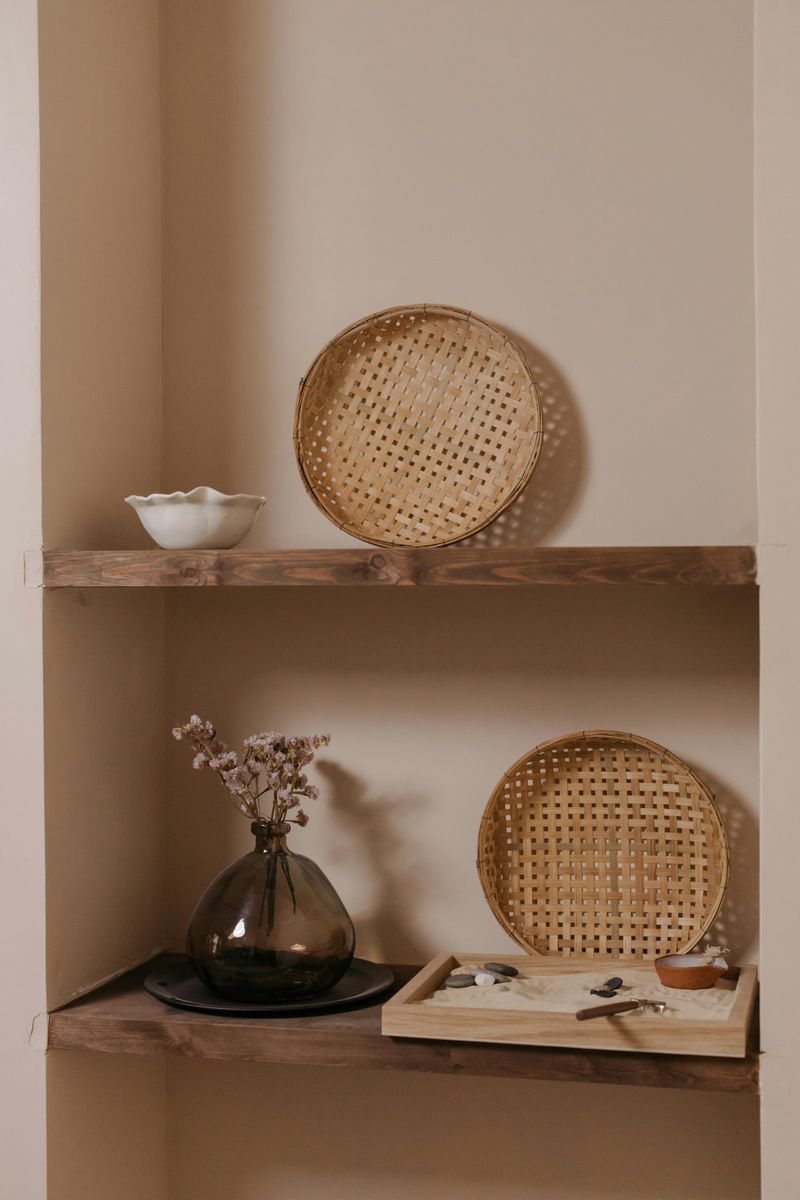
The most powerful trick is also the hardest: removing things. Designers know that less is almost always more when it comes to creating a polished, clutter-free appearance.
Go through your shelves and ask tough questions about each item. Do you use it regularly? Do you absolutely love it? Does it fit with everything else? If the answer is no, find it a new home in a drawer, closet, or donation box.
When you keep only what you truly need or love, your shelves tell a clearer story about who you are. The display feels intentional and purposeful instead of accidentally full, which is the ultimate designer goal.