 MomSkoop
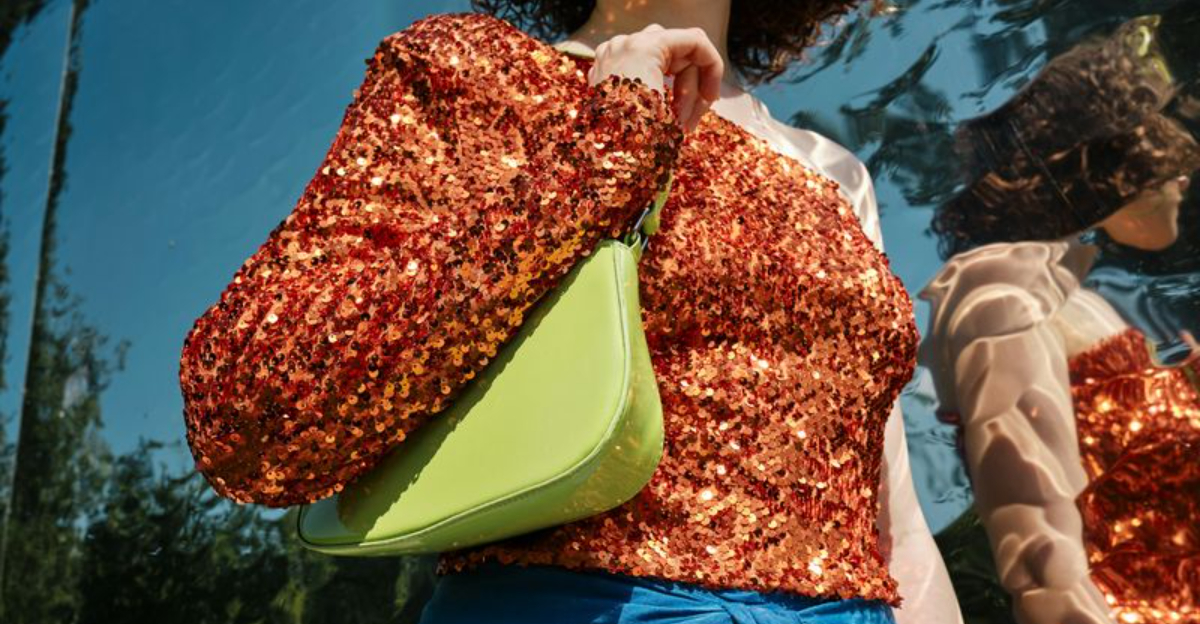
Fashion has always had its share of unwritten rules, passed down through generations like sacred commandments. For decades, women were told what to wear, when to wear it, and how to style it—often with little room for personal expression.
Today, fashion is less about following rigid guidelines and more about celebrating individuality. From mixing patterns to wearing white in winter, women everywhere are proving that style has no limits when you trust your own taste.
1. White Is Only for Summer

Remember when wearing white after Labor Day was considered a major fashion crime?
That rule came from old-money traditions that no longer apply to modern life.
Winter whites have become a runway favorite, with designers showcasing ivory coats, cream sweaters, and pearl-white trousers in their cold-weather collections.
The truth is, white works beautifully in every season when styled correctly.
Pair a white wool coat with dark jeans and boots for an elegant winter look.
Layer cream knits with camel tones for warmth and sophistication.
White reflects light and brightens your complexion, making it perfect for dreary winter days.
The key is choosing heavier fabrics and textures that feel seasonally appropriate, not summery.
2. Black and Brown Don’t Go Together
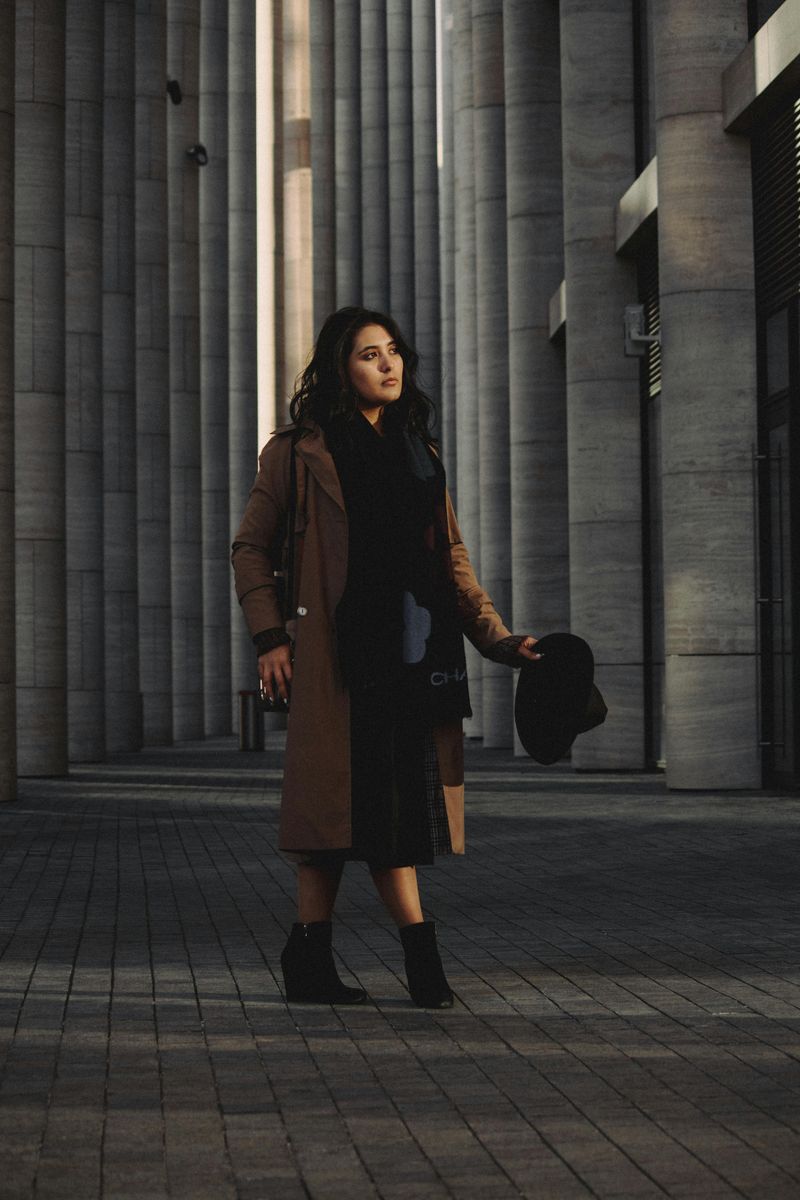
Mixing black and brown was once considered a fashion faux pas that would get you side-eyed by style purists.
This outdated rule ignored the natural harmony these rich, earthy tones create together.
Fashion editors and stylists now regularly pair black leather jackets with brown boots or chocolate trousers with black turtlenecks.
The combination works especially well when you play with different textures.
Think black suede paired with brown leather, or a black cashmere sweater with brown wool trousers.
These materials add depth and visual interest that makes the pairing feel intentional and sophisticated.
Start small if you’re nervous—try brown shoes with black jeans.
Once you see how naturally they complement each other, you’ll wonder why this was ever a rule.
3. You Must Match Shoes and Bags
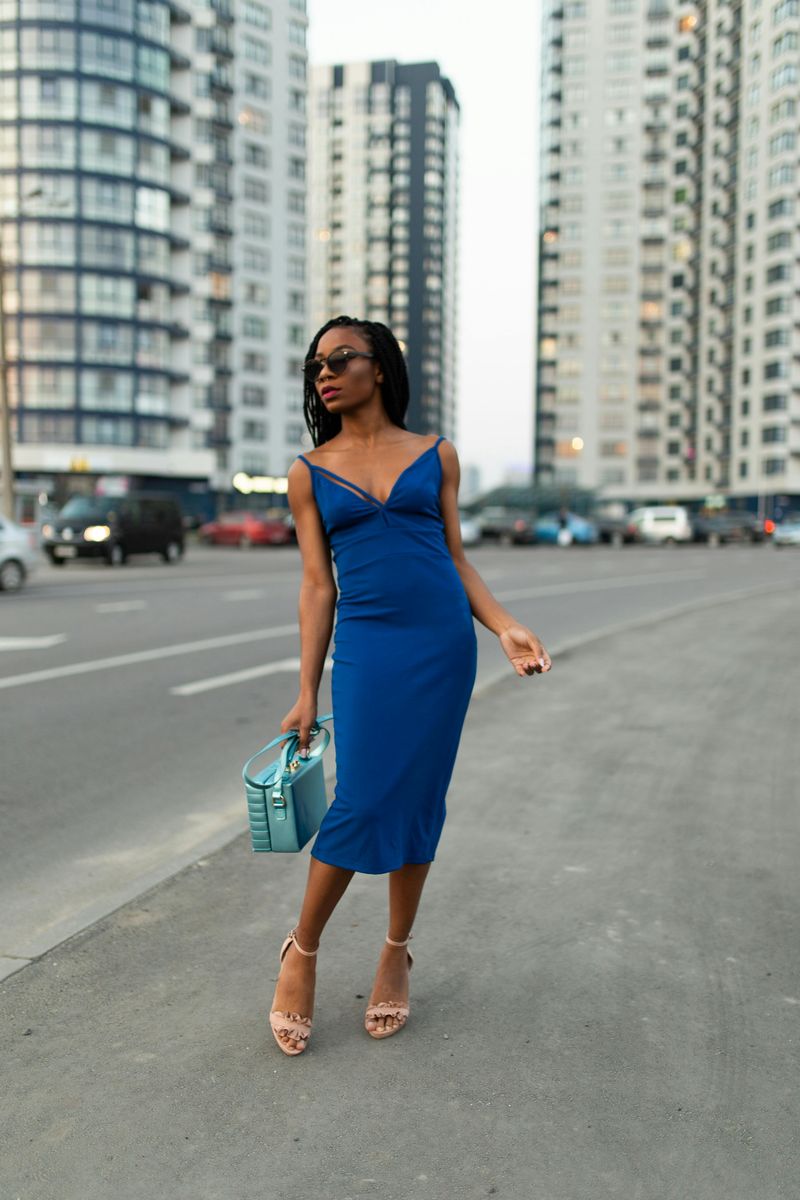
Your grandmother probably insisted that her shoes and handbag had to match perfectly, down to the exact shade.
That matchy-matchy approach now feels dated and overly coordinated.
Modern styling embraces intentional contrast, where different colors and textures create a more dynamic, interesting look.
Fashion has shifted toward coordinated pieces rather than identical ones.
A tan bag can look stunning with black shoes, or a burgundy purse pairs beautifully with navy heels.
The key is choosing pieces that complement rather than duplicate each other.
This freedom allows you to invest in quality accessories without worrying about perfect matches.
Mix metallics, play with complementary colors, and let your accessories tell their own story rather than forcing them into identical outfits.
4. Horizontal Stripes Make You Look Wider

How many times have you heard that horizontal stripes are unflattering?
This myth has kept women away from Breton tops and striped dresses for generations.
Research actually shows that stripe direction has minimal impact on how wide or narrow someone appears—fit and fabric quality matter far more.
Confidence transforms any outfit, including horizontal stripes.
A well-fitted striped shirt in quality fabric looks polished and chic on any body.
French women have been proving this for decades with their iconic marinière tops paired with everything from jeans to tailored trousers.
Focus on finding stripes that suit your personal style rather than worrying about direction.
Thin stripes, thick stripes, diagonal stripes—they all work when you wear them with assurance and pair them with pieces you love.
5. Dress for Your Body Type Only

Fashion magazines used to categorize women into fruit shapes and dictate what silhouettes were allowed or forbidden for each type.
This approach reduced personal style to a set of restrictions rather than celebrating individual expression.
The new philosophy recognizes that style is about how clothing makes you feel, not about hiding or conforming.
Wear the oversized blazer, the bodycon dress, or the wide-leg pants if they bring you joy.
Your body doesn’t need fixing or disguising—it deserves clothes that reflect your personality and mood.
Rules about what flatters certain shapes often ignore the reality that everyone’s preferences and comfort levels differ.
Fashion should empower, not limit.
Experiment with different silhouettes and discover what resonates with you, regardless of what style guides suggest for your shape.
6. Heels Are Required to Look Polished
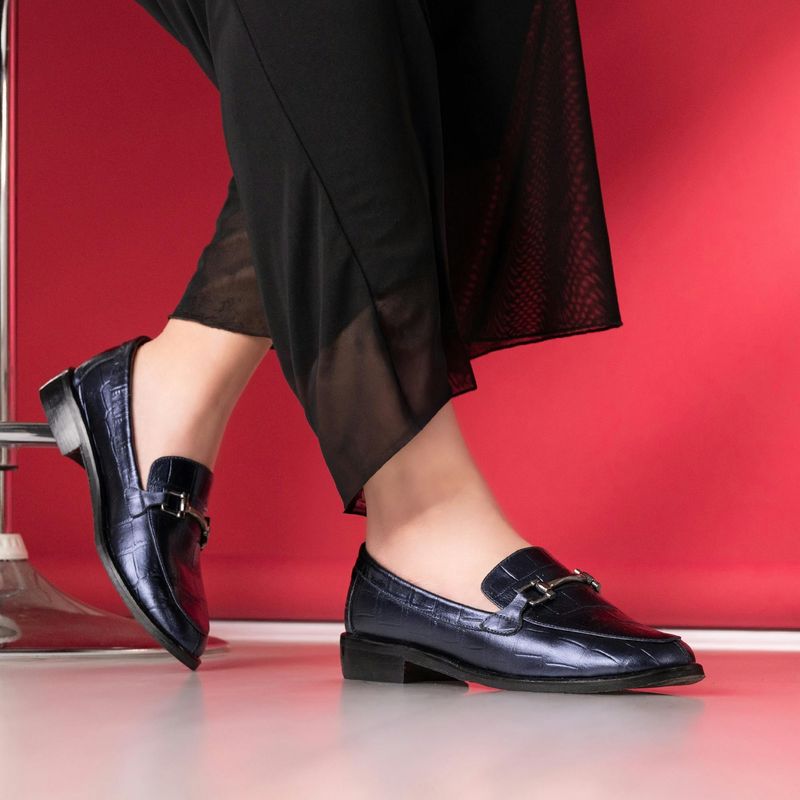
Corporate culture once demanded that professional women wear heels to appear polished and put-together.
Flats were dismissed as too casual or juvenile.
This uncomfortable standard ignored both practicality and the evolution of workplace dress codes.
Loafers, ballet flats, and sleek sneakers now grace boardrooms and business meetings without raising eyebrows.
Designers create sophisticated flat shoes with the same attention to detail as heels.
A well-chosen pair of pointed-toe flats or leather loafers can look just as refined as pumps, especially when paired with tailored trousers or a structured dress.
Comfort and professionalism aren’t mutually exclusive.
Choose footwear that supports your lifestyle and keeps you feeling confident throughout your day, whether that includes heels occasionally or never at all.
7. Denim Is Casual Only

Jeans were once strictly weekend wear, banned from anything remotely dressy or professional.
That narrow view overlooked denim’s incredible versatility and the range of styles available.
Dark-wash jeans with clean lines and no distressing can easily transition into elevated settings when styled thoughtfully.
Pair tailored black jeans with a silk blouse and blazer for a sophisticated dinner look.
Structured wide-leg denim trousers work beautifully with heels and statement jewelry.
The fabric itself isn’t inherently casual—it’s all about the cut, wash, and how you accessorize.
Many creative workplaces now embrace denim as part of smart-casual dress codes.
Choose quality denim with intentional styling, and you’ll prove that jeans belong in more places than just casual Fridays.
8. Mixing Prints Is Wrong

Old fashion wisdom insisted on one print at a time—mixing patterns was considered chaotic and unstylish.
This conservative approach ignored the artistic potential of combining prints thoughtfully.
Fashion runways now regularly showcase mixed-print ensembles that demonstrate sophistication rather than confusion.
The key to successful print mixing lies in scale and color cohesion.
Pair a small floral with a larger stripe, or combine prints that share a common color palette.
A polka dot blouse can work beautifully with plaid trousers if they’re connected by similar tones.
Start by mixing prints in the same color family, then gradually experiment with bolder combinations.
This styling skill adds personality and creativity to your wardrobe, transforming basic pieces into eye-catching outfits through unexpected pairings.
9. Sequins and Sparkle Are for Night Only

Sparkly pieces were relegated to after-dark events, deemed too flashy for daylight hours.
This rule treated shine as something slightly scandalous that needed the cover of darkness.
Modern fashion embraces the joy of daytime sparkle when balanced with casual elements.
A sequined sweater paired with jeans and sneakers feels fresh and intentional, not overdressed.
Metallic accessories or a glittery top with relaxed trousers adds unexpected glamour to everyday looks.
The contrast between sparkle and casual pieces creates an effortlessly cool vibe.
Fashion should be fun, and there’s no reason to save your favorite shimmery pieces for rare evening occasions.
Wear what makes you happy during the day—life’s too short to wait for special events to shine.
10. You Should Dress Your Age
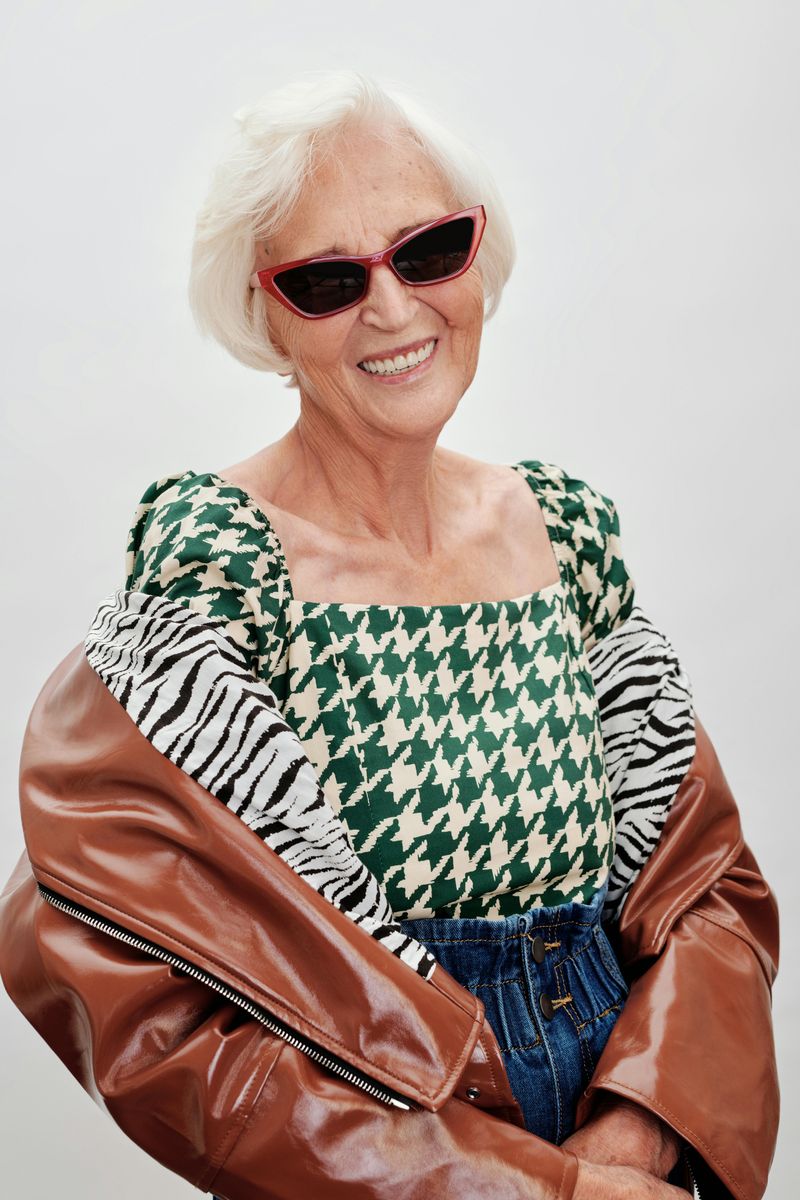
Perhaps no rule has been more limiting than the idea that certain ages shouldn’t wear certain styles.
This ageist approach suggested that women should become invisible or frumpy past a certain birthday.
Style icons of all ages are dismantling this notion by wearing whatever speaks to their personal aesthetic, regardless of their birth year.
A seventy-year-old can rock leather pants if that’s her vibe, just as a twenty-year-old can embrace classic, traditional pieces.
Age doesn’t dictate your fashion choices—your personality, lifestyle, and preferences do.
Authenticity transcends age brackets and trend cycles.
The most stylish people share one trait: they dress for themselves, not for arbitrary age expectations.
Confidence and self-expression never go out of style, no matter what number appears on your birthday cake.
11. Trends Must Be Followed
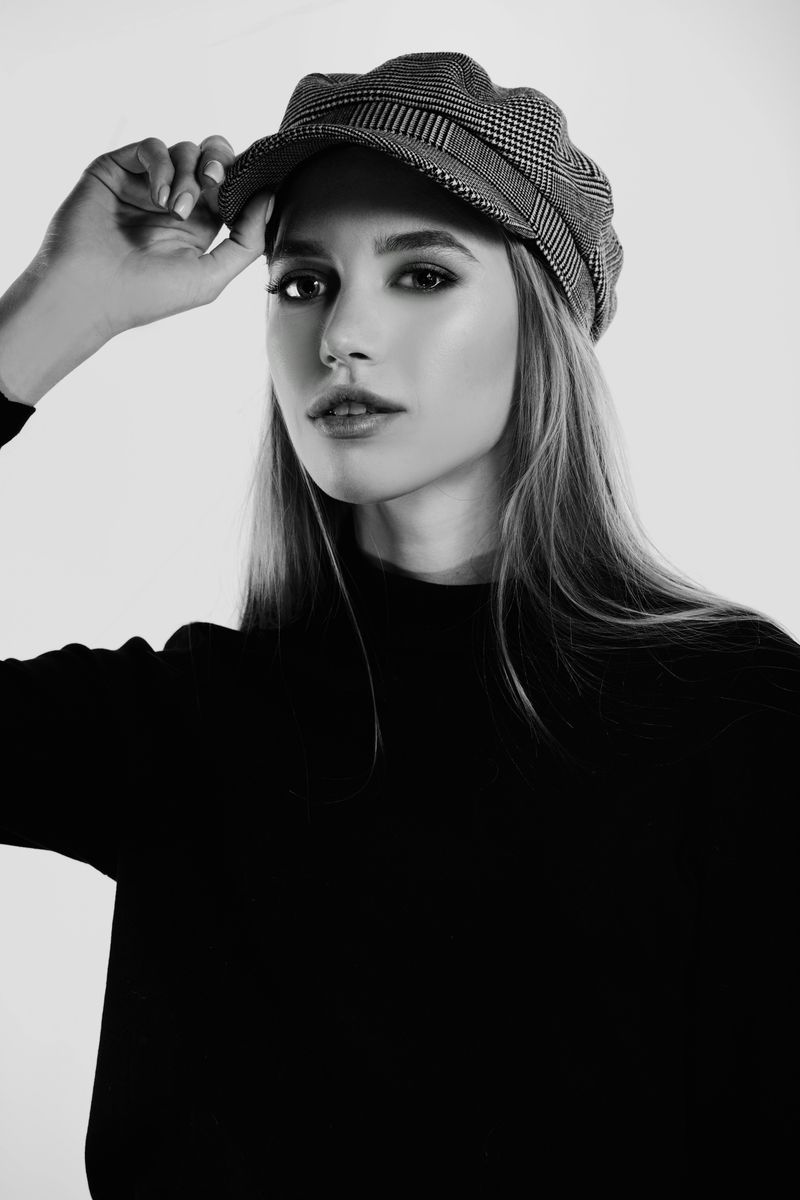
Fashion magazines once made it seem like failing to follow every trend meant falling hopelessly behind.
This pressure created anxiety around wardrobes and encouraged wasteful shopping habits.
The truth is that chasing every trend leads to a closet full of pieces that don’t reflect who you actually are.
Personal style outlasts trends because it’s rooted in understanding what works for your lifestyle, body, and aesthetic preferences.
Select trend elements that genuinely appeal to you and ignore the rest without guilt.
A curated wardrobe of pieces you truly love serves you better than a collection of trendy items you feel obligated to wear.
Fashion is most enjoyable when it’s a form of self-expression rather than a test you’re trying to pass.
Build your style around timeless pieces you adore, adding trendy touches only when they enhance your existing aesthetic.