 MomSkoop
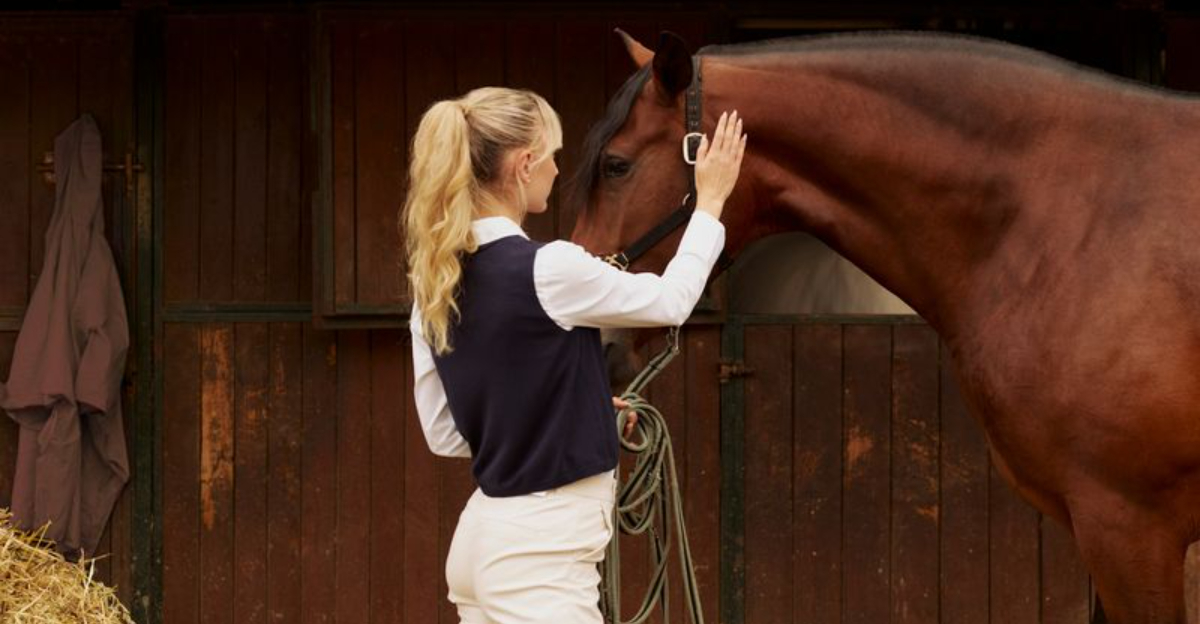
Some people walk into a room and immediately look like they come from a world of quiet luxury — no flashy logos, no trendy pieces, just an effortless elegance that feels timeless. That’s the essence of old money style.
It’s not about spending the most; it’s about choosing the right details that speak without shouting. Whether you’re building a classic wardrobe from scratch or refining what you already own, these 11 outfit details will help you nail that polished, understated look.
1. Impeccable Fit (Tailoring First)
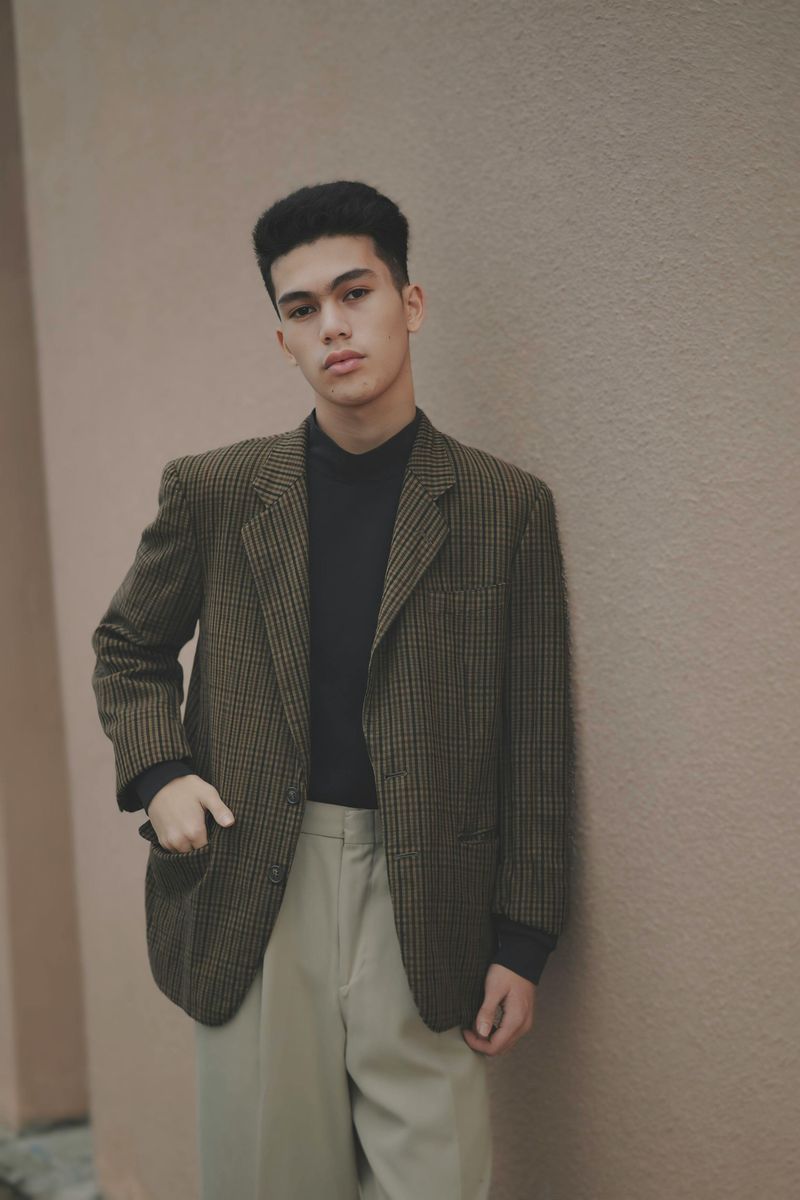
A perfectly fitted outfit can transform even the simplest pieces into something that looks genuinely expensive.
Old money style isn’t about tight clothes — it’s about garments that follow your body without pulling, bunching, or sagging anywhere.
Jacket sleeves should end right at the wrist bone.
Trousers should have a slight break or none at all.
Shirt buttons should never pull across the chest, and the collar should roll cleanly without flopping open.
Tailoring is the real secret weapon here.
Even a modest off-the-rack piece can look elevated once it’s been adjusted to fit your body properly.
That precision is what truly sets old money dressing apart.
2. Neutral, Muted Color Palette
Loud colors and neon shades are a dead giveaway that someone is chasing trends rather than building a lasting wardrobe.
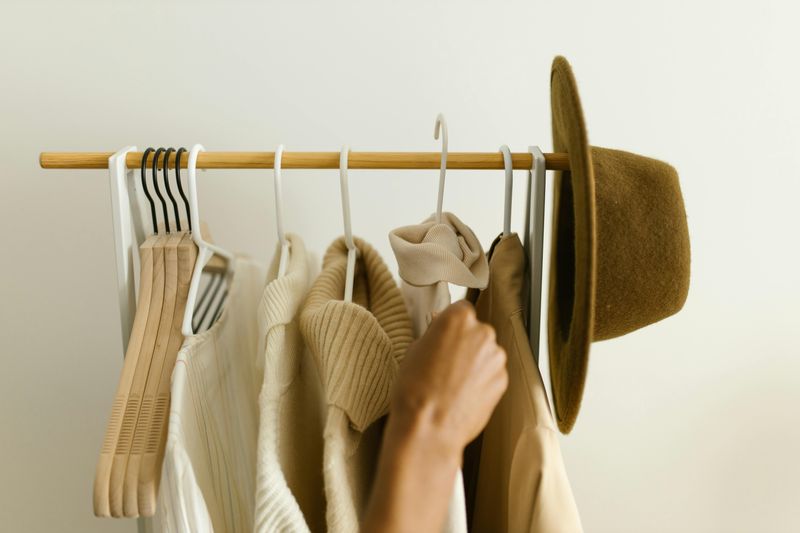
Old money style leans heavily on tones that feel calm, refined, and timeless — think navy, cream, camel, grey, and soft olive.
Tonal dressing is a signature move here.
Wearing beige-on-beige or layering different shades of grey creates an outfit that looks intentional without being flashy.
Seasonal accents like burgundy or forest green add just enough variety without disrupting the quiet elegance.
The beauty of a muted palette is that everything coordinates effortlessly.
Getting dressed becomes simpler, and the result always looks polished and put-together.
3. High-Quality Natural Fabrics
You can spot cheap fabric from across the room — it pills, wrinkles unevenly, and loses its shape fast.
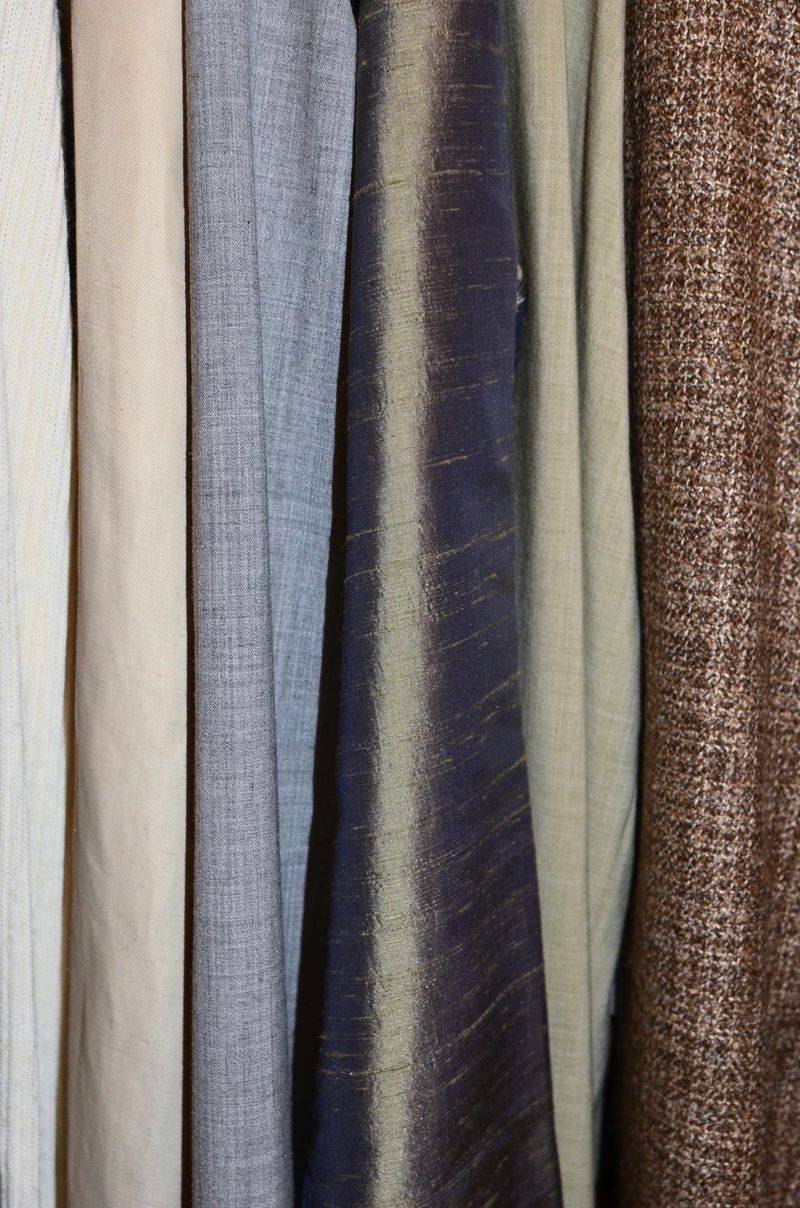
Old money dressing prioritizes natural materials that look and feel noticeably better over time, not worse.
Wool, especially merino or cashmere blends, is a staple for cooler months.
Linen takes center stage in summer, and Egyptian cotton or Oxford cloth shirts are everyday essentials.
Cashmere coats and knitwear add warmth with an unmistakable softness.
Synthetics are generally avoided unless they serve a functional purpose in a subtle blend.
The investment in quality fabric pays off because these materials age beautifully, hold their structure, and simply feel more comfortable against the skin.
4. Understated Footwear
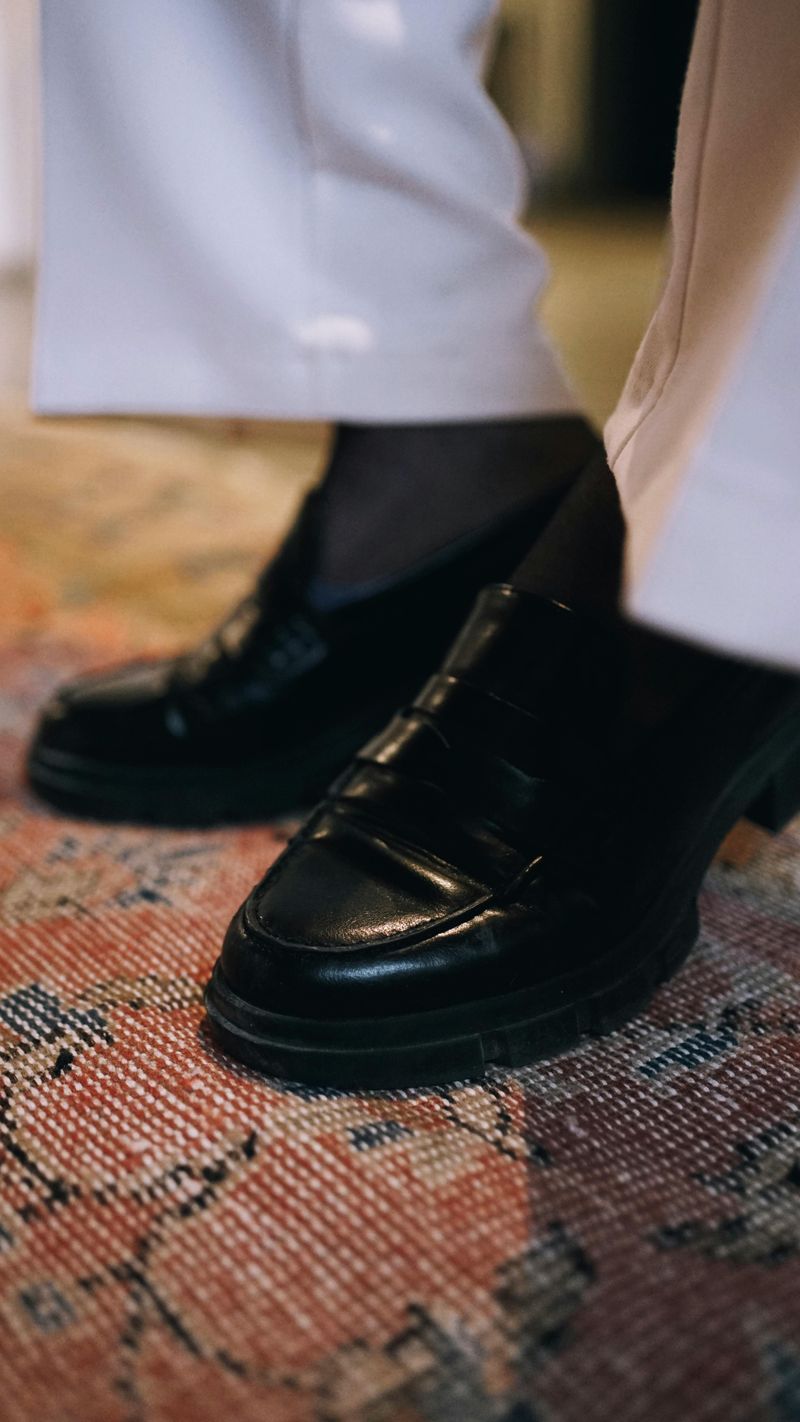
Shoes tell a story before you even say a word.
In old money style, footwear is always classic, well-maintained, and completely free of flashy logos or chunky trendy soles.
Penny loafers and horsebit loafers are practically the uniform of this aesthetic.
Leather oxfords and derbies work beautifully for more formal occasions.
Even casual days call for clean, minimal sneakers in white or neutral tones — nothing neon, nothing oversized.
Condition matters just as much as style.
Scuffed, worn-down shoes undermine an entire outfit, no matter how well the rest is put together.
A good shoe brush and regular polish go a long way toward keeping that quietly polished look intact.
5. Minimal Branding

Here’s a fun truth about old money style: the wealthiest-looking outfits often have zero visible logos.
Real affluence doesn’t need a brand name plastered across the chest to prove itself.
Large designer prints, bold monograms, and logo-heavy accessories are skipped entirely.
If a brand name appears at all, it’s discreet — a small embroidered crest, a subtle tag, or a barely-there label that only someone close would notice.
The philosophy behind this is simple: the quality of the garment speaks for itself.
When your clothes fit perfectly and are made from excellent materials, no logo is necessary.
Quiet confidence is always more powerful than a loudly advertised price tag.
6. Classic Outerwear
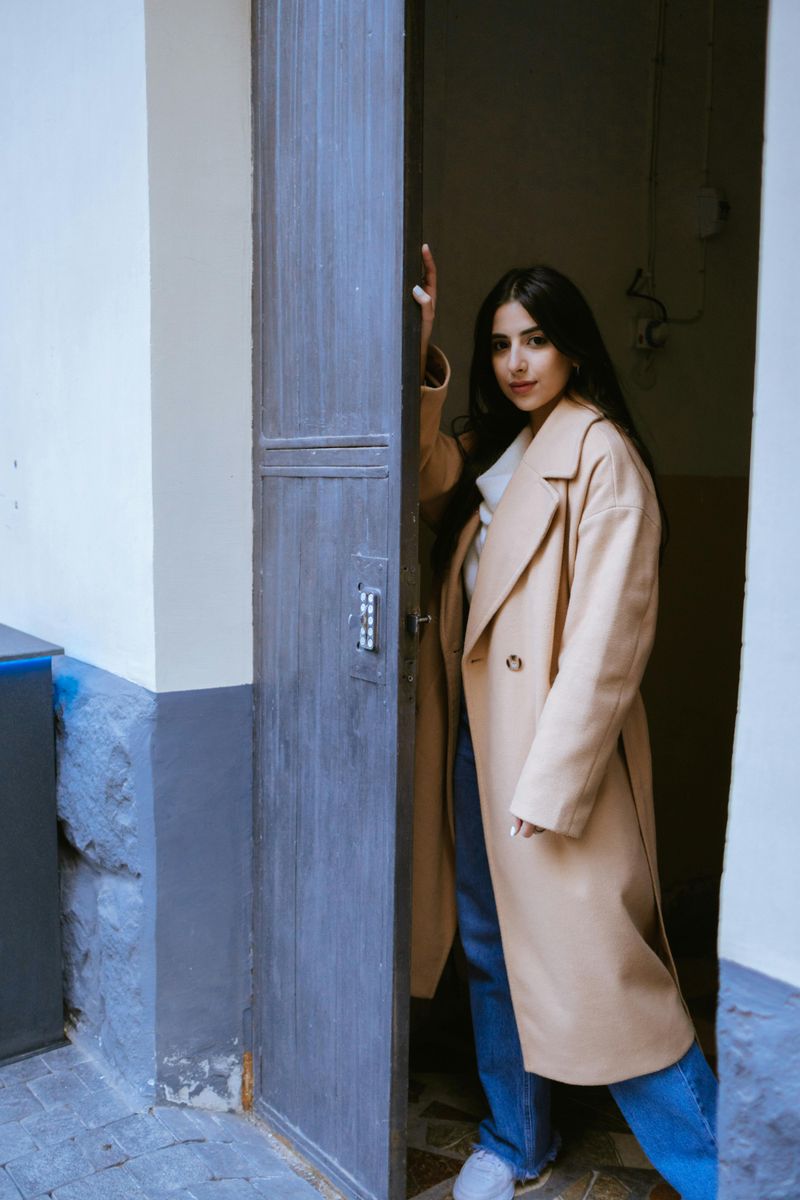
A great coat is one of the smartest investments anyone can make in their wardrobe.
Old money outerwear isn’t about what’s trending this season — it’s about pieces that look just as sharp in twenty years as they do today.
Wool overcoats in camel, navy, or charcoal are the gold standard.
Trench coats in classic beige work across almost every occasion.
Barbour-style waxed jackets bring a countryside elegance that’s been around for generations.
Navy blazers with optional brass buttons round out the category beautifully.
These aren’t impulse purchases — they’re deliberate choices built to last.
The kind of outerwear that gets passed down rather than donated after one season tells its own quiet story of taste.
7. Refined Accessories
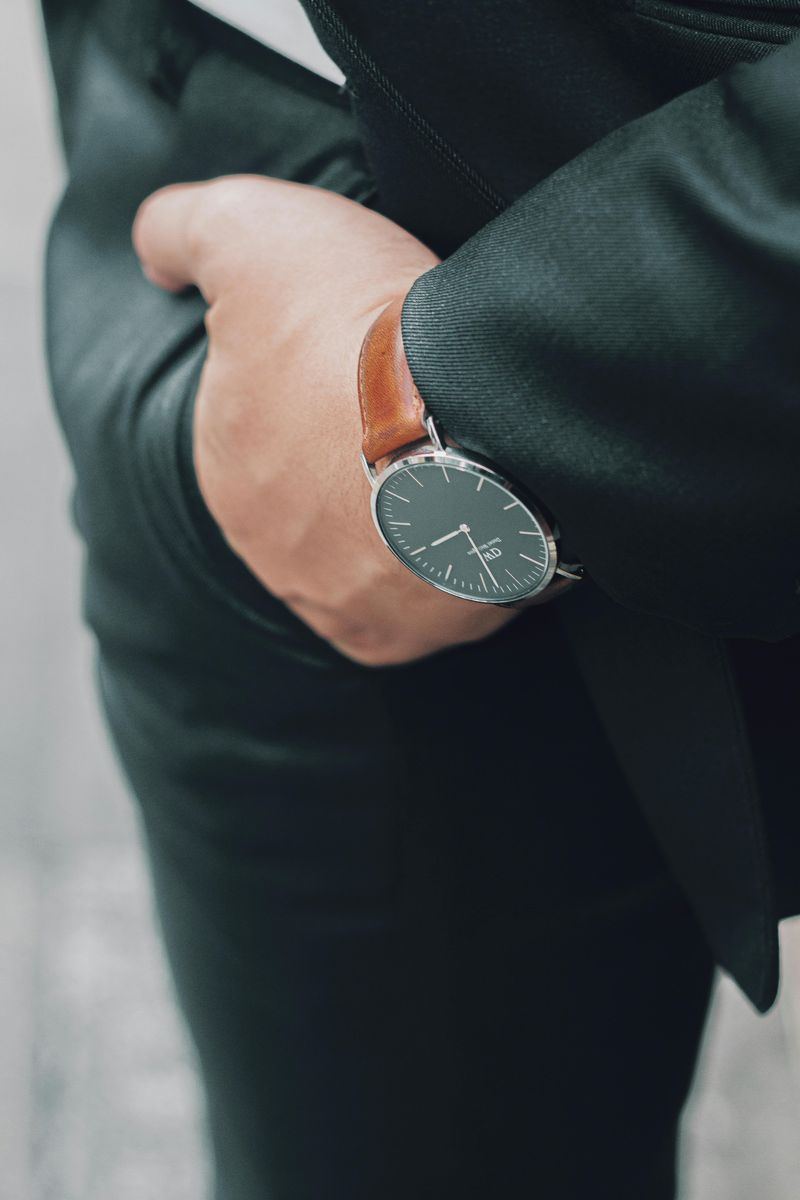
Accessories in old money style follow one clear rule: fewer, better.
There’s no stacking bracelets, no oversized statement watches, and no trend-driven pieces that scream for attention.
A leather belt should always match the shoes — this small detail is surprisingly easy to spot when it’s wrong.
A simple watch with a leather strap or a clean steel bracelet adds quiet sophistication without dominating the wrist.
A silk scarf or pocket square in a subtle pattern brings personality without chaos.
Every accessory is chosen with purpose.
The overall effect should feel complete but never overdone.
When accessories are refined and coordinated, they elevate an outfit rather than compete with it.
8. Knitwear Layering
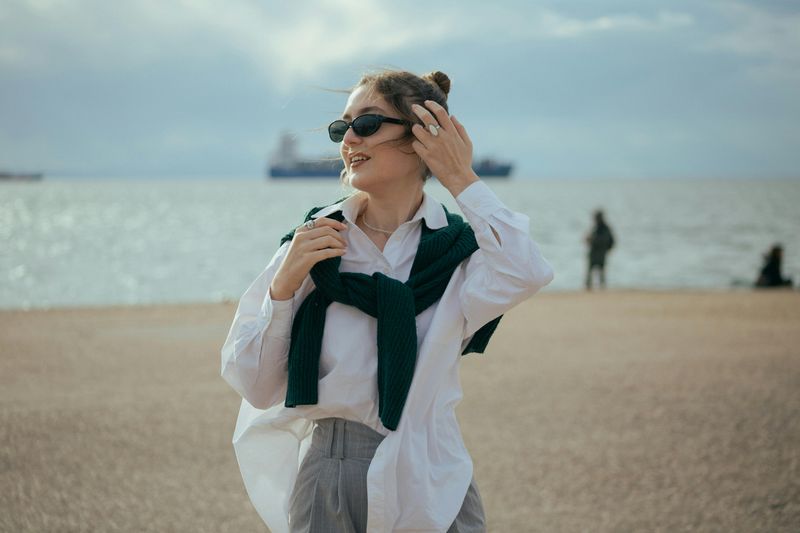
Draping a sweater over your shoulders might seem like a small styling choice, but it’s one of the most recognized signatures of old money dressing — and it actually makes practical sense too.
Cable-knit sweaters, cashmere crewnecks, and v-necks are the go-to knitwear options.
Colors stay firmly within the neutral palette: cream, navy, grey, camel.
Layering a fine knit over a collared shirt adds depth and texture to an outfit without making it look heavy or overdone.
The sweater-over-shoulders look, in particular, has roots in country club culture and old-school prep style.
Done right, it feels relaxed and polished at the same time — which is exactly the balance old money dressing always aims for.
9. Structured Shirts and Polos
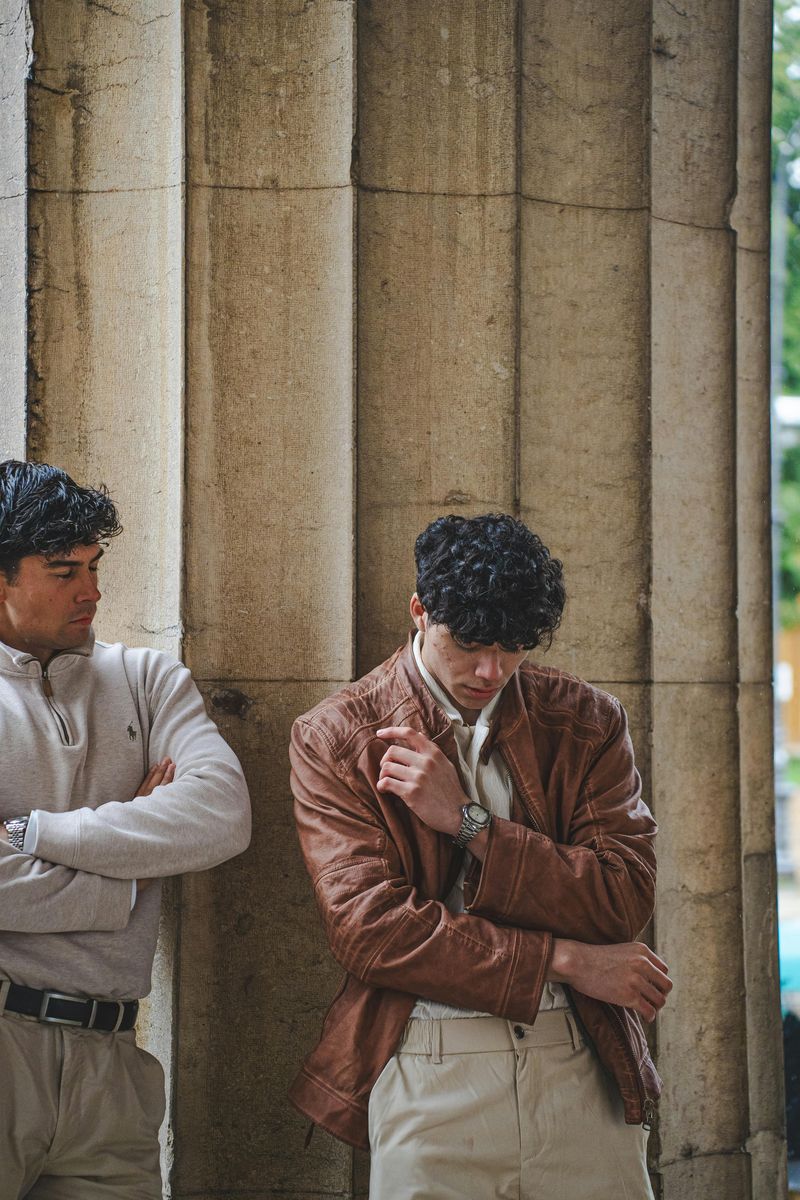
Oxford button-down shirts have been a staple of classic American prep style since the early 1900s, and they haven’t lost their charm.
White, light blue, and subtle stripes are the most versatile options and work in almost any setting.
Polo shirts in solid, muted colors offer a slightly more relaxed alternative without sacrificing refinement.
Linen shirts step in during warmer months, keeping things breathable and elegant.
In every case, the collar should be crisp — not floppy, not oversized, not stiff from too much starch.
The fit matters here just as much as the fabric.
A well-proportioned shirt that sits cleanly at the shoulder and chest communicates a level of care that elevates the entire look effortlessly.
10. Timeless Patterns
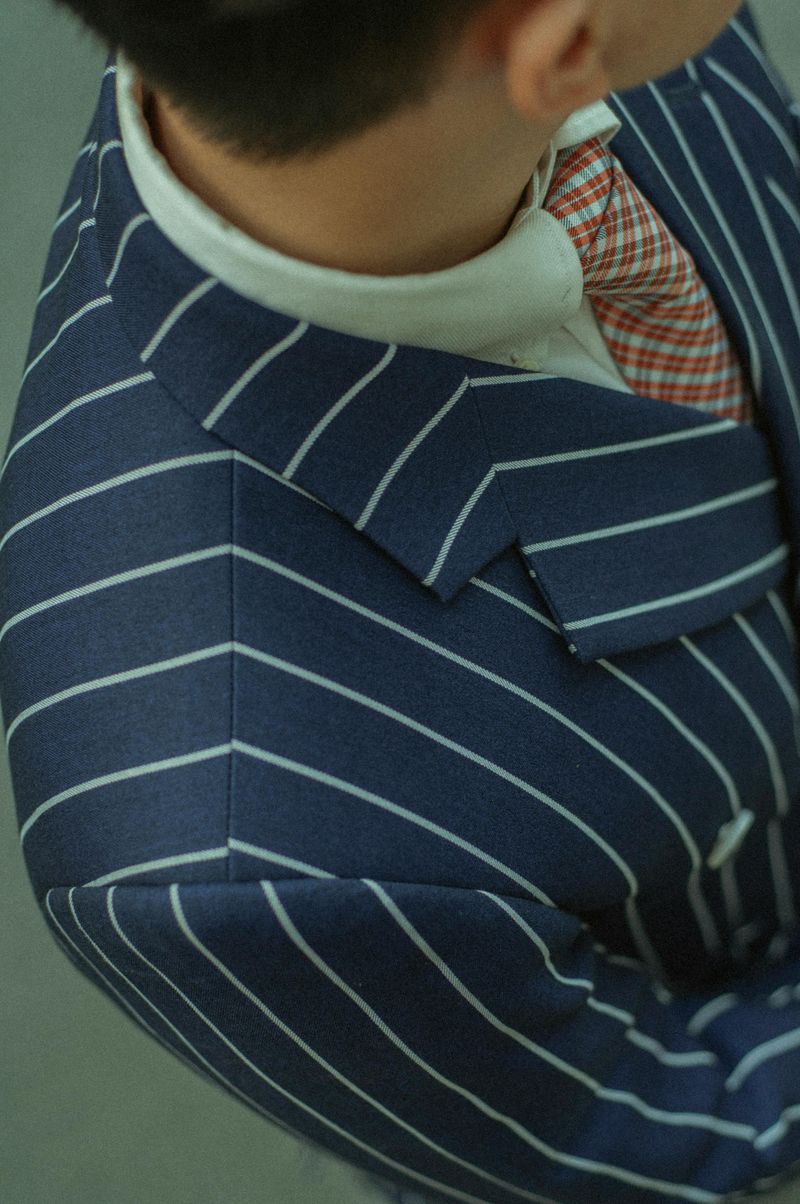
Patterns in old money style are subtle, structured, and rooted in tradition.
Nothing loud, nothing graphic — just quiet visual interest that adds depth without drawing the wrong kind of attention.
Pinstripes and Bengal stripes work beautifully on shirts and trousers.
Tattersall and gingham checks bring a refined countryside feel to casual pieces.
Herringbone and tweed textures are classics in suiting and outerwear, carrying decades of sartorial history in their weave.
The key is restraint.
Wearing one patterned piece at a time, paired with solids in coordinating tones, keeps the look intentional.
These patterns have survived generations of changing trends precisely because they never tried too hard to impress anyone.
11. Effortless Grooming and Presentation
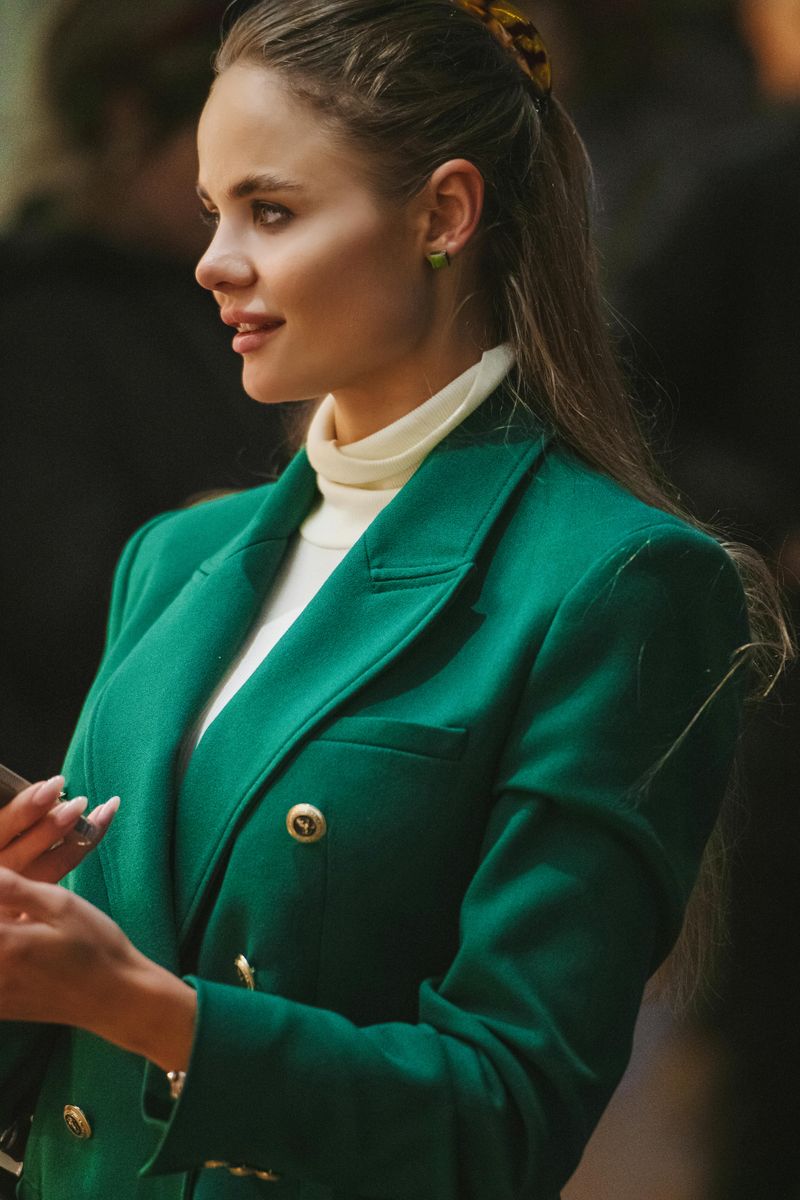
An outfit can be perfectly chosen and still fall flat if the overall presentation isn’t pulled together.
Old money style is as much about how you carry yourself as what you’re wearing.
Clothes should be pressed and completely lint-free.
Shoes need to be polished — not just clean, but genuinely shined.
Hair should look neat and intentional without appearing overly styled or stiff.
A subtle, quality fragrance rounds out the picture without announcing itself when you walk into a room.
The goal is always that coveted “effortless” quality — as though you simply woke up looking this put-together.
Of course, it takes real effort to achieve that effect, but that’s exactly the point of old money dressing.