 MomSkoop
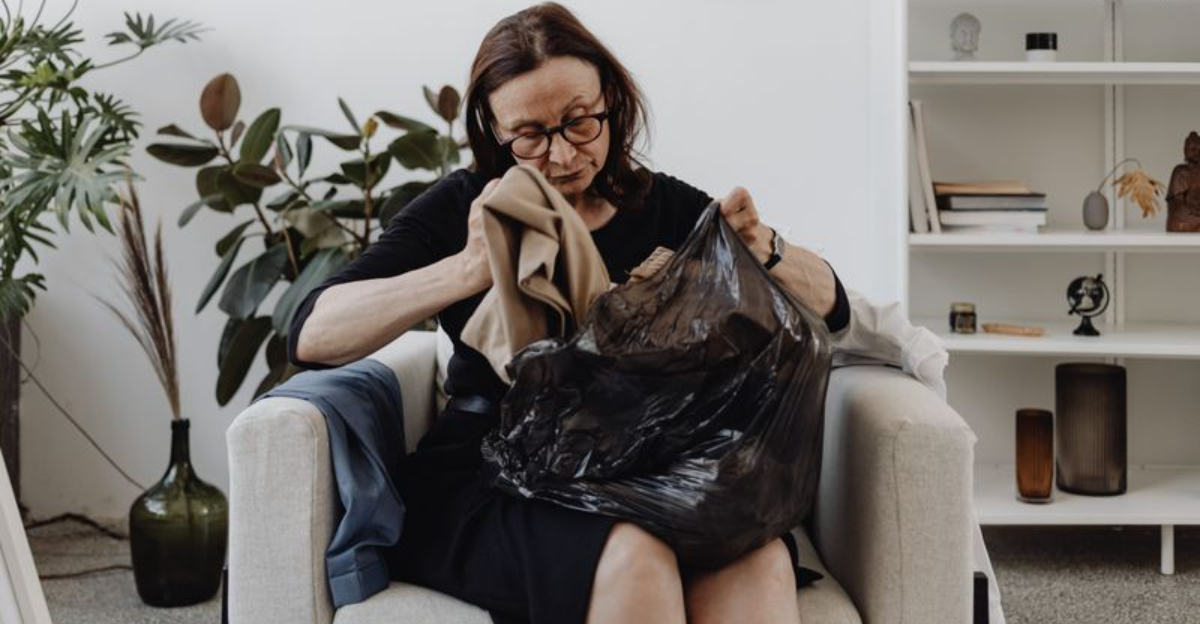
Getting older often means accumulating decades worth of stuff, and at some point, all that clutter can start to weigh you down. After 70, your needs and lifestyle shift, making many old possessions more of a burden than a benefit.
Clearing out what no longer serves you can open up space, reduce stress, and make daily life feel lighter and more enjoyable. Here are 11 common items that are probably just taking up space in your home right now.
1. Duplicate Kitchen Gadgets
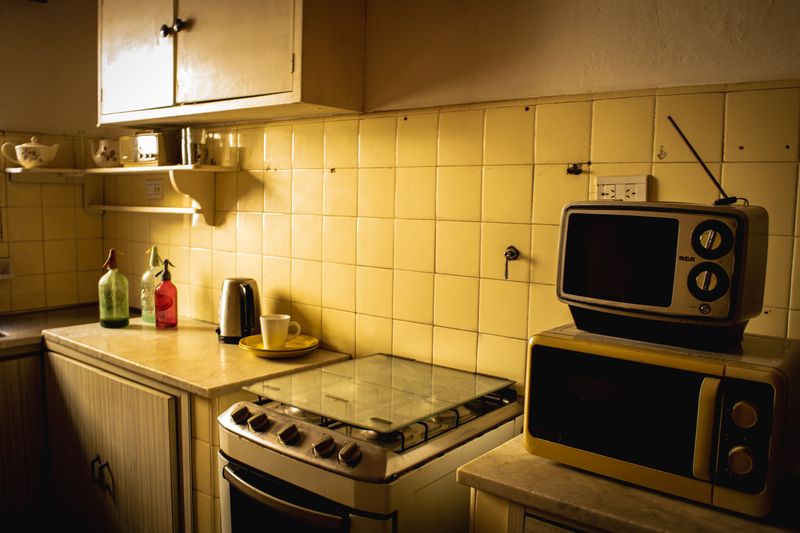
Most kitchens have at least one drawer or cabinet that seems to multiply appliances on its own.
If you have two blenders, a spare coffee maker still in its box, or a bread maker you used exactly once in 2009, it might be time for a honest conversation with your cabinet space.
Specialty gadgets like waffle irons, electric can openers, and fondue sets tend to pile up fast.
Ask yourself: when did you last use it?
If the answer involves a decade, it probably needs to go.
Donating extra appliances to a local shelter or thrift store means someone else gets real use out of them, and you get back valuable counter and storage space.
2. Old Paperwork
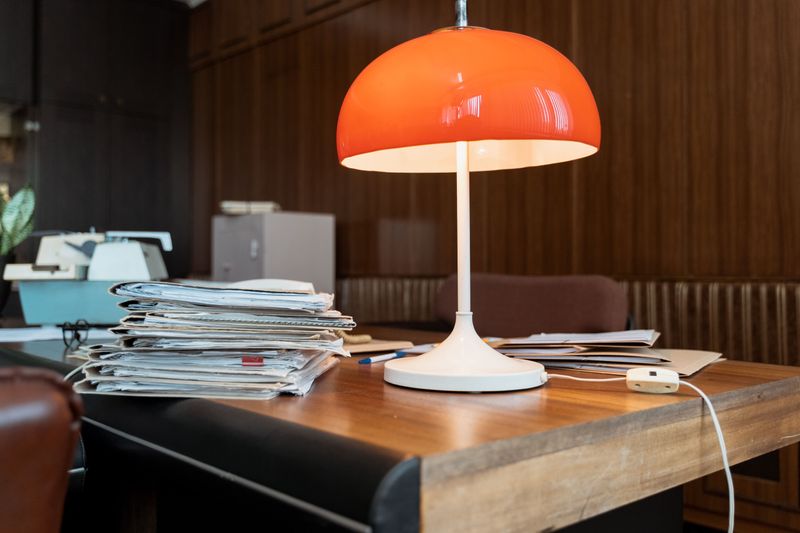
Paper has a sneaky way of building up over the years.
Expired warranties for appliances you no longer own, utility bills from 2003, and instruction manuals for gadgets long since retired can easily fill entire filing cabinets without serving any real purpose.
Most instruction manuals are available online now, and financial experts generally recommend keeping tax records for only seven years.
Anything older than that is likely safe to shred.
Going through old paperwork can feel overwhelming, but tackling one folder at a time makes it manageable.
A cross-cut shredder is a worthwhile investment for safely disposing of documents with personal information, protecting you from identity theft while clearing the clutter.
3. Unused Clothing
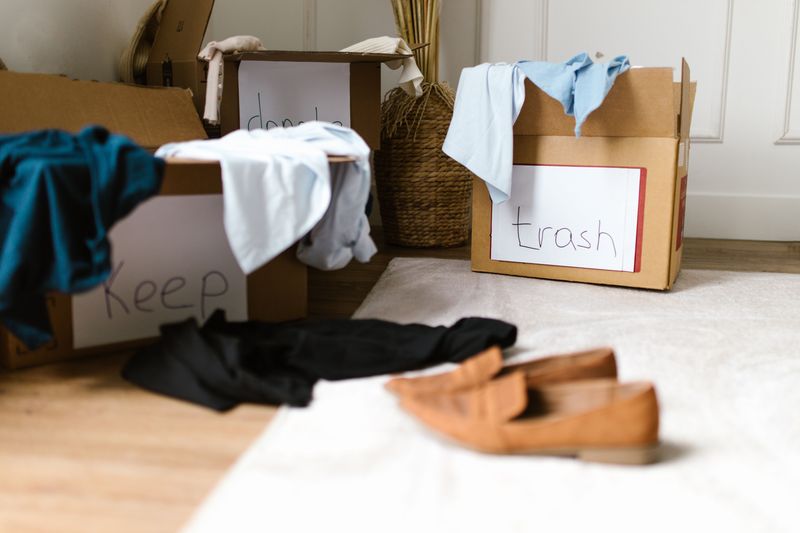
Closets can become time capsules.
Somewhere between the blazers from your working years and the jeans two sizes too small lies a lot of clothing that simply no longer matches who you are or how you live today.
Holding onto clothes that no longer fit “just in case” is a common habit, but it quietly eats up space and makes getting dressed feel like a chore.
A wardrobe that reflects your current lifestyle is genuinely easier to navigate every morning.
Consider keeping only what you reach for regularly and feels comfortable.
Organizations like Dress for Success or local shelters will gratefully accept clean, gently used clothing, giving your old wardrobe a second life somewhere it truly matters.
4. Extra Furniture

That extra armchair nobody sits in, the oversized dining table that seats twelve when you now host two, or the heavy wooden dresser blocking the hallway — furniture can quietly make a home feel cramped and harder to move around safely.
For older adults, open floor space is not just about aesthetics.
It genuinely reduces the risk of trips and falls, which are among the leading causes of injury for people over 70.
Clearing out bulky or unnecessary pieces makes cleaning much easier too.
Selling, donating, or passing furniture on to family members can be surprisingly satisfying.
You get a more breathable living space, and the pieces find a home where they will actually be used and appreciated.
5. Outdated Electronics
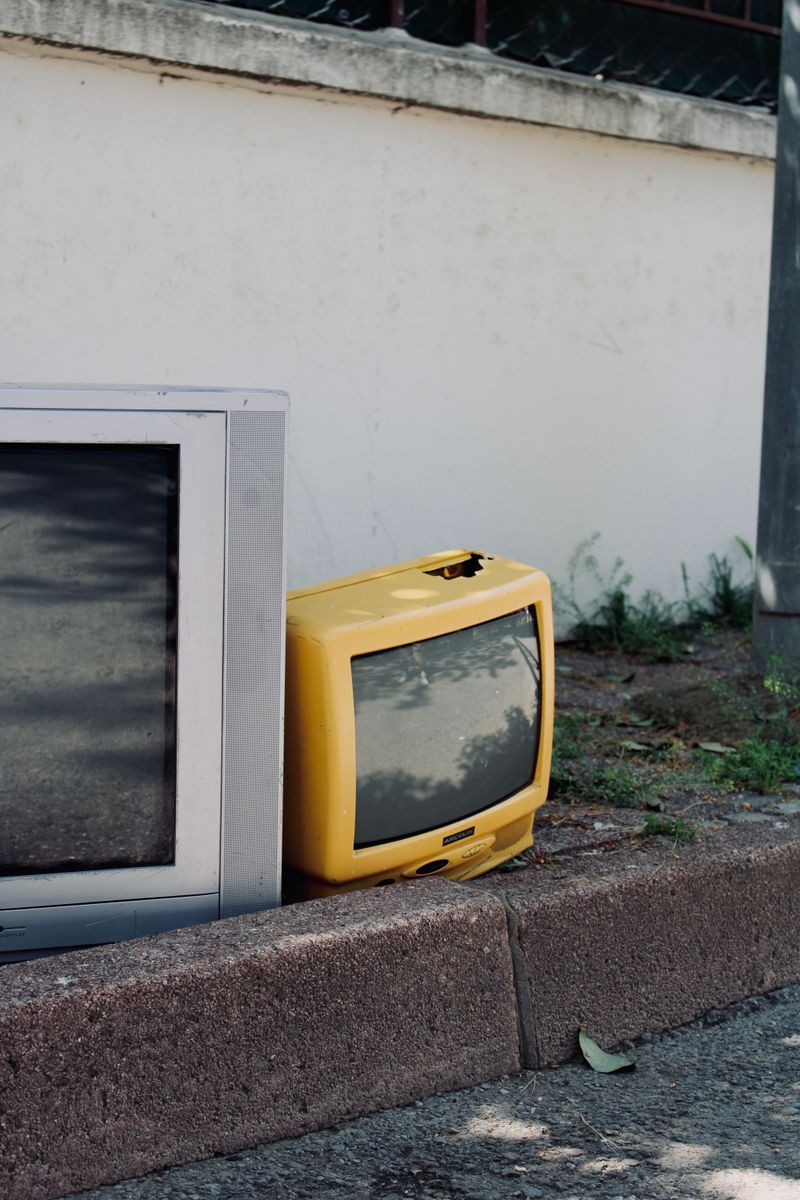
Chances are there is a drawer somewhere in your home that is basically a graveyard for old technology.
Phones from three upgrades ago, a DVD player that only works if you hit it just right, and a tangle of chargers for devices you no longer own — none of it is coming back into regular use.
Old electronics can actually be harmful to toss in regular trash due to the chemicals they contain.
Many communities offer e-waste recycling programs, and some retailers like Best Buy accept old devices for responsible disposal.
Clearing out outdated tech also reduces visual clutter and makes it much easier to find the cords and devices you actually rely on every day.
Less searching, less frustration — it is a genuine quality of life upgrade.
6. Collections with No Personal Meaning
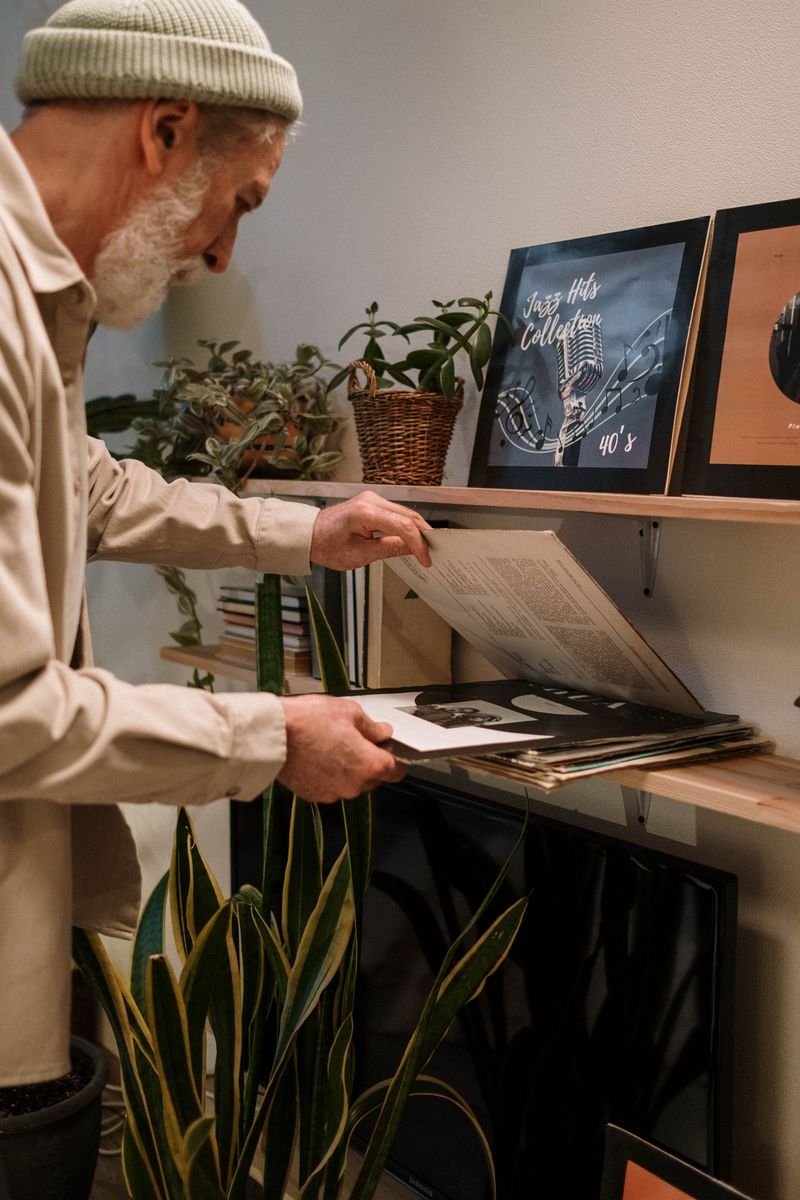
Collections have a funny way of outlasting the enthusiasm that started them.
Maybe you collected ceramic owls in the 1980s because a friend gave you one and it snowballed from there.
Now they line three shelves, gather dust, and feel more like an obligation than a joy.
A good test: when you look at the collection, do you feel happy or just used to it?
If it is the latter, it might be time to let it go.
Keeping only the pieces that genuinely mean something to you honors the hobby without being weighed down by excess.
Some collections have real monetary value on resale sites like eBay or at local antique shops.
What feels like clutter to you might be exactly what someone else has been searching for.
7. Duplicate Linens and Towels
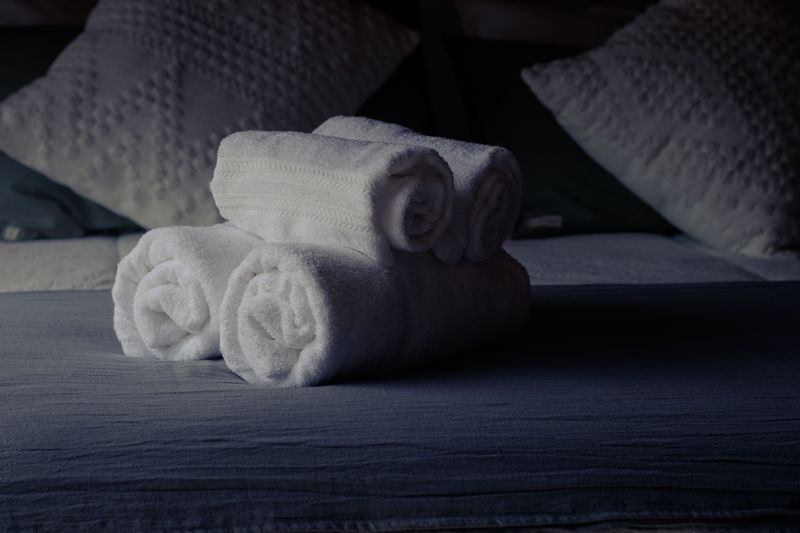
Most linen closets are quietly out of control.
Sheets for beds you no longer have, mismatched pillowcases, and towers of towels that could supply a small hotel — it all adds up to a closet that is impossible to organize and exhausting to dig through.
A practical rule of thumb: two sets of sheets per bed and two to three towels per person is genuinely plenty for most households.
Anything beyond that is just filling space that could be used for something more useful.
Old towels and linens that are past their prime can be donated to animal shelters, which always need them for bedding.
Fresher sets can go to thrift stores or community organizations.
A streamlined linen closet feels like a small miracle once you experience it.
8. Old Books and Magazines

Books are emotional objects — they carry memories, ideas, and a sense of identity.
But a shelf stuffed with titles you finished once twenty years ago and will never open again is not a library.
It is storage with good intentions.
Magazines are even more straightforward.
A stack of National Geographics from 1997 or Reader’s Digests filling a corner is unlikely to be revisited.
Most of that content is now freely available online, and the physical copies are simply taking up room.
Libraries, Little Free Libraries, and used bookstores are all wonderful options for passing books along.
Keeping only the titles you genuinely love or plan to reread means your bookshelf becomes a curated collection rather than a crowded catch-all.
9. Unused Hobby Supplies
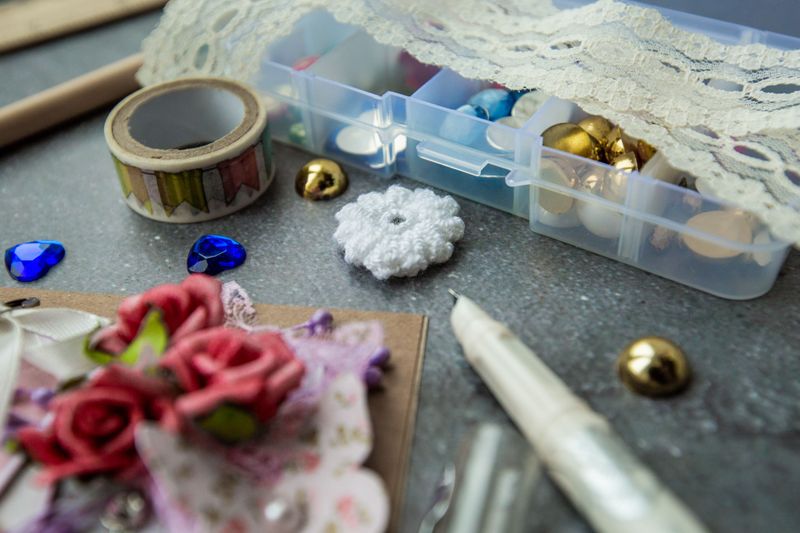
Remember the watercolor phase?
The golf clubs from 2008?
The knitting supplies that were going to become holiday gifts for the entire family?
Hobby supplies for activities you no longer practice have a way of quietly taking over spare rooms, garages, and closets.
Holding onto these items often comes with a side of guilt — the feeling that you should get back to that hobby someday.
But if someday has not arrived in five or more years, it is fair to let the supplies go without judgment.
Community centers, schools, and local art programs are frequently in need of donated craft materials and sporting equipment.
Passing them along means your supplies actually get used, which is a much better outcome than collecting dust indefinitely.
10. Broken or Someday Items
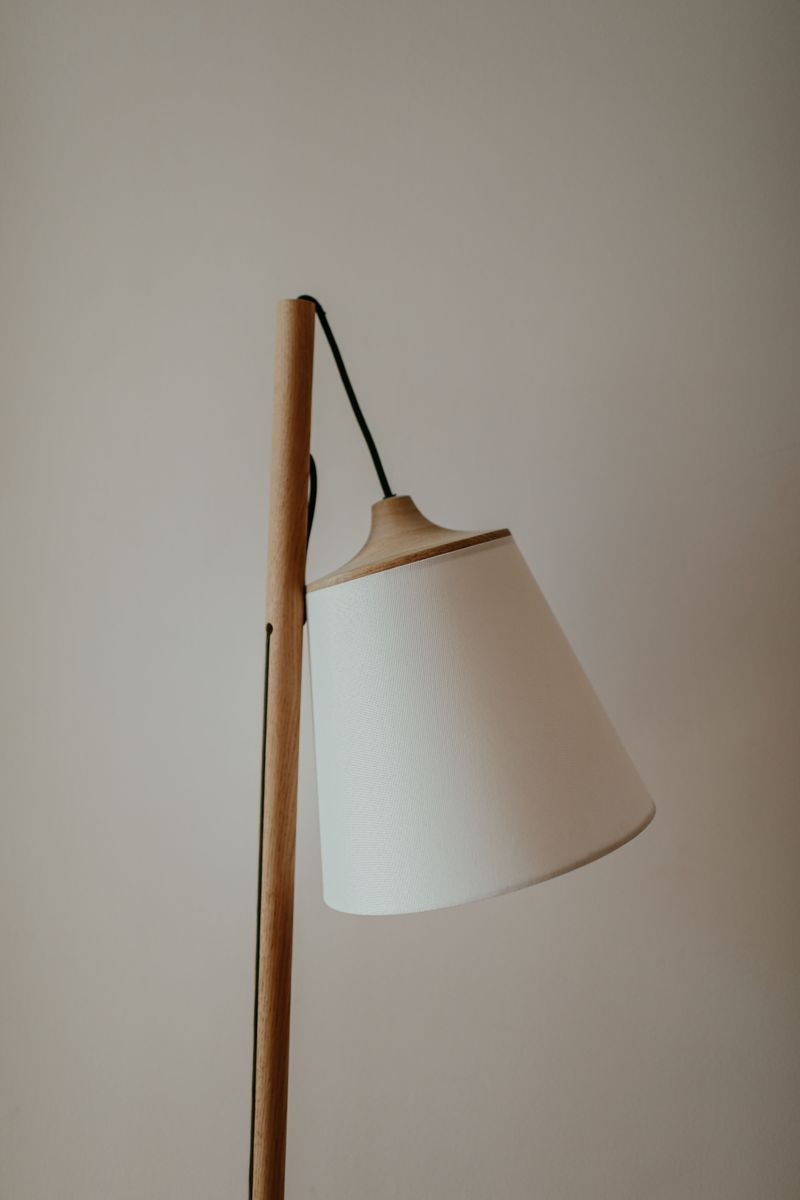
Every home has a someday pile — the lamp that needs a new socket, the chair that needs regluing, the blender that stopped working but seems too good to throw away.
These items sit in limbo, taking up real space while waiting for a repair that never quite happens.
Here is a fair question worth asking: if this item were fixed today, would you actually use it regularly?
If the honest answer is probably not, then the repair is not worth the effort or the space it occupies in the meantime.
Broken items that have sat untouched for more than a year are rarely going to be fixed.
Releasing them — whether through a repair cafe, donation, or recycling — clears both physical space and the low-level mental weight of unfinished tasks.
11. Excess Holiday Decorations
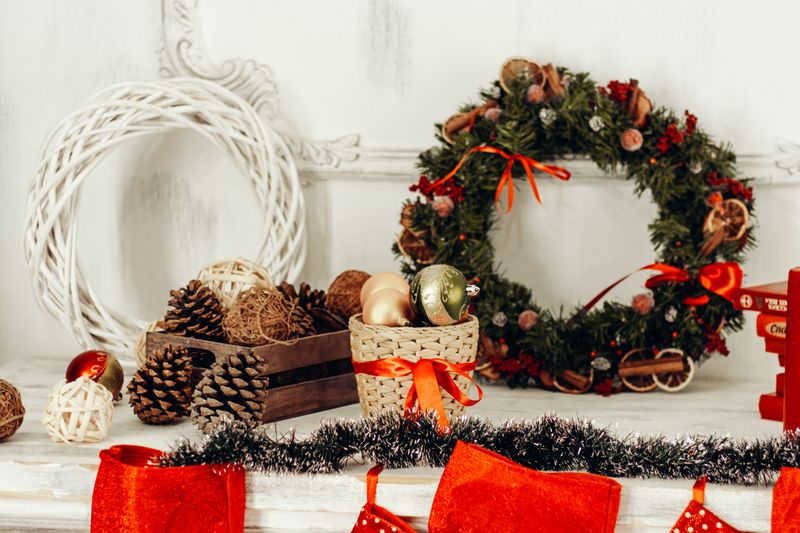
Holiday decorations have a way of multiplying over the decades.
What started as a modest box of ornaments can grow into a full attic section dedicated to Christmas alone, not counting the Halloween, Easter, and Fourth of July bins stacked alongside it.
After 70, holiday celebrations often become smaller and more intimate.
Hauling out dozens of boxes, decorating for weeks, and then packing it all back up again can be more exhausting than festive.
Scaling back to only the decorations that truly feel special makes the season more enjoyable, not less.
Family members are often happy to take sentimental ornaments and decorations.
Thrift stores welcome gently used holiday items, especially in the weeks before each season.
Keeping a curated, meaningful set makes decorating feel like a pleasure again.