 MomSkoop
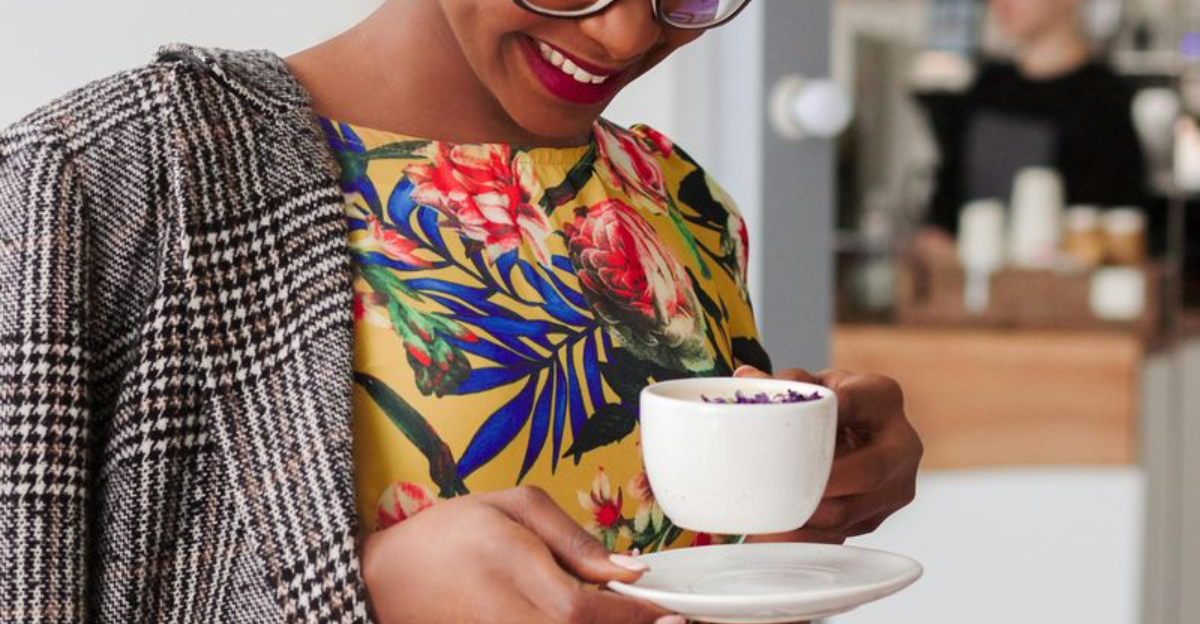
Mixing prints and patterns can feel intimidating, but it doesn’t have to be. Style experts have mastered the art of combining different designs to create outfits that look effortlessly chic and pulled together. Whether you’re new to pattern mixing or want to refine your skills, these proven tricks will help you confidently wear prints like a pro.
1. Start with a Neutral Base

Building your outfit around neutral colors makes pattern mixing much easier.
Black, white, beige, and gray serve as perfect foundations that let your prints shine without competing for attention.
When you wear a neutral piece as your base, you create a visual anchor that helps different patterns work together harmoniously.
Think of it as giving your eyes a place to rest between the busier elements of your outfit.
Start with neutral pants or a solid skirt, then add patterned tops or accessories.
This approach feels less risky while still delivering impressive style results that look intentional and polished.
2. Keep One Color Consistent

Finding a common color thread between different patterns creates instant cohesion.
When your striped shirt and floral skirt both feature navy blue, they naturally complement each other despite their different designs.
This trick works because our brains recognize the repeated color and see the outfit as coordinated rather than chaotic.
You don’t need every color to match—just one shared hue does the magic.
Look closely at the patterns you want to combine and identify overlapping shades.
Even if one pattern uses the color as a main feature and another as an accent, that connection ties everything together beautifully.
3. Mix Different Scale Patterns
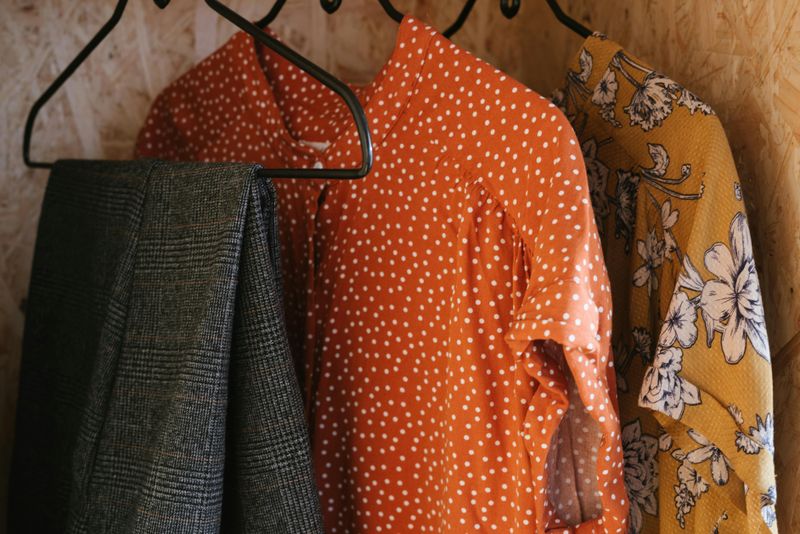
Pairing a large print with a smaller one prevents visual confusion.
When patterns compete at the same scale, they fight for attention and create an overwhelming look that feels cluttered.
Big, bold florals pair wonderfully with tiny polka dots or thin pinstripes.
The size difference gives each pattern its own space to breathe while still creating an interesting, layered appearance.
Think of it like volume control—one pattern should speak loudly while the other whispers.
This balance ensures your outfit looks intentional rather than accidental, showing you understand the subtle art of sophisticated styling.
4. Use the Rule of Three
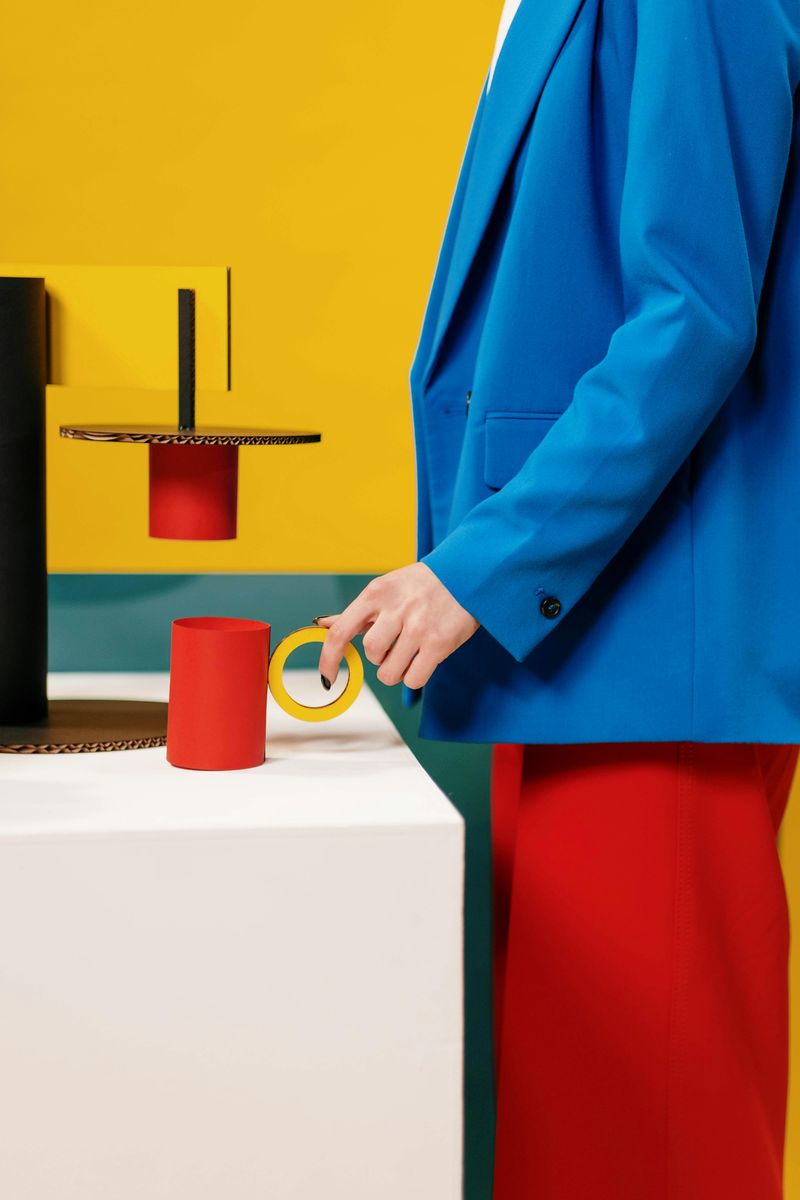
Limiting yourself to three patterns maximum keeps your look stylish without crossing into costume territory.
More than three patterns can overwhelm the eye and make getting dressed feel unnecessarily complicated.
Choose one dominant pattern as your focal point, then add two supporting patterns that complement without competing.
For example, pair a bold printed dress with striped tights and a subtly patterned scarf.
This guideline gives you creative freedom while maintaining visual balance.
Remember, accessories count as patterns too, so consider your shoes, bags, and jewelry when planning your outfit to avoid accidental pattern overload.
5. Separate Patterns with Solids
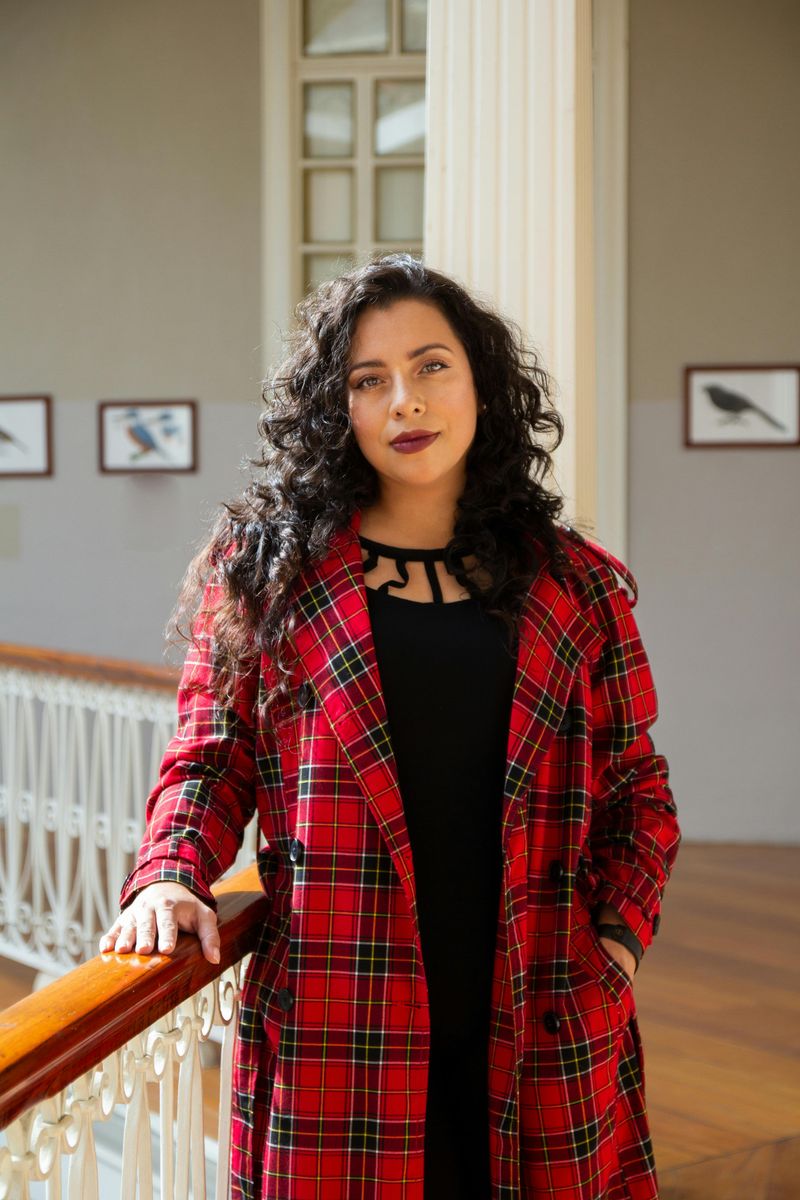
Placing solid-colored pieces between your patterns acts like a visual pause button.
This breathing room prevents patterns from clashing and gives your outfit a more sophisticated, editorial feel.
A solid blazer over a printed top with patterned pants creates distinct sections that are easier for the eye to process.
Each pattern gets its moment to shine without fighting the others for attention.
Even something as simple as a solid belt between a striped shirt and a floral skirt can make a huge difference.
This technique works especially well for beginners who want to experiment with patterns but prefer a safer approach.
6. Match Pattern Mood and Style
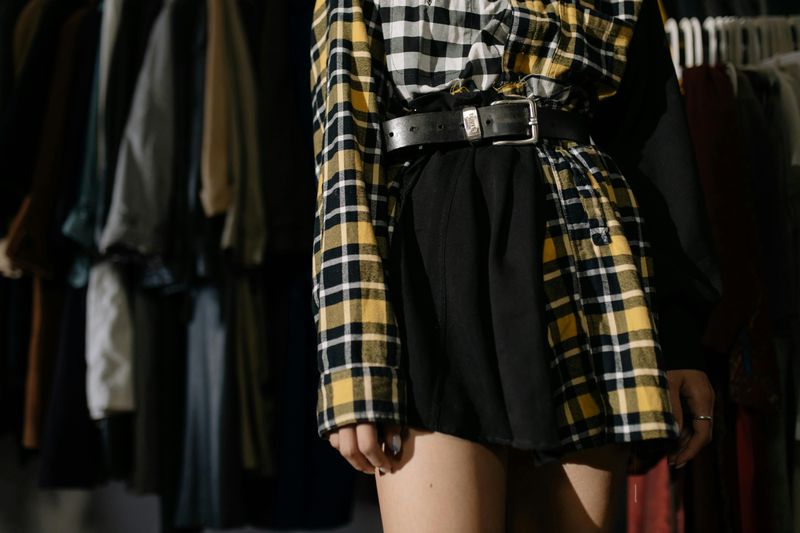
Patterns carry personalities, and mixing ones with similar vibes creates harmony.
Romantic florals naturally pair with delicate lace or soft watercolor prints, while geometric shapes work better with stripes or abstract modern designs.
Combining a vintage-inspired polka dot with futuristic digital prints might feel jarring because they speak different style languages.
Pay attention to the overall mood each pattern conveys before putting them together.
Think about whether your patterns feel casual or formal, playful or serious, traditional or contemporary.
When their attitudes align, your outfit tells a clear, cohesive story that looks professionally styled and thoughtfully curated.
7. Try Monochromatic Pattern Mixing
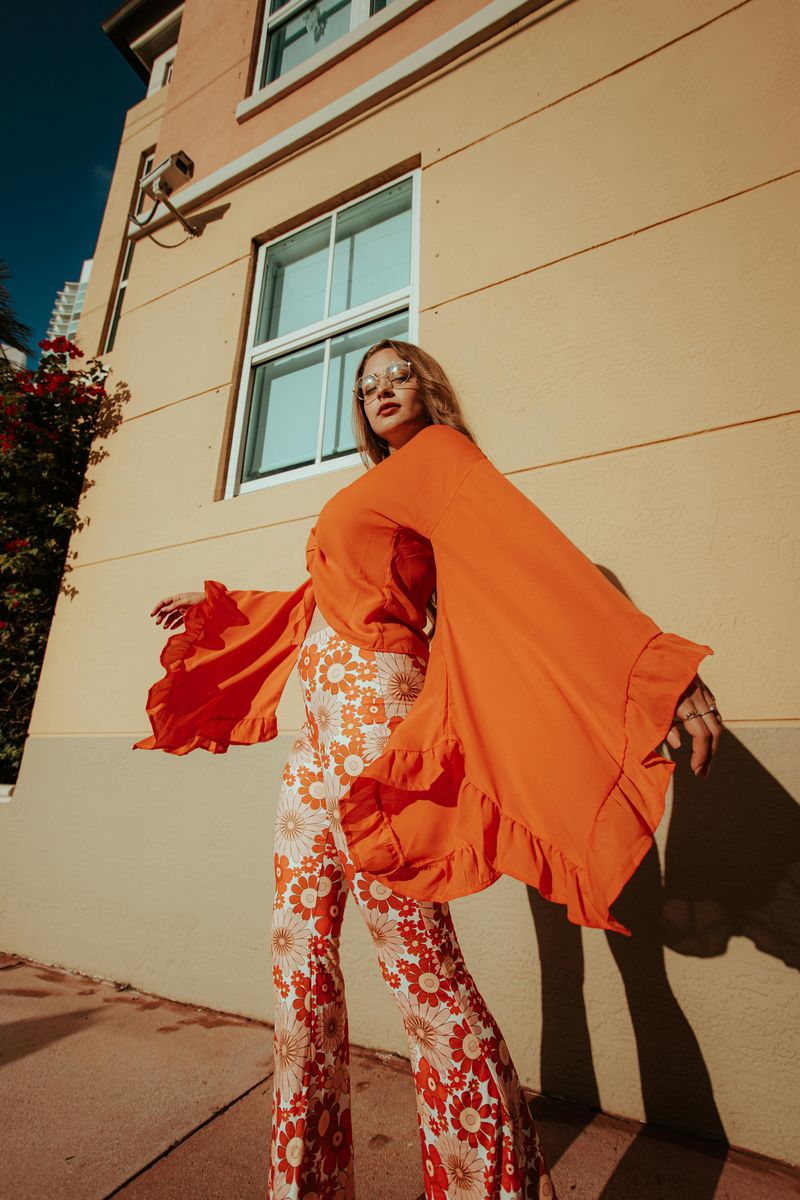
Sticking to one color family while mixing patterns is foolproof.
An all-navy outfit with striped pants, a floral top, and a geometric scarf works because the unified color palette creates automatic harmony.
This approach lets you experiment boldly with different prints without worrying about color clashing.
The single-color scheme acts as a safety net that holds everything together visually.
Monochromatic pattern mixing looks incredibly sophisticated and fashion-forward.
It shows advanced styling skills while remaining accessible for anyone willing to play with texture and design within their favorite color family, from all-white to all-burgundy combinations.
8. Balance Busy with Simple
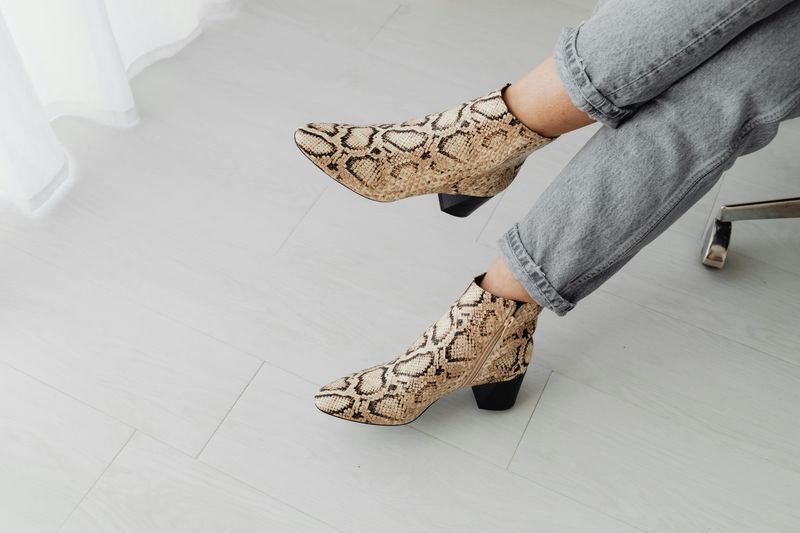
When one pattern features intricate details and multiple colors, pair it with something simpler.
A complex paisley top looks fantastic with straightforward stripes or basic polka dots that won’t compete for attention.
This balance prevents your outfit from becoming visually exhausting.
Your eyes need places to rest, and simpler patterns provide that relief while still contributing to the overall interesting composition.
Consider the complexity level of each pattern before combining them.
If everything is equally busy, the effect becomes chaotic rather than chic, but a thoughtful pairing creates an outfit that’s dynamic without being overwhelming or difficult to look at.
9. Anchor with Classic Stripes
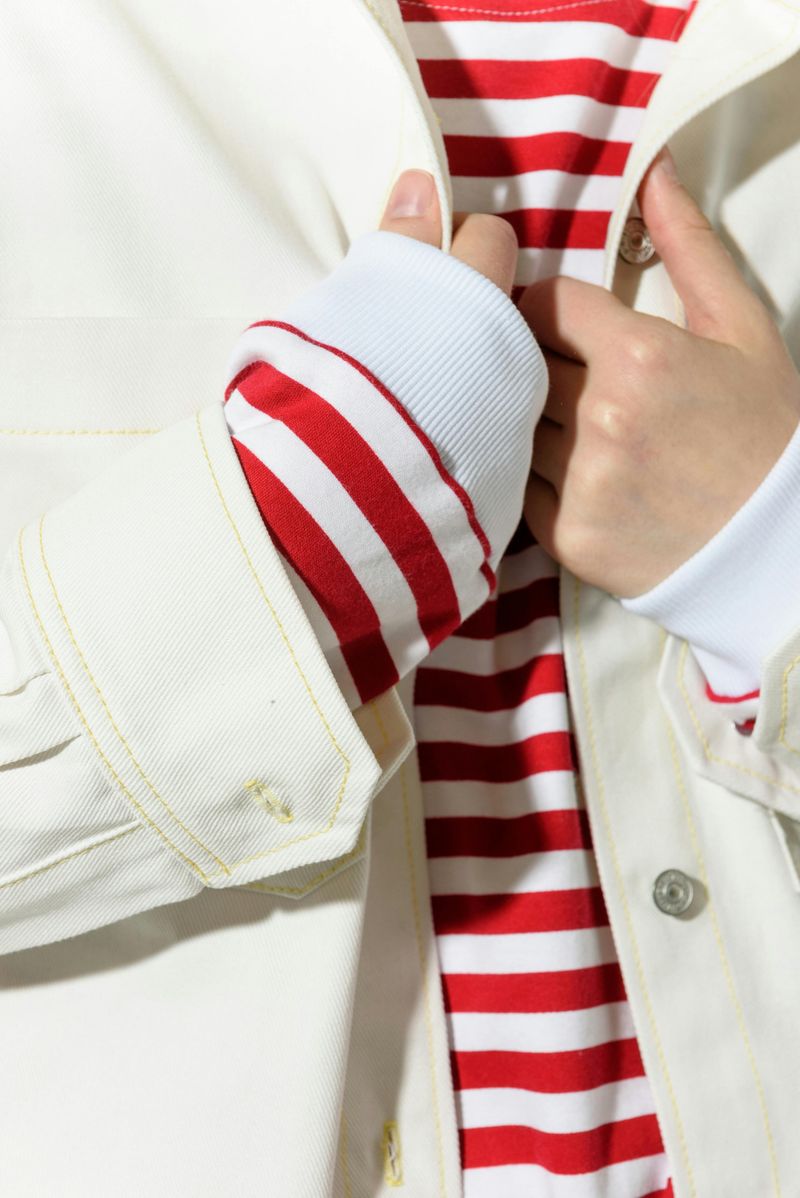
Stripes function as the Switzerland of patterns—they get along with almost everything.
Their linear simplicity makes them ideal partners for florals, animal prints, plaids, and geometric designs without creating visual conflict.
Fashion experts often use striped pieces as their pattern-mixing foundation because they’re predictable and versatile.
A classic Breton stripe shirt can anchor countless pattern combinations while maintaining a polished, intentional appearance.
Whether thin or thick, horizontal or vertical, stripes add structure to your outfit without demanding too much attention.
They’re the reliable friend that makes introducing other patterns feel less risky and more approachable for everyday wear.
10. Consider Pattern Direction

Patterns have movement, and mixing different directions adds visual interest.
Vertical stripes elongate your silhouette, while horizontal patterns draw the eye across, creating dynamic tension when paired together thoughtfully.
Diagonal patterns introduce energy and playfulness, especially when combined with straight vertical or horizontal designs.
This directional variety keeps outfits from feeling flat or one-dimensional.
Pay attention to how patterns flow on your body.
A vertical striped blazer over a top with horizontal florals creates an interesting intersection that guides the eye around your entire outfit rather than letting it settle in one spot, making you look more polished.
11. Accessorize with Patterned Accents
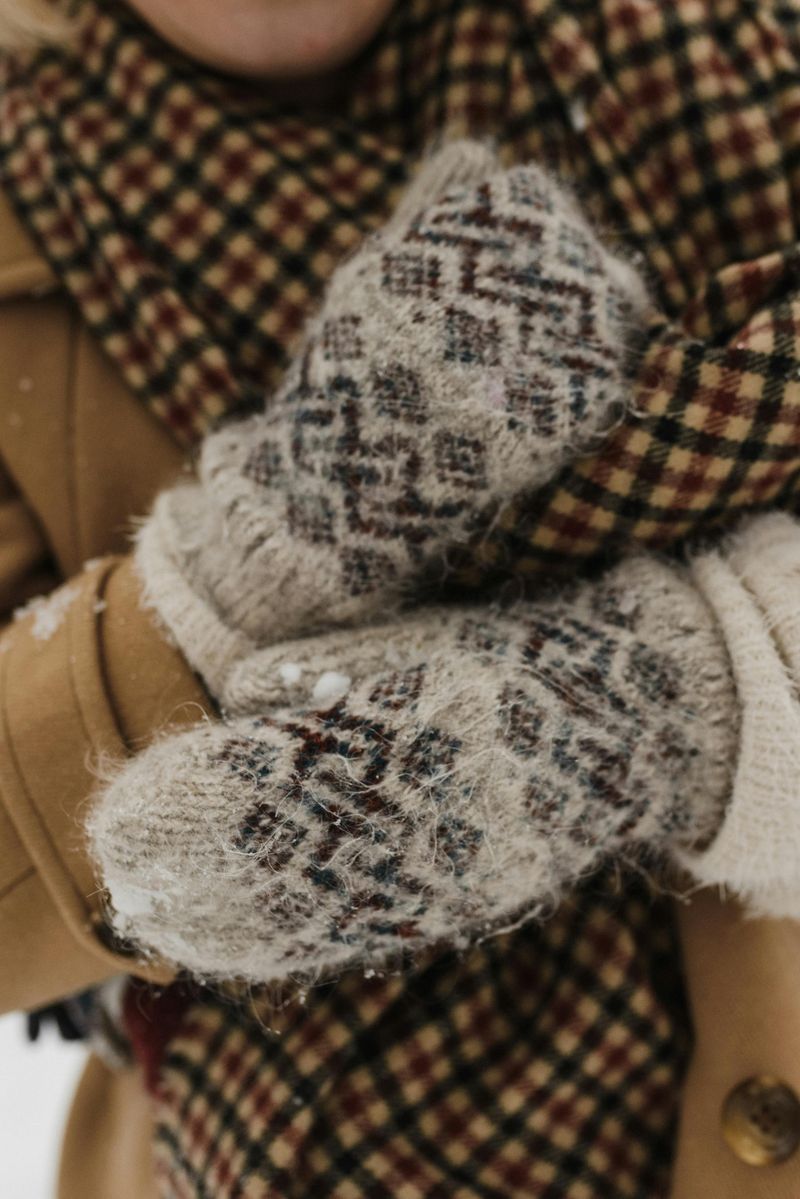
Starting your pattern-mixing journey with accessories feels less committal than wearing head-to-toe prints.
A patterned scarf, printed shoes, or a bold handbag can introduce prints to an otherwise solid outfit with minimal risk.
Accessories let you test pattern combinations before investing in statement clothing pieces.
You can easily swap them out if something doesn’t work, making experimentation affordable and fun.
Once comfortable, gradually increase your pattern confidence by adding printed belts, hats, or jewelry to outfits that already feature one pattern.
This layered approach builds your skills naturally while keeping your style evolution feeling authentic and personally meaningful to your fashion journey.