 MomSkoop

Friendships are essential to our emotional well-being, yet many women quietly navigate life without the close connections they truly need. Sometimes the signs are subtle, hidden beneath busy schedules or a mask of independence. Recognizing these quiet indicators can be the first step toward building the meaningful relationships that enrich our lives.
1. She Struggles to Trust Other Women

Past experiences with betrayal or competition can create invisible walls between women.
When someone has been hurt by female friendships before, opening up again feels like walking into a minefield.
Every new connection carries the weight of old wounds, making it difficult to believe that genuine friendship is even possible.
This protective barrier might seem like strength, but it actually prevents the formation of supportive bonds.
Trust issues often show up as skepticism about other women’s motives or keeping conversations strictly professional.
Without addressing these fears, the cycle continues, leaving her isolated even in rooms full of potential friends.
Healing requires small steps toward vulnerability with safe people.
2. She Relies on Romantic Partners for Emotional Support

Putting all your emotional eggs in one basket creates an unhealthy dependency that no single relationship can sustain.
When a romantic partner becomes the sole confidant, therapist, and best friend rolled into one, the pressure can strain even the strongest relationship.
This pattern often develops gradually, as friendships fade and the partner fills every emotional gap.
The problem intensifies during conflicts or breakups when there is nobody else to turn to for perspective or comfort.
Healthy relationships thrive when both partners have outside support systems that provide different kinds of connection.
Diversifying emotional support is not about loving your partner less but about creating a sustainable network.
3. Independence Turns Into Isolation

There is a fine line between being self-sufficient and cutting yourself off from human connection entirely.
Pride in handling everything alone can morph into a lonely existence where asking for help feels like failure.
What starts as admirable independence slowly becomes a fortress that keeps meaningful relationships at arm’s length.
True strength includes knowing when to lean on others and allowing people into your life.
Isolation disguised as independence often means declining invitations, avoiding group activities, and convincing yourself that you do not need anyone.
The irony is that the strongest people understand that connection makes us more resilient, not weaker.
Balance is key to thriving.
4. She Prefers Predictable Social Interaction

Sticking only to structured environments like work meetings or exercise classes reveals a discomfort with deeper, spontaneous connection.
These settings provide clear boundaries and expected behaviors, which feel safer than the unpredictability of genuine friendship.
There is no risk of awkward silences or emotional vulnerability when interactions follow a script.
However, real friendships require moving beyond these comfortable confines into messier, more authentic territory.
Avoiding unstructured hangouts or always needing an activity as a buffer suggests fear of true intimacy.
Meaningful connections happen during those unplanned conversations and spontaneous moments that structured settings cannot provide.
Growth requires stepping outside comfort zones occasionally.
5. Conversations Stay Surface-Level
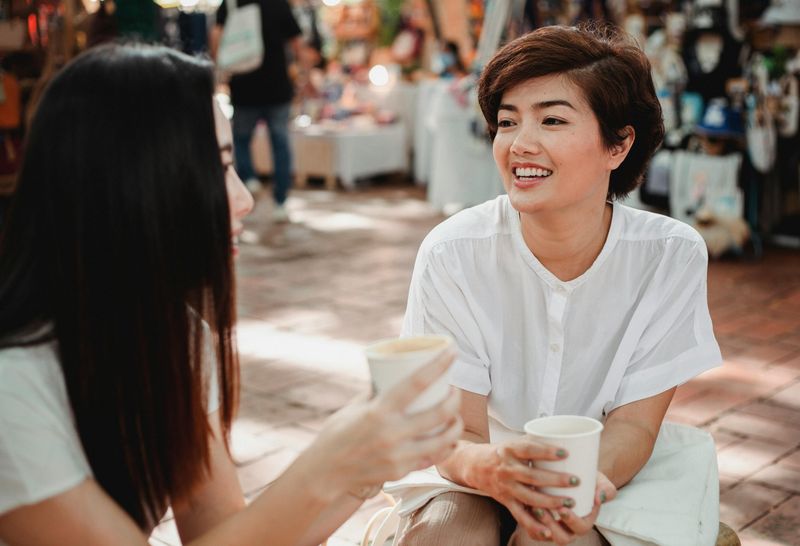
Talking about weather, work tasks, or trending shows keeps things pleasant but prevents real connection from forming.
Surface conversations are easy because they require no emotional investment or risk.
When every interaction stays shallow, it signals either fear of judgment or lack of trust in the other person.
Deep friendships are built on sharing struggles, dreams, and authentic feelings that go beyond small talk.
Constantly steering conversations away from personal topics or changing the subject when things get real creates distance.
True intimacy requires letting people see beyond the polished exterior to the messy, complicated human underneath.
Vulnerability is the bridge to meaningful friendship.
6. She Dines or Attends Social Events Alone

Consistently showing up solo to weddings, parties, or restaurants might indicate a lack of people to call on for companionship.
While there is nothing wrong with enjoying your own company, always being the only one without a plus-one can feel isolating.
Social events highlight the absence of close friends who would naturally accompany you to celebrations.
This pattern becomes especially noticeable at events designed for groups or pairs.
Eating meals alone regularly or skipping events because you have nobody to go with suggests a friendship gap.
These moments offer opportunities to reach out and invite someone new or reconnect with old acquaintances.
Taking initiative can change the pattern.
7. She Prefers Solo Activities

Choosing solo hobbies exclusively can be a sign of avoiding the complications that come with shared activities and friendships.
Running alone, reading, or binge-watching shows are wonderful pastimes, but when they completely replace group activities, it raises questions.
Preferences for solitary pursuits might stem from past disappointments or anxiety about coordinating with others.
Balance between alone time and social activities promotes both independence and connection.
Never participating in team sports, group classes, or collaborative projects limits opportunities for bonding.
Friendships often form through shared experiences and common interests that solo activities cannot provide.
Trying group activities occasionally opens unexpected doors.
8. She Is Often Too Busy for Friends

Using busyness as a shield protects against the vulnerability and effort that friendships require.
Packed schedules filled with work, errands, and obligations leave no room for social connection, but sometimes this overload is unconsciously self-imposed.
Being perpetually unavailable sends a message that friendships are not a priority, even when loneliness lurks beneath the surface.
Genuine connection requires carving out time, even when life feels overwhelming.
Constantly canceling plans or responding with vague promises to get together eventually erodes potential friendships.
People eventually stop reaching out when they are repeatedly turned down.
Prioritizing relationships means treating them as essential, not optional extras.
9. She Avoids Vulnerability

Keeping emotions locked away might feel safe, but it prevents others from truly knowing and supporting you.
Vulnerability is the foundation of intimacy, yet many women have learned to hide struggles behind a facade of having it all together.
Sharing fears, failures, and insecurities requires courage but creates the depth that transforms acquaintances into close friends.
Without vulnerability, relationships remain stuck in superficial territory.
Always being the strong one who never needs help or never admitting when life is hard keeps people at a distance.
Authentic friendship requires mutual sharing of both joys and struggles.
Opening up invites others to do the same.
10. She Gives More Than She Receives

One-sided friendships drain energy and leave you feeling empty rather than fulfilled by connection.
Always being the one who reaches out, plans activities, or provides support without reciprocation indicates an imbalance.
This pattern often develops when someone fears that setting boundaries will result in complete abandonment.
Healthy friendships involve mutual effort, care, and investment from both sides.
Constantly giving without receiving creates resentment and exhaustion over time.
True friends show up for each other consistently, not just when it is convenient.
Recognizing your worth means expecting reciprocity in relationships.
Quality friendships energize rather than deplete you.
Balance is essential for sustainability.
11. She Avoids Talking About Her Social Life

Deflecting questions about weekend plans or friends reveals discomfort with the lack of social connections to discuss.
When conversations turn to social activities, quickly changing the subject or giving vague answers protects against admitting loneliness.
This avoidance stems from shame or embarrassment about not having the vibrant social life that others seem to enjoy.
Honesty about struggles can actually open doors to new connections.
Never mentioning friends or social plans in casual conversation suggests there are not many to mention.
Being open about wanting more friendships invites others to reach out.
Vulnerability about loneliness is the first step toward change.