 MomSkoop

Social media can reveal a lot about someone’s personality, values, and emotional maturity. While everyone posts differently, certain patterns of behavior online can signal deeper problems worth paying attention to.
Whether you’re making new friends, dating, or just scrolling through your feed, knowing these warning signs can help you protect your time and energy from people who might bring unnecessary drama into your life.
1. Extreme Oversharing
Some people treat their social media like a public diary, posting every raw emotion and private struggle the moment it happens.
You might see detailed rants about money troubles, blow-by-blow accounts of relationship fights, or updates about sensitive medical conditions that most would keep private.
This behavior shows a lack of understanding about personal boundaries.
When someone can’t filter what should stay private, it suggests they act impulsively without thinking through consequences.
Real-time emotional dumping often means they haven’t developed healthy ways to process difficult feelings.
People who overshare constantly may struggle with emotional regulation in other areas of life too.
They might share your secrets just as easily as their own.
2. Constant Drama
Ever notice someone whose feed reads like a soap opera script?
Posts like “I’m done with fake people” or “You’ll regret how you treated me” appear weekly, sometimes daily.
These vague statements never explain what actually happened, leaving followers guessing and commenting with concern.
This pattern screams attention-seeking behavior.
Instead of handling conflicts privately like mature adults do, these individuals broadcast their emotional state for maximum visibility.
They want reactions, sympathy, and people taking sides without providing full context.
Emotional volatility shows up clearly through this posting style.
If someone creates this much digital drama, imagine what spending time with them in person would be like.
Constant crisis mode gets exhausting fast.
3. Inconsistent Identity
Watch out for accounts where the person’s story keeps changing.
One month they’re posting about minimalist living, the next they’re flexing designer purchases.
Their core values seem to shift with whatever’s trending, and past posts contradict current claims about who they are.
When someone’s online identity feels like a moving target, dishonesty might be at play.
They could be crafting whatever persona gets the most engagement rather than showing their authentic self.
Some people build entirely performative personalities designed to impress different audiences.
These shifting narratives make it impossible to know who you’re really dealing with.
Trust requires consistency, and someone who can’t keep their own story straight probably isn’t trustworthy in relationships either.
4. Love Bombing in Public
Someone meets a new partner and immediately floods social media with declarations. “Found my soulmate,” “Forever starts now,” and “I’ve never felt this way” appear within days of the first date.
Every photo gets captioned with over-the-top romantic language that feels rushed and intense.
Healthy relationships typically build gradually, with feelings deepening over time through shared experiences.
When someone skips straight to grand pronouncements before really knowing their partner, it reveals manipulative attachment patterns.
Love bombing creates artificial intensity to hook someone emotionally before they see red flags.
This behavior often precedes controlling or toxic relationship dynamics.
People who genuinely care about partners don’t need to perform their devotion for an audience immediately.
5. Obsessive Self-Promotion
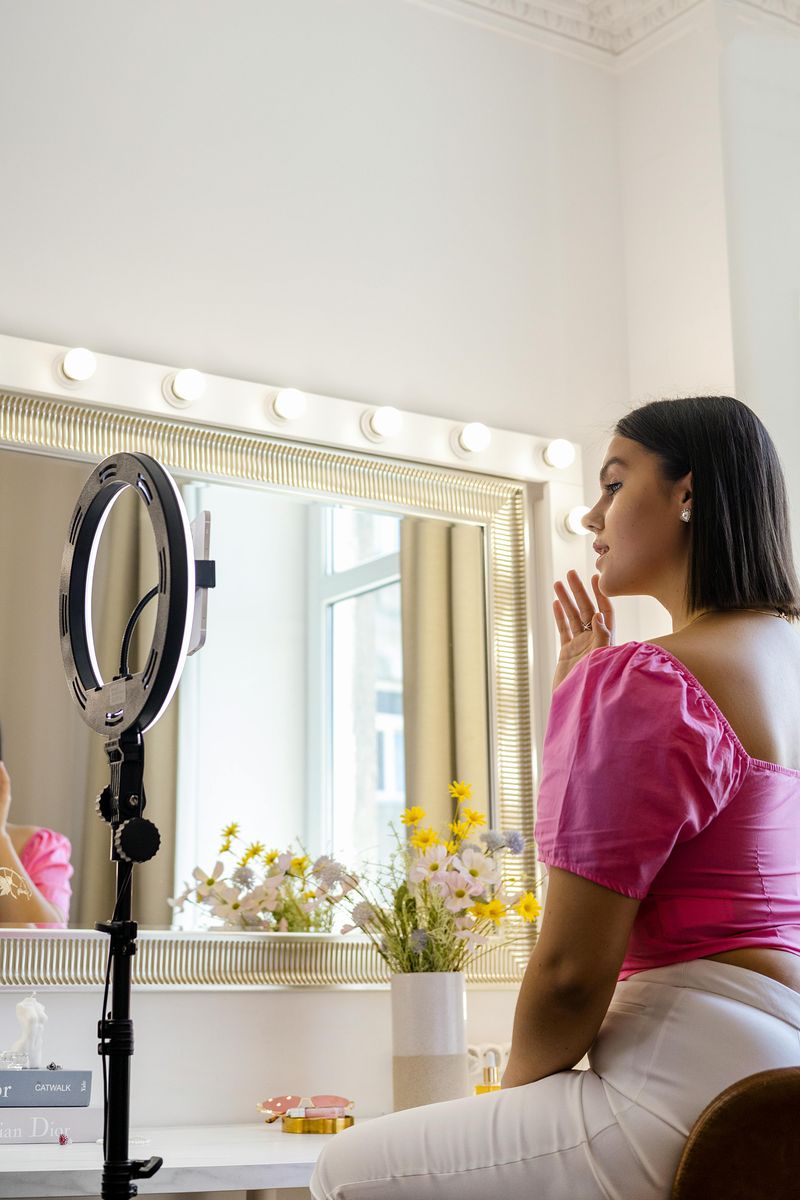
Scroll through some profiles and every single post centers on achievements, wealth, hustle culture, or being better than others.
Captions constantly mention grinding, winning, and leaving haters behind.
Photos showcase money, expensive items, and success symbols without any glimpse of normal human moments or vulnerability.
While celebrating accomplishments is healthy, making every post about superiority suggests narcissistic tendencies.
Often this behavior masks deep insecurity that requires constant external validation.
Genuinely confident people don’t need to prove their worth to strangers online repeatedly.
This exhausting pattern reveals someone who measures self-worth entirely through comparison and status.
Real relationships with these individuals often feel competitive and one-sided, with conversations always circling back to their achievements.
6. No Real-Life Connections Visible

Some accounts have thousands of followers but zero evidence of actual friendships.
Nobody tags them in photos, comments come only from strangers or bots, and they never appear in group pictures or social situations.
Their entire online presence exists in isolation without real human connections visible anywhere.
This absence of organic relationships raises serious questions.
The account might be fake, created for catfishing or scams.
Alternatively, it could belong to someone so isolated in real life that they’ve built a curated illusion online to compensate for loneliness.
Either way, proceed with extreme caution.
Healthy people maintain some visible connections with friends and family.
A complete lack of authentic relationships signals something seriously wrong beneath the surface.
7. Aggressive or Polarizing Rants

Some users turn their profiles into battlegrounds, posting frequent hostile tirades about politics, social issues, or anyone who disagrees with them.
They call people “idiots,” “sheep,” or worse, and their tone drips with contempt.
Every controversial topic becomes an opportunity to attack and belittle others publicly.
This aggressive communication style reveals poor emotional regulation and an inability to handle differing viewpoints maturely.
People who can’t discuss topics calmly online probably struggle with conflict resolution in person too.
Their intolerance for other perspectives makes genuine dialogue impossible.
Constant anger and hostility create toxic environments wherever they go.
These individuals often push away anyone who doesn’t echo their exact opinions, leaving them surrounded only by yes-people or locked in endless arguments.
8. Disrespect Toward Exes

Pay attention when someone’s feed includes regular digs at former partners.
They post screenshots of arguments, make jokes at their ex’s expense, or constantly reference how badly they were treated.
Every relationship story positions them as the victim and their former partner as completely at fault.
Publicly shaming exes demonstrates a serious lack of accountability and maturity.
Healthy people recognize that relationships involve two people, and they process breakups privately with friends or therapists.
Broadcasting negativity about past partners suggests unresolved emotional baggage they’re carrying into new connections.
This behavior also shows disrespect for privacy and boundaries.
If they’re willing to expose an ex this way, they’ll probably do the same to you if things end badly.
9. Engagement Farming
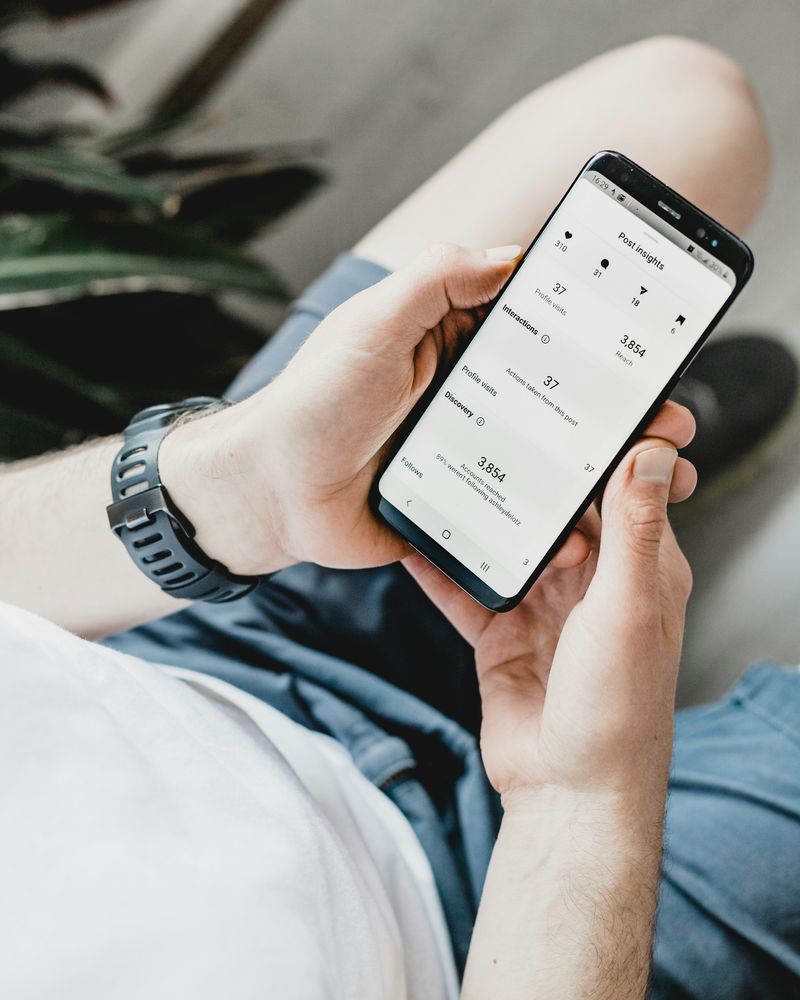
You’ve definitely seen these posts: “Real friends will share this,” “If you don’t repost, you’re fake,” or “Let’s see who my true supporters are.”
They’re specifically designed to guilt-trip people into engaging, using social pressure to manufacture interaction and validation.
This manipulative tactic reveals someone who measures their worth through likes, shares, and comments rather than genuine relationships.
They’re so desperate for visible proof that people care that they resort to emotional blackmail.
Testing loyalty through social media engagement shows deeply insecure attachment patterns.
People who truly value relationships don’t need to trick others into proving their friendship publicly.
This behavior often extends beyond social media into real-life manipulation and guilt-tripping when they don’t get the attention they crave.
10. Fake Luxury or Lifestyle Flexing

Instagram and TikTok overflow with carefully staged wealth signals that crumble under scrutiny.
Rented luxury cars photographed at dealerships, fake private jet backgrounds available for hourly rental, designer items borrowed and returned immediately after the photo shoot.
These users build entire personas around possessions they don’t actually own.
This deceptive behavior goes beyond simple exaggeration into outright fraud.
They’re deliberately misleading followers about their financial status and lifestyle to gain admiration, followers, or business opportunities.
The dishonesty reveals deep insecurity about their actual circumstances and a willingness to lie for status.
When someone needs to fake success this elaborately, it signals they’ll likely be dishonest about other important matters too.
Authentic people feel comfortable with their real lives.
11. Secretive but Suspicious Behavior

Some profiles raise eyebrows through what’s hidden rather than what’s shown.
They disable comments on specific posts without explanation, never tag their relationship status despite being in one, or use selective visibility so different people see different versions of their life.
Their privacy settings seem designed to manage multiple narratives simultaneously.
This calculated secrecy usually means they’re hiding something significant.
Maybe they’re maintaining relationships with multiple people who don’t know about each other.
Perhaps they’re presenting different identities to different audiences.
Either way, the selective transparency suggests deception rather than healthy privacy boundaries.
Honest people maintain consistent stories across their social presence.
When someone needs this much control over who sees what, they’re probably managing lies that would collapse if the full picture became visible.