 MomSkoop

Every generation has its own way of handling love, friendships, and relationships. Gen Z, the group born roughly between 1997 and 2012, is shaking things up in some pretty interesting ways.
From setting boundaries to talking openly about mental health, they are bringing a fresh and thoughtful approach to how people connect. Here is a look at what makes Gen Z’s relationship style stand out from older generations.
1. Setting Boundaries

Older generations often treated boundaries as something uncomfortable or even rude to bring up.
Gen Z flipped that idea completely.
For them, being clear about emotional, physical, digital, and time boundaries is not just normal – it is expected.
They talk about what they are comfortable with early in a relationship, which helps avoid confusion and hurt feelings later.
This generation grew up watching the damage that unclear expectations can cause, and they decided to do things differently.
Whether it is asking for alone time or setting limits on social media sharing, Gen Z treats boundaries as a form of self-respect.
That mindset is helping create healthier, more honest connections between partners.
2. Communicating Needs Directly

Guessing games in relationships can be exhausting.
Many older generations were taught to hint at what they wanted rather than say it outright, hoping their partner would just figure it out.
Gen Z is done with that approach.
Clearly stating what you need – whether it is more quality time, words of encouragement, or space to recharge – is something this generation treats as basic communication.
They grew up with access to therapy-informed content online, which helped normalize direct conversations about needs and expectations.
Partners are not mind readers, and Gen Z knows it.
By saying what they actually want, they reduce resentment and build stronger trust.
It is a refreshingly straightforward shift that older generations are slowly starting to adopt too.
3. Discussing Mental Health Openly

Talking about stress, anxiety, or therapy used to carry a heavy stigma, especially in romantic relationships.
Admitting you struggled emotionally was often seen as weakness.
Gen Z completely rejected that idea.
For this generation, sharing emotional triggers, discussing therapy, and checking in on each other’s mental well-being is just part of being a caring partner.
They grew up during a global pandemic and a mental health awareness boom, which shaped how openly they talk about their inner world.
Bringing mental health into relationship conversations helps partners understand each other on a deeper level.
It also creates space for empathy and patience when someone is going through a tough time.
That kind of openness builds bonds that are genuinely supportive rather than surface-level.
4. Defining the Relationship

Back in the day, many couples just fell into relationships without ever having a real conversation about what they were.
Labels and commitment were often assumed rather than discussed.
Gen Z decided that was not good enough.
Having an explicit conversation about exclusivity, commitment, and expectations is something this generation considers essential.
They use terms like DTR – Define the Relationship – as a natural step in getting to know someone romantically.
It might feel awkward at first, but it saves a lot of heartbreak down the road.
Knowing where you stand with someone removes uncertainty and builds a stronger foundation.
Gen Z understands that clarity is not a buzzkill – it is actually one of the kindest things you can offer a partner early on.
5. Navigating Digital Communication

No generation before Gen Z had to figure out what it means when someone leaves your message on read for three hours.
Digital communication has added a whole new layer of complexity to relationships, and Gen Z is navigating it more intentionally than anyone before them.
They have real conversations about texting frequency, read receipts, social media boundaries, and what it means to be visible online as a couple.
Some couples agree not to post each other publicly right away.
Others set expectations around response times to avoid anxiety spirals.
Managing digital habits in a relationship is a skill older generations never had to develop.
Gen Z is writing the rulebook in real time, learning what works and what causes unnecessary stress in the age of constant connectivity.
6. Recognizing Unhealthy Behaviors

Spotting manipulation, love bombing, or controlling behavior used to be something people only figured out after years of experience – sometimes painful experience.
Gen Z has a huge advantage here because they grew up with access to relationship education online.
TikTok videos, therapy accounts on Instagram, and mental health podcasts have helped millions of young people identify unhealthy patterns before they get too deep into a toxic situation.
Terms like gaslighting and love bombing are now part of everyday vocabulary for this generation.
Knowing what disrespect looks like – even when it is subtle – gives Gen Z the tools to protect themselves earlier.
Recognizing red flags is not about being suspicious of everyone.
It is about knowing your worth and not settling for treatment that chips away at it.
7. Prioritizing Emotional Availability

Being physically present in a relationship is one thing.
Being emotionally present is a whole different skill.
Gen Z pays close attention to whether a potential partner can actually communicate feelings and show up for someone during hard moments.
Emotional availability – the ability to connect, listen, and respond with empathy – is treated as a dealbreaker by many in this generation.
They are less willing to invest in someone who shuts down during conflict or refuses to talk about feelings at all.
Growing up with access to therapy-informed content helped Gen Z understand that emotional unavailability often comes from past wounds.
While they have compassion for that, they also know they cannot pour endlessly into someone who cannot meet them halfway.
That boundary comes from self-awareness, not selfishness.
8. Practicing Ongoing Consent

Consent used to be treated as a one-time checkbox – ask once, and that covers everything forever.
Gen Z changed that conversation completely.
For them, consent is ongoing, evolving, and something that gets revisited as a relationship grows and changes.
Checking in with a partner regularly about comfort levels, preferences, and boundaries is seen as respectful rather than awkward.
This approach applies to physical intimacy, emotional conversations, and even how much personal information gets shared with others.
The idea that someone’s feelings or comfort can shift over time is something Gen Z takes seriously.
Treating consent as a living conversation rather than a single moment creates relationships where both people feel genuinely safe and valued.
That shift in thinking is one of the most meaningful changes this generation has made.
9. Maintaining Personal Independence

Older relationship models sometimes made it seem like true love meant doing everything together and making your partner your whole world.
Gen Z largely disagrees with that idea.
Keeping your own friendships, hobbies, goals, and identity while in a relationship is something this generation actively protects.
They understand that two whole people make a stronger couple than two people who lost themselves trying to become one.
Spending time apart, pursuing individual passions, and maintaining outside friendships is healthy – not a sign that something is wrong.
This mindset helps prevent codependency, which can quietly suffocate even the most loving relationships over time.
Gen Z grew up seeing the burnout that comes from losing yourself in a partner, and they are choosing a more balanced path forward.
10. Handling Conflict Through Communication
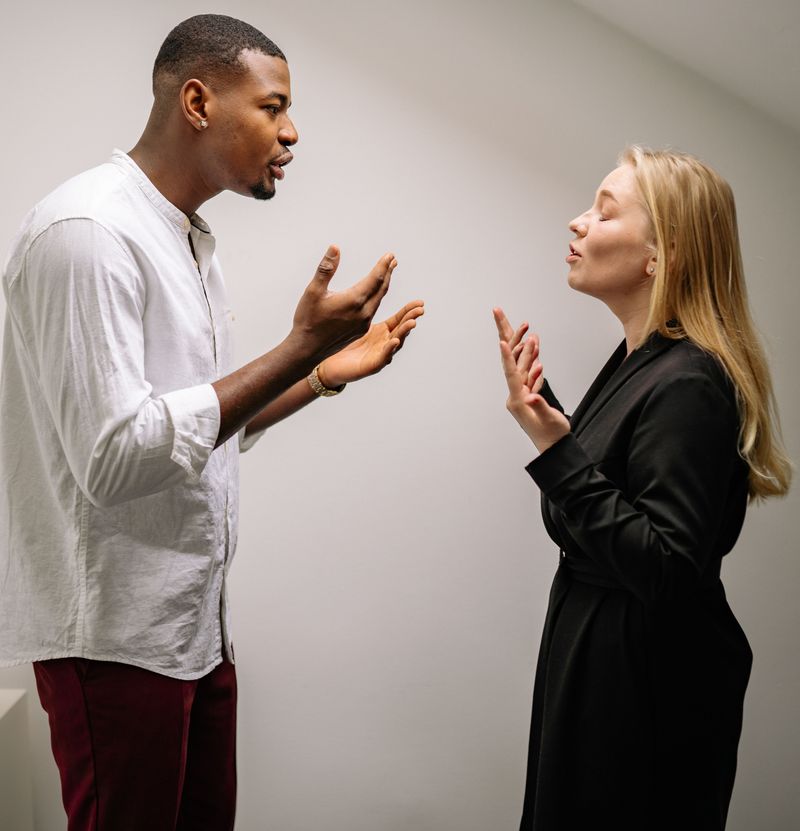
Stonewalling, silent treatment, and sweeping issues under the rug were common conflict strategies in older generations.
Gen Z is pushing back against all of that.
Talking through feelings, naming triggers, and working toward actual solutions is how they prefer to handle disagreements.
They are more likely to say “I feel hurt when this happens” rather than shutting down or blowing up.
That kind of language, often called “I statements,” comes from therapy culture that Gen Z absorbed through social media and school mental health programs.
Conflict does not have to mean the end of something good.
When two people can sit with discomfort and actually talk it through, they come out on the other side with a stronger understanding of each other.
Gen Z is proving that communication beats avoidance every time.
11. Ending Incompatible Relationships

Staying in a relationship just because it is comfortable, familiar, or because others expect it is something Gen Z is far less willing to do.
When values, goals, or emotional needs consistently clash, this generation is more prepared to walk away – and they do not feel guilty about it.
Previous generations were often taught to stick things out no matter what, sometimes at the cost of their own happiness or safety.
Gen Z grew up hearing that leaving a relationship that is not working is an act of courage, not failure.
Choosing to end something that is not right for either person takes self-awareness and emotional maturity.
Gen Z sees it as honoring both themselves and their partner rather than dragging out something that has run its course.