 MomSkoop
Television in the 1980s gave us some of the most memorable shows ever made, but not all of them went out on their own terms. Some were canceled too soon, some faced behind-the-scenes chaos, and others left fans hanging with unresolved storylines.
The way a show ends can be just as fascinating as the show itself. These eleven series from the decade had some of the most unusual, surprising, or downright dramatic endings in TV history.
1. Moonlighting
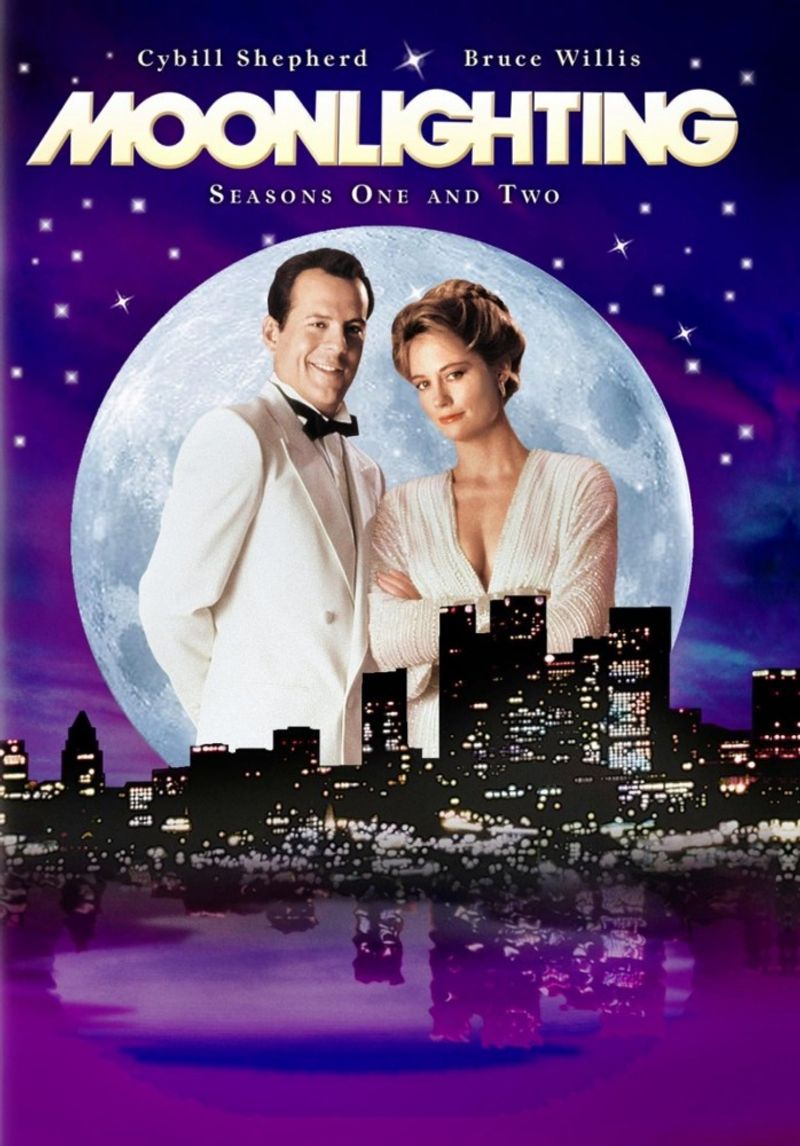
Few shows captured the electric chemistry of two mismatched leads quite like Moonlighting.
Bruce Willis and Cybill Shepherd played bickering private detectives whose on-screen tension kept viewers glued to their seats throughout the mid-1980s.
Behind the scenes, things were far less charming.
Shepherd’s reduced availability after having twins, Willis’s booming film career, and the 1988 writers strike all created serious production delays.
The show’s schedule became increasingly unpredictable, which frustrated both the crew and the audience.
Ratings dropped sharply as a result, and ABC finally canceled the series in 1989.
What had once been one of television’s most talked-about shows ended quietly, a victim of real-life complications that no script could have fixed.
2. Max Headroom
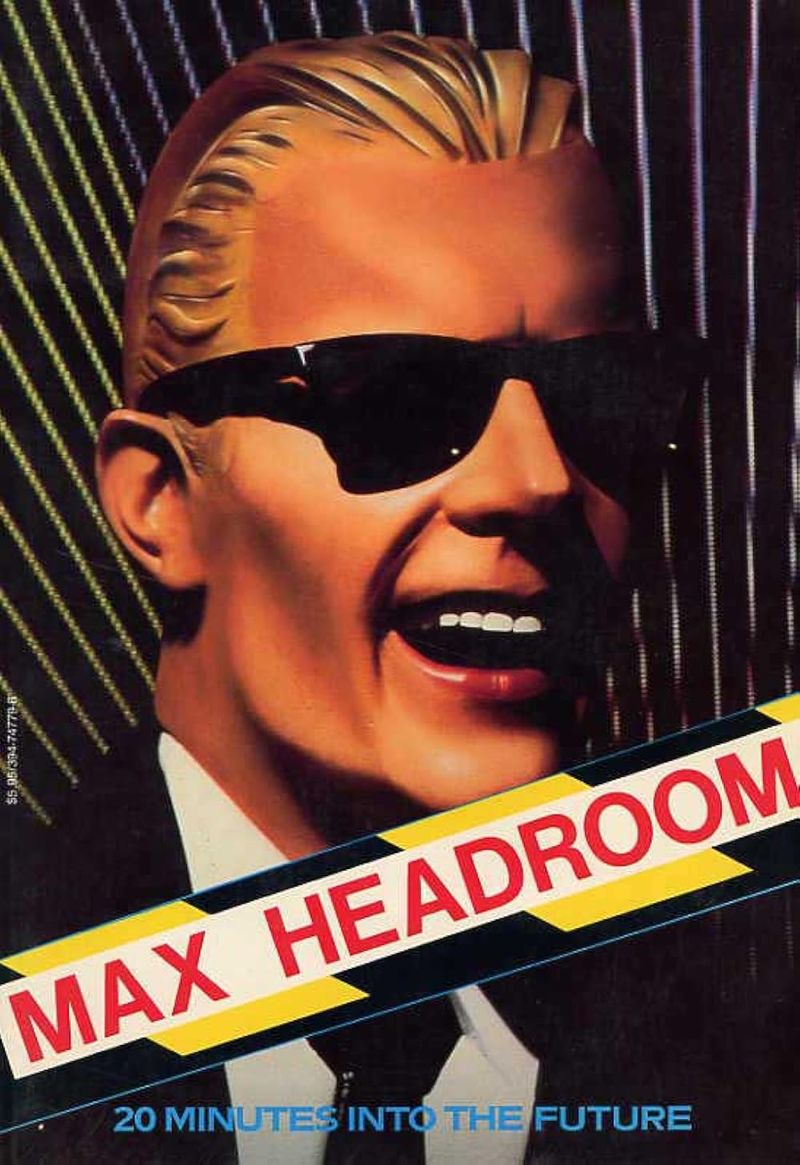
Max Headroom was unlike anything else on television in 1987.
The cyberpunk series featured a stuttering, digitally created character and tackled bold themes about media corruption and corporate power, topics that felt ahead of their time.
ABC made a costly programming decision by moving the show to Friday nights, placing it directly opposite two ratings juggernauts: Dallas and Miami Vice.
Audiences simply could not find it, and viewership collapsed almost immediately.
The network pulled the plug just a few episodes into its second season.
Max Headroom never got the chance to fully develop its ambitious ideas, but it earned a devoted cult following that still celebrates its creativity and daring vision decades later.
3. Sledge Hammer!

Sledge Hammer! had one of the most gloriously absurd endings in sitcom history, and it happened at the close of its very first season.
ABC was so confident the show would be canceled that the writers sent their trigger-happy detective out with a bang, literally, by having him accidentally detonate a nuclear bomb and destroy the entire city.
Then the ratings came in, and they were better than expected.
ABC wanted more episodes, which created an obvious problem: the main character had just blown up everything.
The writers solved this with a creative workaround, setting season two five years before the explosion.
The show was eventually canceled after that second season, but its wild storytelling left a lasting impression on fans of offbeat comedy.
4. The Colbys
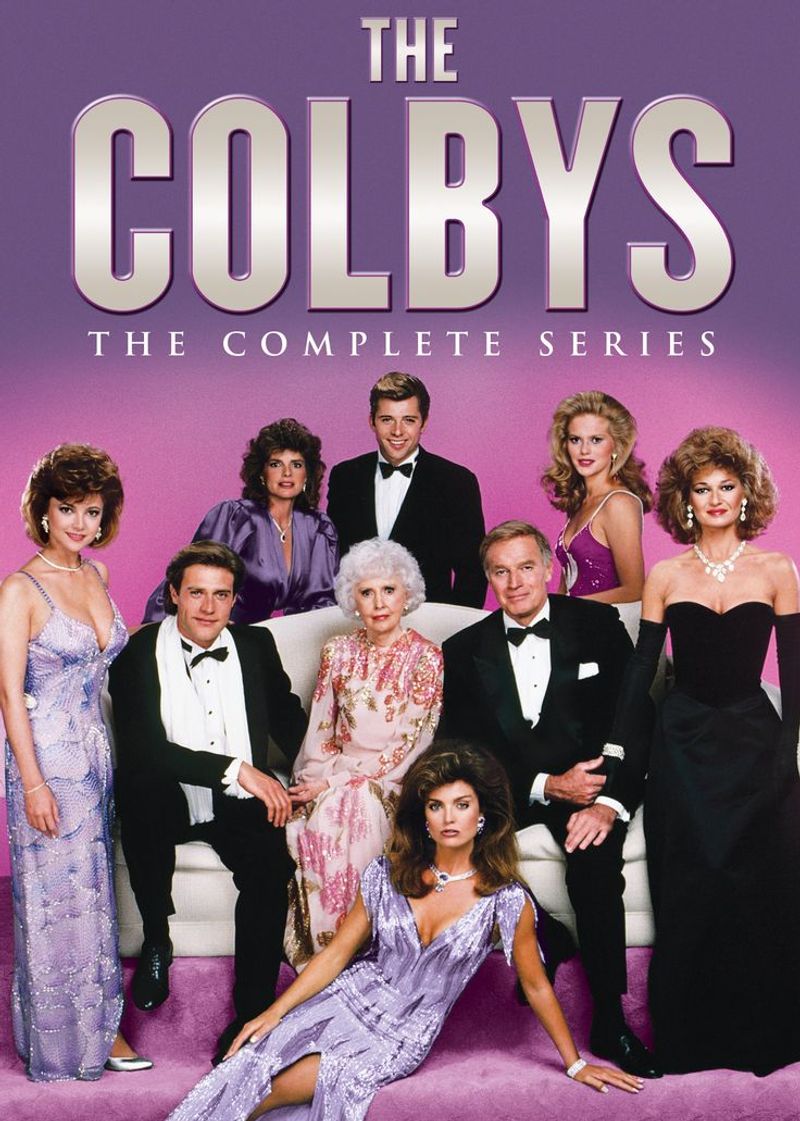
ABC spared no expense launching The Colbys in 1985.
As a spinoff of the massively popular Dynasty, it came loaded with big names, including Charlton Heston and Barbara Stanwyck, and featured the kind of lavish production values that defined prime-time soap operas during that era.
Despite all the money, the famous faces, and heavy promotion, audiences were not as impressed as the network had hoped.
Ratings were disappointing from the start and fell further during the second season, suggesting that viewers were happy enough with Dynasty itself and did not feel the need to follow a separate branch of the family.
ABC canceled The Colbys in 1987, proving that even star power and a big budget cannot guarantee a loyal audience.
5. Frank’s Place
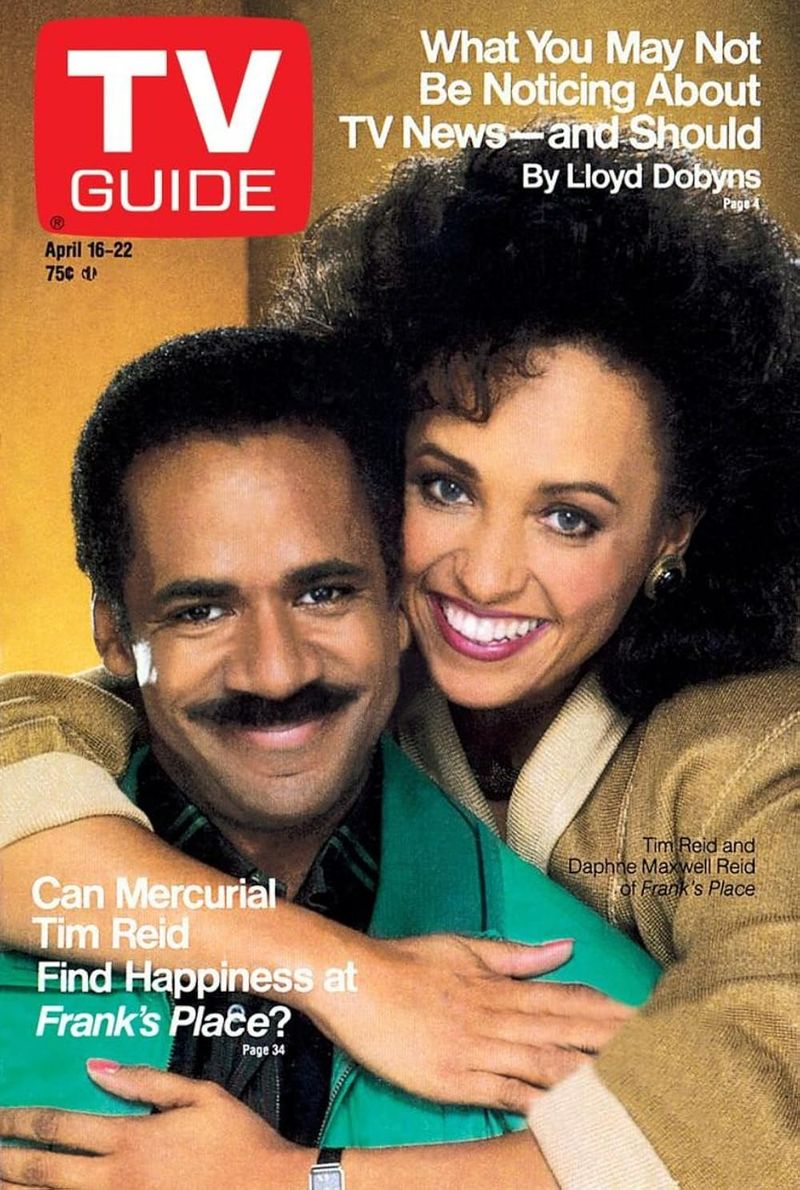
Frank’s Place earned serious critical praise during its single season on CBS in 1987 and 1988.
The comedy drama starred Tim Reid as a Boston man who inherits a New Orleans restaurant, blending sharp humor with genuine heart and a strong sense of place.
Emmy nominations followed, and the show was recognized as something genuinely different from the typical network sitcom.
However, critical acclaim did not translate into the large audience CBS needed to justify its relatively high production costs.
Frequent scheduling changes made it hard for casual viewers to keep up, and ratings never climbed high enough to secure a renewal.
Frank’s Place ended after just one season, remembered fondly by those who watched it but largely unseen by the broader public it deserved.
6. Bosom Buddies
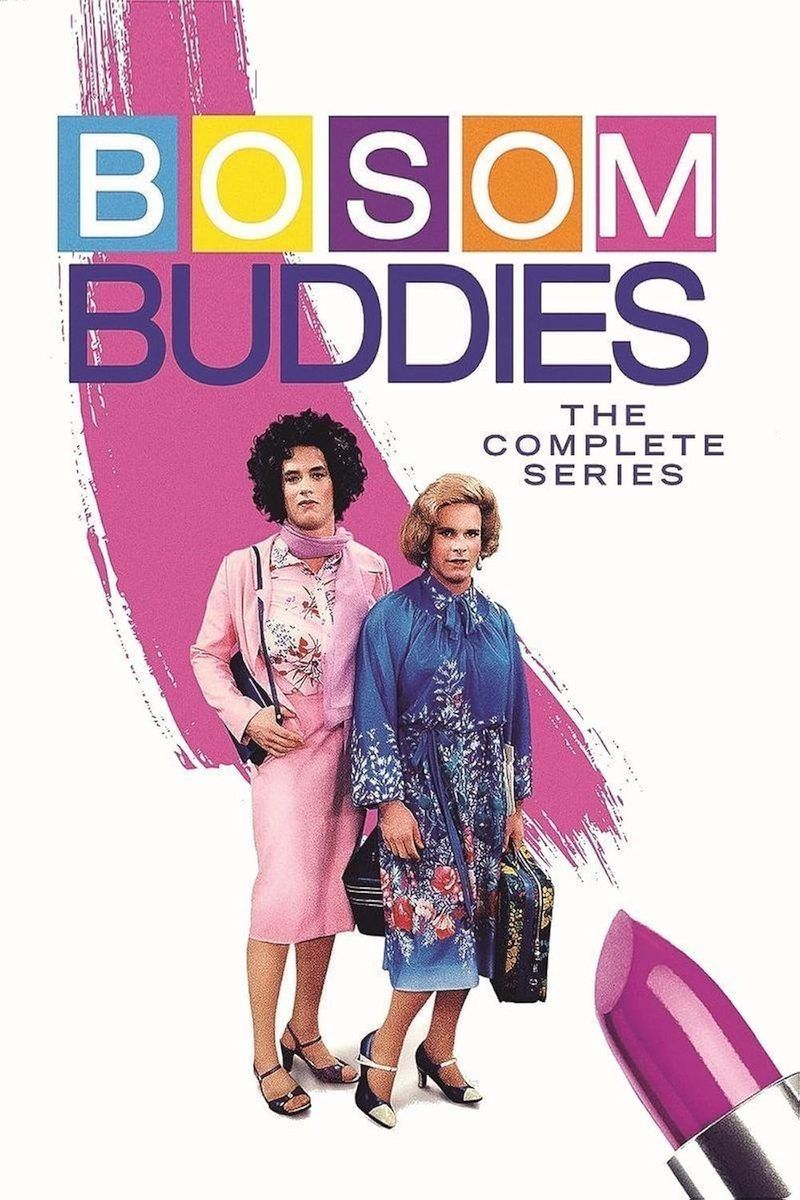
Before Tom Hanks was winning Oscars, he was putting on a wig and a dress to sneak into an all-women apartment building on Bosom Buddies.
The ABC sitcom premiered in 1980 and gave Hanks one of his first major television roles alongside Peter Scolari.
Early ratings were reasonable, and the show had a fun, energetic premise that audiences seemed to enjoy.
The trouble came from constant schedule changes, as ABC kept shifting the show to different days and time slots, making it difficult for viewers to follow along reliably.
Audience numbers fell during the second season, and ABC canceled it in 1982.
Hanks, of course, went on to become one of Hollywood’s biggest stars, making Bosom Buddies a fascinating early chapter in a remarkable career.
7. Police Squad!
Six episodes.
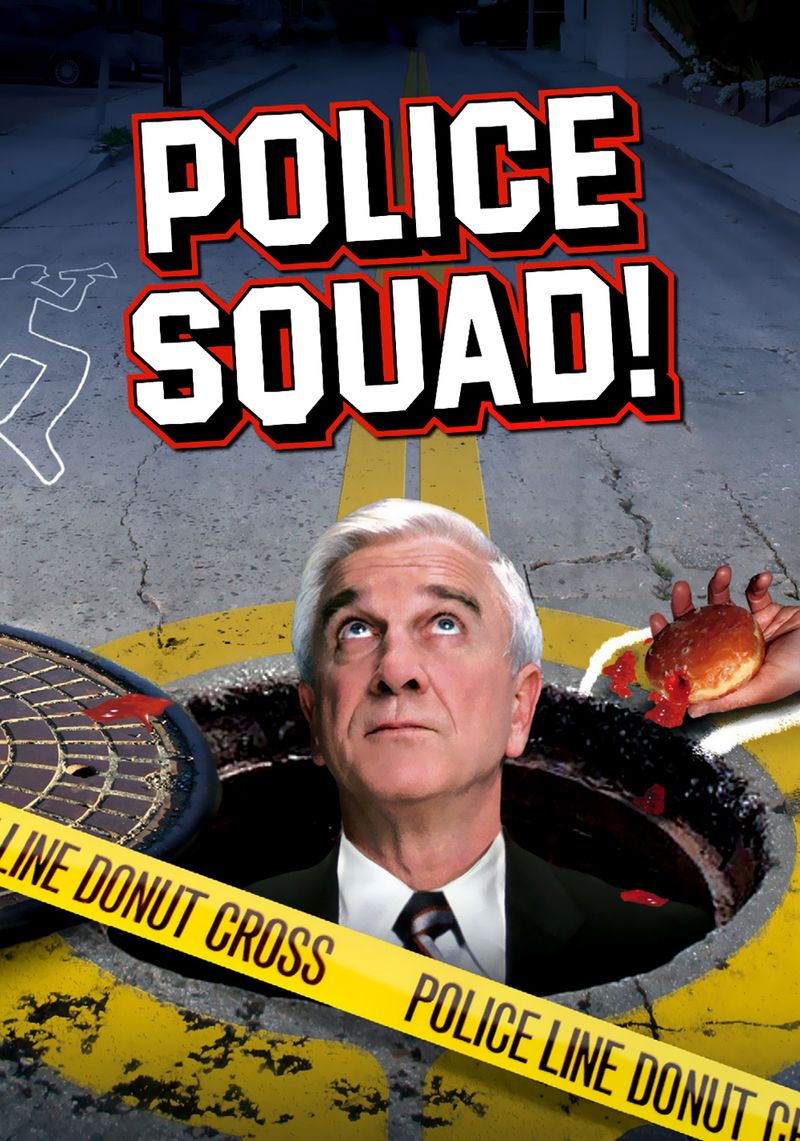
That is all ABC gave Police Squad! before canceling it in 1982, making it one of the shortest-lived network comedies in television history.
The show starred Leslie Nielsen as the hilariously straight-faced Detective Frank Drebin, and it was packed with rapid-fire visual jokes that rewarded close attention.
Network executives reportedly felt the show required too much focus from viewers, an unusual complaint that said more about TV trends at the time than about the quality of the comedy itself.
The concept clearly had legs, though.
Creators Jim Abrahams and the Zucker brothers took the same characters and style to the big screen, producing the wildly successful Naked Gun film series.
Sometimes cancellation is just a detour on the road to a bigger audience.
8. Beauty and the Beast

Beauty and the Beast was a genuinely unusual show for 1980s network television, a romantic fantasy drama set partly in the tunnels beneath New York City.
Linda Hamilton and Ron Perlman created a believable and touching connection that earned the show a passionate fanbase during its first two seasons on CBS.
When Hamilton chose to leave after season two, the creative team faced a serious challenge.
The storyline shifted dramatically to accommodate her departure, taking the show in a darker and less romantic direction that many loyal viewers found difficult to accept.
Ratings fell considerably during the third season, and CBS ended the run in 1990.
The show’s early seasons remain beloved, but its final chapter is often remembered as a cautionary tale about what happens when a series loses its emotional core.
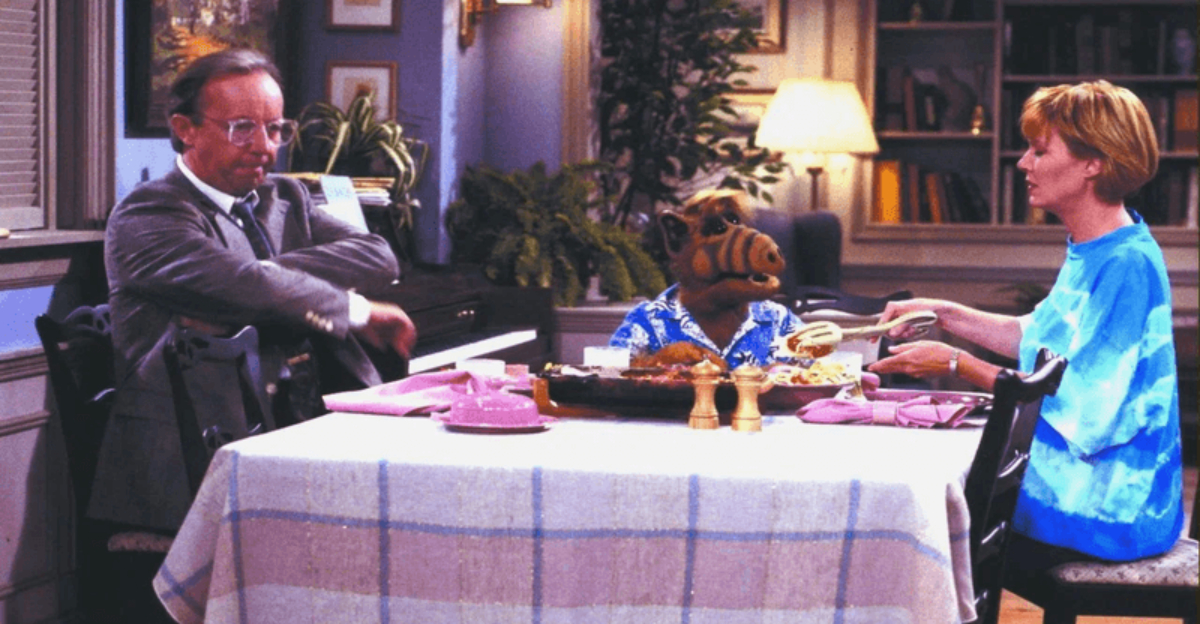
9. ALF
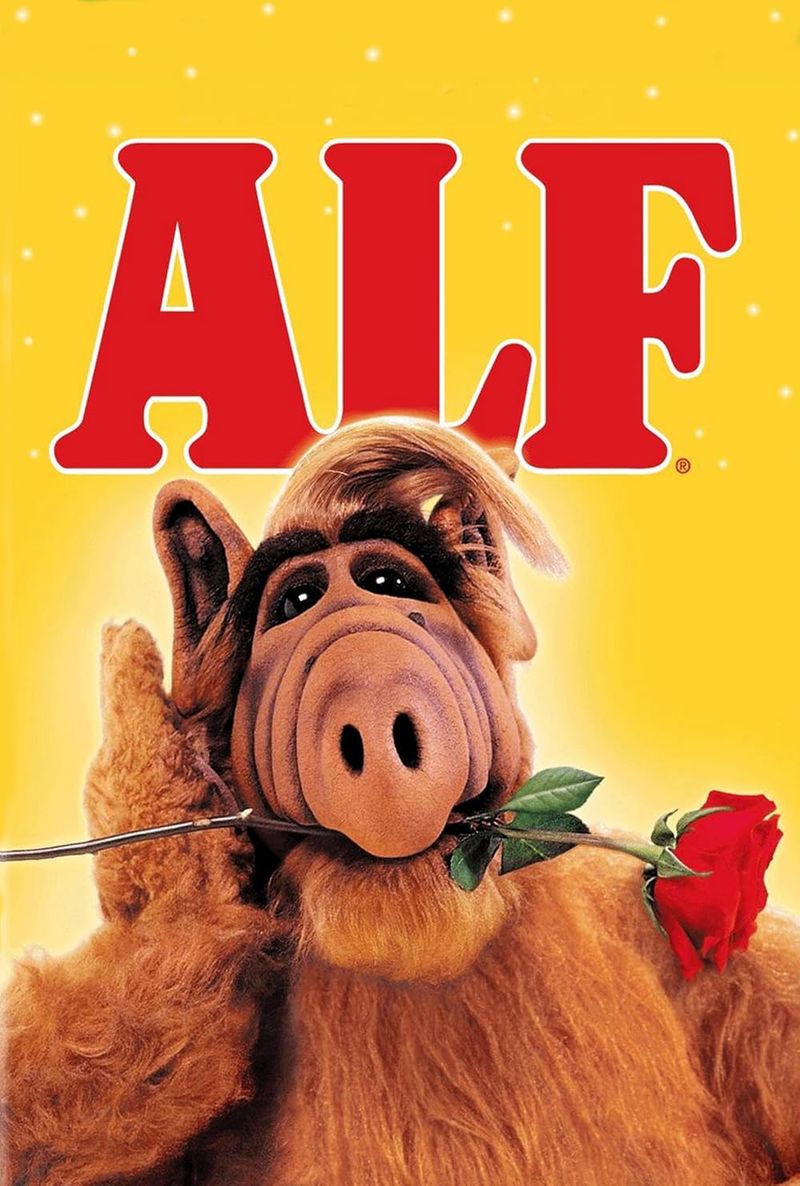
ALF ran for four seasons on NBC and became one of the most recognizable sitcoms of the late 1980s.
The show followed a wisecracking alien named ALF, short for Alien Life Form, who crash-lands in a suburban family’s garage and proceeds to cause endless comedic chaos.
When NBC canceled the show in 1990, the production team reportedly believed a fifth season was still coming.
Because of that miscommunication, the writers did not craft a proper series finale.
Instead, the final episode ended with ALF surrounded by government agents, leaving fans with a cliffhanger that would never be resolved on television.
A planned TV movie that would have wrapped up the story was eventually shelved, leaving ALF’s fate officially unresolved for years, which frustrated devoted fans deeply.
10. It’s a Living
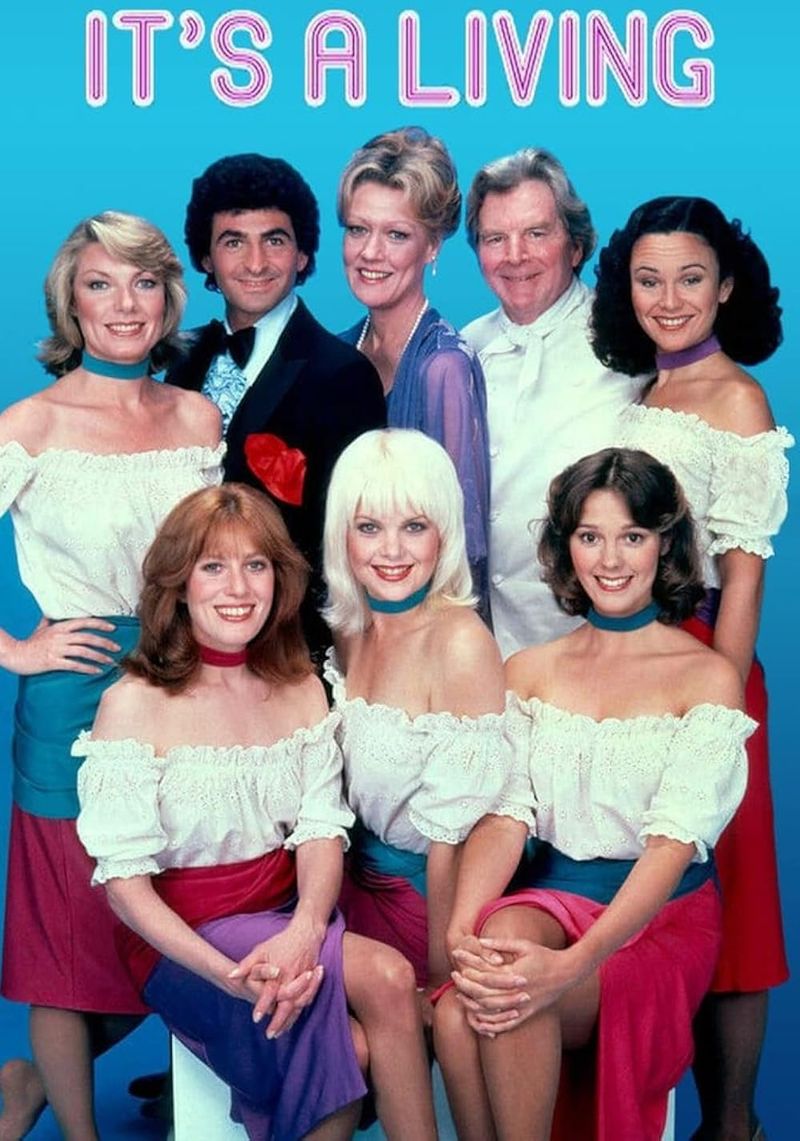
It’s a Living had an ending that turned out not to be an ending at all.
ABC canceled the workplace comedy after two seasons in 1982, and by most measures, that should have been the final word.
The show followed a group of waitresses working in a rooftop restaurant and had developed a likable ensemble cast.
Something interesting happened in reruns, though.
Syndicated broadcasts performed well enough to convince producers that there was still an audience worth reaching.
The series was revived in 1985, not on a major network, but specifically for first-run syndication.
Four additional seasons followed, giving the show a longer total run than most series that never faced cancellation in the first place.
It’s a Living proved that a show’s story does not always end when a network says it does.
11. Cagney and Lacey
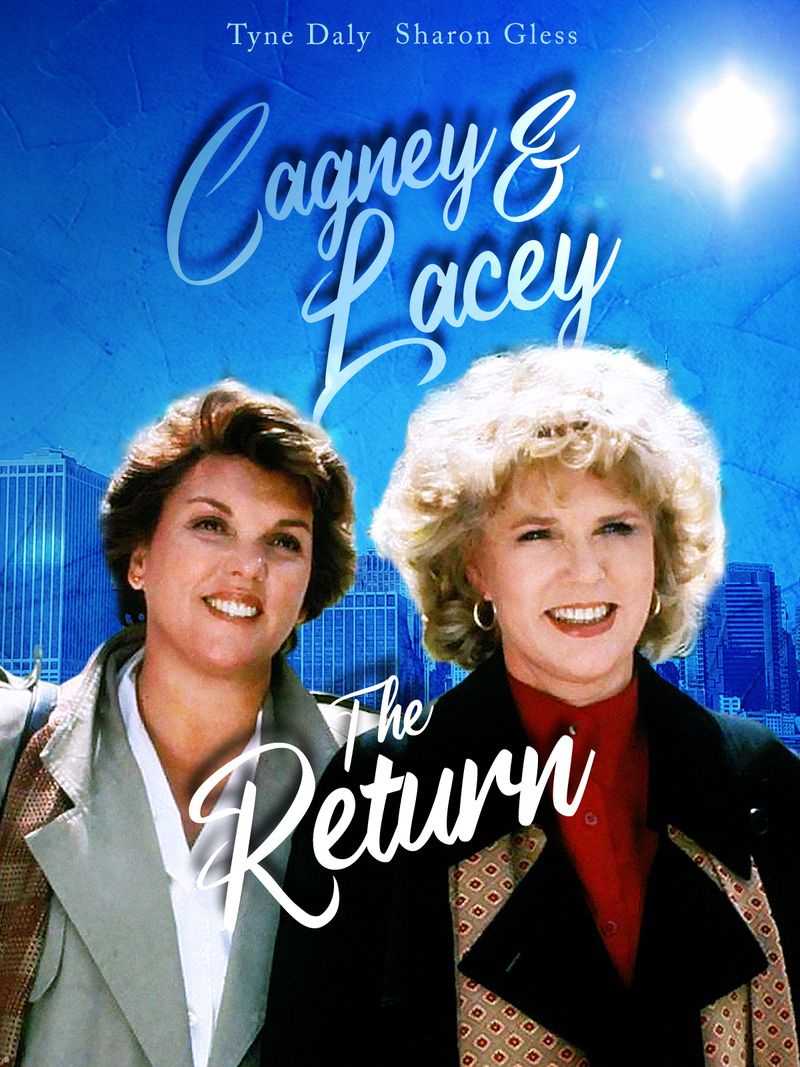
Cagney and Lacey made television history twice, once for being on the air and once for coming back after being removed from it.
CBS canceled the groundbreaking police drama in 1983 after its second season, citing disappointing ratings.
The show featured two female detectives navigating both crime and the personal challenges of their lives, which was still a relatively fresh concept for prime-time drama.
What happened next was remarkable.
Viewers launched a passionate letter-writing campaign, flooding CBS with messages demanding the show’s return.
The response was large enough to make the network reconsider its decision.
Cagney and Lacey returned in 1984 and stayed on the air until 1988, earning multiple Emmy Awards along the way.
Its brief cancellation became one of the most famous fan-driven reversals in broadcast television history.