 MomSkoop

Sometimes a marriage doesn’t end with one big fight or a single dramatic moment. Instead, it quietly falls apart through small, everyday things that seem easy to overlook at first. Many divorced women look back and realize it was the tiny details — not the major blowups — that slowly chipped away at their connection. Understanding these patterns can help couples catch warning signs before it’s too late.
1. Physical Closeness Quietly Disappeared

There was a time when a quick hug at the door or sitting shoulder-to-shoulder on the couch felt completely natural.
Then, slowly, those small touches started fading without either person noticing right away.
No dramatic pullback — just a gradual drift where physical closeness stopped being a regular part of daily life.
Many divorced women say they didn’t realize how much those small gestures meant until they were gone.
Physical affection isn’t just about romance — it signals safety, warmth, and belonging.
When those everyday moments of closeness quietly vanish, emotional distance tends to follow, and the relationship begins to feel more like a living arrangement than a loving partnership.
2. Emotional Support Became Hit or Miss

Knowing your partner has your back on hard days is one of the most grounding feelings in a relationship.
But when emotional support starts showing up only sometimes — and disappearing when it’s needed most — that security begins to crack.
One divorced woman described it perfectly: “I stopped sharing things because I never knew which version of him I’d get.”
Inconsistent support creates a confusing pattern where one partner starts managing their emotions alone.
Over time, that loneliness inside a relationship becomes louder than any argument.
Feeling emotionally unreliable to your partner isn’t always intentional, but the damage it causes to trust and closeness can be just as real and lasting.
3. Couple Time Stopped Being a Priority
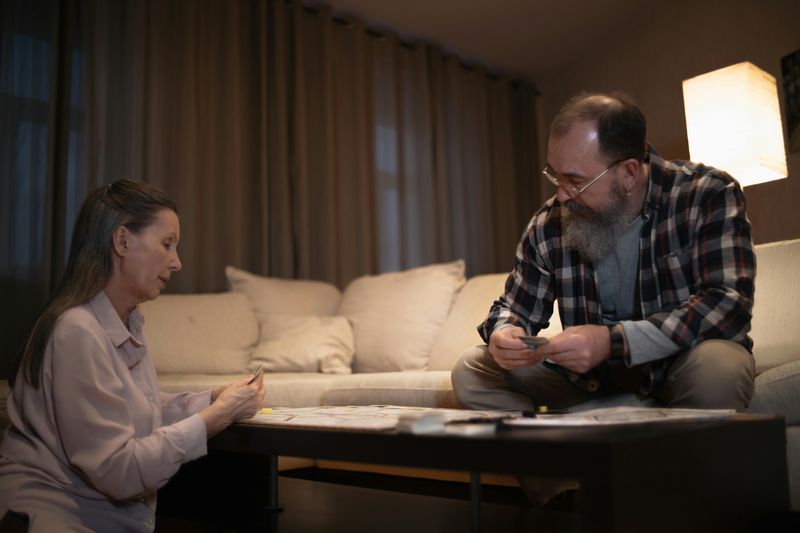
Early in most relationships, spending time together feels non-negotiable — something both people protect without thinking twice.
Somewhere along the way, though, shared time starts getting bumped for work, errands, and other obligations.
What used to be a Friday night ritual quietly becomes “maybe next week.”
Divorced women often describe this shift as the moment their marriage started feeling optional.
When quality time together becomes something that only happens if nothing else comes up, both partners slowly stop investing in the relationship.
A marriage needs regular moments of connection to stay alive — not grand vacations, just consistent, protected time where both people actually show up for each other.
4. Little Criticisms Built Up Like Layers

One small comment about how the dishes were loaded.
Another about the way dinner was seasoned.
A sigh about running five minutes late.
Individually, none of these feel like a big deal — but over months and years, they stack up into something heavy.
Constant low-level criticism quietly teaches a partner that they can’t do anything right.
Research on relationships shows that repeated criticism is one of the strongest predictors of long-term dissatisfaction.
Many divorced women say they started feeling like they were always being graded.
When a home stops feeling like a safe place and starts feeling like a performance review, the emotional toll becomes impossible to ignore.
5. Conversations Never Went Deeper Than Logistics
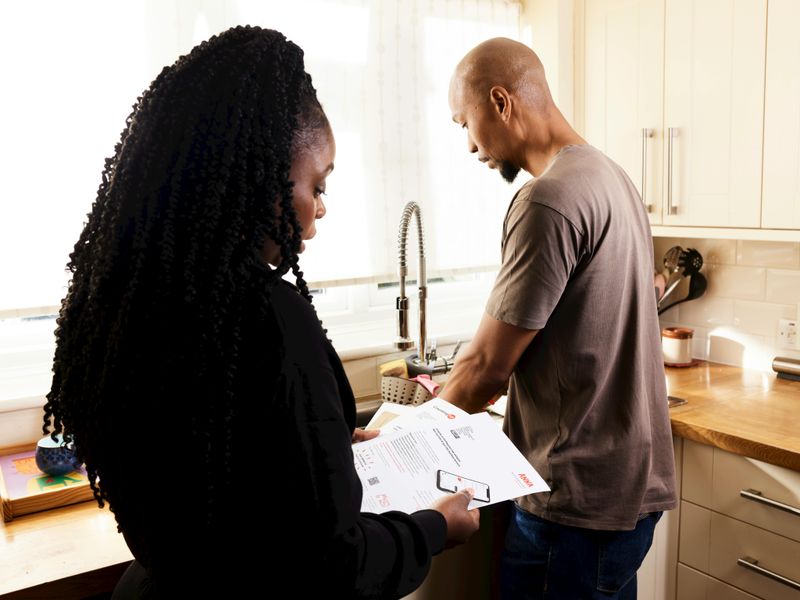
“Did you pay the electric bill?” “What time is soccer practice?” “We need milk.”
At some point, conversations in many marriages shrink down to a checklist of tasks and schedules.
The deeper talks — about dreams, feelings, fears, and what each person actually needs — quietly stop happening.
Divorced women frequently point to this shift as a sign they had become roommates rather than real partners.
Connection isn’t built through logistics alone.
Couples need conversations where they actually learn something new about each other or feel genuinely heard.
When every exchange is purely practical, the emotional thread holding a relationship together slowly unravels, leaving both people feeling more alone than connected.
6. Big Decisions Were Made Solo

A healthy partnership means both people have a real voice in the choices that shape their shared life.
But many divorced women describe a slow shift where major decisions — financial, career-related, or family-related — started getting made by one partner without genuine input from the other.
It wasn’t always done with bad intentions, but the impact was the same: one person felt invisible.
Being excluded from important decisions sends a quiet message that your perspective doesn’t really matter.
Over time, that feeling erodes a person’s sense of belonging in their own relationship.
True partnership requires real collaboration — not just informing your spouse after the fact, but actually making choices together from the start.
7. Gratitude Slowly Went Silent

“Thank you” is a small phrase, but its absence speaks loudly over time.
Many divorced women recall a gradual point where their efforts — cooking, organizing, working, parenting — were simply expected rather than acknowledged.
When appreciation disappears, even the most giving partner eventually starts to feel invisible and taken for granted.
Studies on relationship satisfaction consistently show that feeling appreciated is a key factor in long-term happiness between partners.
Gratitude doesn’t have to be elaborate — a genuine “I noticed that” or “thank you for handling that” goes a long way.
Without it, resentment quietly fills the space where warmth and recognition used to live, and the emotional gap between partners widens.
8. The Same Arguments Kept Looping

Every couple argues — that part is completely normal.
What’s not healthy is when the same fights happen over and over, month after month, without ever reaching a real resolution.
Divorced women often describe a specific exhaustion that comes from revisiting the same wounds on repeat.
When arguments never actually get resolved, they don’t disappear — they just go underground and build pressure.
Each new version of the same fight carries all the weight of every previous one.
Healthy conflict requires both people to genuinely listen, compromise, and follow through.
Without that, recurring arguments become a sign that deeper issues are being avoided, and the relationship slowly loses its ability to heal and move forward together.
9. She Mentally Started Stepping Back

Long before the paperwork was filed or the conversation happened, many divorced women say they had already started leaving — emotionally, mentally, quietly.
It often shows up as caring less about how an argument ends, or no longer feeling excited about shared plans.
Psychologists call this “emotional detachment,” and it’s often the body’s way of protecting itself from ongoing pain.
When a person stops investing emotionally in a relationship, it’s rarely a sudden choice — it builds slowly over many small disappointments.
Recognizing this pattern early matters.
If one partner is mentally checking out, it’s a serious signal that the relationship needs real attention and honest conversation before the emotional exit becomes permanent.
10. Vulnerable Moments Were Later Weaponized

Sharing your deepest fears or struggles with a partner requires real trust — it’s one of the most vulnerable things a person can do in a relationship.
But some divorced women describe a painful pattern: the private things they once shared in tender moments were later brought up during arguments as ammunition.
That kind of betrayal cuts deeply because it punishes honesty and openness.
Once a person learns that being vulnerable leads to being hurt, they stop opening up entirely.
Walls go up, and real intimacy becomes impossible.
A relationship can only stay emotionally healthy when both partners feel safe enough to be honest without fear that their softness will someday be used against them.
11. Support for Her Goals Quietly Faded

Early on, many women describe partners who cheered them on — celebrated small wins, asked about their goals, believed in what they were working toward.
But over time, that encouragement quietly dried up while the expectations stayed just as high, or grew even higher.
She was still expected to perform — at home, at work, as a parent — but the emotional fuel that comes from feeling believed in had stopped showing up.
That imbalance is quietly crushing.
Being held to high standards without receiving support or recognition creates a slow, grinding kind of exhaustion.
Encouragement isn’t a luxury in a relationship — it’s one of the ways partners show each other that they’re still genuinely rooting for one another.