 MomSkoop

Getting married is one of the biggest decisions you will ever make, and timing really does matter. Studies and real-life experiences show that waiting until after age 25 can lead to stronger, longer-lasting relationships.
Your late 20s bring a level of self-awareness, stability, and emotional readiness that your early 20s simply cannot match. Here are 11 solid reasons why giving yourself a little more time before saying “I do” might be the smartest move you ever make.
1. Your Brain Is More Fully Developed

Here is a fact that might surprise you: the human brain is not fully developed until around age 25.
The prefrontal cortex, the part responsible for decision-making, planning, and impulse control, is still maturing well into your mid-20s.
This means choices made before that point may be driven more by emotion than logic.
When you wait until your brain reaches full development, you approach marriage with greater clarity and thoughtfulness.
You are less likely to rush into a commitment based on excitement alone.
Instead, you can weigh the long-term implications of your choice.
A fully developed brain gives you a powerful, natural advantage when making one of life’s most important decisions.
2. You Know Yourself Better

Your early 20s can feel like a whirlwind of new experiences, shifting opinions, and evolving priorities.
Who you are at 21 is often very different from the person you become by 27.
Waiting gives you the time to figure out what you truly value, what your non-negotiables are, and what kind of life you want to build.
Choosing a life partner works best when you actually know yourself first.
Without that self-knowledge, you might choose someone who fits who you were rather than who you are becoming.
Understanding your own passions, boundaries, and long-term vision helps you find a partner who genuinely complements your authentic self, not just a version of you that no longer exists.
3. Greater Emotional Maturity

Handling conflict without blowing up, listening without shutting down, and expressing feelings clearly are skills most people build over time.
Emotional maturity does not arrive overnight.
It grows through experience, heartbreak, self-reflection, and honest conversations that challenge you to do better.
By your late 20s, many people have navigated enough difficult situations to handle disagreements with more grace and patience.
These are not small things in a marriage.
Couples who communicate well and manage their emotions effectively tend to build much stronger, more resilient partnerships.
Waiting a few extra years gives you the emotional toolkit that healthy relationships absolutely depend on.
The arguments will still happen, but how you handle them makes all the difference.
4. More Financial Stability
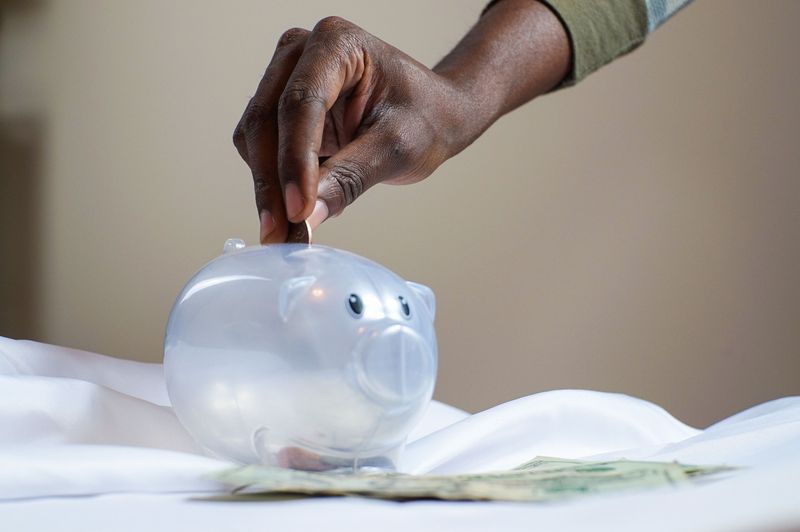
Money stress is one of the leading causes of conflict in marriages.
Entering a marriage without financial footing can put enormous pressure on both partners right from the start.
By your mid-to-late 20s, you are far more likely to have a steady income, some savings built up, and a real understanding of how to manage money responsibly.
Financial stability does not mean being wealthy.
It means having a plan, knowing your expenses, and being able to handle unexpected costs without panic.
Waiting gives you time to pay down debt, build an emergency fund, and develop healthy spending habits.
When both partners bring financial responsibility to the table, the marriage starts on much steadier ground from day one.
5. Career Growth Comes First

Building a career takes serious focus, energy, and time.
Early adulthood is often the most critical window for laying that professional foundation, whether through education, internships, job experience, or entrepreneurship.
Trying to launch a career while simultaneously adjusting to married life can divide your attention in ways that hurt both.
Waiting until after 25 gives you space to pursue promotions, explore different fields, or complete advanced degrees without the added weight of marital responsibilities.
You can take career risks, relocate for opportunities, or work long hours when needed.
Once your professional life has some momentum, blending it with marriage feels far less overwhelming.
A thriving career also boosts your confidence and contributes positively to the partnership you eventually build.
6. You Make Better Relationship Choices

Experience is one of the best teachers when it comes to love.
The more relationships you navigate, the better you become at spotting red flags, recognizing unhealthy patterns, and understanding what compatibility actually looks and feels like.
This is not about collecting heartbreaks.
It is about building wisdom.
By your mid-to-late 20s, you have likely learned what you can tolerate and what you absolutely cannot.
You recognize when someone’s words do not match their actions.
You understand the difference between intense attraction and genuine connection.
That kind of insight is priceless when choosing a life partner.
Waiting gives you the relationship experience needed to make a truly informed, confident choice rather than one driven by novelty or loneliness.
7. Lower Risk of Divorce

Research consistently shows that people who marry in their mid-to-late 20s have lower divorce rates compared to those who marry very young.
While no statistic guarantees a perfect marriage, the pattern is hard to ignore.
Age brings perspective, patience, and a clearer understanding of what long-term commitment actually requires.
Younger couples often face challenges they simply are not equipped to handle yet, not because they lack love, but because they lack the life experience to navigate tough seasons together.
Waiting does not eliminate marital struggles, but it does mean you enter the relationship with more tools, more self-awareness, and more realistic expectations.
That preparation significantly improves your odds of building a marriage that actually lasts through the hard times.
8. More Time to Build Independence

Living on your own before marriage teaches you things no classroom ever could.
Paying rent, fixing a leaky faucet, cooking your own meals, and managing your schedule without anyone’s help builds a kind of quiet confidence that shapes how you show up in relationships.
Independence is not about being alone forever.
It is about knowing you can handle life on your own terms.
When two independent people come together in marriage, they choose each other from a place of strength rather than need.
That distinction matters enormously.
Partners who rely on each other out of want rather than desperation tend to build more balanced, respectful dynamics.
The self-reliance you develop before marriage becomes one of the greatest gifts you bring to it.
9. Clearer Long-Term Goals

Do you want kids?
Where do you want to live?
What kind of lifestyle do you picture in ten years?
At 21, these questions can feel abstract and far away.
By 25 and beyond, most people have developed a much clearer picture of the answers, and those answers matter deeply in a marriage.
Misaligned long-term goals are one of the most common reasons relationships fall apart.
Waiting until you have a firmer sense of your own direction makes it much easier to find someone whose vision for the future actually aligns with yours.
Shared goals around family, finances, location, and lifestyle create a strong foundation.
Without that alignment, even a loving relationship can slowly drift apart under the weight of incompatible dreams.
10. A Stronger Support Network

Marriage is not just a union between two people.
It exists within a larger world of friendships, family bonds, and community connections.
The relationships you build in your 20s, the loyal friends, trusted mentors, and close family ties, become an invaluable support system once you are married.
Couples who have strong networks around them tend to weather life’s challenges more effectively.
Friends who have known you for years can offer perspective during hard times, celebrate your wins, and remind you of who you are outside of your relationship.
Waiting gives you the time to nurture those connections before marriage demands so much of your attention.
A rich support network does not weaken a marriage.
It quietly strengthens it from the outside in.
11. Marriage Becomes a Choice, Not a Rush
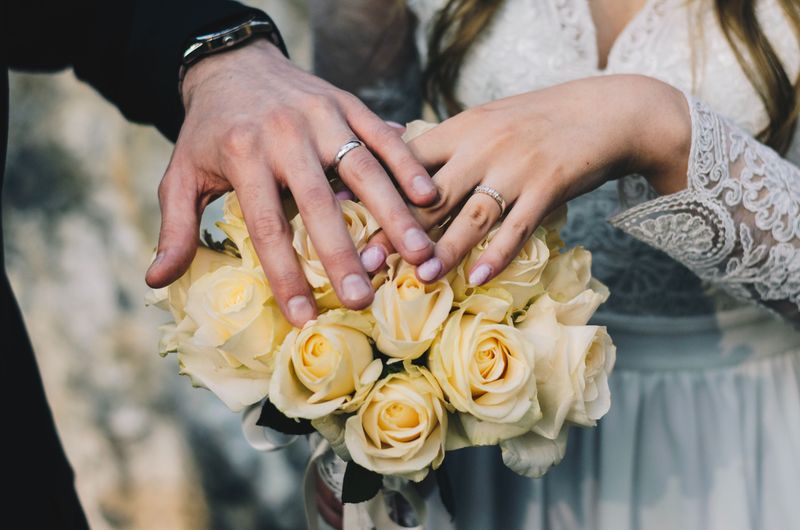
There is a big difference between choosing marriage and feeling pressured into it.
Social timelines, family expectations, fear of being left behind, these forces can push people toward the altar before they are truly ready.
When you wait, you give yourself the freedom to make this decision entirely on your own terms.
Marrying because you are genuinely ready, because you have found the right person and you both want the same future, is a completely different experience than marrying because it felt like time.
That clarity changes everything about how you enter the commitment and how you sustain it through the inevitable challenges.
Waiting transforms marriage from a milestone you feel obligated to hit into a deliberate, joyful choice you are proud to make.