 MomSkoop
Have you ever watched a movie trailer and thought, “Wait, I’ve heard this song before… in like five other movies”? Hollywood has a habit of reaching for the same musical hits over and over again, turning once-fresh tracks into almost unavoidable background noise.
Whether it’s a superhero film, a rom-com, or a dramatic biopic, certain songs just keep showing up on screen. Here are 11 songs that have been recycled so many times in movies and TV that you simply can’t unhear them anymore.
1. “All Along the Watchtower” by Jimi Hendrix
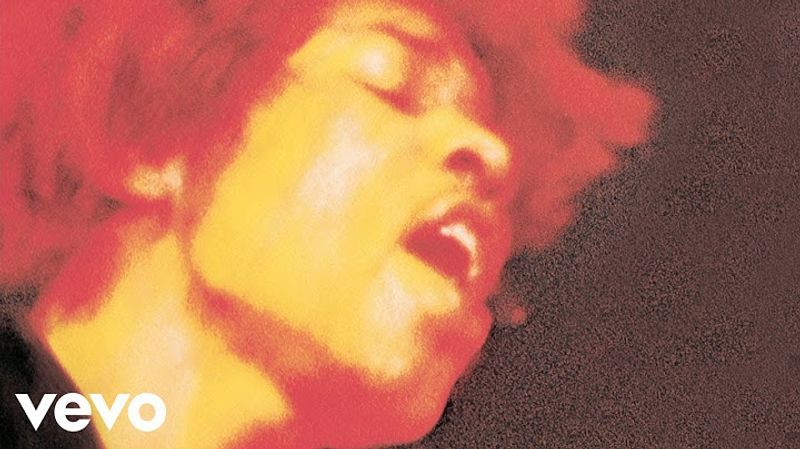
Close your eyes and picture this: a war scene, a dystopian world, or a tense thriller — and then Jimi Hendrix starts wailing. “All Along the Watchtower” has shown up in everything from Battlestar Galactica to Watchmen to countless Vietnam War films.
It’s become Hollywood’s go-to track for signaling that something epic and mysterious is about to happen.
Originally recorded by Bob Dylan in 1967, Hendrix’s version became the definitive take almost instantly.
Directors love it because it feels timeless and loaded with meaning.
The problem?
After hearing it in dozens of productions, even the opening guitar riff triggers instant “oh, this again” recognition.
It went from iconic to almost comedic through sheer overuse.
2. “Don’t Stop Me Now” by Queen
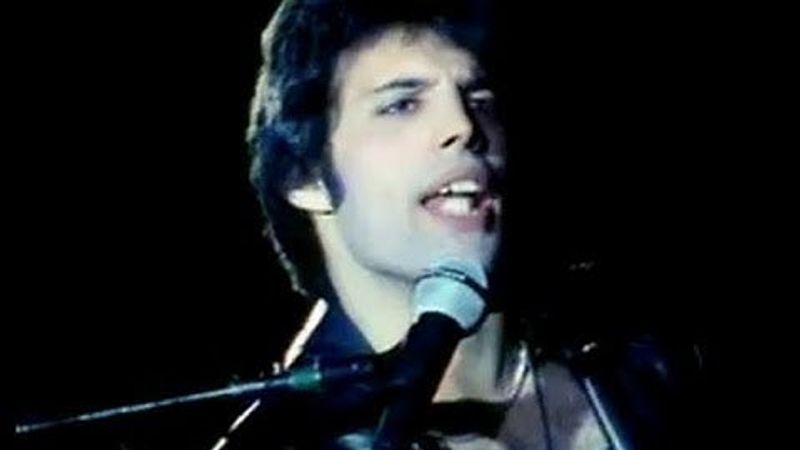
Few songs scream “chaotic fun” quite like this one, which is probably exactly why filmmakers can’t stop reaching for it.
Queen’s 1978 banger has appeared in Shaun of the Dead, Mr. Bean’s Holiday, and a ridiculous number of feel-good montages across movies and TV shows alike.
Every time a character needs to look like they’re having the time of their life, this track magically appears.
Freddie Mercury’s soaring vocals and the song’s relentless energy make it almost impossible not to smile.
But after hearing it soundtrack the hundredth awkward dance scene or road trip montage, the magic starts wearing thin.
It’s now less of a musical choice and more of a Hollywood reflex.
Still a banger, though.
3. “Fortunate Son” by Creedence Clearwater Revival
If a movie is set during the Vietnam War era, there’s roughly a 90% chance “Fortunate Son” is somewhere on the soundtrack.
CCR’s 1969 protest anthem has been used in Forrest Gump, Born on the Fourth of July, and so many other films that it has practically become the official sound of cinematic Vietnam.
The song was originally a sharp critique of privilege and the draft system, written by John Fogerty.
Hollywood, however, mostly uses it as a shorthand for “this is the 1960s and things are getting intense.” That disconnect between the song’s meaning and how it’s used has been pointed out by Fogerty himself.
At this point, hearing those opening chords almost feels like a genre announcement.
4. “Mad World” by Gary Jules
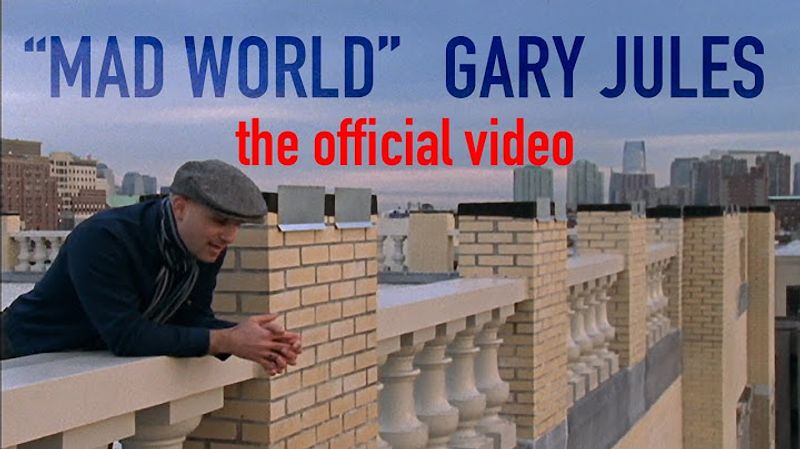
Originally recorded by Tears for Fears in 1982, it was Gary Jules’ stripped-down, piano-driven cover from the Donnie Darko soundtrack that captured Hollywood’s heart.
Since then, this haunting version has been used in trailers, dramatic TV moments, and emotional film climaxes more times than most people can count.
Something about its slow tempo and melancholy tone makes filmmakers reach for it whenever they need audiences to feel genuinely sad.
The problem is that overexposure has dulled its emotional punch considerably.
What once felt raw and unexpected now almost feels like a cliche.
Fun fact: the cover nearly didn’t happen — Jules recorded it as a last-minute addition to an album.
Now it’s basically Hollywood’s official sad song.
5. “Heroes” by David Bowie
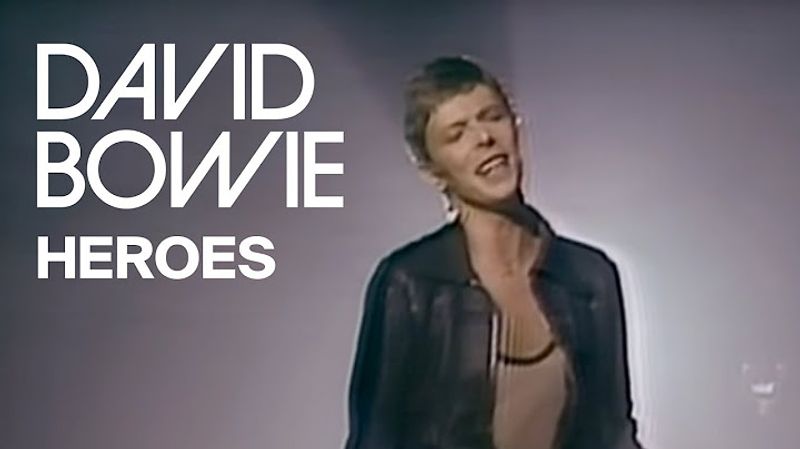
David Bowie’s 1977 masterpiece was built for cinematic grandeur, and Hollywood figured that out fast. “Heroes” has been used in movies like The Perks of Being a Wallflower, Moulin Rouge, and countless sports films, documentaries, and trailers.
Any time a character overcomes something massive or stands up against impossible odds, this song is waiting in the wings.
There’s no denying the track has genuine power — the swelling production and Bowie’s passionate delivery are hard to beat.
But repetition has turned what should be a spine-tingling moment into something almost predictable.
When the opening notes play, audiences now think “here comes the inspirational part” before anything even happens on screen.
Bowie deserved better than becoming a cinematic formula.
6. “O Fortuna” from Carmina Burana
Carl Orff composed this thunderous choral piece in 1936, and it has since become Hollywood’s ultimate “something massive is happening” button.
From Excalibur to The Hunt for Red October to literally hundreds of movie trailers, “O Fortuna” has been cued up whenever filmmakers want instant epic energy.
It’s basically the musical equivalent of a flashing neon sign that reads: THIS IS IMPORTANT.
The dramatic choir, crashing percussion, and sheer scale of the composition make it genuinely effective — or at least it was before every action movie discovered it.
Now it’s used so often in trailers that audiences have started treating it as a punchline.
Several comedy films have even spoofed it intentionally.
At this point, it’s less a musical choice and more a Hollywood habit.
7. “Where Is My Mind?” by Pixies
After Fight Club used “Where Is My Mind?” during its jaw-dropping final scene in 1999, something clicked in Hollywood’s collective brain.
The song’s dreamy, slightly unhinged quality made it perfect for moments of chaos, confusion, or revelation.
Since then, it has appeared in shows like Mr. Robot and countless indie films looking for that same “reality is unraveling” energy.
The Pixies recorded the track in 1988, and Black Francis reportedly came up with the idea while snorkeling in the Caribbean.
It’s a genuinely weird origin story for a song that became synonymous with cinematic breakdowns.
Unfortunately, every new appearance chips away at its impact a little more.
What once felt like a perfect marriage of music and film now feels like a very familiar formula.
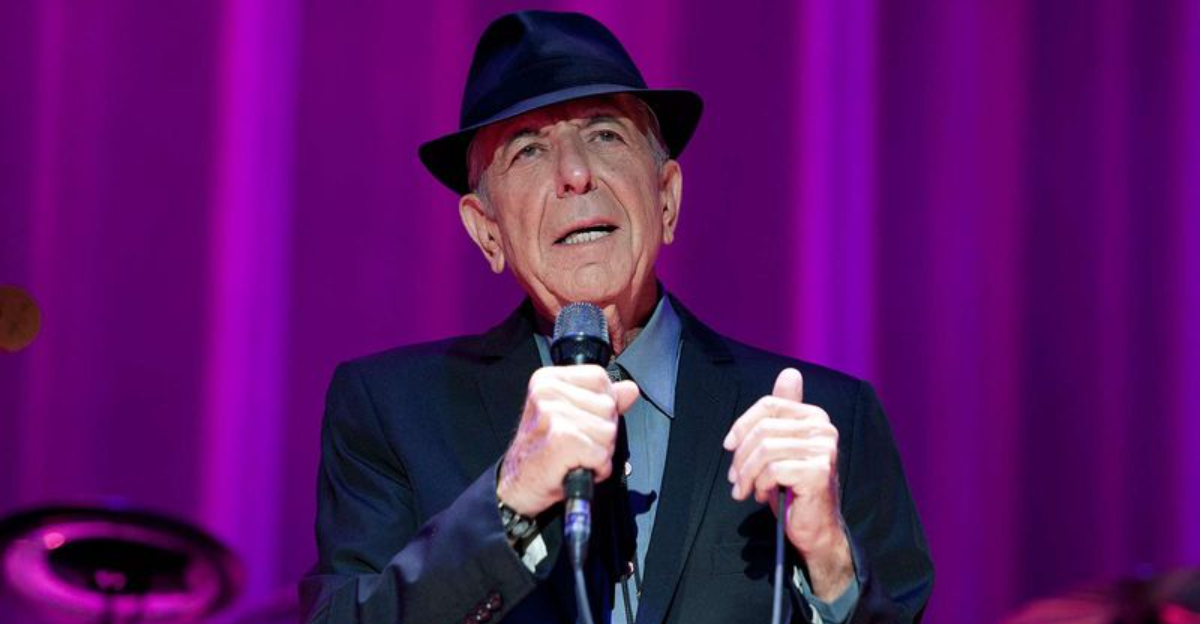
8. “Hallelujah” by Leonard Cohen
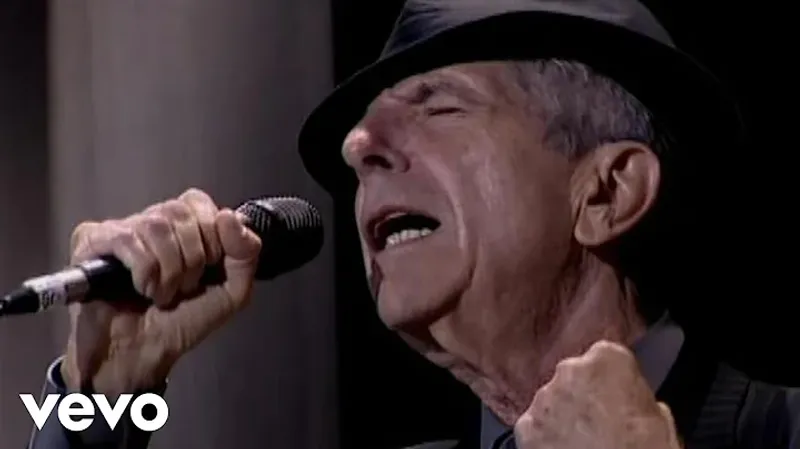
Leonard Cohen’s 1984 original was quietly brilliant, but it was the cover versions — especially Jeff Buckley’s — that Hollywood latched onto. “Hallelujah” has appeared in Shrek, The West Wing, Scrubs, and somewhere around 300 other films and TV episodes.
It became the default choice for any scene involving grief, loss, or bittersweet emotion.
Cohen himself reportedly grew frustrated with how frequently the song was being used, and you can understand why.
What was once a deeply personal, spiritually complex piece got flattened into a tearjerker shortcut.
The song has been covered over 300 times by various artists, which only added to the saturation.
Hearing it now almost automatically signals that someone is about to cry on screen — and the audience might groan instead.
9. “Back in Black” by AC/DC
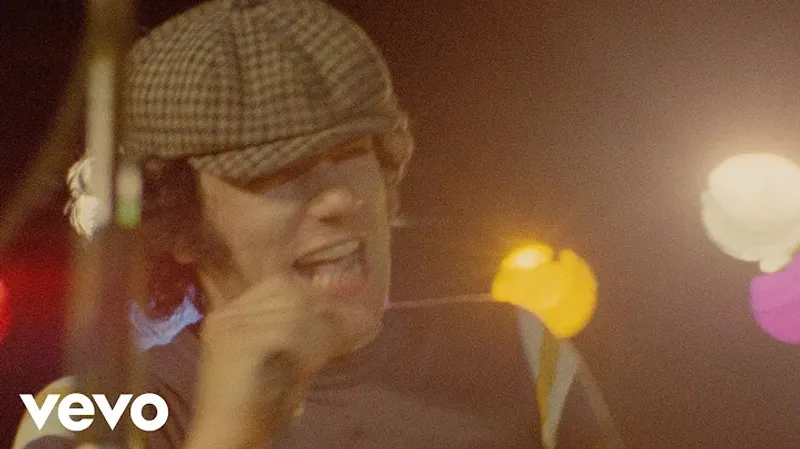
Nothing says “this character is cool and doesn’t care what you think” quite like the opening riff of AC/DC’s “Back in Black.” Released in 1980, the track has powered countless action sequences, car chase scenes, and cocky hero introductions across Hollywood blockbusters.
Iron Man practically built its entire personality around this song in the MCU’s early days.
The riff is undeniably one of the most recognizable in rock history, which is exactly why it gets grabbed so often.
But familiarity has a ceiling.
After appearing in everything from Iron Man to Couples Retreat to video game commercials, the song now feels less like a bold musical statement and more like a default swagger setting.
Still, it slaps — even if it’s a bit predictable at this point.
10. “You Can’t Always Get What You Want” by The Rolling Stones
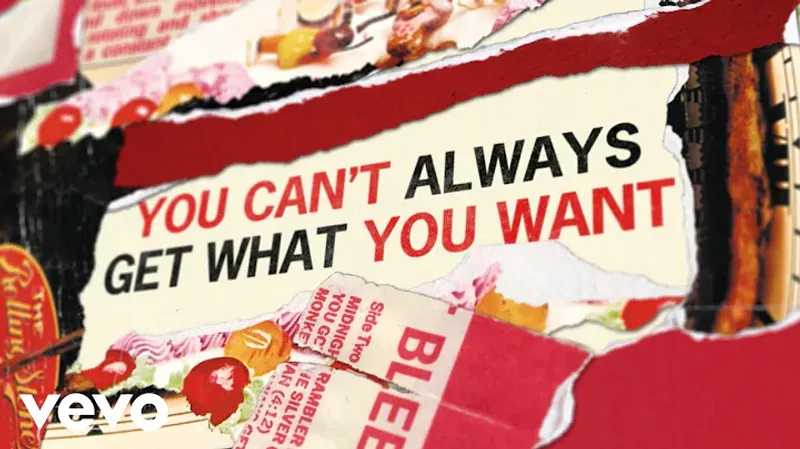
The Rolling Stones released this track in 1969, and it has since become Hollywood’s go-to closer for stories that end on a complicated note.
The song appeared memorably at the end of The Big Chill in 1983, and directors have been borrowing that same emotional trick ever since.
It shows up whenever a film wants to say “life is messy, but that’s okay” without actually saying it out loud.
There’s a warmth and wisdom to the song that genuinely suits those kinds of endings.
The choir intro, Mick Jagger’s knowing delivery, and the gradual build all feel tailor-made for closing credits.
But after decades of this same move, audiences recognize the formula the moment the first notes hit.
It’s less a surprise and more a cinematic tradition at this point.
11. “In the Hall of the Mountain King” by Edvard Grieg
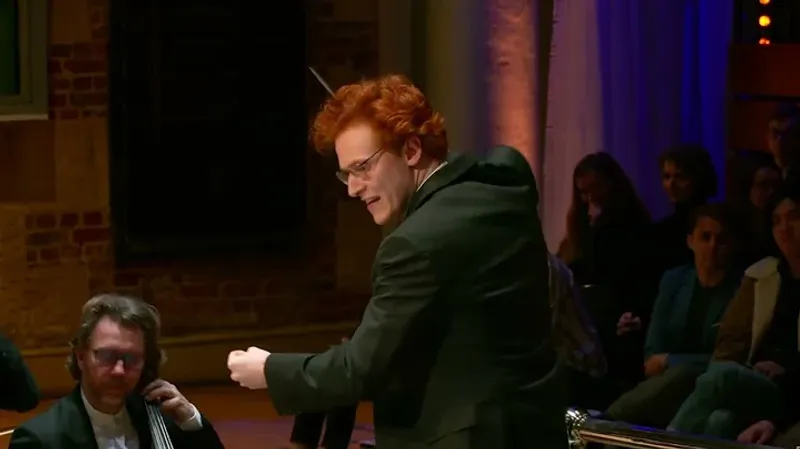
Edvard Grieg wrote this piece in 1875 for a play, but Hollywood discovered it as the perfect musical shorthand for building dread, mischief, or cartoonish villainy.
It’s been used in everything from Se7en to The Social Network to Alvin and the Chipmunks.
Yes, really.
The piece’s structure — starting quietly and building to a frantic, chaotic climax — maps perfectly onto chase scenes and tense montages.
That escalating tempo is genuinely clever composition, and Grieg’s work deserves respect.
But the sheer range of contexts it now appears in has turned it into something of a musical joke.
When a piece designed for a Norwegian folklore play ends up in a chipmunk movie and a serial killer thriller, you know it’s been stretched pretty thin.
Still iconic, but worn at the edges.