 MomSkoop
Our phones buzz constantly, screens glow late into the night, and notifications never seem to stop.
Sometimes you need to step away from all that noise and find somewhere quiet to breathe again.
These incredible places around the world offer the perfect chance to unplug, explore wild landscapes, and remember what it feels like to be truly present in nature.
1. Svalbard, Norway
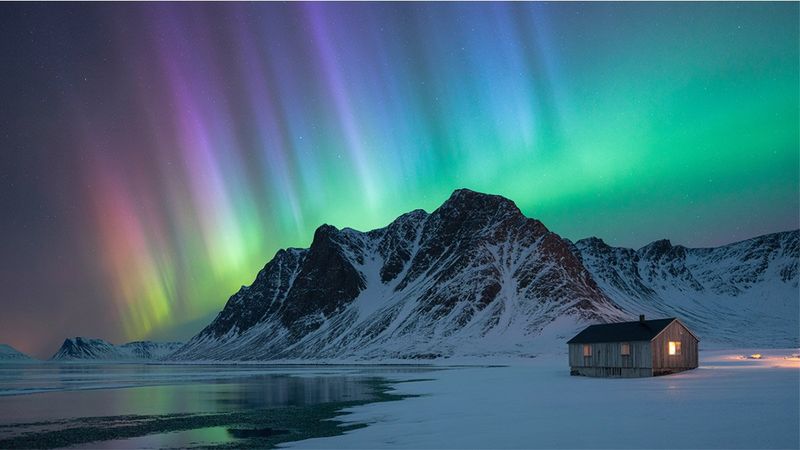
Halfway between mainland Norway and the North Pole sits one of Earth’s most extreme wildernesses.
Svalbard feels like another planet altogether, with massive glaciers carving through mountains and polar bears roaming freely across the ice.
The silence here is almost overwhelming—no car horns, no buzzing phones, just wind and the occasional crack of shifting ice.
Most of the archipelago remains untouched by human development.
Visitors often spend days without seeing another soul, surrounded only by Arctic foxes and seabirds.
Cell service barely exists outside the tiny main settlement, making it nearly impossible to stay connected to the digital world even if you wanted to.
2. Torres del Paine National Park, Chile
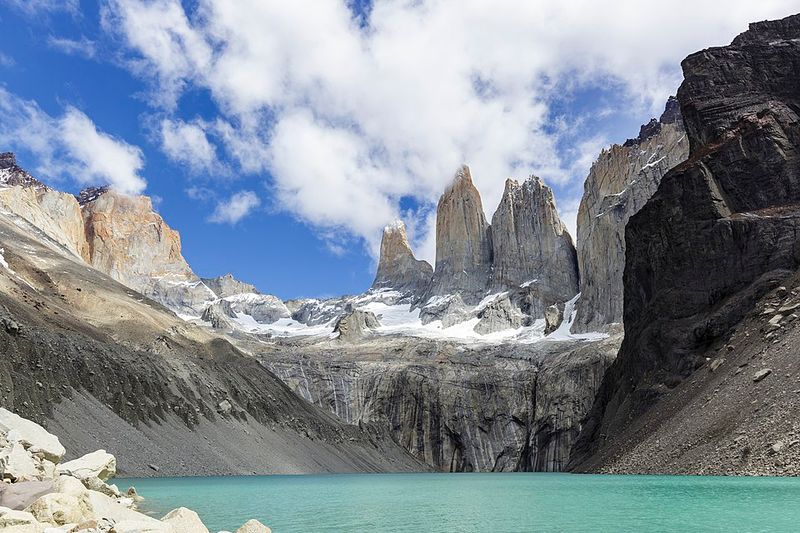
Patagonia’s crown jewel rises from the southern tip of Chile like something from a fantasy novel.
Three granite towers pierce the sky, surrounded by electric-blue lakes and sprawling ice fields that seem to go on forever.
Getting here requires serious commitment—this isn’t a place you stumble upon by accident.
The park’s remoteness keeps crowds manageable even during peak season.
Trails wind through valleys where guanacos graze peacefully and condors circle overhead.
Weather changes every few minutes, reminding you that nature runs the show here.
With limited Wi-Fi and patchy phone coverage, your camera becomes your only connection to the outside world.
3. Fiordland National Park, New Zealand
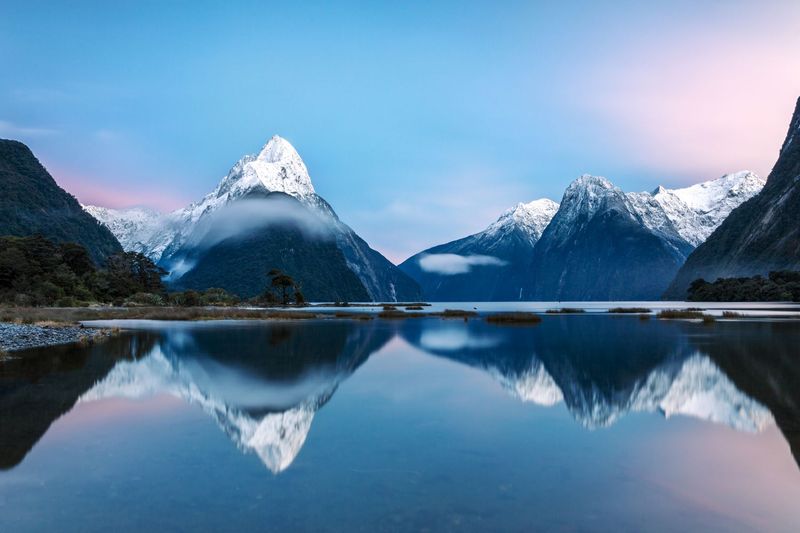
Tucked into New Zealand’s South Island, Fiordland feels like stepping into Middle-earth itself.
Milford Sound cuts deep into ancient rock, its cliffs rising straight from dark waters while waterfalls tumble hundreds of feet down moss-covered walls.
Rain falls here more than 200 days each year, keeping everything lush and impossibly green.
The rainforest grows so thick that sunlight barely reaches the forest floor in places.
Trails disappear into valleys where few humans venture, and the only sounds come from native birds and rushing water.
Phone signals vanish quickly once you leave the small visitor areas, leaving you wonderfully disconnected from everything except towering peaks and pristine wilderness.
4. Banff National Park, Canada
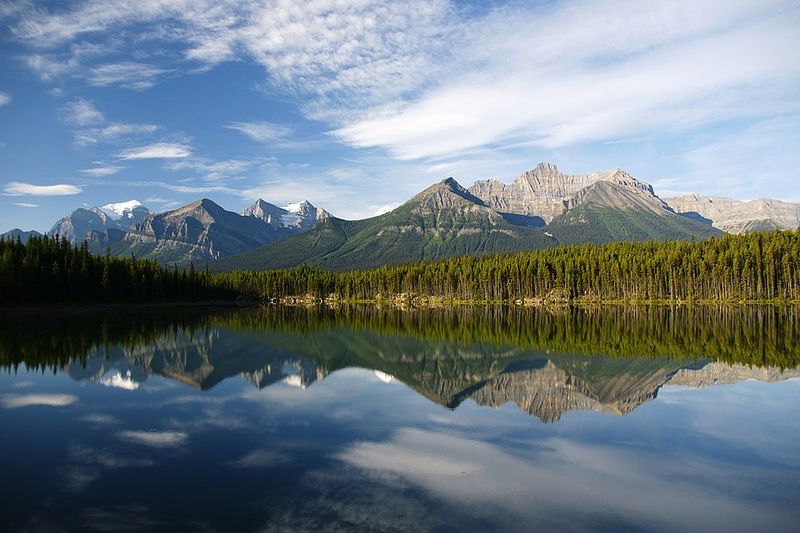
Those impossibly blue lakes you see in photos?
They’re even more stunning in person.
Banff’s turquoise waters get their color from glacial flour—tiny rock particles ground up by moving ice and suspended in the water.
The Canadian Rockies tower above everything, their peaks dusted with snow even in summer.
While the main townsite stays busy, backcountry trails lead deep into wilderness where grizzlies and elk outnumber people.
Hike far enough and you’ll find yourself completely alone with nothing but mountain views and fresh alpine air.
Many remote areas have zero cell coverage, which means your Instagram feed can wait while you actually experience the moment instead of just photographing it.
5. Isle of Skye, Scotland
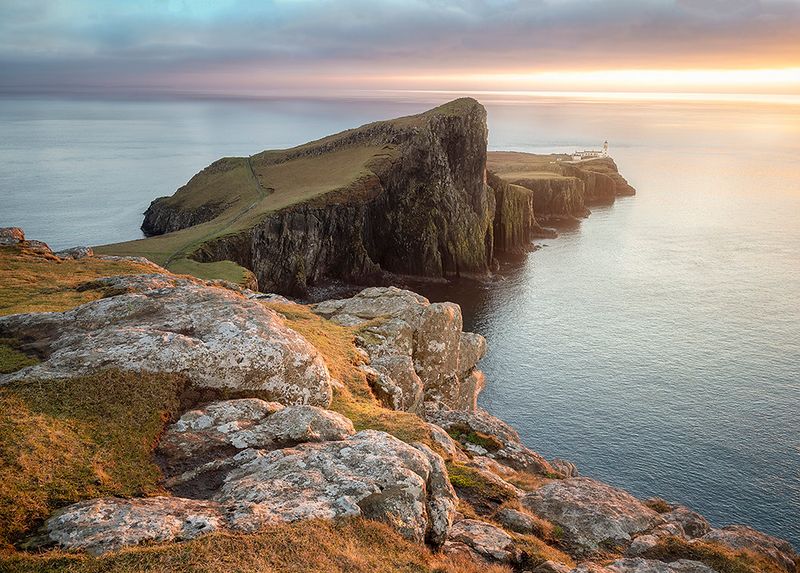
Scottish mist clings to jagged cliffs as waves crash against ancient rock formations.
Skye’s landscape shifts between moody and magical depending on which way the wind blows—and the wind always blows here.
Old castles crumble along the coastline while sheep wander freely across hills that have looked the same for centuries.
Outside the handful of small villages, connectivity drops to nearly nothing.
Roads twist through valleys where you might not see another car for miles.
The island’s raw beauty demands your full attention anyway—trying to scroll through social media while standing at the edge of the Quiraing feels almost disrespectful to the landscape itself.
6. The Faroe Islands
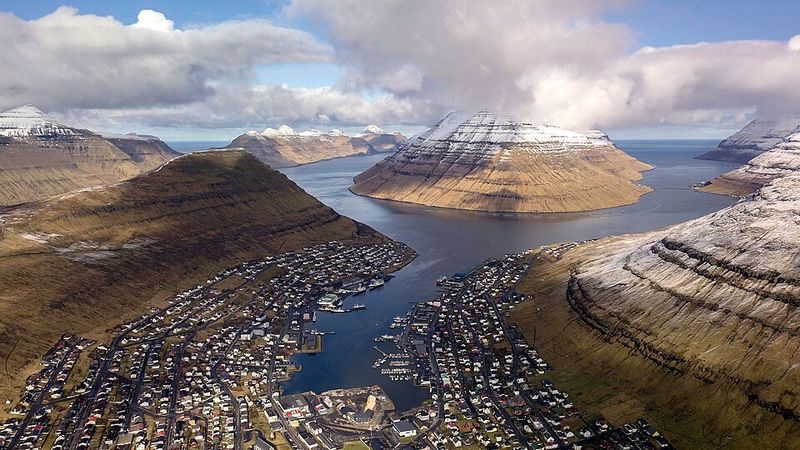
Eighteen volcanic islands rise from the North Atlantic like emerald stepping stones between Iceland and Norway.
Grass-roofed houses dot tiny villages where residents still outnumber tourists by a comfortable margin.
Sheep—lots of sheep—graze on hillsides so steep it seems impossible they don’t just slide off into the ocean.
Waterfalls plunge directly into the sea from cliff edges hundreds of feet high.
The isolation here isn’t just geographical; it’s cultural too, with a pace of life that refuses to speed up for anyone.
Internet exists in towns, but venture into the countryside and you’ll find yourself blissfully unreachable.
The sound of wind and waves becomes your new notification system.
7. Namib Desert, Namibia
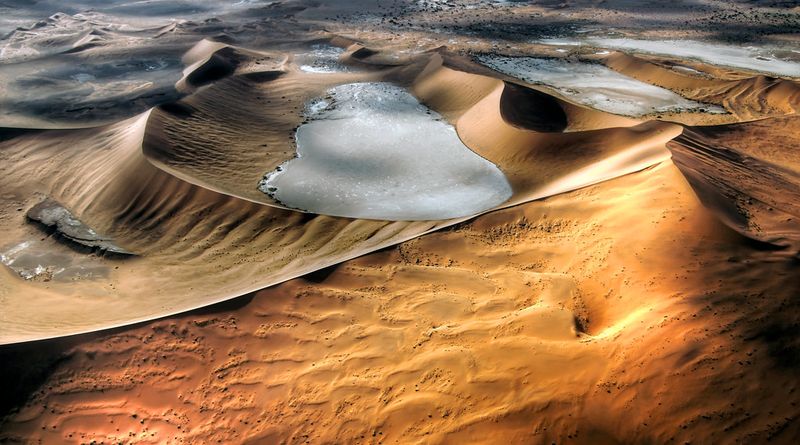
Sand dunes stretch toward the horizon in every direction, some reaching over 1,000 feet tall—among the highest in the world.
The Namib has been dry for roughly 55 million years, making it Earth’s oldest desert and home to creatures found nowhere else.
At sunrise, the dunes glow orange and red like they’re lit from within.
Silence here feels almost physical, pressing against your ears in the absence of any human-made sound.
Dead vlei, a white clay pan dotted with ancient dead trees, looks so surreal that visitors often think photos must be edited.
They’re not—this place really is that otherworldly.
Cell towers don’t exist for hundreds of miles in most directions, guaranteeing your digital detox whether you planned for it or not.
8. The Azores, Portugal
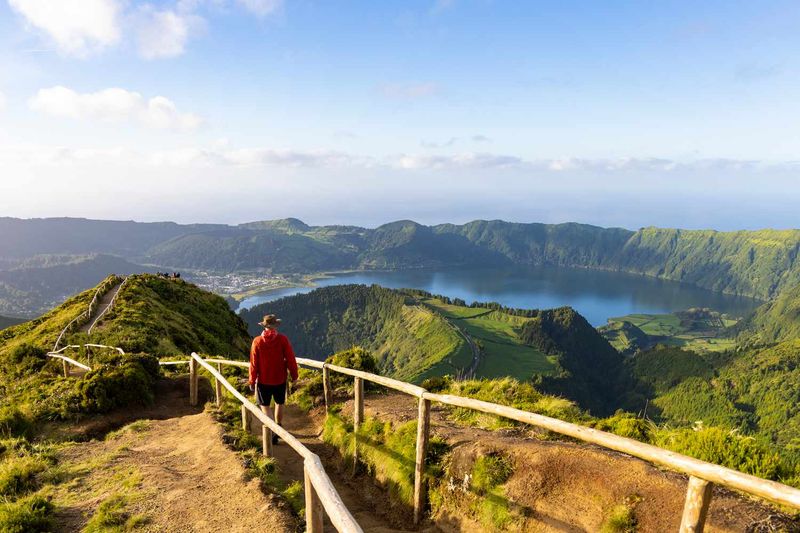
Nine volcanic islands float in the middle of the Atlantic, closer to New York than to mainland Portugal.
Crater lakes fill ancient calderas with water so blue it almost hurts to look at.
Natural hot springs bubble up along coastlines, offering the perfect spot to soak while watching waves roll in from thousands of miles away.
Life moves slowly here by design.
Locals still farm using traditional methods, and rushing anywhere seems to miss the entire point of island living.
Hiking trails wind through forests of endemic species found only on these remote specks of land.
While Wi-Fi exists in hotels and cafes, many visitors find themselves forgetting to check their devices, too busy watching whales breach offshore or exploring hidden waterfalls.
9. Hokkaido Wilderness, Japan
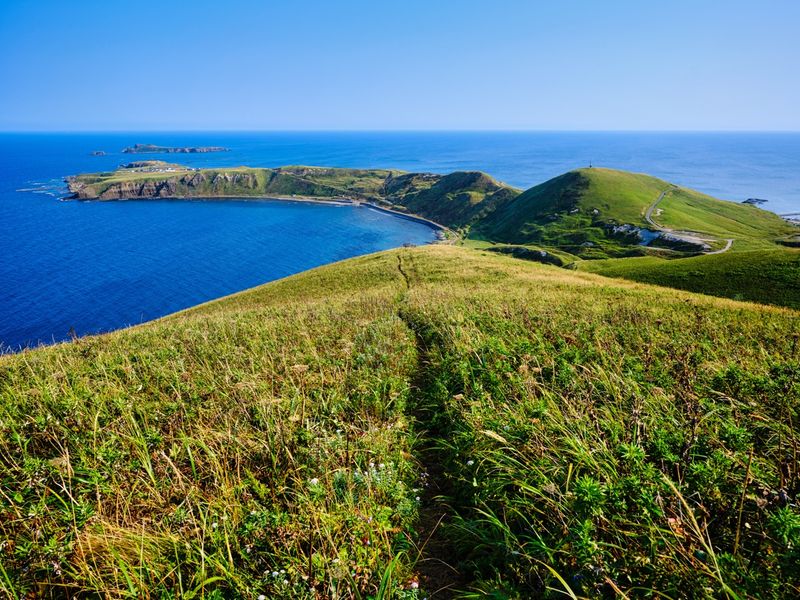
Japan’s northernmost island offers something unexpected—vast wilderness areas where you can hike for days without encountering another person.
Daisetsuzan National Park sprawls across volcanic peaks and dense forests where brown bears still roam freely.
Alpine flowers carpet meadows in summer, while winter transforms everything into a snow-covered wonderland.
Hot springs steam in the middle of nowhere, heated by the same volcanic activity that shaped these mountains.
The indigenous Ainu people considered these peaks sacred, and spending time here makes it easy to understand why.
Cell service fades quickly outside small towns, replaced by birdsong and the rustle of wind through bamboo grass.
Winter brings some of the deepest snow on Earth, burying roads and isolating communities for months.
10. Yellowstone National Park, USA
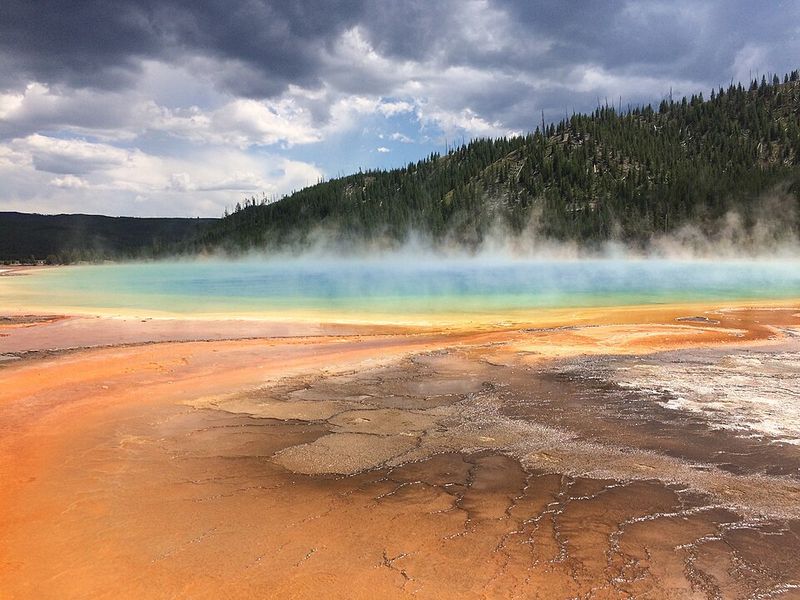
America’s first national park sits atop a supervolcano that powers over 10,000 geothermal features.
Old Faithful erupts like clockwork while rainbow-colored hot springs bubble and steam across the landscape.
Bison herds block roads without apology, and wolves have reclaimed their place as apex predators after decades of absence.
The park spans nearly 3,500 square miles, most of it genuine backcountry where grizzlies outnumber people.
Countless valleys and thermal basins see few visitors despite being incredibly beautiful.
Cell coverage exists near major attractions but vanishes completely once you venture into the wilderness.
That’s actually perfect—watching a geyser erupt or spotting a wolf pack works better without the distraction of notifications demanding your attention.
11. The Dolomites, Italy
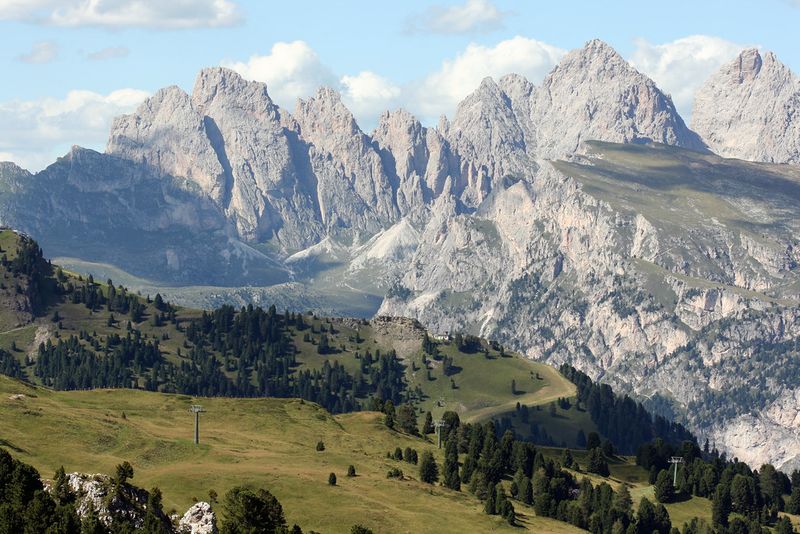
Limestone peaks jut into the sky like dragon teeth, their pale rock glowing pink during sunrise and sunset—a phenomenon locals call enrosadira.
These Italian Alps offer some of Europe’s most dramatic mountain scenery, with hiking trails winding through valleys where cowbells echo off cliff walls.
Small mountain huts serve hearty meals to hikers who’ve earned their appetite climbing steep trails.
Unlike many famous mountain ranges, the Dolomites maintain a peaceful atmosphere even during summer.
Valleys remain quiet, and many rifugios (mountain lodges) have limited or no Wi-Fi.
The landscape demands your attention anyway—vertical walls rising thousands of feet, meadows exploding with wildflowers, and views that stretch to distant horizons.
Your phone battery lasts days longer when there’s no signal to search for.