 MomSkoop
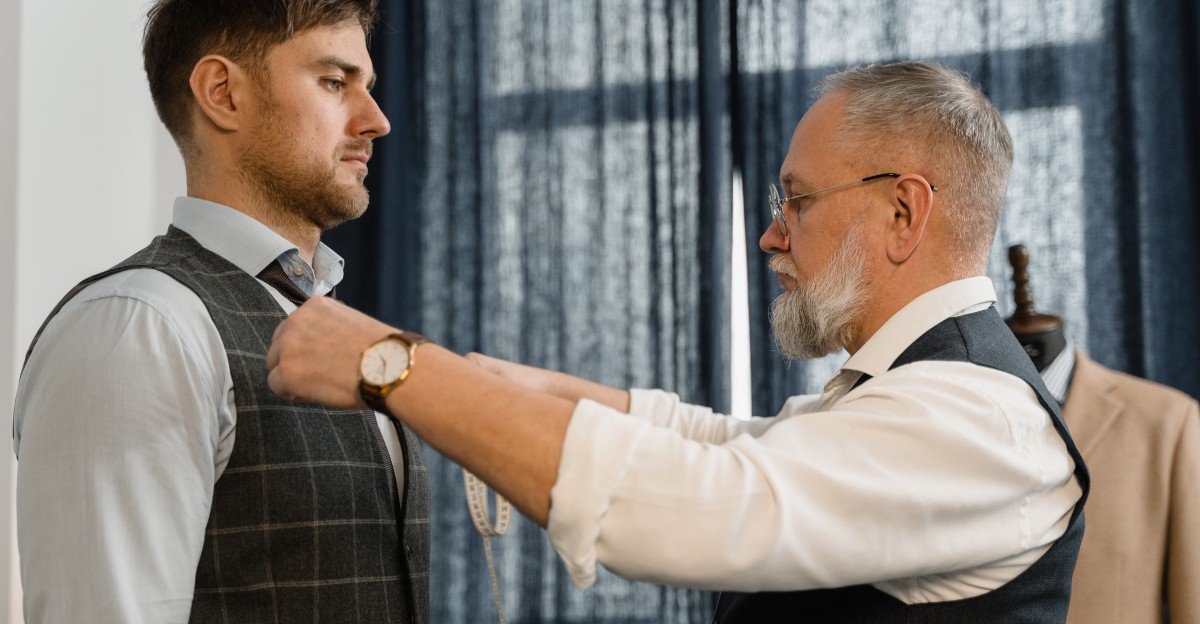
Growing up, most of us watched our dads follow a strict set of style rules that seemed completely set in stone. From matching belts to shoes to never mixing certain colors, these guidelines shaped how men dressed for decades.
But fashion moves forward, and today’s men are rewriting the rulebook with confidence and creativity. Here are 11 old-school style rules that modern guys have happily left behind.
1. Matching Your Belt to Your Shoes
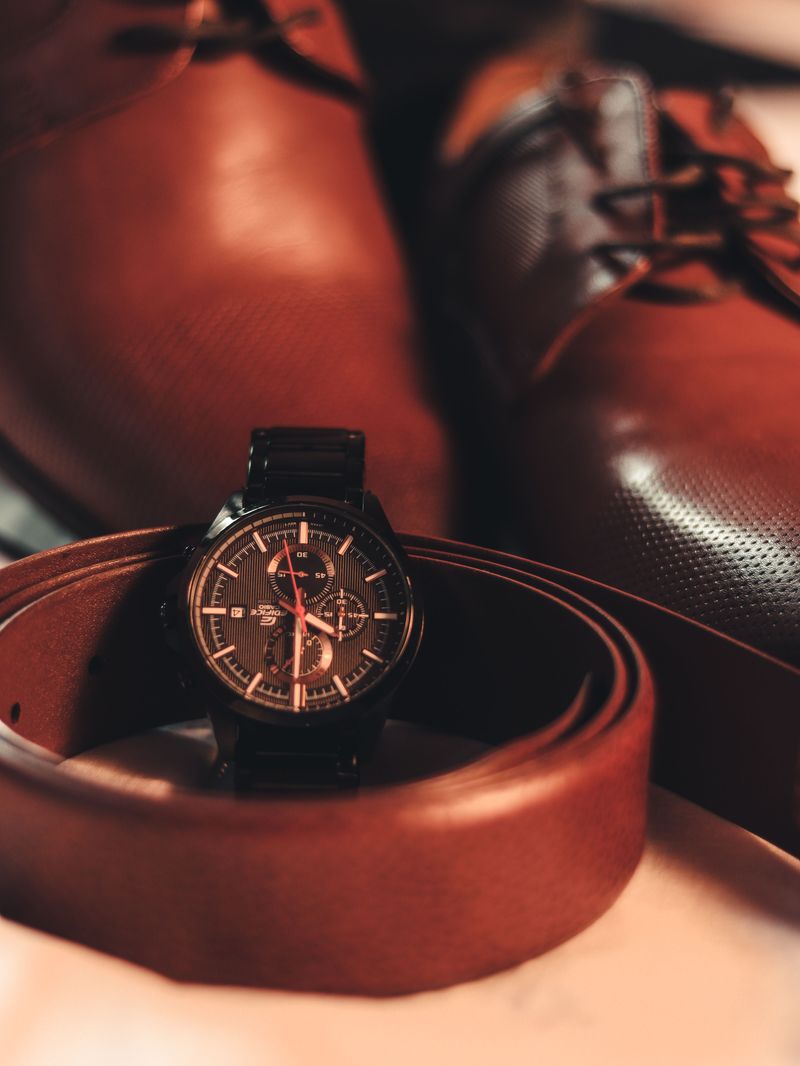
Back in the day, if your belt did not perfectly match your shoes, your dad might have sent you back upstairs to change.
The rule was iron-clad: brown with brown, black with black, no exceptions allowed.
Modern style has loosened this grip considerably.
Today, mixing leather tones is actually encouraged when the overall outfit has a cohesive feel.
A cognac belt with dark brown loafers, or a black belt with charcoal shoes, can look intentional and polished rather than careless.
The focus has shifted from perfect matching to thoughtful tonal coordination.
If the shades complement each other and the outfit feels balanced, you are doing it right by today’s standards.
2. Never Mixing Black and Brown

For generations, mixing black and brown in one outfit was considered a cardinal sin.
Dads everywhere enforced this rule with near-religious dedication, treating any combination of the two colors as a guaranteed style disaster.
Fast forward to today, and that so-called clash is now one of the more sophisticated moves in a modern man’s wardrobe.
When the shades are chosen thoughtfully, black and brown create a rich, earthy contrast that feels current and deliberate.
Think a black wool coat paired with camel trousers, or a dark brown leather jacket over black jeans.
The key is intention.
When the outfit works as a whole, the old rule simply does not apply anymore.
3. Always Wearing a Tie With a Suit

Your grandfather probably never left the house in a suit without a tie.
For decades, the two were practically inseparable, like peanut butter and jelly.
A suit without a tie was considered unfinished, even disrespectful in formal settings.
Modern tailoring has completely changed that expectation.
Open collars now pair beautifully with suits, giving off a relaxed confidence that a tie sometimes cannot match.
Fine-gauge knits, polo shirts, and even simple crew-neck tees have found their place under a well-cut jacket.
The suit itself carries enough formality on its own.
Removing the tie does not strip an outfit of its polish.
If anything, it often adds a modern ease that feels both stylish and refreshingly unbothered.
4. No Sneakers With Tailoring

Once upon a time, pairing sneakers with a suit would have earned you a raised eyebrow from every man over 50 in the room.
Dress shoes were the only acceptable footwear for tailored clothing, full stop.
That line has blurred almost completely in recent years.
Clean, minimal sneakers now appear regularly on runways, in offices, and at smart-casual events alongside tailored trousers and blazers.
Brands like Common Projects and even classic white Adidas have become go-to choices for men who want to dress sharp without sacrificing comfort.
The trick is keeping the sneaker simple and low-profile.
Chunky athletic shoes still feel off with tailoring, but a sleek, understated pair pulls the whole look together surprisingly well.
5. Your Socks Must Match Your Trousers
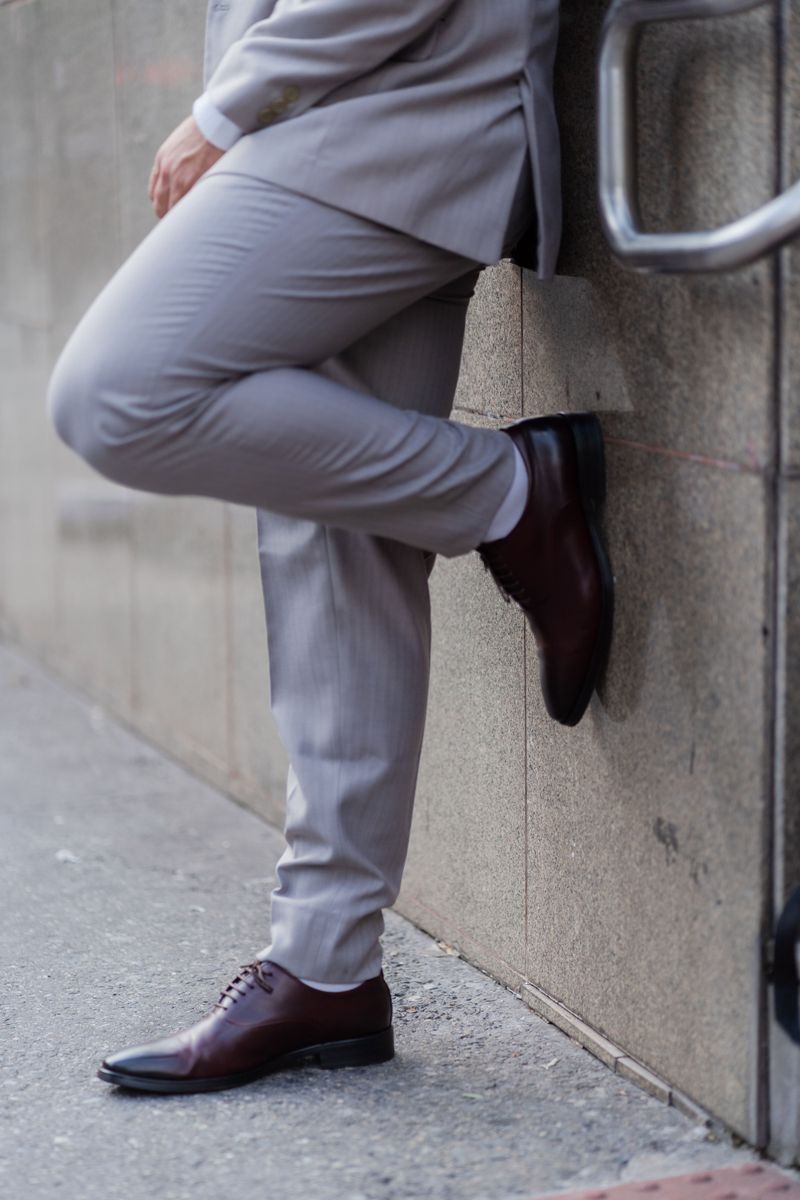
Matching socks to trousers was practically a commandment in traditional menswear.
The idea was simple: socks should disappear into the outfit, drawing zero attention and blending seamlessly with whatever was above them.
Modern menswear has flipped this idea on its head in the best possible way.
Socks are now one of the easiest, most affordable ways to show personality.
Bold stripes, playful patterns, and unexpected colors have become a quiet signature for men who pay attention to detail.
A flash of bright orange socks between a charcoal trouser and a dark shoe can say a lot about a person without being loud.
Socks are no longer an afterthought.
They are a small but mighty style statement all on their own.
6. Never Wearing Navy and Black Together
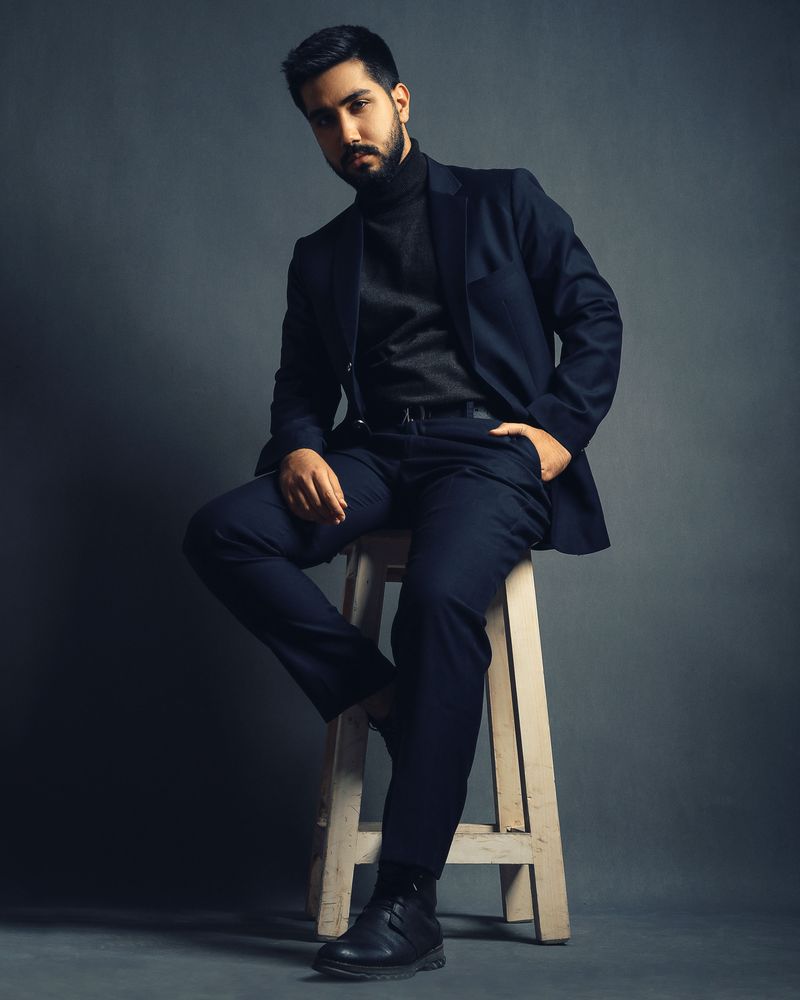
Navy and black together was once considered one of the worst color combinations a man could wear.
The logic was that the two dark tones were too similar to look intentional, making any outfit appear like a case of getting dressed in the dark.
Today, that combination is worn deliberately by some of the sharpest dressers around.
When the shades are clearly distinct and the outfit is well-constructed, navy and black together can look quietly sophisticated and even a little moody in the best way.
A black turtleneck under a navy blazer, or black trousers with a navy overcoat, works beautifully in cooler months.
The outfit just needs clean lines and confident execution to pull it off without question.
7. Saving White for Summer

White after Labor Day?
Absolutely not, according to the old rules.
White clothing was firmly filed under summer-only territory, and wearing it outside those months was considered a social blunder that polite people simply did not commit.
That seasonal restriction has faded out almost entirely.
White jeans, white knitwear, white sneakers, and even white outerwear now appear regularly throughout autumn and winter.
Paired with heavier fabrics and richer textures, white pieces actually take on a crisper, more elevated quality in cooler months.
Wearing white in January feels fresh rather than wrong when the rest of the outfit is seasonally appropriate.
The color is no longer owned by summer.
It belongs to anyone confident enough to wear it year-round.
8. Always Tucking In Your Shirt
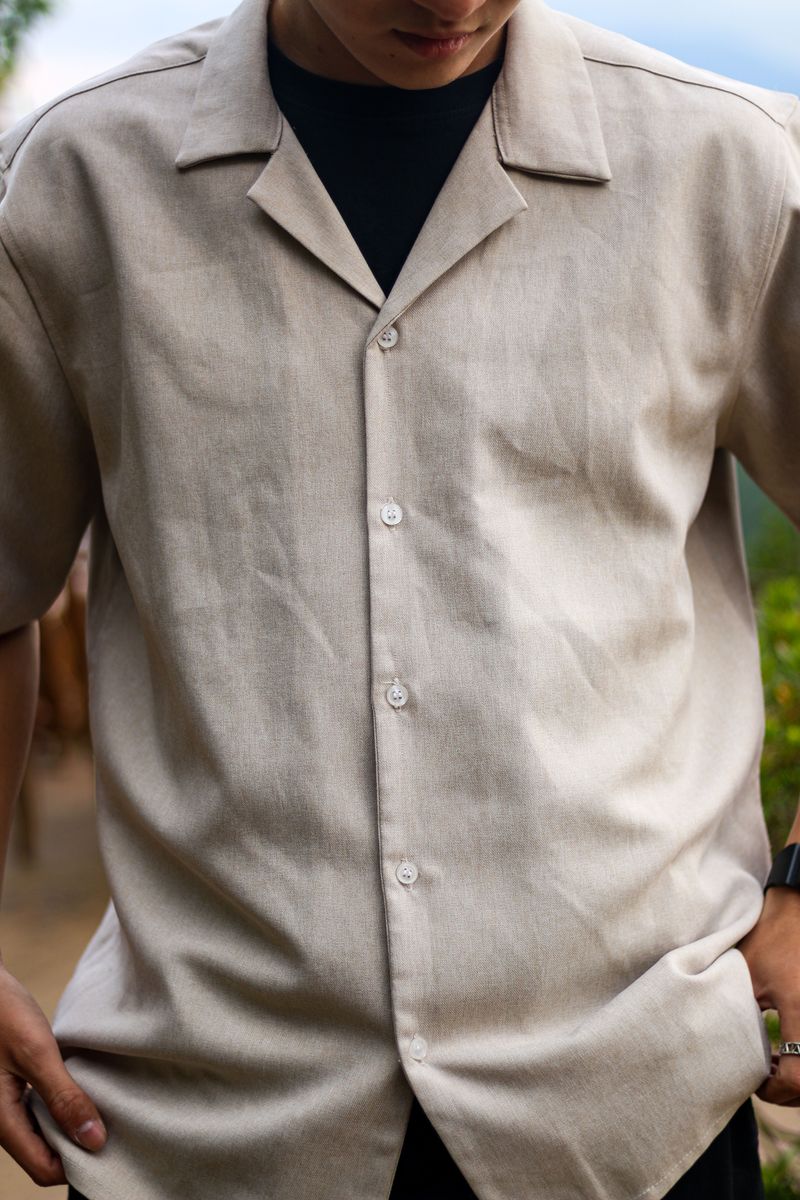
Tucking in your shirt was once a non-negotiable sign of being properly dressed.
Leaving your shirt untucked in anything other than the most casual setting was seen as sloppy, lazy, or just plain unfinished.
Modern menswear has embraced the untucked look wholeheartedly, and with good reason.
Camp-collar shirts, overshirts, boxy fits, and relaxed-cut button-downs are often specifically designed to be worn without tucking.
Forcing them in actually ruins the silhouette they were made for.
The distinction today is about cut and context rather than an automatic rule.
A well-fitted dress shirt at a formal dinner still benefits from being tucked.
But a linen camp shirt on a warm weekend?
Leave it out and let it breathe exactly as it was designed to.
9. A Gentleman Always Wears a Watch

For decades, a watch was considered the single most important accessory a man could own.
It signaled responsibility, taste, and status all at once.
Going out without one was practically unthinkable for any man who cared about how he presented himself to the world.
Watches are still wonderful, and plenty of men love wearing them.
But they are no longer a requirement for looking well-dressed.
Phones tell the time, and many younger men simply prefer clean wrists as part of a more minimal aesthetic.
A great watch can absolutely elevate an outfit, but its absence no longer signals carelessness.
Style today is about what you choose to wear and why, not about following a checklist of accessories that every respectable man must own.
10. Formal Clothes Should Fit Loose and Conservative

Older generations often wore their formal clothes with room to spare.
A suit with generous shoulders, a roomy chest, and wide trousers was considered the proper, conservative approach to dressing well.
Looking too fitted was seen as flashy or even inappropriate.
Contemporary tailoring has completely shifted that standard.
Modern suits favor cleaner lines and a more considered silhouette.
Whether a man prefers a relaxed, dropped-shoulder cut or something more structured and precise, the goal is intention rather than excess fabric.
Clothes that fit well, whatever the style, simply look more polished and more modern.
The old belief that formal wear should be conservative to the point of shapeless has been replaced by a much more thoughtful approach to how clothes actually interact with the body.
11. Dress Your Age

“Act your age” was a phrase that extended well into the wardrobe.
Men over 40 were expected to dress in a certain way, avoiding anything too youthful, too casual, or too fashion-forward.
The unspoken rule was that age came with a dress code, and straying from it looked desperate.
Modern menswear has let go of that idea almost entirely.
Fit, proportion, fabric quality, and context now matter far more than the number on your birthday cake.
A 50-year-old in well-fitted jeans and a quality knit looks sharp.
A 25-year-old in ill-fitting clothes just looks like he does not care.
Dressing well has nothing to do with age and everything to do with understanding what works for your body and your life right now.