 MomSkoop
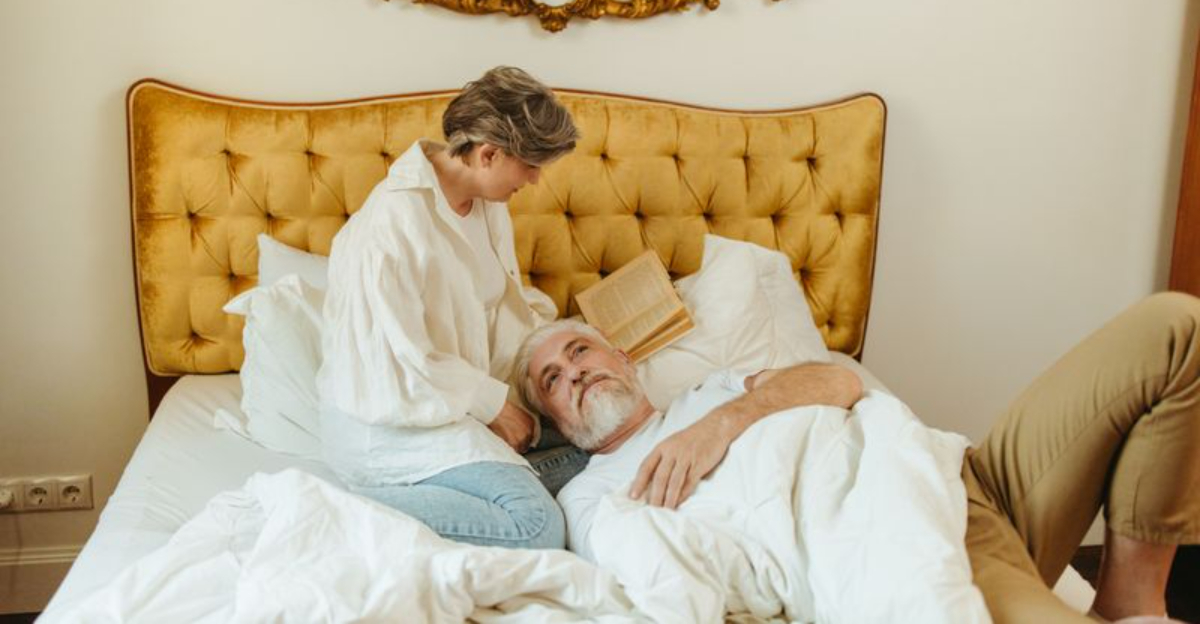
Getting older comes with a lot of changes, and not all of them are obvious. Some habits sneak up on people so gradually that they don’t notice until a friend or family member points it out.
From turning up the TV volume to preferring quiet evenings at home, these small shifts are more common than most people think. Read on to discover 11 habits many people pick up as they age without even realizing it.
1. Repeating the Same Stories More Often

There is something almost magnetic about a really good memory.
As people grow older, certain life experiences become deeply meaningful, and sharing them feels natural, even necessary.
The trouble is, those stories often get told again and again to the same audience.
Friends and family usually notice the repetition long before the storyteller does.
It is rarely a sign of serious memory trouble.
More often, it reflects how much those moments meant to the person telling them.
If you catch yourself mid-story and realize you have told it before, that is perfectly okay.
The people who love you probably enjoy hearing it anyway, even if they already know the ending by heart.
2. Turning the TV or Phone Volume Up
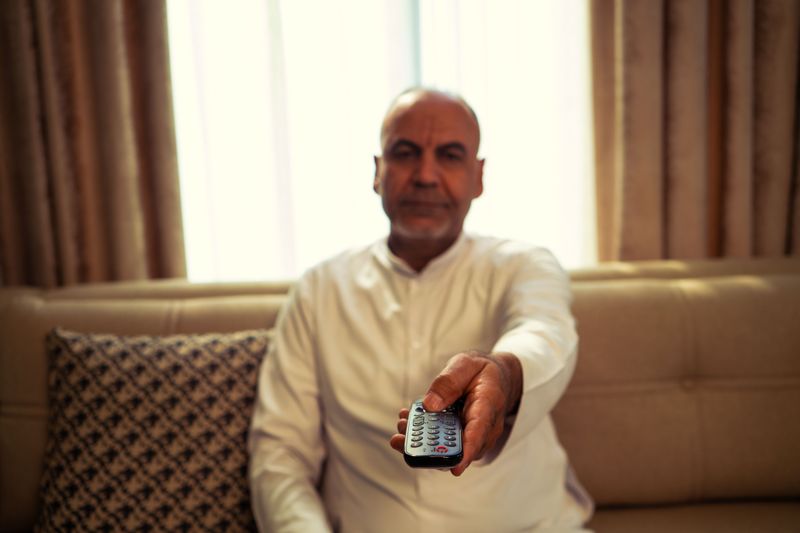
Hearing changes happen so gradually that most people never notice them creeping in.
One day the TV sounds fine, and then slowly, almost invisibly, the volume creeps higher and higher.
Everyone else in the room might wince while the person holding the remote thinks it sounds perfectly reasonable.
This is one of the most common age-related habits, and it often goes unaddressed simply because it does not feel like a problem from the inside.
The adjustment feels natural, not unusual.
A quick hearing check with a doctor can make a real difference.
Many people are surprised to discover how much sharper the world sounds once they get the right support for their hearing.
3. Standing Up More Slowly
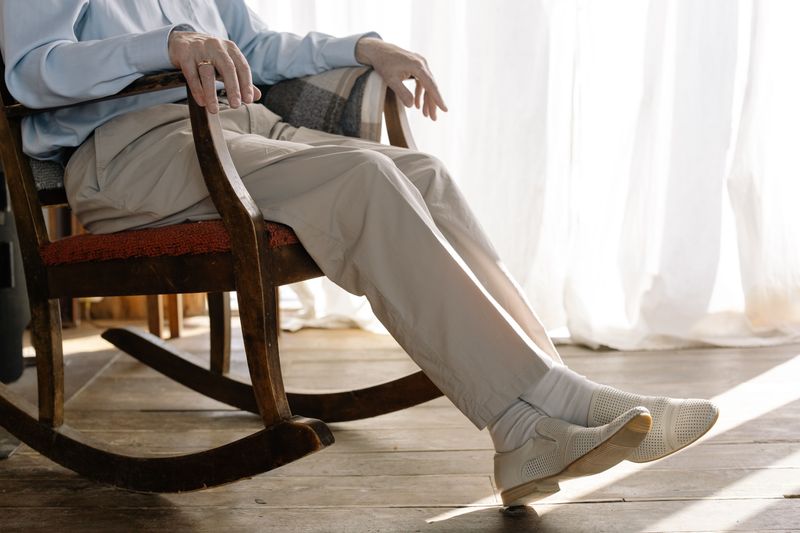
Watch closely the next time an older adult gets out of a chair, and you might notice a deliberate pause before they fully stand.
Joints that were once springy can become stiff over time, and muscles that used to fire quickly need a little more encouragement.
Standing up slowly is not laziness.
For many people, it is a smart response to how their body actually feels.
Moving more carefully helps avoid dizziness, reduces strain on the knees, and keeps balance steady.
Interestingly, most people do not decide to move this way on purpose.
The body simply starts asking for more time, and without much thought, a person begins giving it exactly that.
4. Preferring Familiar Routines
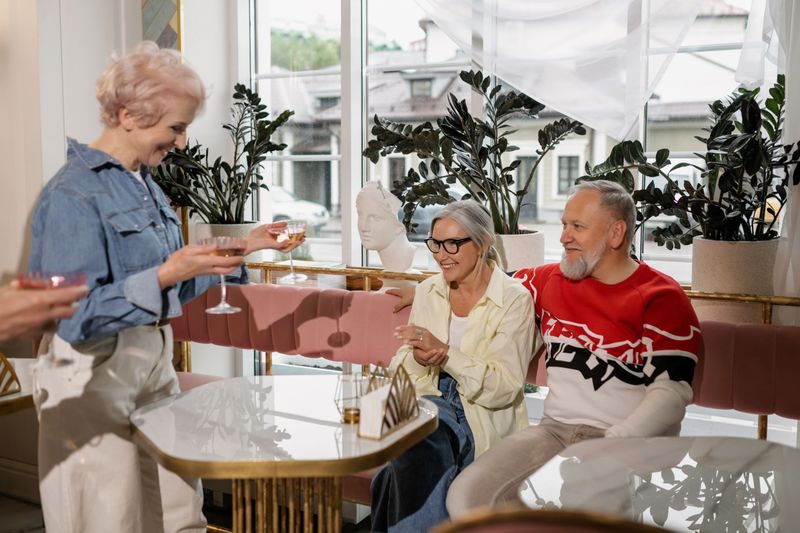
Adventure is exciting when you are young, but there comes a point for many people when a reliable Tuesday night dinner at the same restaurant starts sounding pretty wonderful.
Familiar routines offer something novelty cannot always deliver: comfort and ease.
Trusted brands, favorite walking routes, and predictable schedules gradually become more appealing than constant change.
Experience teaches people what they like, and why waste time on uncertainty when you already know what works?
This is not about becoming boring.
It is about efficiency and genuine satisfaction.
People who have lived long enough to find what makes them happy often make the very reasonable choice to stick with it.
That kind of wisdom is actually something worth admiring.
5. Making Small Noises While Sitting or Standing

The “oof” happens before the brain even registers it.
One moment a person is seated, and the next they are halfway up with a small grunt escaping their lips like it had been waiting there all along.
It is one of those habits that sneaks in so quietly, most people need someone else to point it out.
These little sounds are the body’s way of acknowledging effort.
Getting up, bending down, or even settling into a chair takes more physical coordination than it used to.
The noises are involuntary, almost reflexive.
Plenty of people find this habit funny once they become aware of it.
Laughing about it with family is a much better reaction than embarrassment, because nearly everyone eventually joins the club.
6. Becoming Less Tolerant of Clutter
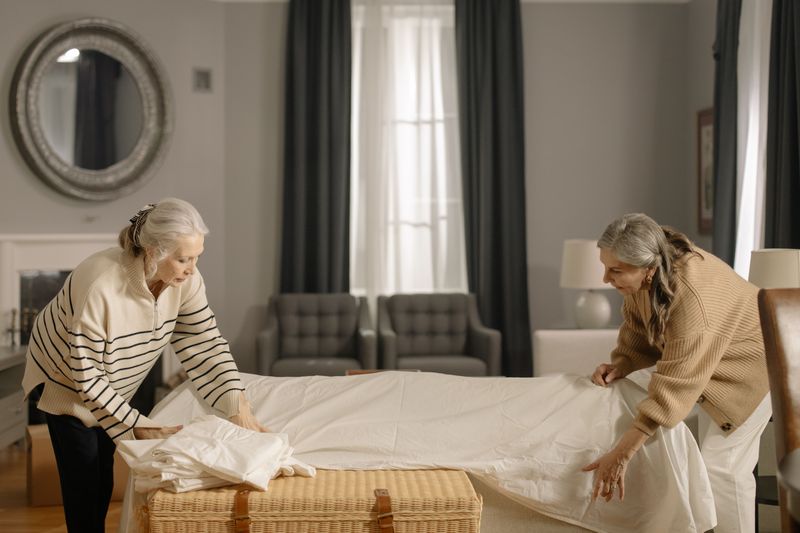
A messy kitchen counter that once felt harmless can start to feel genuinely stressful as the years go by.
Many older adults find themselves drawn to cleaner spaces, organized drawers, and calmer environments without fully understanding why the change happened.
Research suggests that cluttered spaces can increase mental fatigue, and older adults often become more sensitive to that feeling over time.
What used to be background noise for the brain becomes much harder to tune out.
Clearing out a junk drawer or finally tackling that overflowing closet is not just about tidiness.
For many people, it brings a real sense of calm and control.
Simplified spaces often lead to simplified thinking, and that is a trade most people are happy to make.
7. Double-Checking That Everything Is Turned Off
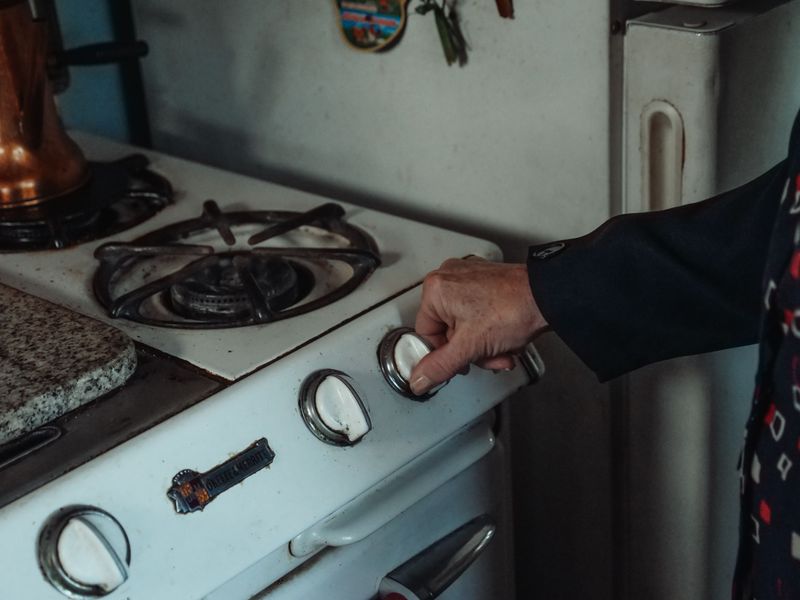
Standing at the front door with keys in hand and then walking back to the kitchen to check the stove is a scene that plays out in homes everywhere.
Many people over a certain age develop a strong habit of verifying things twice, sometimes three times, before feeling truly settled.
Far from being a sign of memory problems, this habit usually reflects a lifetime of experience and responsibility.
People who have managed households, jobs, and families for decades understand what happens when small things go wrong.
A useful trick is to say out loud “the stove is off” while turning the knob.
Saying it aloud creates a stronger memory trace, which can reduce the urge to circle back and check again five minutes later.
8. Choosing Comfort Over Fashion More Often

There is a quiet turning point that happens for most people somewhere in their fifties or sixties.
The stylish but painful shoes get pushed to the back of the closet, and the comfortable ones get promoted to everyday status.
Nobody announces this shift.
It just happens.
Softer fabrics, better arch support, and practical layering choices gradually replace trendier but less forgiving options.
The body starts sending clearer messages about what feels good, and most people eventually listen.
Looking back at old photos can make the transition obvious.
What once seemed like a natural wardrobe now looks like a completely different person’s closet.
The good news is that comfort-focused fashion has improved dramatically, and looking put-together no longer has to mean suffering for style.
9. Waking Up Earlier Without an Alarm

Sleeping until noon sounds like a distant memory for many adults past a certain age.
Sleep patterns shift naturally over time, and the body’s internal clock often starts pushing wake-up times earlier and earlier, sometimes frustratingly so.
Scientists call this a change in circadian rhythm.
The biological signals that once kept people sleeping soundly until 8 a.m. gradually start firing closer to 5 or 6 a.m. instead.
It is not insomnia, just a natural rewiring of the sleep cycle.
Many early risers eventually make peace with the change and even start to love it.
Quiet mornings before the rest of the world wakes up can feel genuinely peaceful.
A warm drink, a good book, and zero interruptions make for a surprisingly satisfying start.
10. Taking Longer Before Making Decisions

Snap decisions that once came easily can start to feel reckless with age.
Whether choosing a new appliance, planning a vacation, or picking a doctor, many older adults take noticeably more time weighing their options before committing to anything.
This is not hesitation born from fear.
It is wisdom built from experience.
People who have lived through enough rushed decisions understand the value of slowing down and thinking things through properly.
The cost of a bad choice feels much clearer after you have paid it a few times.
Younger people sometimes misread this deliberateness as indecisiveness.
In reality, it often leads to better outcomes.
Taking an extra day to sleep on a major purchase or plan is almost always time well spent.
11. Enjoying Quiet More Than Constant Activity
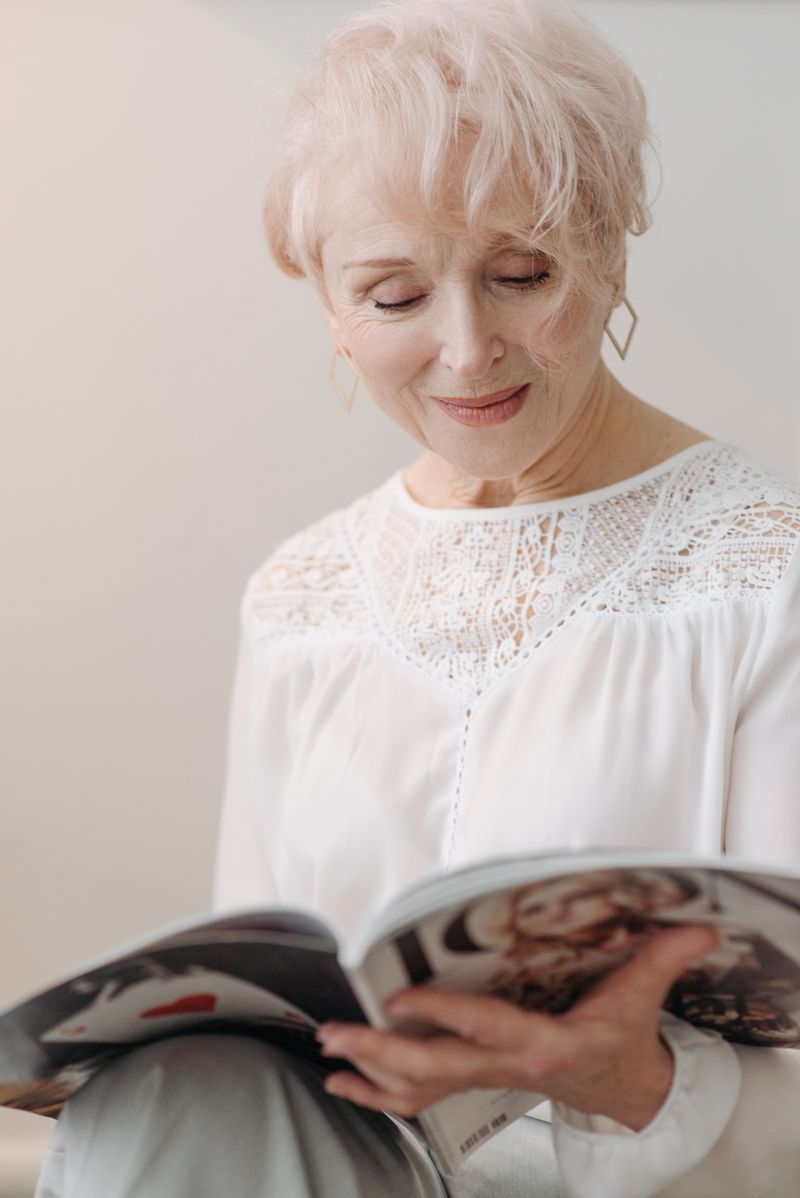
Loud parties, packed schedules, and nonstop social plans can start to feel exhausting rather than exciting.
Many people gradually notice that a quiet evening at home or a small gathering with close friends leaves them feeling far more refreshed than a crowded event ever could.
This shift is not about becoming antisocial.
It is about understanding what actually recharges your energy.
Years of experience help people recognize the difference between activities that fill them up and ones that simply drain them.
Peaceful mornings, unhurried afternoons, and calm evenings become genuinely appealing rather than settling for less.
Many people describe this preference as one of the most welcome surprises of getting older, a quiet kind of freedom that feels completely earned.