 MomSkoop

Finding love that lasts can feel like a puzzle, especially when certain habits quietly get in the way. These patterns often go unnoticed because they feel normal or protective, but they can actually create distance instead of closeness.
Understanding these subtle behaviors can help shift the path toward healthier, more fulfilling connections. Recognizing what might be holding you back is the first step toward inviting real, lasting love into your life.
1. Emotional guardedness

Building walls around your heart might seem like smart protection after being hurt before.
Many women learn to guard their feelings carefully, thinking it will keep them safe from pain.
However, those same walls that block out hurt also block out the warmth and connection that make love grow.
When someone tries to get close, emotional barriers send a confusing message that pushes them away.
Real intimacy requires letting someone see the parts of you that feel vulnerable and uncertain.
Without lowering those defenses at least a little, relationships stay surface-level and never deepen into something meaningful.
Learning to trust again takes courage, but opening up gradually allows love to actually take root.
2. Consistently choosing unavailable partners

Some patterns repeat without us even noticing them.
Falling for people who are already taken, emotionally distant, or clearly not ready for commitment creates a cycle that feels familiar but always ends in disappointment.
These choices might feel exciting or safe in a strange way because they never demand full vulnerability.
Unavailable partners keep relationships at arm’s length, which protects you from real intimacy while still letting you feel like you’re trying.
The pattern becomes a habit that prevents genuine connection from ever forming.
Breaking free means recognizing the signs early and choosing differently, even when it feels uncomfortable.
Healthy love requires both people to be present and willing.
3. Over-independence as a defense

Independence is a strength, but using it as armor can backfire.
When you insist on handling everything alone and never asking for help, it sends a signal that you don’t need anyone.
While self-sufficiency feels empowering, relationships thrive on interdependence, where both people support and lean on each other.
Refusing vulnerability or assistance can make potential partners feel unnecessary or shut out.
They might think you’re not interested in sharing your life with someone else.
True connection happens when you allow space for another person to contribute, care, and be needed.
Balancing independence with openness creates room for partnership to flourish naturally and authentically.
4. Unresolved past relationship wounds

Did you know?
Research shows that unhealed emotional pain can unconsciously shape how we approach new relationships.
Carrying bitterness, mistrust, or fear from past breakups colors how you see new people, even when they’re different.
Old wounds create invisible filters that make you expect the worst or react defensively to innocent situations.
Someone new shouldn’t have to pay for mistakes made by someone from your past.
When old hurts go unaddressed, they quietly sabotage fresh starts and prevent you from seeing people clearly.
Healing takes time and sometimes support, but it’s essential for moving forward.
Letting go of past pain opens the door to experiencing love without old baggage weighing it down.
5. Excessive self-criticism or insecurity

Constantly doubting your own worth creates a shaky foundation for any relationship.
When you’re overly critical of yourself, it affects how you carry yourself and how others perceive you.
Insecurity can make you second-guess every interaction, seek constant reassurance, or even push people away before they can reject you.
Confidence isn’t about being perfect; it’s about accepting yourself with all your imperfections.
People are drawn to those who feel comfortable in their own skin.
When you don’t believe you’re worthy of love, it becomes harder for someone else to convince you otherwise.
Building self-compassion and recognizing your value helps you show up authentically and attract healthier connections.
6. Rigid expectations of partners or relationships
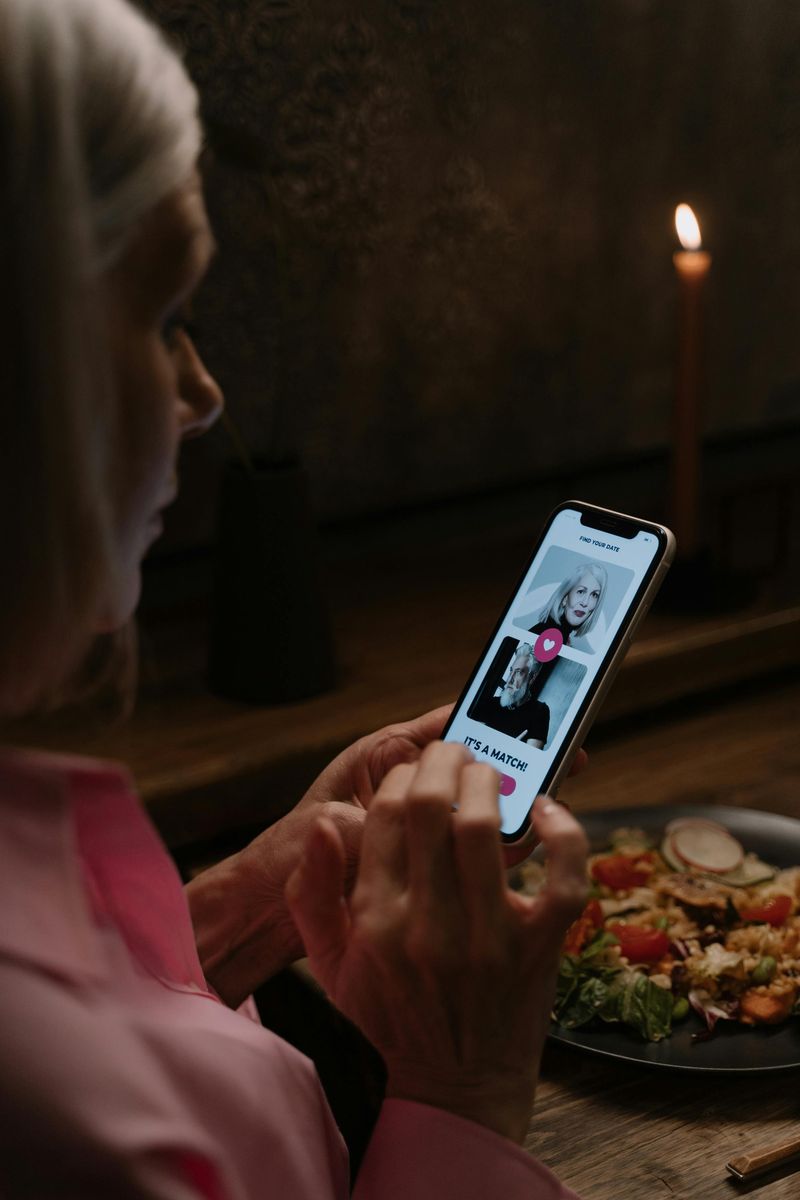
Having standards is important, but holding onto a rigid checklist of how love should look can close you off to real possibilities.
When expectations are too fixed, you might dismiss someone wonderful simply because they don’t match a specific image you have in mind.
Love often surprises us by showing up differently than we planned.
Flexibility allows you to appreciate people for who they actually are rather than who you think they should be.
Unrealistic or overly specific requirements can sabotage promising connections before they have a chance to grow.
Being open to different paths and personalities invites more opportunities for genuine compatibility.
Balance knowing what you need with staying open to unexpected connections.
7. Avoiding difficult conversations

Steering clear of uncomfortable topics might feel easier in the moment, but it creates bigger problems over time.
Relationships require honest communication, especially when things get tricky or feelings are hurt.
Avoiding conflict or emotional discussions leaves issues unresolved and needs unmet, which builds resentment quietly beneath the surface.
When you can’t talk about what matters, misunderstandings pile up and connection weakens.
Healthy love means being able to navigate disagreements and express feelings openly, even when it’s awkward.
Running from tough conversations signals that the relationship isn’t safe enough to handle reality.
Learning to face difficult moments together actually strengthens bonds and builds trust over time.
8. Over-prioritizing external validation

Relying heavily on likes, comments, and social media approval can interfere with forming real, grounded connections.
When your sense of worth depends on external attention, relationships become more about appearances than genuine intimacy.
Seeking constant validation from others can make you lose touch with what you actually feel and need.
Deep bonds are built in private moments, not through public displays or online approval.
Over-focusing on how things look to the outside world distracts from the inner work that meaningful relationships require.
Partners can sense when they’re competing with an audience for your attention.
Grounding yourself in internal confidence and real-life connection creates space for love that’s authentic and lasting.
9. Fear of vulnerability

Wanting love while refusing to be emotionally exposed creates a confusing contradiction.
Vulnerability is the gateway to intimacy, yet many women fear it because it feels risky and uncomfortable.
Keeping your true feelings hidden or pretending everything is fine all the time prevents real closeness from developing.
Potential partners receive mixed signals when you say you want connection but pull back whenever things get real.
Emotional exposure isn’t weakness; it’s the courage to let someone see you honestly.
Without vulnerability, relationships stay shallow and never reach the depth that makes love last.
Taking small steps toward openness, even when it’s scary, invites the kind of connection you truly want.
10. Chronic busyness as a shield

Filling every moment with work, activities, and obligations can be a convenient way to avoid emotional availability.
Staying constantly busy leaves no room for relationships to grow or for someone to really know you.
While productivity feels good, using it as a shield keeps love at a distance.
Relationships need time, attention, and space to breathe and develop naturally.
When your schedule is always packed, potential partners may feel like an afterthought or an inconvenience.
Being perpetually unavailable sends the message that connection isn’t a priority.
Creating intentional space in your life for relationships shows you’re genuinely open to letting someone in and building something meaningful together.
11. Settling into a fixed narrative about love

Believing that love is not meant for you or that it’s too late can become a self-fulfilling prophecy.
These fixed stories we tell ourselves shape our behavior and close us off to possibilities without us even realizing it.
When you’re convinced love won’t happen, you stop being open to opportunities and may unconsciously sabotage connections.
Negative narratives create invisible barriers that keep you stuck in old patterns.
Your beliefs influence how you show up in the world and what you allow yourself to receive.
Changing the story you tell yourself about love opens up new pathways and possibilities.
Staying open and hopeful, even after disappointment, keeps you receptive to the love that’s still possible.