 MomSkoop

Relationships can shift in ways that feel almost invisible at first. Sometimes the changes are so gradual that you might question whether you’re imagining things or just being overly sensitive.
But when someone is emotionally checking out or preparing to leave, there are often quiet signs that appear long before any official conversation happens.
1. Emotional Distance Increases
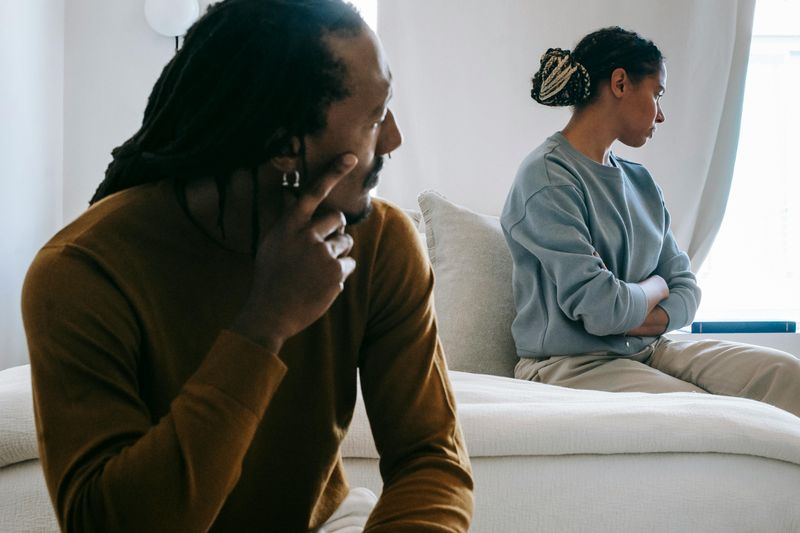
When someone starts pulling away emotionally, conversations that once felt deep and meaningful become shallow.
Your partner might stop sharing what’s on their mind or how they really feel about things happening in their life.
Moments that used to bring you closer now feel awkward or forced.
You might notice they no longer ask for your opinion on important matters or share their worries with you.
This withdrawal creates a gap that grows wider over time.
Emotional closeness requires both people to show up, and when one person stops investing, the connection weakens.
Pay attention if they seem distracted during conversations or give short, vague answers.
These behaviors suggest they’re mentally and emotionally somewhere else, building walls instead of bridges.
2. Reduced Effort in the Relationship

Small gestures often reveal how much someone cares.
When your partner stops doing the little things—like sending a sweet text, making your favorite meal, or remembering important dates—it signals fading interest.
These everyday efforts may seem minor, but they’re the glue that holds relationships together.
Problems that arise might go unaddressed, with your partner showing little motivation to fix what’s broken.
Instead of working through disagreements or finding solutions, they might shrug things off or act indifferent.
This lack of effort creates frustration and loneliness.
Relationships thrive on consistent care and attention from both sides.
When one person stops trying, the imbalance becomes painfully obvious.
Notice whether they still make time for you or if everything else suddenly takes priority over your connection.
3. Future Plans No Longer Include You

Listen carefully to how your partner talks about what’s ahead.
If they suddenly switch from saying “we” to “I” when discussing future plans, that’s a red flag.
Maybe they mention career goals, vacation ideas, or life changes without considering how you fit into the picture.
This shift suggests they’re mentally planning a life that doesn’t involve you.
They might avoid conversations about upcoming holidays, moving in together, or other long-term commitments.
When pressed, they may become uncomfortable or change the subject entirely.
Planning a future together requires both people to envision shared experiences and goals.
When one person starts imagining their life solo, it shows they’re already emotionally stepping away.
Trust your instincts if you feel excluded from their dreams and plans moving forward.
4. More Time Spent Away or Busy
Everyone needs personal space and outside interests, but when your partner suddenly becomes extremely busy, it’s worth noticing.
Work projects, gym sessions, and social events might start filling every available hour.
They might seem eager to be anywhere except home with you.
Quality time together becomes rare, and when you do spend time together, they seem distracted or restless.
Requests to hang out might be met with excuses or rescheduling.
Their calendar appears packed, yet there’s rarely room for you in it.
This pattern often means they’re creating distance on purpose, whether consciously or not.
Being constantly unavailable can be a way of avoiding intimacy and difficult conversations.
If every attempt to connect is met with “I’m too busy,” consider what that really means for your relationship’s health.
5. Conflicts Are Avoided Rather Than Addressed

Healthy couples disagree and work through their differences.
When your partner stops engaging in arguments or discussions altogether, something has shifted.
Instead of talking things out, they might shut down, walk away, or repeatedly say “it’s fine” when clearly it isn’t.
This avoidance creates unresolved tension that builds over time.
You might feel like you’re talking to a wall or that your concerns don’t matter anymore.
They may seem emotionally checked out during conflicts, showing little interest in finding solutions.
Avoiding conflict often means someone has given up on the relationship.
Fighting requires caring enough to work through problems, so when that effort disappears, it’s troubling.
Notice whether they still fight for the relationship or have simply stopped caring about fixing what’s broken between you.
6. Less Physical Affection

Touch is a powerful way couples stay connected.
When hugs, kisses, and casual touches start disappearing, the physical bond weakens.
Your partner might pull away when you try to hold their hand or seem uncomfortable with affection that once felt natural.
Intimacy may become infrequent or feel mechanical, lacking the warmth and passion it once had.
They might avoid cuddling on the couch, kissing you goodbye, or other small physical gestures.
This absence creates a noticeable coldness in the relationship.
Physical distance often mirrors emotional distance.
When someone is preparing to leave, they may unconsciously create space in all forms.
If you’re noticing a significant drop in physical closeness without explanation or effort to reconnect, it’s a sign something deeper is wrong.
7. Increased Independence Without Reassurance

Wanting personal space is completely normal and healthy.
However, when your partner suddenly emphasizes needing independence without balancing it with connection, it feels one-sided.
They might talk about needing time alone, pursuing solo hobbies, or focusing on themselves more than ever before.
What makes this concerning is the lack of reassurance about your relationship.
Healthy independence includes checking in, maintaining connection, and making sure both people feel secure.
When that reassurance vanishes, you’re left wondering where you stand.
This behavior can feel like they’re slowly untangling their life from yours.
They might make unilateral decisions or stop considering how their choices affect you.
Independence shouldn’t mean isolation, and if you feel pushed away rather than supported, that’s a warning sign worth addressing.
8. You Feel Like an Afterthought

Being in a partnership means considering each other in decisions, big and small.
When your partner starts making plans, purchases, or life choices without consulting you, it stings.
You might learn about important decisions after they’ve already been made, leaving you feeling sidelined.
Your opinions, needs, and feelings seem less important to them now.
They might forget to mention events, cancel plans without much notice, or prioritize everyone else before you.
This pattern makes you feel invisible and unimportant.
Feeling like an afterthought erodes your sense of value in the relationship.
Partnerships require mutual respect and consideration, and when that disappears, so does the foundation.
If you constantly feel overlooked or forgotten, it’s a sign your partner has mentally started moving on.
9. They Stop Asking About Your Life

Curiosity is a sign of caring.
When your partner stops asking how your day went, what you’re thinking about, or how you’re feeling, it shows disengagement.
Conversations become one-sided, with you doing most of the sharing and asking while they offer little in return.
They might seem uninterested in your achievements, struggles, or daily experiences.
Important events in your life pass without acknowledgment or celebration.
This lack of curiosity creates loneliness even when you’re together.
Emotional connection requires both people to stay interested in each other’s inner worlds.
When that interest fades, so does intimacy.
Notice if your partner has stopped checking in or seems indifferent to what matters to you.
Their silence speaks volumes about where their focus has shifted.
10. Behavior Feels More Guarded or Private

Transparency builds trust, and secrecy destroys it.
When your partner becomes vague about their whereabouts, protective of their phone, or less open about their life, suspicion naturally arises.
They might angle their screen away, take calls in another room, or offer unclear answers about where they’ve been.
This guarded behavior creates distance and mistrust.
You might notice they’re less willing to share details or become defensive when asked simple questions.
Passwords appear on devices that were once open, and their schedule becomes mysteriously unclear.
While everyone deserves privacy, sudden secrecy often signals something is off.
Whether they’re emotionally investing elsewhere or simply pulling away, this lack of transparency damages the relationship.
Trust your gut if their behavior has noticeably shifted toward being closed off and evasive.
11. Your Intuition Signals a Shift

Sometimes you can’t point to one specific thing, but you just know something has changed.
The energy between you feels different—less warm, less present, less connected.
Your gut tells you that the person you love is slipping away, even without concrete evidence.
This intuitive feeling shouldn’t be dismissed.
Humans are remarkably good at picking up subtle cues: tone of voice, body language, energy shifts.
When the “us” feeling fades and is replaced by distance, you sense it deeply.
The relationship doesn’t feel like home anymore.
Trust yourself when something feels off.
Your instincts are often right, especially when you notice consistent patterns over time.
While it’s important not to panic over every small change, persistent unease deserves attention and honest conversation about where things stand.