 MomSkoop

What makes some couples stick together through decades while others drift apart?
The secret isn’t luck or perfect compatibility—it’s about specific habits and attitudes that keep love alive.
Research shows that couples who celebrate 20, 30, even 40 years together share certain powerful qualities.
Understanding these traits can help any relationship grow stronger and last longer.
1. Strong Communication Skills
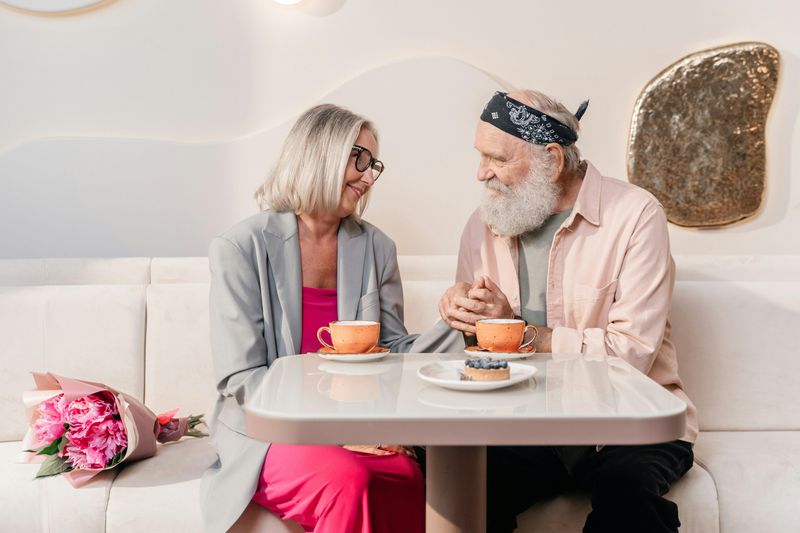
Talking openly about feelings, needs, and concerns forms the backbone of relationships that stand the test of time.
Research consistently shows that communication, motivation, and flexibility predict long-term marital satisfaction more accurately than nearly any other factor.
Couples who express themselves honestly and listen actively create a safe space for clarity and understanding.
They avoid bottling up frustrations or expecting their partner to interpret unspoken emotions, choosing instead to check in regularly and share both joys and worries.
When disagreements arise, they address issues constructively, recognizing that talking through problems ultimately strengthens their bond rather than weakening it.
2. Deep Friendship and Fondness

Studies of marriages lasting 35 years or more reveal a simple but powerful truth: these couples genuinely like each other, not just love each other.
Their relationship is rooted in a deep friendship that extends far beyond romance or physical attraction.
Shared interests, inside jokes, and mutual admiration keep their connection fresh, and they truly enjoy spending time together.
Many describe their spouse as their best friend, someone whose presence they look forward to every day.
This strong friendship becomes a steady anchor during difficult moments, helping them weather challenges with patience, warmth, and understanding.
3. Commitment to the Relationship

Long-term couples consistently describe their marriage as a conscious choice rather than a convenient arrangement.
They commit to the relationship fully and treat that commitment with seriousness, especially when life becomes challenging.
Loyalty runs deep, and both partners understand that staying together means choosing the relationship every single day rather than threatening to leave during moments of conflict.
This steady dedication builds a sense of security that allows each person to be vulnerable and work through issues without fear of abandonment.
Over time, their unwavering commitment becomes a protective shield that guards the relationship from outside pressures and internal doubts.
4. Trust and Transparency

Honesty forms the bedrock of marriages that last more than 25 years, according to long-term relationship research.
These couples share their thoughts, feelings, and experiences openly, choosing transparency over secrecy or emotional withdrawal.
They also learn to accept each other’s differences rather than trying to mold their partner into someone else, creating a sense of psychological safety where both can be fully themselves.
Trust extends beyond fidelity and into the everyday reliability that keeps a partnership steady through shifting seasons.
Over decades, this consistency in truthfulness and follow-through builds an unshakeable foundation of mutual confidence and respect.
5. Healthy Conflict Resolution

Every couple argues, but lasting partnerships approach disagreements with a mindset that protects the relationship rather than inflaming the conflict.
Psychologists note that long-term couples forgive readily, release grudges, and avoid contempt, which is one of the strongest predictors of breakup.
They handle conflict with empathy and compromise, listening to understand and validating each other’s feelings even when they don’t share the same perspective.
After arguments, they focus on repairing the connection quickly through sincere apologies, genuine forgiveness, and a willingness to reset.
This approach prevents resentment from accumulating over the years and keeps the relationship emotionally healthy.
6. Shared Values and Life Philosophy

Aligned moral frameworks, goals, and priorities significantly reduce long-term friction, according to relationship research.
Couples who share core values tend to navigate major life decisions with greater harmony and far less conflict.
This doesn’t mean agreeing on everything, but rather holding compatible views on the big issues like religion, finances, parenting, and long-term aspirations so both partners feel they’re rowing in the same direction.
When values align, each person can support the other’s dreams with ease because those dreams fit naturally into their shared vision.
Over time, this alignment creates a powerful sense of partnership where both feel understood and united.
7. Willingness to Adapt Over Time
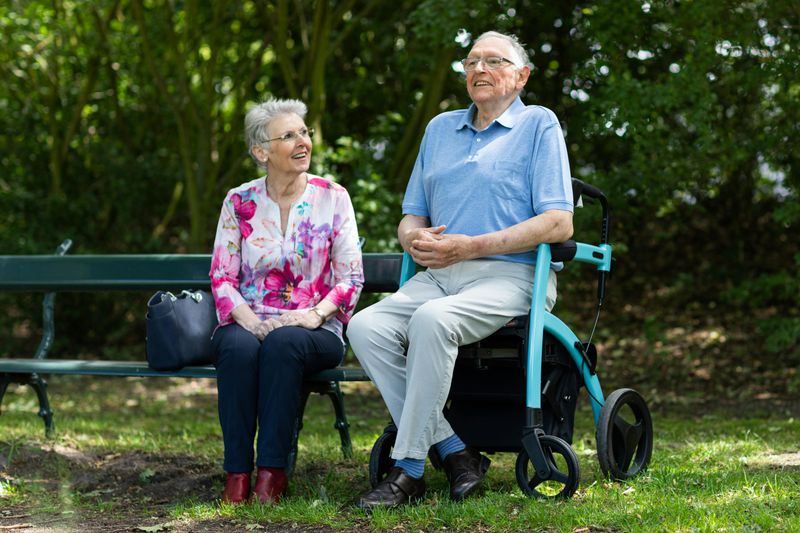
Long-term satisfaction is closely linked to couples who evolve together rather than drifting apart as life changes.
They remain flexible as roles shift through parenting, career transitions, health challenges, and the natural process of aging.
When life throws curveballs—job losses, relocations, empty nests, or retirement—they face these transitions as a united team, adjusting expectations and redistributing responsibilities as needed.
These partners understand that the person they married will grow and change, just as they will.
Instead of resisting that evolution, they stay curious and open, keeping their relationship dynamic, resilient, and alive across decades of inevitable transformation.
8. Intentional Relationship Maintenance

The Gottman Institute’s research shows that thriving long-term couples consistently invest effort into maintaining their connection.
They don’t take the relationship for granted or assume it will flourish without attention. Instead, they create shared rituals—like weekly date nights, morning coffee routines, or evening walks—that keep them close despite life’s demands and distractions.
They also nurture the partnership intentionally by celebrating milestones, expressing appreciation, and checking in about the relationship’s overall health.
This steady maintenance prevents small issues from escalating and ensures their bond stays strong, supported, and emotionally vibrant over the years.
9. Emotional Intimacy and Vulnerability

Enduring couples maintain closeness through openness, empathy, and emotional support that remains steady across decades.
They create a safe space where both partners can be fully vulnerable without fear of judgment or dismissal.
By sharing fears, insecurities, dreams, and disappointments, they continually deepen their bond while offering comfort during hard times and celebrating each other’s victories with genuine enthusiasm.
Physical intimacy matters, but emotional intimacy provides the glue that holds their relationship together.
Because they know each other’s inner worlds so well and keep sharing their evolving thoughts and feelings, they stay deeply connected through every stage of life.
10. Shared History and Mutual Support

Qualitative studies find that couples who stay together for decades anchor their bond in shared memories and experiences.
They’ve weathered storms side by side—raising children, facing losses, celebrating victories, and overcoming challenges that shaped their lives.
This shared history creates a deep connection no one else can replicate, giving them inside references and a profound appreciation for how far they’ve come together.
Through major life transitions, they’ve consistently offered each other stability, reassurance, and encouragement.
Whether dealing with illness, career changes, or family crises, this mutual support builds a lasting sense of security and partnership that deepens with time.
11. A Partnership-Oriented Mindset

Long-lasting couples see themselves as a team navigating life together rather than two individuals competing for their own interests.
They share responsibilities, make decisions jointly, and consistently prioritize the relationship’s well-being over personal ego.
This partnership mindset turns each person’s victories into shared celebrations and challenges into team efforts, eliminating the need to keep score or argue over who contributes more.
Instead, they move toward common goals with cooperation and mutual respect.
Whether facing big choices or small daily decisions, they consider the impact on both partners, creating a deep sense of unity, equality, and long-term commitment.