 MomSkoop

You’ve reached an age where priorities shift and quiet confidence takes over. This list celebrates the small but powerful freedoms women over 40 embrace – the relief of letting go and the joy of choosing themselves.
Read on to recognize which worries you can release and which new strengths you can own.
1. Other people’s approval

It used to feel urgent to get nods and praise from everyone, but that pressure loosens over time.
I stopped molding choices to suit others and started trusting my own judgment, which ironically made relationships more honest and less draining.
Now, approval from a few true friends matters more than applause from a crowd.
It’s freeing to wake up and make decisions based on values instead of seeking constant validation.
That shift opens space for authenticity, fewer apologies, and a calmer inner voice that guides actions without needing external permission.
2. Meeting unrealistic beauty standards
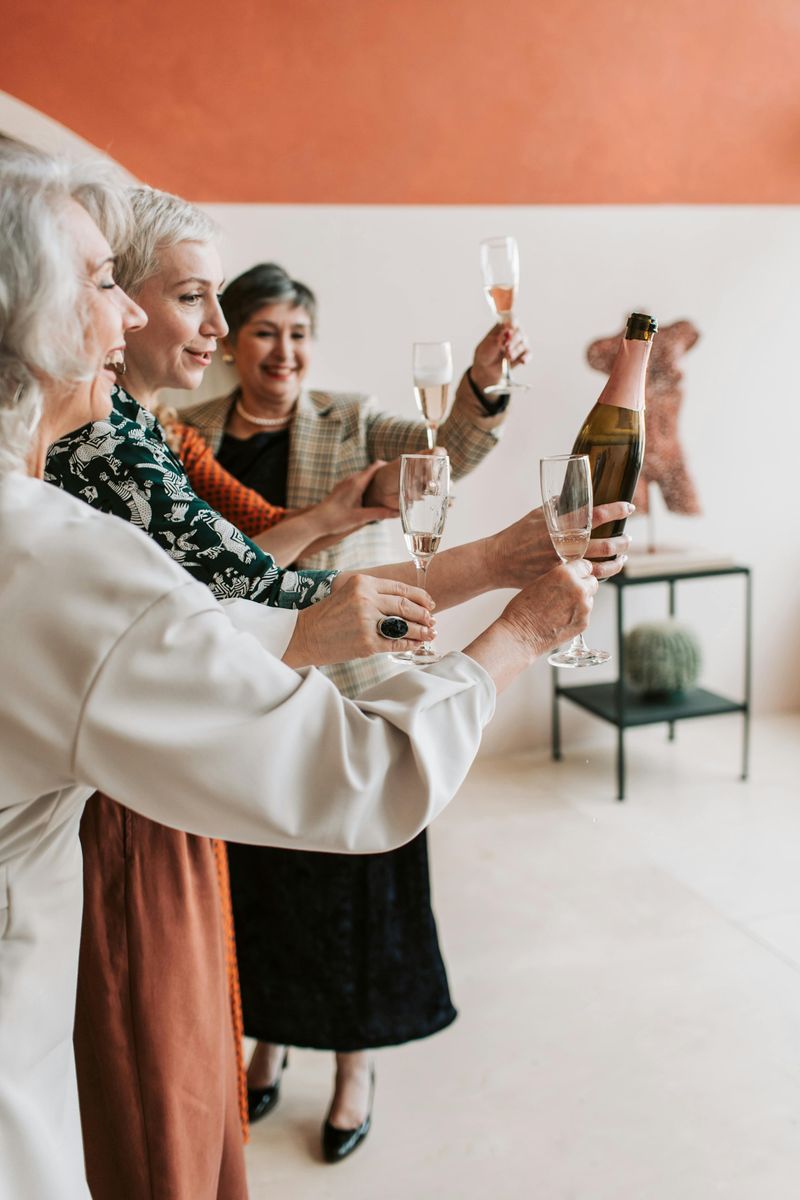
Chasing the ever-changing ideal felt exhausting and expensive for years, and then I realized comfort and health mattered more than a glossy image.
I prioritized skincare that nourishes, clothes that fit well, and routines that support energy, not perfection.
That choice reduced stress and made getting ready feel like self-care instead of armor.
When authenticity replaces comparison, confidence shows in posture and presence more than any trend.
Accepting natural changes and adapting routines is empowering-it’s about feeling good in your body, not pretending it still belongs to someone decades younger.
3. Being liked by everyone

I used to overextend myself trying to be universally liked, but that practice drains energy and dilutes authenticity.
As boundaries strengthened, it became clear that some people won’t connect and that’s okay; relationships should be mutual and nourishing.
Accepting that not everyone will like you felt surprisingly liberating and meant fewer obligations and more honest friendships.
Prioritizing quality over quantity reshaped social life into something intentional.
I now invest in people who reciprocate care and respect, and that grounds a calmer, more satisfying social world where genuine rapport matters more than universal approval.
4. Explaining their choices

I recall feeling compelled to justify decisions to anyone curious, but at this stage explanations are optional.
When choices align with personal values and goals, they require less defense and more confidence, which saves time and emotional energy.
Keeping reasons private can feel empowering and protect boundaries.
It’s not secrecy, just a recognition that some decisions are personal and need only the space to unfold.
Letting go of the urge to explain invites curiosity without obligation and creates room to pursue priorities with fewer interruptions and more inner clarity.
5. Keeping up with trends

Trends once dictated choices from hair to wardrobe, but now personal style leads the way.
I focus on what flatters, fits, and feels authentic instead of chasing every new fad that might not suit me or my lifestyle.
This shift creates a curated wardrobe and reduces decision fatigue and consumer waste.
Embracing signature pieces and timeless silhouettes makes dressing easier and more pleasurable.
When comfort and confidence guide choices, style becomes an expression of self rather than conformity, and that steadier approach saves money and fosters a clearer personal aesthetic.
6. Comparing themselves to others
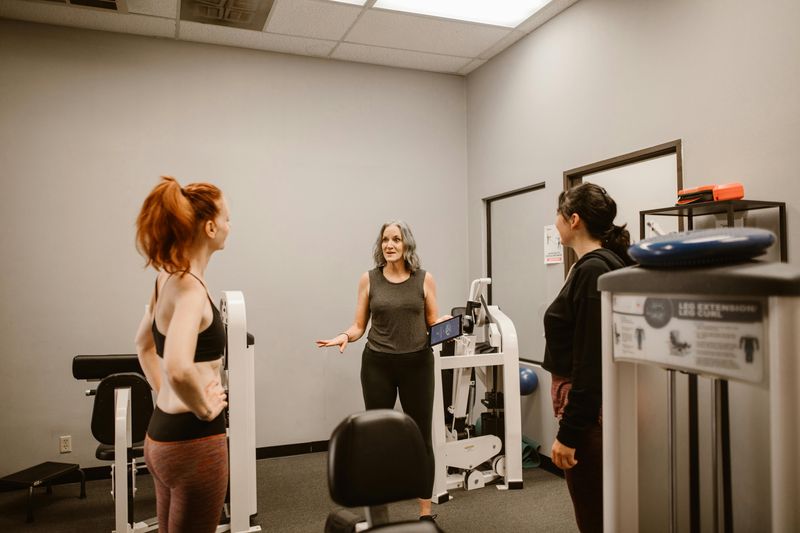
Comparison used to sneak in and distort progress, but measuring life against someone else’s highlight reel is less relevant now.
I track my goals and celebrate small wins, understanding that timelines differ and growth is personal.
Focusing inward reduces envy and boosts motivation to pursue meaningful achievements.
This perspective makes accomplishments feel earned and less like races against peers.
By honoring my path, I cultivate resilience and curiosity instead of competition.
Progress is about consistent steps, not dramatic leaps, and that steady forward motion feels both realistic and deeply satisfying.
7. Saying no

Setting boundaries used to feel confrontational, but saying no became a necessary skill to protect time and well-being.
I learned that declining obligations frees space for priorities and reduces resentment toward others and myself.
Polite refusals often lead to more respect and clearer expectations.
When I say no, it’s not rejection but a choice to preserve energy for what truly matters.
That practice supports healthier relationships and greater focus, and it’s reassuring to know bills, rest, and joy won’t be sacrificed to please everyone else.
8. Aging itself
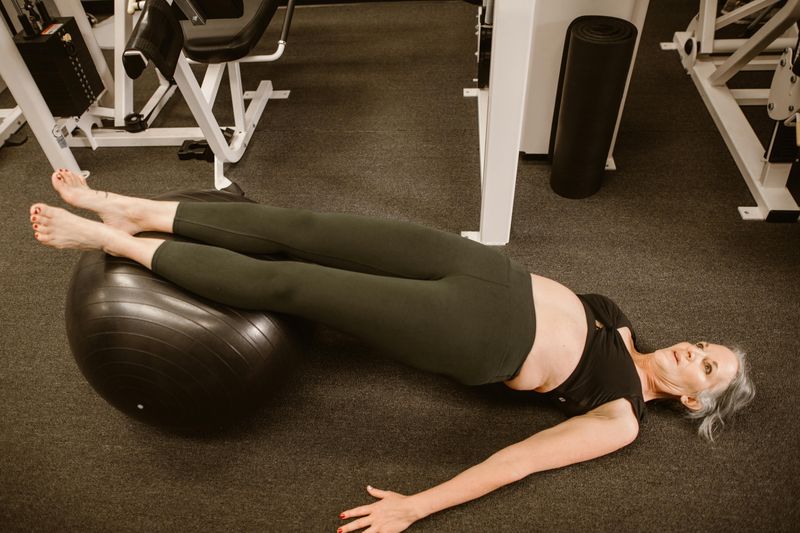
Fear of aging loses power when approached with curiosity and proactive care.
Instead of dreading changes, I focus on practices that enhance vitality and joy, like movement, sleep, and nourishing food, which feel empowering rather than punitive.
This mindset replaces anxiety with acceptance and practical choices that improve quality of life.
Viewing aging as a natural phase with opportunities for reinvention is uplifting.
It’s less about denying age and more about embracing strengths that come with experience, so the years ahead feel purposeful and richer than feared.
9. Perfection
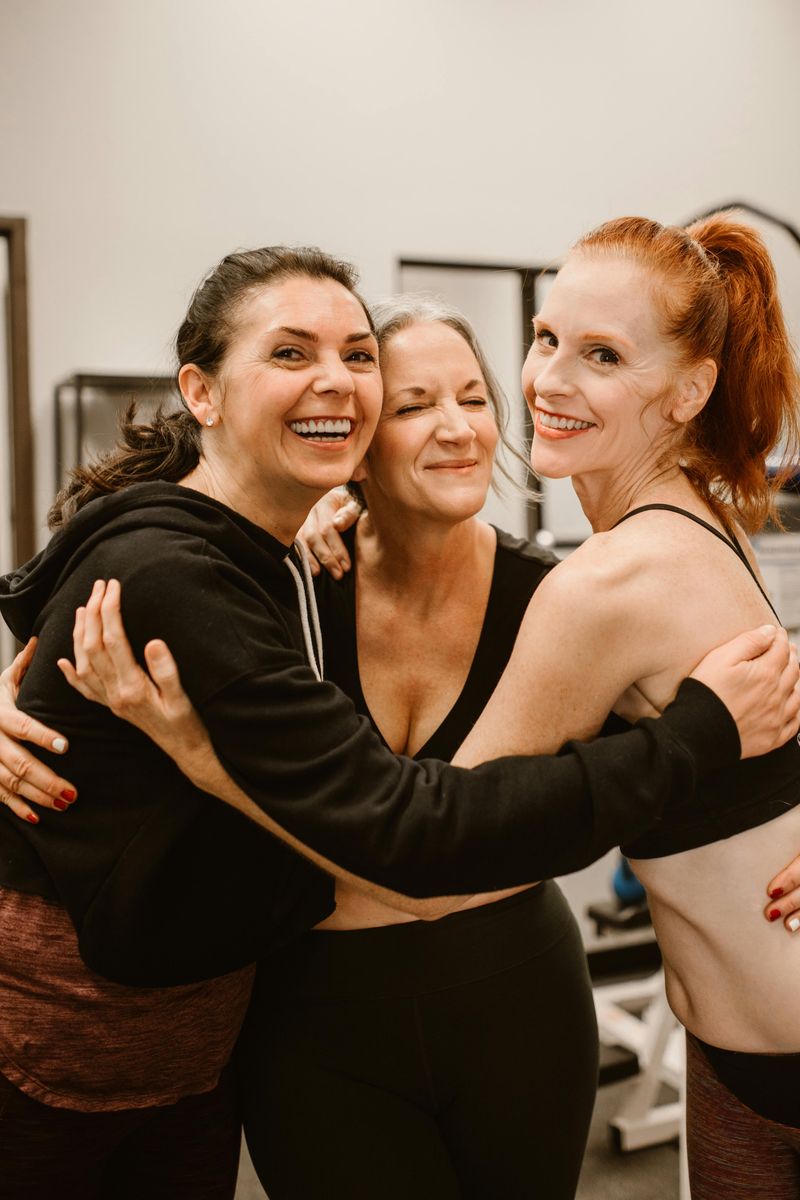
The pursuit of perfection once consumed time and energy, but aiming for excellence without unrealistic standards feels more sustainable.
I choose pragmatic progress and accept that “good enough” often gets things done with less stress and better balance.
Letting go of perfect outcomes fosters creativity and risk-taking because mistakes become learning moments instead of failures.
This change improves productivity and emotional well-being, as projects and relationships move forward without constant polishing.
Embracing imperfection leads to more authentic living and allows imperfections to reflect a life that’s actively lived, not merely curated.
10. Drama and unnecessary conflict

Drama used to hijack energy, but now peace is a higher priority than reacting to every provocation.
I choose calmer responses and step away from needless conflict to protect emotional bandwidth and maintain perspective.
That choice reduces stress and preserves relationships that matter by avoiding escalation.
Practicing restraint and seeking solutions instead of assigning blame creates healthier dynamics.
Opting out of petty disputes means more time for restorative activities and deeper connections, and it’s reassuring to experience how much lighter life feels when drama is no longer a central theme.
11. Starting over
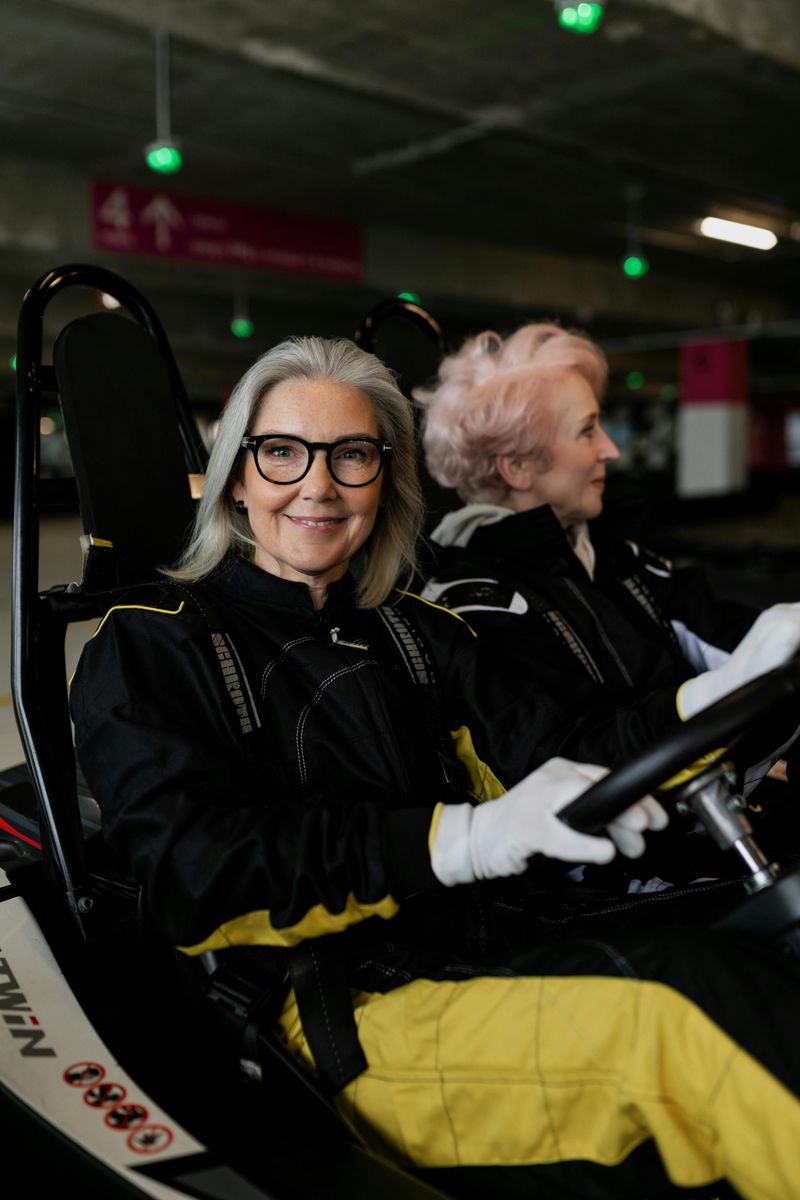
Starting anew once felt terrifying, but it now feels like a viable, often exciting option rather than a failure.
I’ve learned that reinvention can bring clarity and purpose, and that life chapters naturally shift as priorities evolve.
Knowing skills and experience travel with you makes change less daunting and more like a creative project.
Taking deliberate steps to pivot careers, relationships, or locations becomes an act of courage and self-respect.
Embracing new beginnings highlights resilience and reminds me that it’s never too late to pursue what matters most.