 MomSkoop

Traveling used to mean cramming into crowded hostels, surviving on instant noodles, and racing through cities just to tick them off a list. But as you grow, so does the way you wander.
Now it’s less about how many places you can squeeze into a month and more about how deeply you can connect with where you are.
These habits will help you travel with more intention, comfort, and joy—without losing your sense of adventure.
1. Prioritize Quality Over Quantity

Rushing through seven countries in two weeks might sound thrilling, but it often leaves you exhausted and disconnected. Spending more time in fewer places allows you to uncover hidden gems that guidebooks miss. You start recognizing faces at the local cafe, learning street names without a map, and understanding the rhythm of daily life.
Depth beats breadth every time. When you slow down, travel becomes less about bragging rights and more about genuine connection. You’ll remember the conversations, the quiet moments, and the feeling of truly belonging somewhere—even if just for a little while.
2. Book Stays That Nourish You

Gone are the days of sleeping in a bunk bed surrounded by strangers who snore. Choosing accommodations with character—like a boutique hotel tucked into a historic neighborhood or a charming Airbnb with a garden—can transform your entire trip. Comfort isn’t a luxury anymore; it’s a foundation for better experiences.
A good night’s sleep in a peaceful space means you wake up energized and ready to explore. Look for places with thoughtful design, friendly hosts, and locations that feel authentic. Your room should be a sanctuary, not just somewhere to crash after a long day.
3. Plan for Rest Days

Overpacking your itinerary is a recipe for burnout. Building in rest days gives your body and mind time to recharge. These are the mornings you sleep in without an alarm, the afternoons you spend people-watching in a park, or the evenings you cook a simple meal instead of dining out.
Rest doesn’t mean wasting time—it means creating space for spontaneity and reflection. Some of your best travel memories will come from unplanned moments that only happen when you’re not rushing. Balance movement with stillness, and your trip will feel more fulfilling and less like a marathon.
4. Invest in Local Experiences
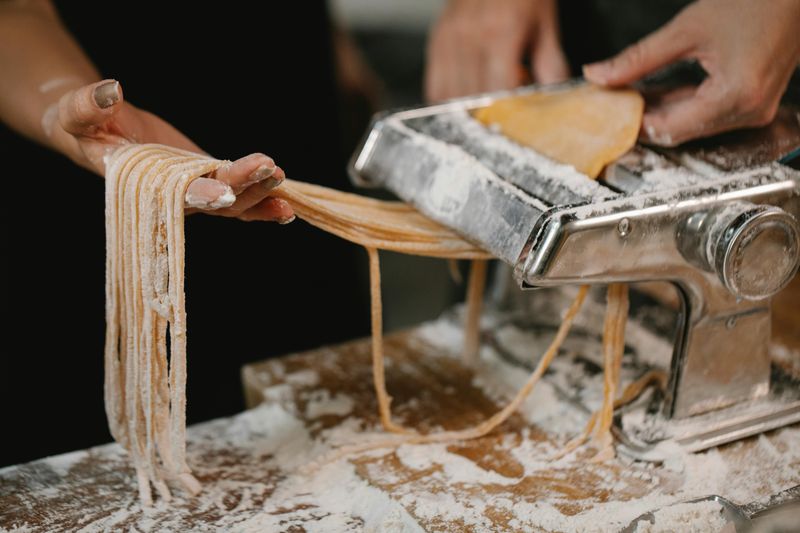
Bar crawls and pub tours have their place, but deeper experiences offer something more lasting. Taking a cooking class in Thailand, joining a pottery workshop in Morocco, or hiking with a local guide in Patagonia connects you to the culture in ways that sightseeing alone can’t. You’re not just observing—you’re participating.
These experiences often introduce you to locals who share stories, traditions, and perspectives you’d never encounter otherwise. They cost more than a free walking tour, but the memories and skills you gain are priceless. Choose activities that let you create, learn, and engage authentically.
5. Pack Smarter, Lighter, and Nicer

Your backpack no longer needs to burst at the seams with mismatched clothes and random souvenirs. A curated capsule wardrobe—think neutral tones, versatile pieces, and quality fabrics—makes packing easier and dressing more enjoyable. You’ll spend less time digging through your bag and more time actually enjoying your trip.
Investing in a few well-made items means they’ll last longer and look better in photos too. Choose clothes that transition from day to night, casual to dressy. Packing light isn’t about deprivation; it’s about freedom and simplicity that lets you move through the world with ease.
6. Eat with Intention

Food is no longer just fuel—it’s a gateway to understanding a place. Instead of surviving on cheap street snacks or instant noodles, seek out meals that tell a story. Visit the family-run restaurant locals recommend, try the regional specialty, or splurge on a tasting menu that highlights seasonal ingredients.
Eating well doesn’t always mean eating expensively. It means being thoughtful about where and what you choose. Share a meal with new friends, ask your host for recommendations, or take a food tour to learn the history behind the dishes. Every bite becomes part of the adventure.
7. Choose Experiences Over Checklists
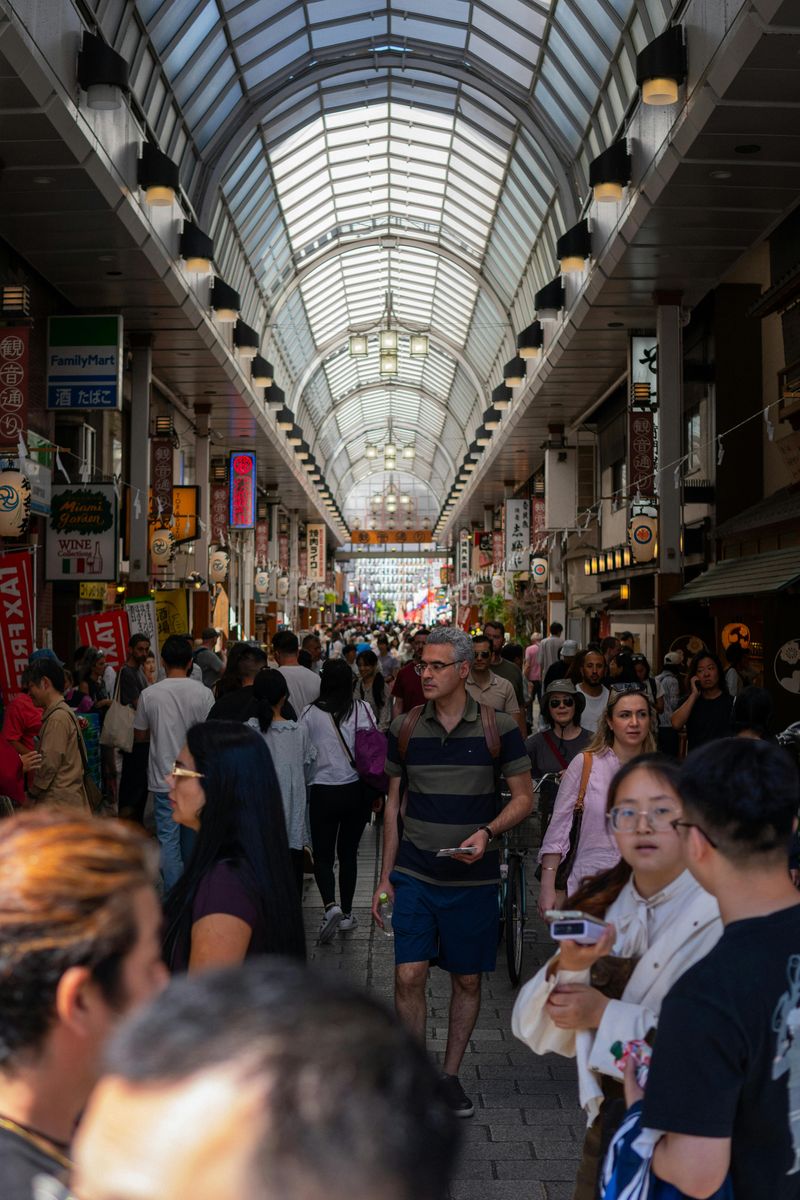
Visiting every landmark in a city can leave you feeling rushed and disconnected. Instead of chasing must-see lists, focus on what genuinely excites you. Maybe it’s wandering a neighborhood without a map, attending a live music performance, or spending an afternoon at a local market soaking in the sounds and smells.
Meaningful travel isn’t about quantity—it’s about quality and presence. When you stop treating destinations like tasks to complete, you open yourself up to serendipity and deeper engagement. Follow your curiosity, not a guidebook, and you’ll create memories that actually matter to you.
8. Spend More on Convenience Strategically

Time is your most valuable resource now. A direct flight might cost more, but it saves you hours of layovers and exhaustion. A private transfer from the airport means you arrive at your hotel refreshed instead of stressed from navigating public transport with luggage. These small upgrades make a big difference.
Strategic spending isn’t about being wasteful—it’s about being intentional. Identify where convenience adds real value to your trip and where it doesn’t. Maybe you skip the fancy dinner but pay extra for a comfortable seat on a long train ride. Choose wisely, and your travel becomes smoother and more enjoyable.
9. Stay Connected to Your Well-Being
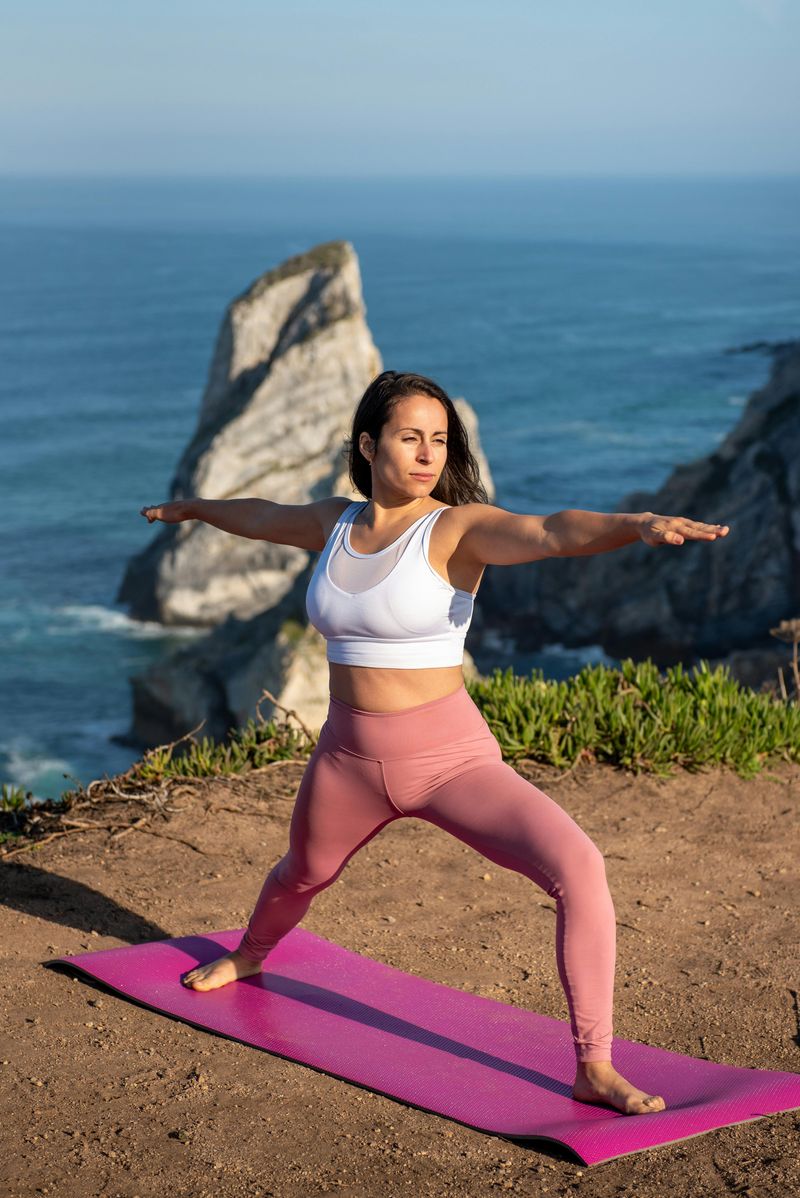
Travel can disrupt your routines, but it doesn’t have to throw your body and mind off balance. Carving out time for meditation, stretching, or journaling helps you stay grounded no matter where you are. Even ten minutes in the morning can set a positive tone for the entire day.
Prioritizing well-being means listening to your body’s needs. Maybe that’s taking a yoga class, going for a morning jog, or simply sitting quietly with your thoughts. When you feel good physically and mentally, you’re more present and open to the experiences around you. Self-care isn’t selfish—it’s essential.
10. Travel Slower and Smarter

Hopping on a plane every few days might seem adventurous, but it’s exhausting and unsustainable. Staying in one place longer reduces your carbon footprint, saves money, and allows you to build real connections. You’ll discover neighborhood rhythms, make friends, and feel less like a tourist and more like a temporary local.
Sustainable travel is the new luxury. It’s about respecting the places you visit and leaving them better than you found them. Choose trains over flights when possible, support local businesses, and be mindful of your environmental impact. Traveling slower means traveling smarter and more responsibly.
11. Savor Solitude and Space

You don’t need to be surrounded by people or packed into tourist hotspots to feel alive. Some of the most transformative travel moments happen in solitude—watching the sunrise alone, journaling in a quiet cafe, or hiking a trail with only your thoughts for company. Silence and space allow for reflection and self-discovery.
Embracing solitude doesn’t mean avoiding connection; it means choosing it intentionally. When you’re comfortable being alone, you appreciate interactions more deeply. Quiet moments recharge your spirit and remind you why you travel in the first place—to explore not just the world, but yourself too.