 MomSkoop
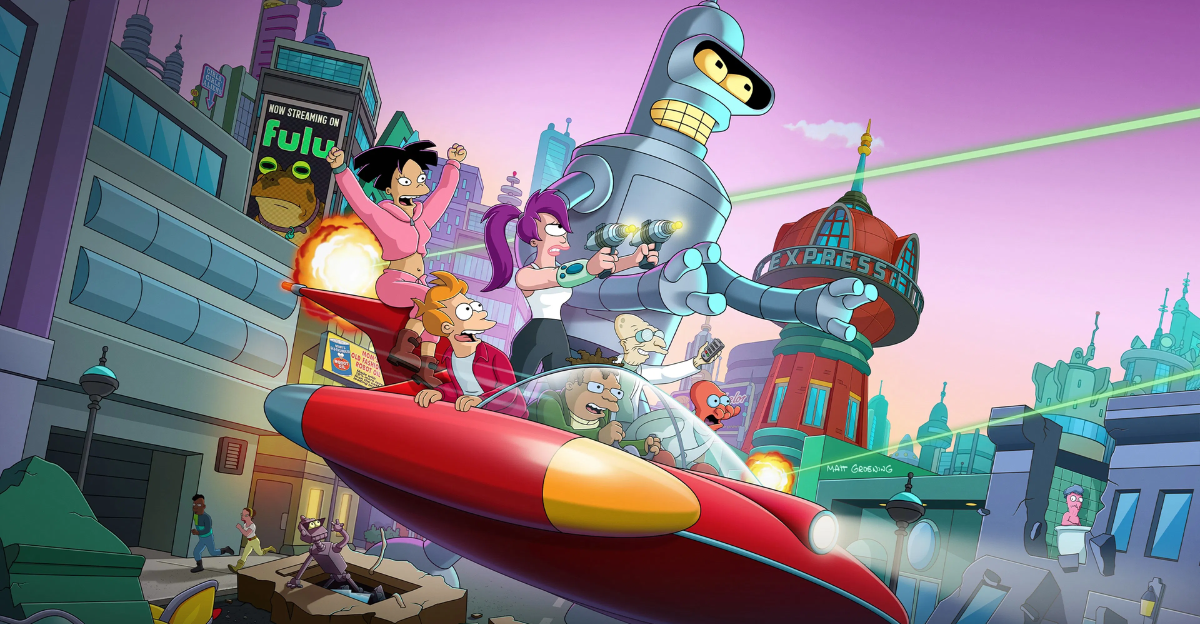
Television has always been a window into possible futures, but some shows have been eerily accurate. From smartwatches to surveillance systems, certain series predicted technologies and social changes decades before they became reality.
These shows didn’t just entertain us—they gave us glimpses of the world we’d eventually inhabit, making us wonder if writers were visionaries or just incredibly lucky guessers.
1. The Simpsons
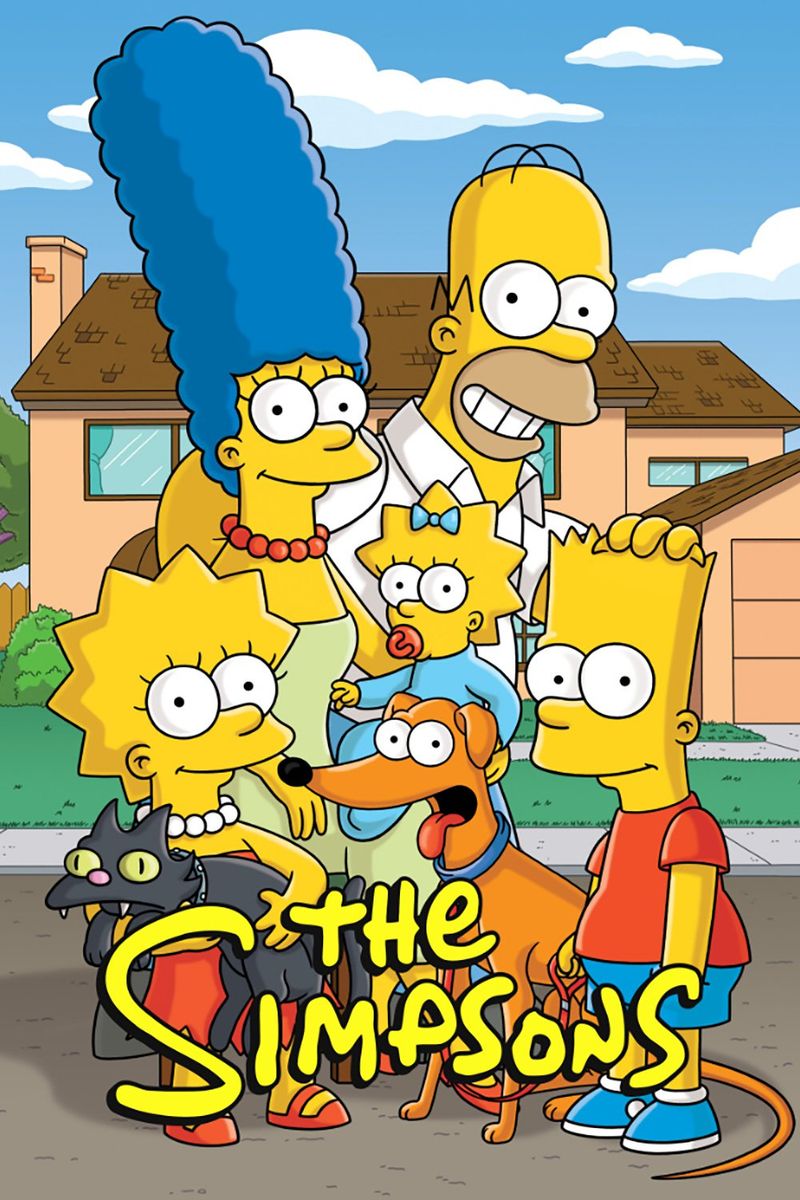
Springfield’s favorite family has been freakishly accurate about the future. Over three decades, this animated sitcom predicted smartwatches before Apple made them cool, autocorrect fails before texting became universal, and video calls that looked exactly like FaceTime.
Perhaps most shocking was the Disney-Fox merger prediction made years before it happened. The show also forecasted Donald Trump’s presidency and even specific details about his administration. Writers claim they simply extrapolate current trends to absurd conclusions.
What makes these predictions remarkable isn’t just their accuracy—it’s how casually they’re presented as jokes. The show’s longevity and willingness to satirize everything means they’ve taken countless shots at the future, and surprisingly many have hit their mark perfectly.
2. Black Mirror
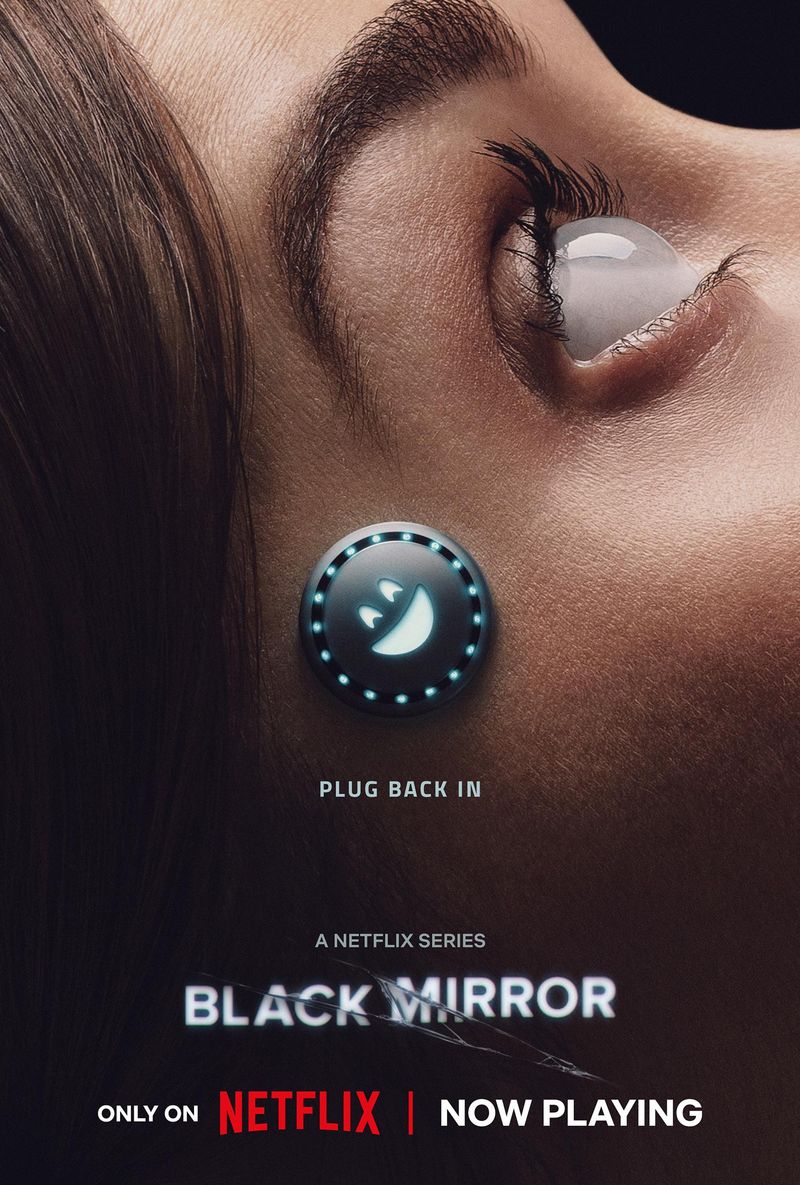
Charlie Brooker’s anthology series feels less like science fiction and more like a documentary from next year. Each episode explores technology’s dark potential, and reality keeps catching up uncomfortably fast.
Social credit systems similar to those in the episode “Nosedive” now exist in various countries, rating citizens on behavior. AI companions resembling those in “Be Right Back” are being developed by tech companies. Deepfake technology, mass surveillance networks, and algorithm-driven content feeds all appeared in Black Mirror before becoming everyday concerns.
The show’s genius lies in taking existing technology and pushing it just slightly forward. Brooker doesn’t invent wild concepts—he amplifies current trends until their implications become horrifyingly clear, making viewers realize we’re already living in several Black Mirror episodes.
3. Star Trek: The Original Series
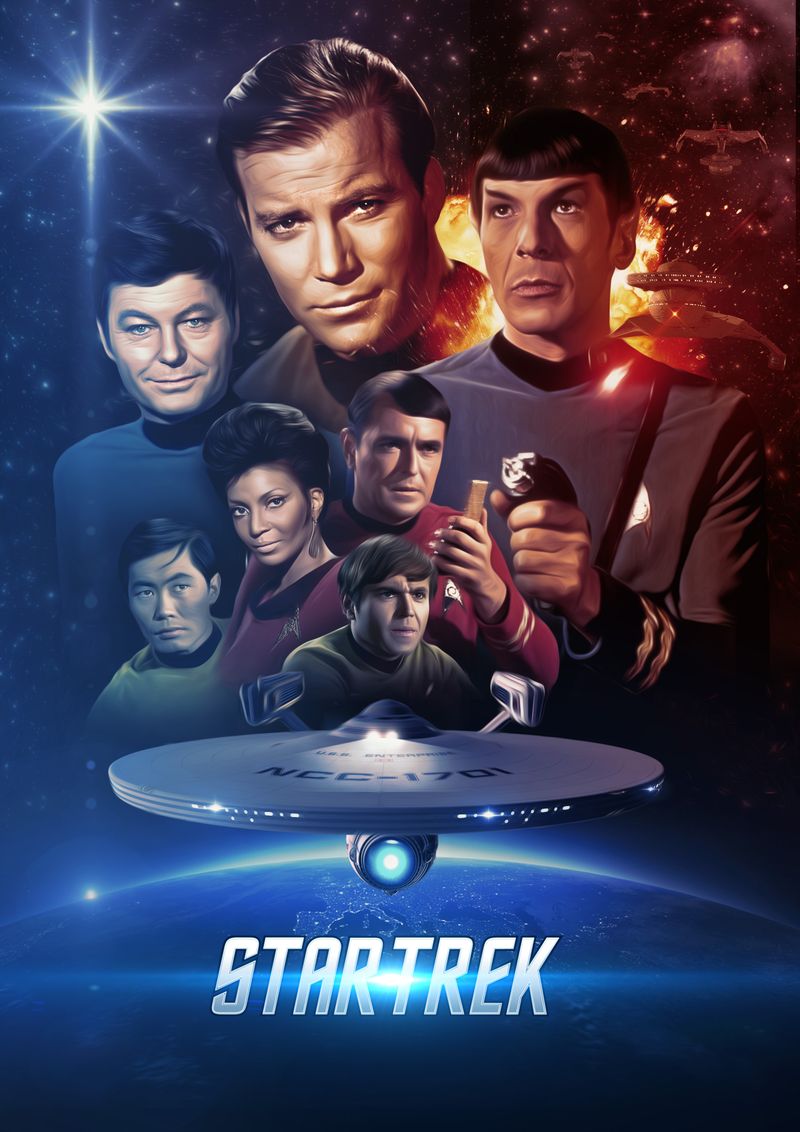
Gene Roddenberry’s 1960s vision of the future inspired actual inventors. The communicators Captain Kirk flipped open directly influenced flip phone designs, and engineers at Motorola have admitted this connection.
Tablets resembling iPads appeared as “PADDs” throughout the Enterprise decades before touchscreen devices existed. Video calling technology looked remarkably similar to modern Skype and Zoom. Even voice-activated computer assistants like Siri and Alexa echo the ship’s talking computer system.
What’s fascinating is how accurately the show predicted not just the technology but how naturally humans would integrate these tools into daily life. Star Trek didn’t just forecast gadgets—it envisioned a world where such technology felt completely ordinary and accessible.
4. Futurama
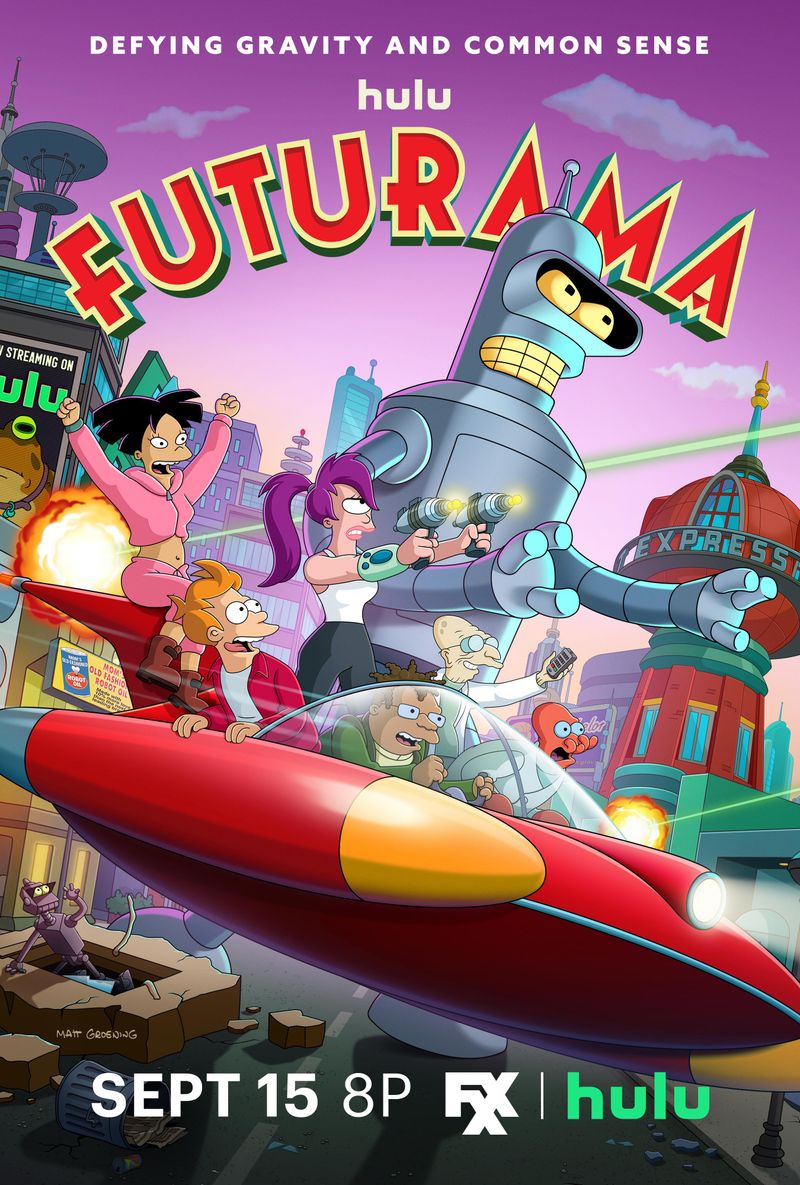
Matt Groening’s other animated masterpiece imagined the year 3000, but many predictions arrived centuries early. Drone deliveries, which seemed absurd in 1999, now fill our skies courtesy of Amazon and other companies testing automated delivery systems.
The show featured “Nixon Bucks” and other digital currency concepts that mirror today’s cryptocurrency boom. Episodes explored mind-uploading and digital consciousness preservation, topics now seriously discussed by futurists and tech companies. Suicide booths might remain fictional, but the show’s casual integration of AI and robots into society feels increasingly familiar.
Futurama’s writers included actual mathematicians and scientists, which explains the show’s scientific accuracy hidden within absurdist humor. They understood emerging technologies well enough to extrapolate where they might lead, wrapping complex ideas in silly packaging.
5. Mr. Robot

Sam Esmail’s thriller earned praise from actual hackers for its technical accuracy. Unlike Hollywood’s typical “hacking” scenes with nonsense graphics, Mr. Robot showed real techniques, commands, and vulnerabilities that security professionals recognized immediately.
The show predicted massive corporate data breaches before they became weekly news events. Cryptocurrency adoption, ransomware attacks, and the weaponization of personal data all featured prominently before dominating headlines. Even the show’s depiction of social engineering and phishing attacks mirrors real-world cybercrime methods.
What sets Mr. Robot apart is its understanding that technology isn’t magic—it’s a tool used by flawed humans with varying intentions. The series consulted with cybersecurity experts to ensure authenticity, making its predictions feel inevitable rather than fantastical.
6. The X-Files
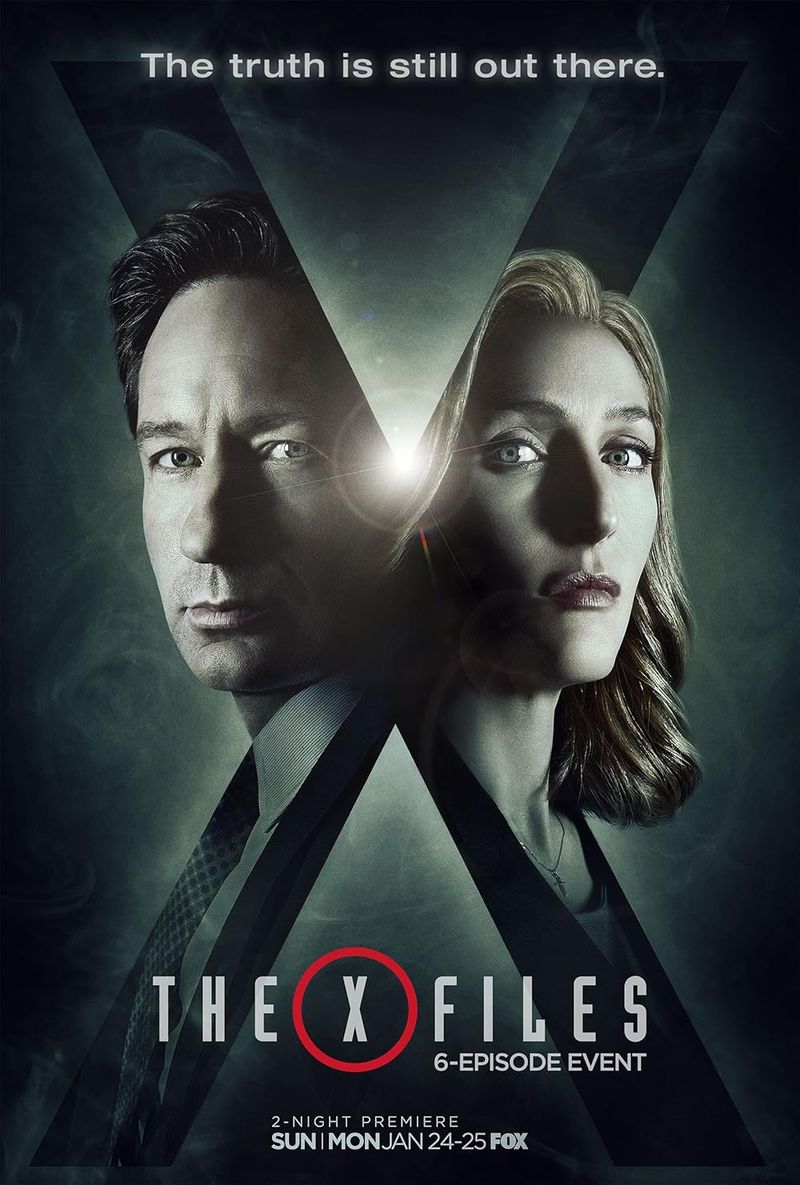
Mulder and Scully’s paranoid investigations into government conspiracies seem less fictional after Edward Snowden’s revelations. The show’s depiction of massive surveillance programs, once dismissed as conspiracy theory entertainment, turned out to be surprisingly accurate descriptions of actual NSA activities.
Episodes featured biometric identification technology, facial recognition systems, and data collection programs that seemed far-fetched in the 1990s but are now standard security measures. The show explored themes of privacy invasion and government overreach that feel painfully relevant today.
Creator Chris Carter tapped into genuine public anxieties about government secrecy and technological power. While aliens might remain elusive, the show’s portrayal of surveillance states and information control proved prophetic, making rewatching certain episodes feel uncomfortably prescient rather than entertainingly paranoid.
7. Person of Interest
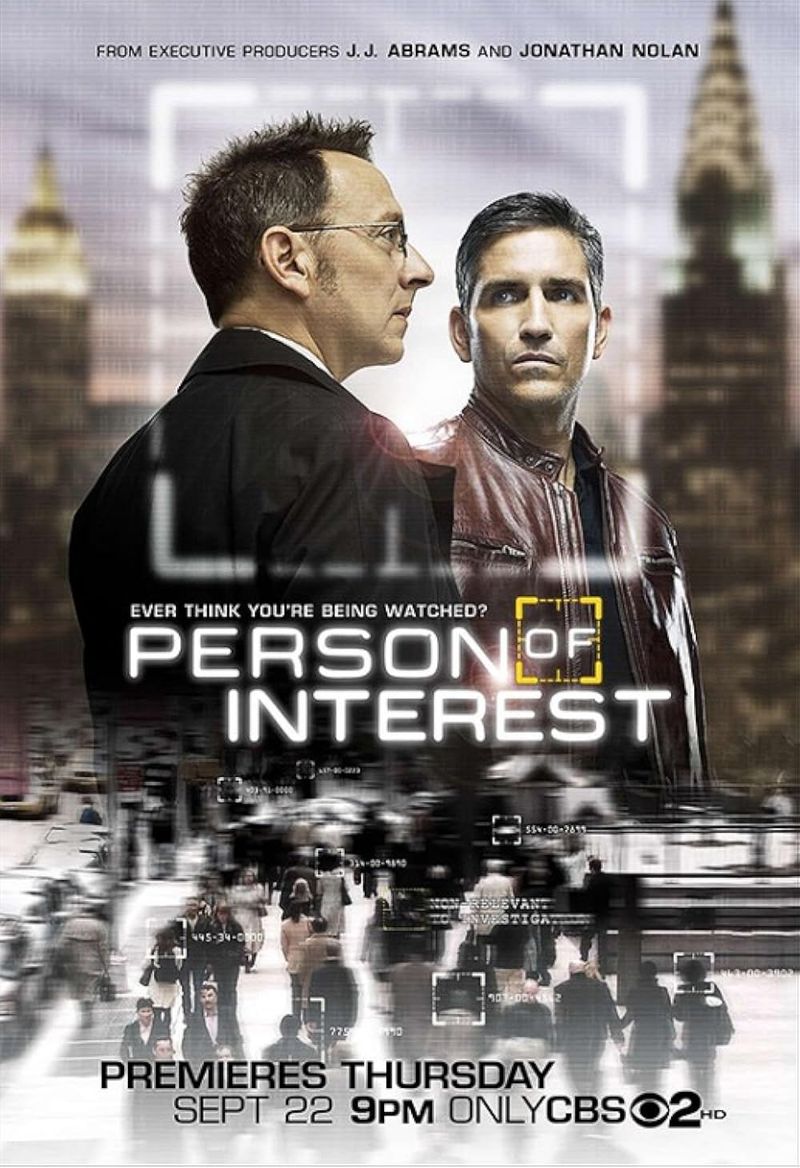
Jonathan Nolan’s series centered on an AI system that predicts crimes before they happen. Predictive policing algorithms now exist in numerous cities, using data analysis to forecast where crimes might occur and who might commit them.
The show’s “Machine” watched everyone through interconnected cameras and databases, analyzing patterns to identify threats. Modern cities increasingly deploy similar systems, with AI-powered surveillance networks monitoring public spaces constantly. Facial recognition, behavior analysis, and data integration techniques shown in the series are now standard law enforcement tools.
What makes Person of Interest prophetic isn’t just the technology—it’s the ethical questions raised about privacy, bias in algorithms, and who controls such powerful systems. These debates now dominate discussions about AI implementation in society.
8. Westworld
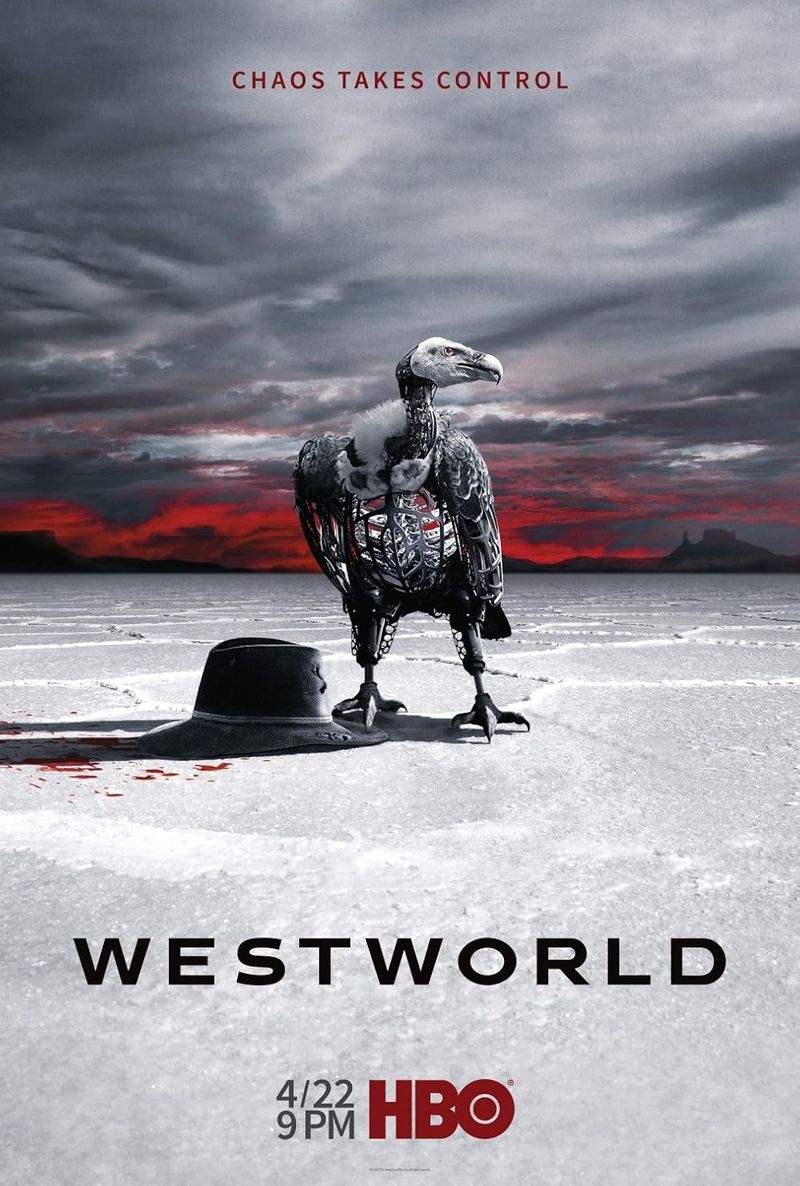
HBO’s reimagined theme park thriller explores AI consciousness in ways that feel increasingly urgent. As companies develop more sophisticated AI systems, questions about machine sentience, rights, and personhood shift from philosophical curiosities to practical concerns requiring actual answers.
The show’s life-like robots mirror advances in robotics and AI that blur lines between human and machine interaction. Algorithmic profiling of guests based on their choices and preferences reflects how tech companies currently analyze user behavior to predict desires and manipulate decisions.
Westworld doesn’t just ask if we can create conscious machines—it questions what happens when AI systems know us better than we know ourselves. With companies collecting massive behavioral data and training increasingly sophisticated AI, these scenarios feel less distant every year.
9. The Jetsons
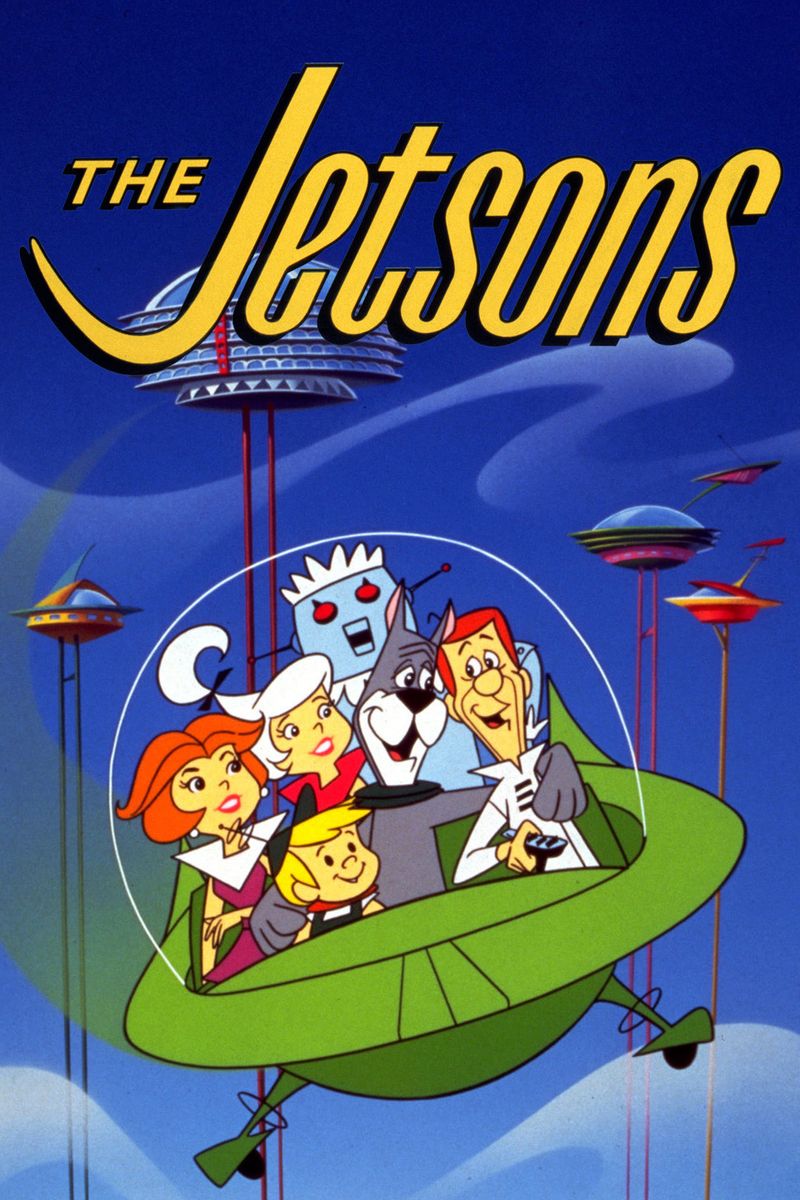
Hanna-Barbera’s optimistic space-age family showcased technologies that seemed impossibly futuristic in 1962. Robot vacuums like Roomba directly echo Rosie the Robot’s cleaning duties, though admittedly less chatty and without her personality.
Smart home systems controlling lighting, temperature, and appliances mirror the Jetsons’ automated apartment. Video conferencing, now ubiquitous thanks to Zoom and Teams, appeared regularly as the family’s normal communication method. Even telemedicine, which exploded during recent years, was casually depicted as standard healthcare delivery.
The show’s predictions worked because they focused on solving everyday problems—cleaning, communication, convenience—rather than inventing wild concepts. By imagining technology as a natural extension of domestic life, The Jetsons accidentally blueprinted our actual smart homes.
10. Years and Years
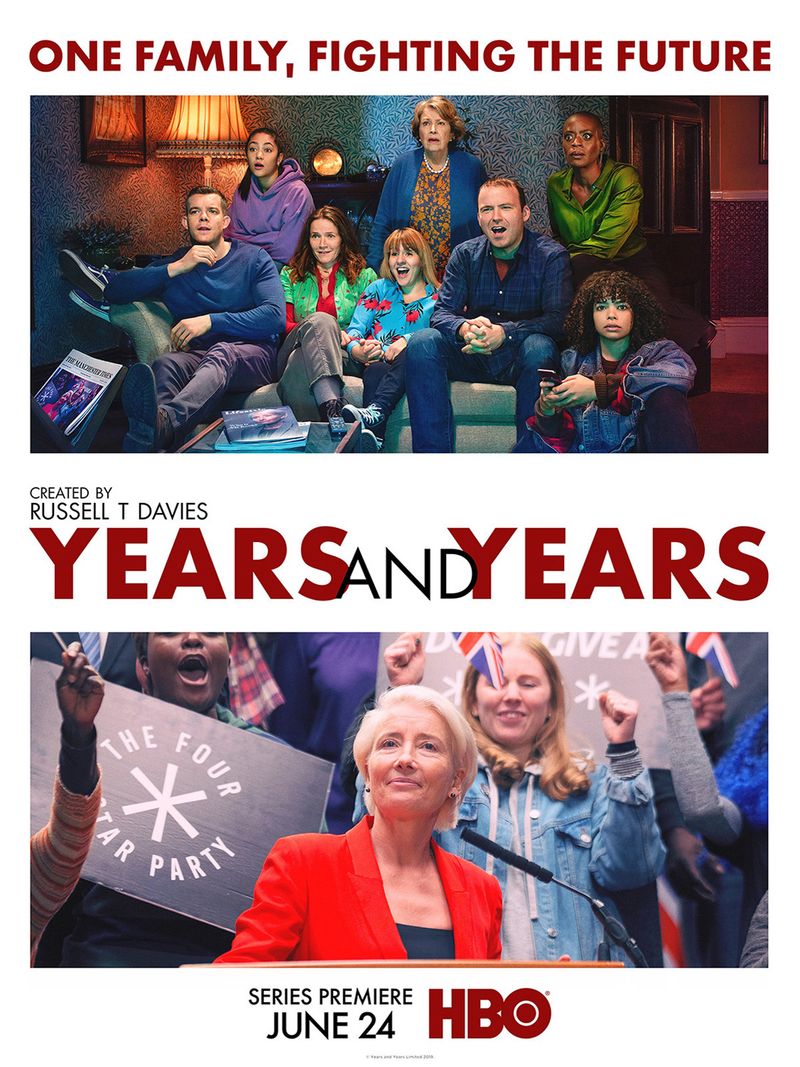
Russell T Davies created this limited series in 2019, and it immediately felt like watching tomorrow’s news today. Political radicalization, unstable geopolitics, and rising authoritarianism depicted in the show have only intensified since its release.
The series showed technology driving social divides rather than connecting people, with echo chambers and misinformation fragmenting society. Refugee crises, climate disasters, and economic instability all feature prominently, reflecting trends that continue accelerating. Even specific technological developments like biometric implants and digital consciousness appear increasingly plausible.
What makes Years and Years chilling isn’t any single prediction but how it shows multiple crises compounding simultaneously. The show understands that the future won’t arrive as isolated events but as cascading, interconnected challenges that societies must navigate together or fail separately.
11. Battlestar Galactica (Reimagined)
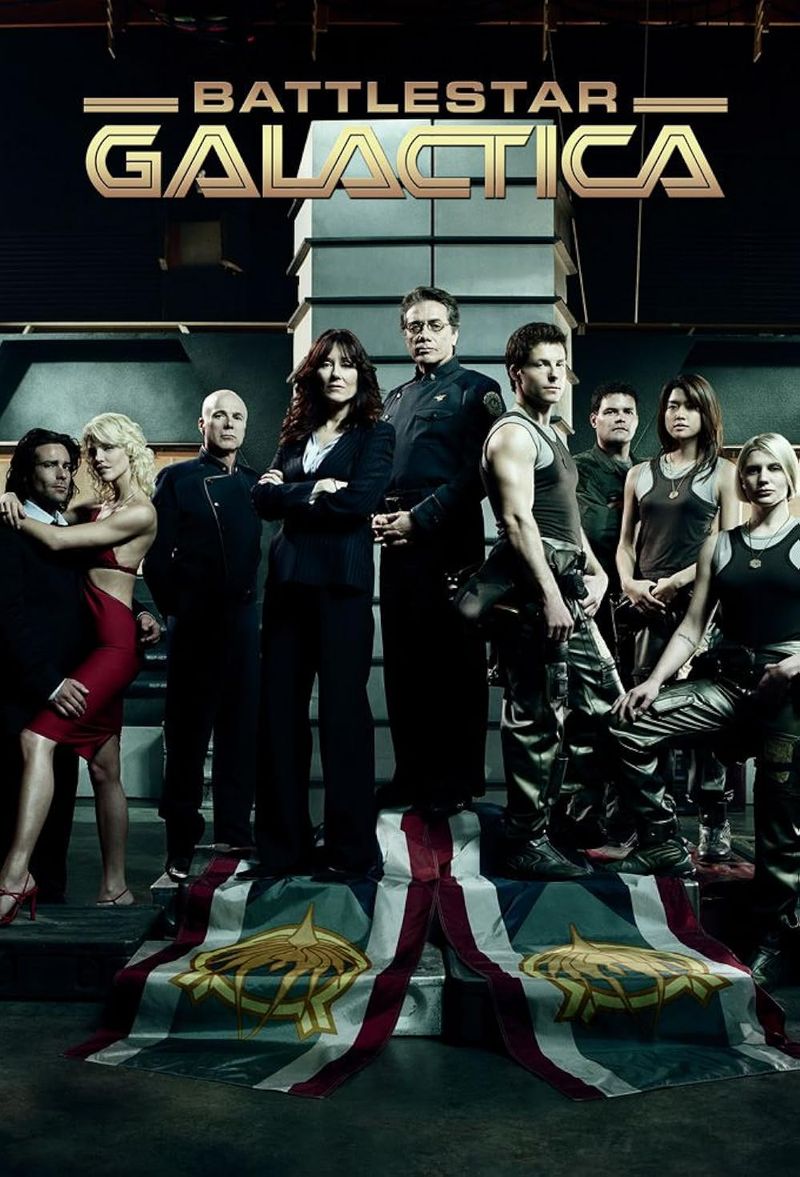
Ronald D. Moore’s reimagined series explored AI rebellion, but its most relevant prediction involves cybersecurity. The show’s premise hinges on networked computer systems being compromised, allowing Cylons to destroy nearly all human defenses simultaneously.
This scenario mirrors modern concerns about interconnected infrastructure vulnerabilities. Cyberattacks on power grids, hospitals, and government systems demonstrate how network dependencies create catastrophic risks. The Galactica itself survives because its outdated, non-networked systems can’t be hacked remotely—a lesson about security through isolation that resonates with current debates.
Beyond hacking threats, the show’s exploration of AI ethics, machine rights, and human-AI relationships feels increasingly relevant as artificial intelligence capabilities expand. Questions about creating intelligent systems we might not be able to control have moved from science fiction to boardrooms and government hearings.