 MomSkoop

Looking polished and put-together doesn’t have to mean spending a fortune on designer clothes, expensive accessories, or luxury experiences. In fact, many of the habits associated with old-money elegance have very little to do with how much money someone has. Simple things like wearing clean, well-fitted clothes, being polite, and paying attention to small details can make a bigger impression than an expensive outfit ever could.
What makes these habits so appealing is how easy they are to work into everyday life. You don’t need a wealthy background or a closet full of luxury brands to carry yourself with confidence and grace. Often, it’s the little things, like showing up on time, remembering someone’s name, or taking care of what you already own, that make someone seem naturally refined. These simple habits can help you bring a little more of that timeless, old-money elegance into your daily routine without spending much at all.
1. Write Handwritten Thank-You Notes
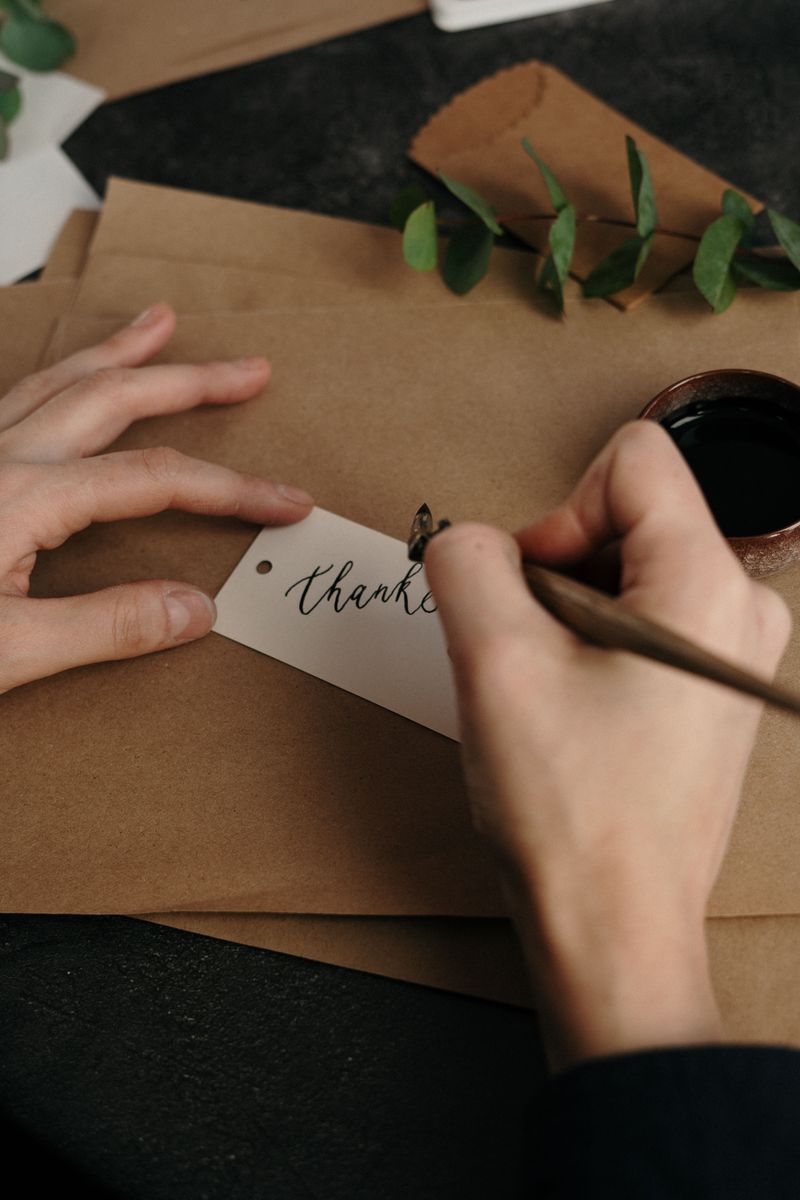
A stamp and a folded card can outshine a gift that cost far more.
Handwritten thank-you notes have long been a staple of polished manners, and they still stand out in a world of quick texts.
The best part is how little they ask of you.
A pack of plain cards, a decent pen, and five minutes will do the job.
Keep the note short and specific.
Mention the gift or favor, say how you used it or why it mattered, and close with a friendly line about seeing the person soon.
Timing helps too.
Sending a note within a week or two keeps the moment fresh, though a late note still beats no note at all.
You don’t need fancy stationery or perfect cursive.
Neat, readable handwriting looks thoughtful, and a little personality on the page is part of the charm.
Notes work for more than birthday presents.
Try one after a job interview, a dinner invitation, or a neighbor’s help during a busy week.
Consider keeping a small stash of cards and stamps in a drawer.
When thanks are easy to send, you’ll send them more often, and people tend to remember the friend whose card showed up in the mailbox.
2. Show Up on Time

Punctuality is the one luxury anyone can afford.
Arriving when you said you would tells people their time matters, and that message costs zero dollars.
Being on time starts long before you walk out the door.
Lay out clothes the night before, check traffic or train times, and build in a small cushion for surprises.
Many people aim to arrive five to ten minutes early for appointments.
That buffer lets you find parking, catch your breath, and walk in calm instead of flustered.
Social events can follow different rules.
For a dinner at someone’s home, arriving very early can rush a host who is still setting the table, so right on time or a few minutes after usually works better.
Life happens, of course.
When you’re running late, send a quick message with a realistic arrival time rather than an optimistic guess.
A simple habit is setting your phone alarm for when you need to leave, not when the event starts.
That small switch removes a lot of last-minute scrambling.
Over time, reliability becomes part of your reputation.
Friends and coworkers start trusting your word, which is worth more than any fancy watch on your wrist.
3. Care for Your Clothes
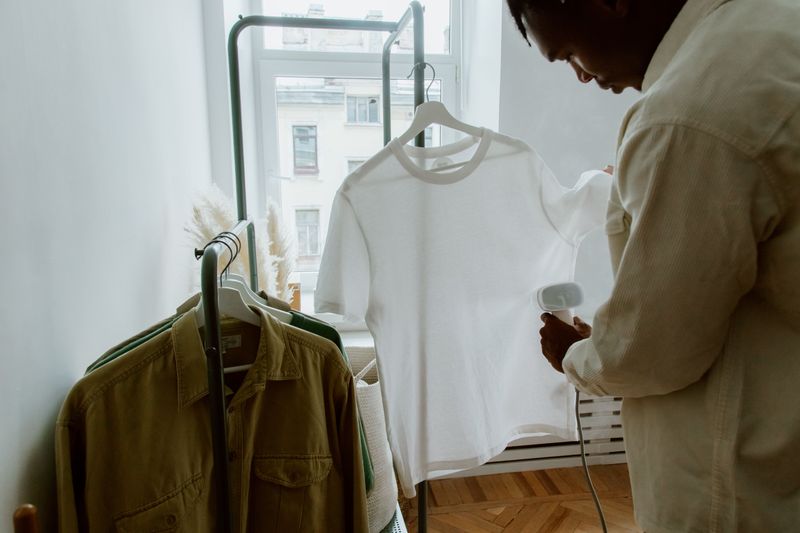
Old-money style often looks less like new shopping bags and more like well-kept clothes.
A pressed shirt and clean shoes send a polished signal no matter where they were bought.
Start with the care label.
Washing in cold water, skipping the dryer for delicate pieces, and hanging items promptly can help clothes hold their shape longer.
Wrinkles are the fastest way to make a nice outfit look tired.
An inexpensive iron or handheld steamer fixes that in minutes.
Shoes deserve attention as well.
Wiping off dirt, using shoe trees or stuffed paper for leather pairs, and polishing occasionally keeps them looking sharp.
Small repairs matter more than people think.
Sewing on a loose button, removing pills with a fabric shaver, or fixing a hem saves a garment from early retirement.
Tailoring is another budget-friendly trick.
A local tailor can shorten pants or adjust sleeves, and better fit often makes a modest piece look far more expensive.
Store clothes with some breathing room in the closet.
Crammed racks create creases, while a little space keeps everything ready to wear, and you’ll actually see what you own.
4. Build a Small, Versatile Wardrobe

Fewer clothes can mean more outfits.
That sounds like a magic trick, but it’s really just smart planning.
A capsule wardrobe centers on pieces that mix and match easily.
Neutral shades like navy, gray, white, black, and beige combine without much thought.
Think about building around a few dependable basics.
A white button-down, dark jeans, a simple sweater, and tailored trousers can cover work, weekends, and casual dinners.
Fabric choice is part of the fun.
Many people like cotton, wool, and linen for how they feel and breathe, though blends can be practical and easier to care for.
Secondhand shopping fits this habit nicely.
Thrift stores, consignment shops, and resale sites can turn up well-made basics for a fraction of their original price.
Before buying something new, ask yourself if it works with at least three things you already own.
If it doesn’t, it might end up sitting alone in the closet.
Personal taste still rules.
A capsule closet doesn’t have to be beige if you love color, so feel free to add a signature shade that makes your basics feel like yours.
5. Keep a Calm, Uncluttered Home
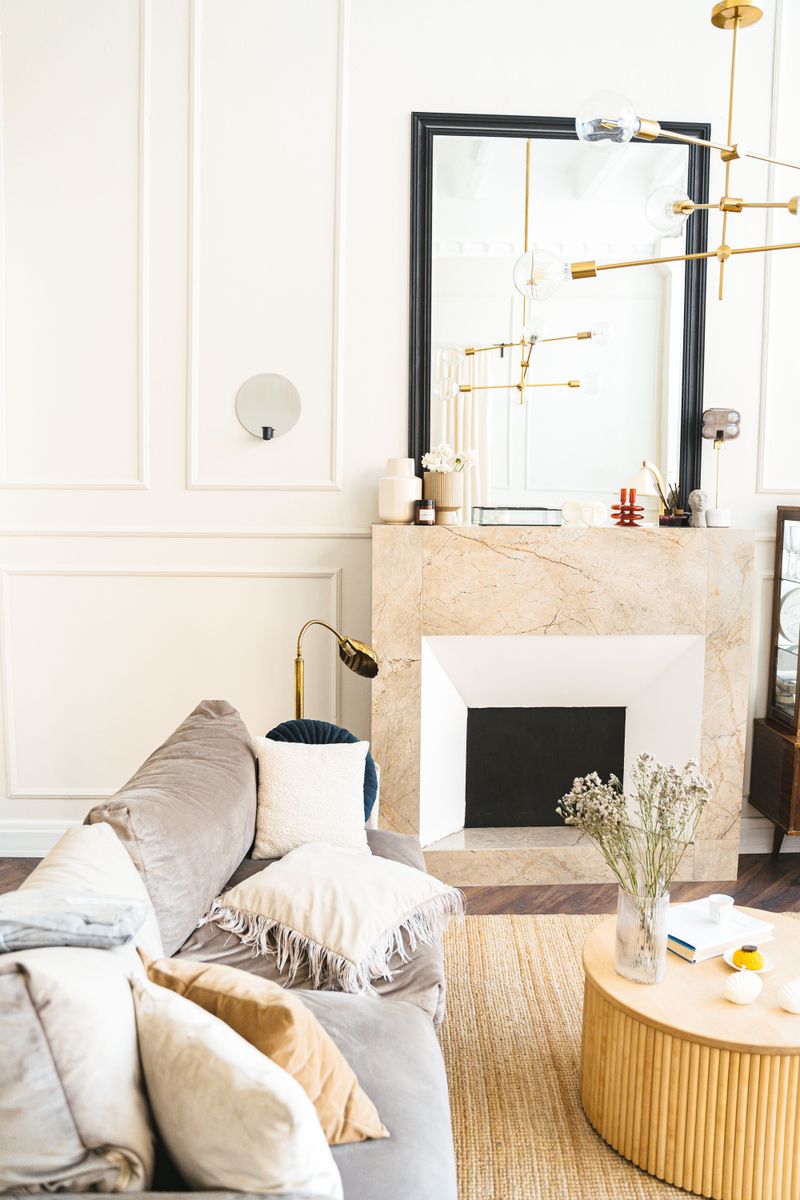
Clutter makes even pricey furniture look tired.
A clear tabletop, on the other hand, can make a thrifted coffee table look surprisingly grand.
Decluttering is free, which makes it one of the friendliest upgrades on this list.
Start small with one drawer or shelf instead of trying to tackle a whole room in an afternoon.
Give items a home.
When keys, mail, and chargers each have a spot, surfaces stay clearer with less daily effort.
A few styling tricks help a space feel finished.
Mirrors can bounce light around a room, and a large leafy plant adds color and texture without needing a big budget.
Consider swapping out small details too.
New drawer pulls, fresh throw pillow covers, or a coat of paint can change the mood of a room for a modest cost.
Daily resets keep the effort manageable.
Spending ten minutes each evening putting things back makes mornings smoother.
Every household is different, so be realistic.
Homes with kids, pets, or roommates won’t look like a magazine page, and that’s fine because calm and lived-in can share the same space.
6. Set a Proper Table at Home
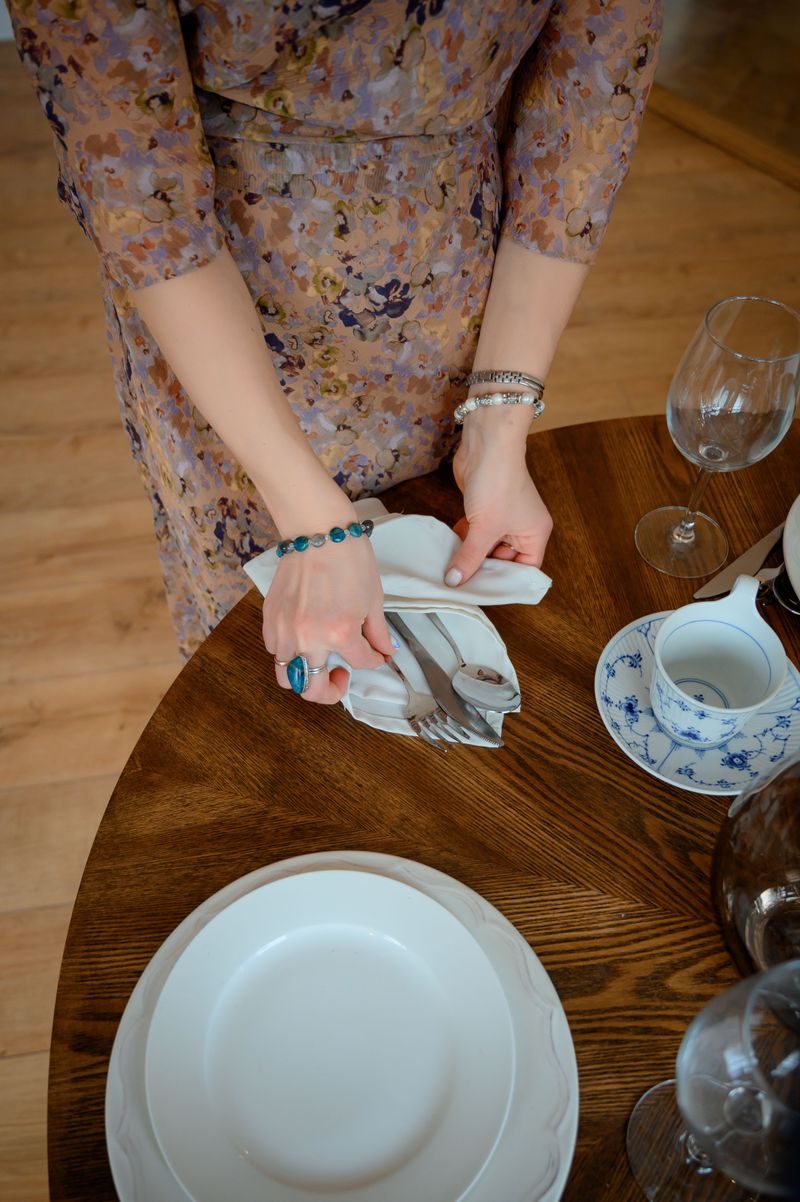
Forks on the left, knives on the right.
That simple rule is the heart of a classic table setting, and it works just as well with dollar-store plates as with fine china.
Setting the table turns an ordinary weeknight meal into a small occasion.
A folded napkin and a glass of water at each place can change the whole mood.
The basic layout is easy to remember.
Place the plate in the center, the fork to its left, the knife to its right with the blade facing the plate, and the spoon beside the knife.
Glasses go above the knife.
Bread plates, if you use them, sit above the fork.
Cloth napkins are a fun upgrade that can be reused for years.
Mismatched vintage napkins from a thrift store look charming rather than sloppy.
A centerpiece doesn’t need to be fancy either.
A few grocery-store flowers in a jar or a bowl of lemons adds color.
Knowing these basics also helps at formal events.
When you sit down at a wedding dinner, you’ll know which bread plate is yours, which saves an awkward reach toward your neighbor’s roll.
7. Use the Library Like a Private Club

Andrew Carnegie funded more than 2,500 library buildings around the world, many of them in the United States.
Plenty of those communities still have a public library open to anyone with a card.
Libraries offer far more than books.
Many lend audiobooks, e-books, movies, and magazines, and some even loan out tools, museum passes, or musical instruments.
Apps like Libby and Hoopla let many cardholders borrow digital titles from their phones.
Check your local library’s website to see which services it offers.
Reading widely gives you plenty to talk about at dinner.
History, travel writing, biographies, and classic novels all add to your store of stories.
Library events are worth a look too.
Free lectures, author talks, book clubs, and language classes appear on many library calendars.
A simple routine can help.
Try keeping one fiction and one nonfiction book going at a time, so you always have something to match your mood.
Return items on time and treat them gently, since other readers are waiting.
Think of it as membership etiquette for the most generous club in town.
8. Visit Museums on Free Days
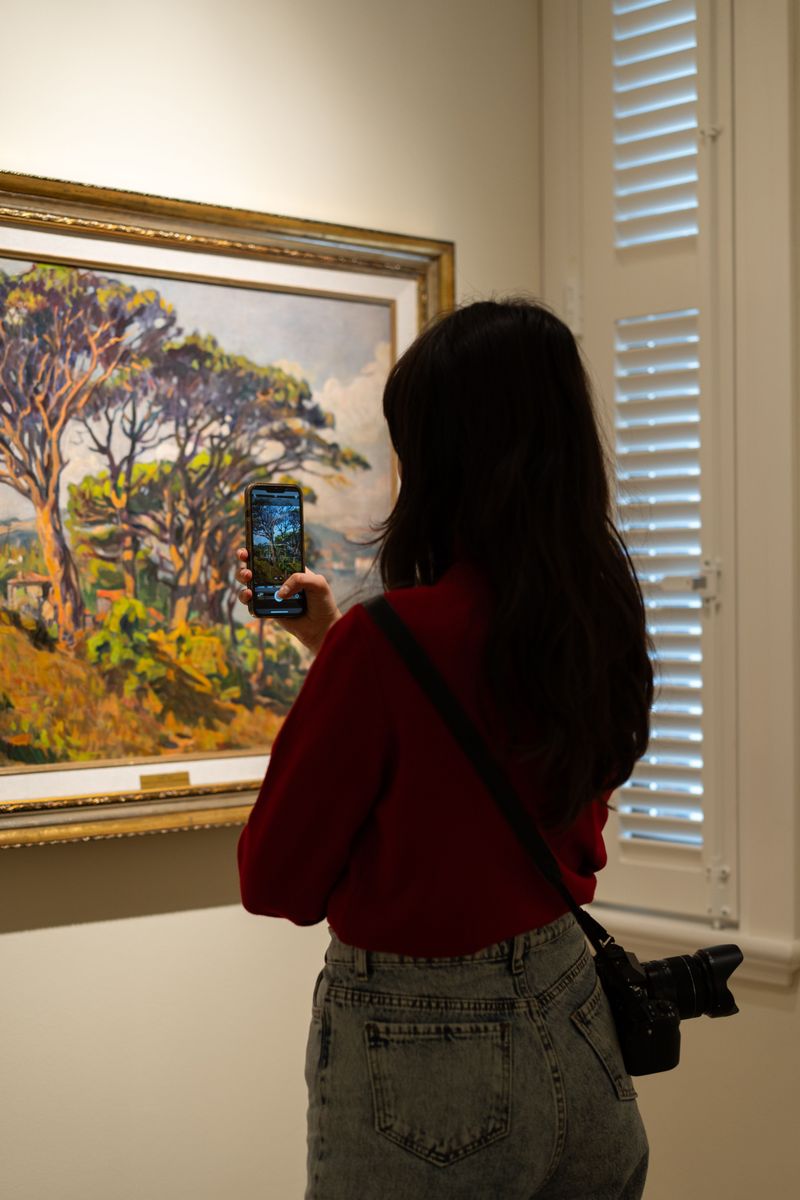
The Smithsonian museums in Washington, D.C., charge no admission at their main locations.
That means some of the country’s most famous collections are open without a ticket price.
Plenty of other museums offer free or reduced days.
Some run free evenings once a month, while others let visitors pay what they wish on certain dates.
Museum-hopping is a lovely way to train your eye.
Over time, you’ll notice which colors, shapes, and styles you’re drawn to.
Go slowly.
Picking one gallery and really looking at a few pieces can be more rewarding than racing past hundreds.
Read the wall labels for fun details about the artist, the materials, or the year.
Those little stories make great conversation later.
Many libraries offer museum passes, so check there before paying full price.
Some banks and credit card programs have also offered free museum entry on select weekends, so look into what’s available near you.
Bring a small notebook or snap photos where allowed.
A running list of favorite works becomes a personal guide to your taste, and it’s far more interesting than scrolling through someone else’s highlights.
9. Spend With Intention

Quiet wealth often looks a lot like saying no. Skipping impulse buys leaves more room for the things you truly care about.
Intentional spending starts with knowing where your money goes.
A simple budget, whether in an app, a spreadsheet, or a notebook, gives you that clear picture.
Try a waiting rule before nonessential purchases.
Giving yourself a day or two often reveals whether you really want the item or just liked the moment.
Cooking at home is another useful habit.
Meal planning helps cut food waste and makes grocery trips quicker.
When you do spend, think in cost per use.
A sturdy pair of boots worn hundreds of times may be a better deal than a cheaper pair that wears out in a season.
Repairing before replacing fits right in.
Resoling shoes, patching jackets, and fixing small appliances keeps good items in service.
Budgets and priorities vary a lot from one household to the next.
Your plan should fit your income and goals, not someone else’s highlight reel, and that freedom is a pretty luxurious feeling.
10. Practice Discretion

Old-money families have a reputation for keeping things low-key.
Loud logos, constant bragging, and oversharing don’t fit that style.
You can borrow that quiet confidence anywhere.
Before posting online, ask whether you’d be comfortable with a coworker or a stranger seeing it.
Discretion also shapes conversation.
Polite company usually avoids grilling others about salaries, home prices, or personal finances.
Keeping friends’ secrets is part of this habit too.
When someone confides in you, that trust is worth protecting.
Gossip can be tempting, especially when a story is juicy.
Changing the subject gently is an easy way to step out without lecturing anyone.
Modesty about your wins doesn’t mean hiding them.
Sharing good news with people who care is lovely, and there’s a difference between sharing and showing off.
Online privacy settings deserve a quick check now and then.
Limiting who sees your posts and location adds a layer of safety as well as polish.
A calm, private manner tends to draw people in.
Leaving a little mystery can be far more intriguing than broadcasting every detail of your week, and it keeps your personal life feeling like your own.
11. Nurture Lasting Friendships

Strong social ties often outlast any fancy purchase.
Friendships built over years can feel like the richest part of a life.
Staying in touch takes small, steady effort.
A quick text after a friend’s big day or a call on a birthday keeps the connection alive.
Hosting doesn’t require a large dining room.
A potluck, a game night, or tea and homemade cookies brings people together for little money.
Remembering details makes a big difference.
Asking about someone’s new job or their mom’s surgery shows you were truly listening.
Reliability counts too.
Following through on promises, returning borrowed items, and showing up when you say you will builds trust over time.
Community activities can widen your circle.
Volunteering, joining a walking group, or attending free local events introduces you to neighbors with shared interests.
Generosity doesn’t have to be about money.
Offering a ride, helping with a move, or sharing a skill can mean more than a store-bought present.
Be patient with yourself, since friendships grow at different speeds.
A handful of steady connections can be more valuable than a huge contact list, and those are the people who’ll be around for the good stories.