 MomSkoop

Marriage has meant different things to different generations. Today, many young adults see it through a new lens shaped by money, careers, and changing family life.
Knowing these differences can help families talk with less judgment and more understanding. Let’s look at how younger people see the big commitment.
1. Marriage Is a Choice, Not a Must
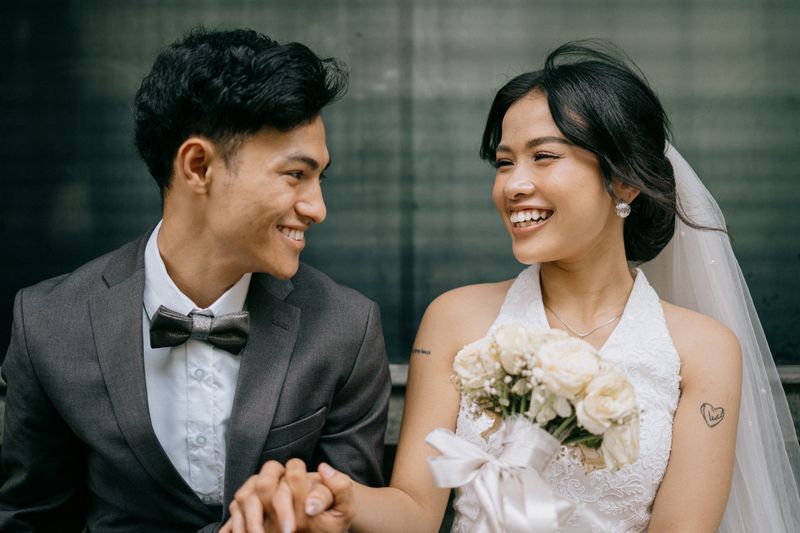
Many younger adults see marriage as one path among many, not a box that must be checked by a certain age.
Older generations often grew up when marriage marked the start of adult life.
Getting married meant moving out, buying a home, and being taken seriously.
Today, people can build a full life on their own through friends, work, and hobbies.
That freedom means those who do marry usually do so because they truly want to.
The choice feels personal, not like a rule handed down by society or family.
2. Tying the Knot Later in Life
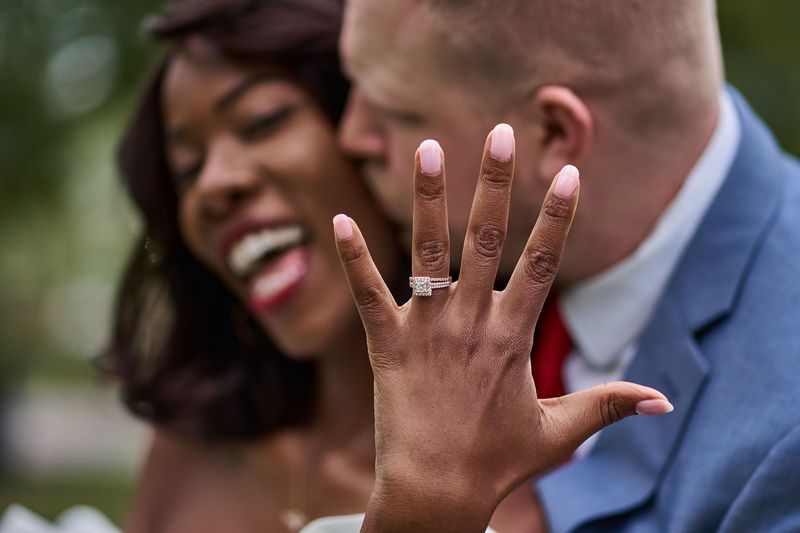
Here is a quick fact: the average age of first marriage has climbed by several years since the 1970s.
Younger adults are taking their time, and they have reasons for it.
School often lasts longer now, and building a career can take years.
Many also want to travel, try new cities, and figure out who they are before sharing a last name or a home.
Grandparents may have wed in their early twenties, so this can feel surprising to them.
Yet waiting often gives couples a stronger sense of self.
They arrive at the altar knowing what they want, which can make the partnership steadier.
3. Money Comes Before the Ring

Rent is high, student loans are heavy, and prices keep rising.
Against that backdrop, it makes sense that many young couples want a solid money plan before saying “I do.”
Their parents may have married with little savings and figured things out together.
Younger adults tend to feel that financial stress can crack even a loving bond, so they prepare first.
They might pay down debt, build an emergency fund, or save for a home deposit.
This does not mean they need to be rich.
It simply means they want a sense of stability.
Talking openly about income, debt, and goals is seen as a smart step, not an unromantic one.
4. Living Together Is Totally Normal

Moving in together used to raise eyebrows.
Many older folks were taught that sharing a home came only after a wedding.
Younger adults tend to treat it as an ordinary step in getting to know someone.
Sharing a space shows things dating never can, like who forgets the dishes or how each person handles stress.
Couples also split rent, which helps when housing is pricey.
Many see it as a test drive for long-term life.
If it works, marriage may come next.
If it does not, they learned something valuable before making a legal promise.
That practical mindset has made cohabitation common and widely accepted.
5. Equal Partners at Home
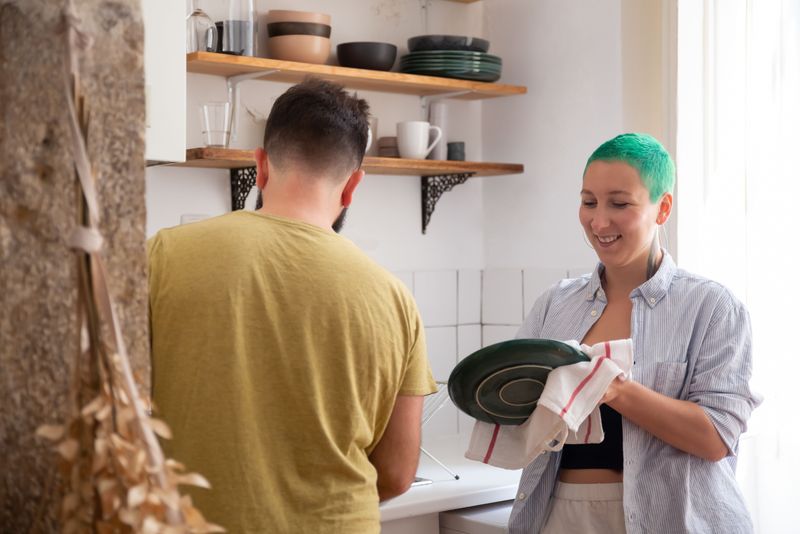
“Who’s doing the laundry this week?” is a question many young couples ask out loud.
Sharing tasks fairly is a big expectation for them, from cleaning and cooking to bills and big choices.
In earlier generations, duties were often split by habit or tradition.
Younger partners usually prefer to talk it through and divide work based on time, skills, and energy.
Parenting follows the same idea.
Both partners are expected to change diapers, attend school events, and make decisions together.
When the load feels balanced, couples report feeling closer and less resentful, which is a goal many of them share.
6. Old Gender Roles Are Fading

Not long ago, a husband was expected to earn the money and a wife was expected to run the home.
Younger generations are tossing that script out.
A wife may be the main earner while her husband stays home with the kids.
Or both may work and share every task.
Either setup is seen as fine if it fits the couple.
Many grew up watching moms work and dads cook, so those images feel natural.
The main question is not what a husband or wife “should” do, but what works best for the two people involved.
That flexibility makes room for more personal happiness.
7. Compatibility Counts Most

Shared values beat family approval for many younger couples.
They look for someone who listens well, supports their dreams, and feels like a true teammate.
Long ago, marriages were often arranged or shaped by community expectations.
Even in recent decades, pressure to settle down with a “suitable” person was strong.
Now, emotional connection sits at the center.
Therapy, honest talks, and relationship advice online are more common, too.
Couples learn to name feelings and solve problems out loud.
They tend to ask, “Do we grow together?” rather than, “Will others approve?” That focus can build deeper trust.
8. Less Shame Around Divorce
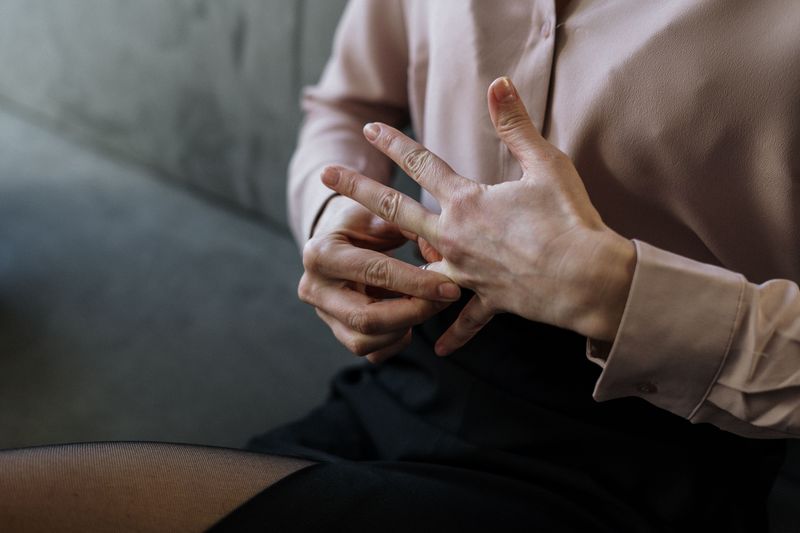
Decades ago, divorce could mean gossip, whispers, and lost friendships.
Staying married, even unhappily, was often seen as the respectable route.
Younger adults tend to judge less.
If a marriage is unhealthy or two people have grown in opposite directions, many believe leaving can be a brave and healthy choice.
That does not mean they take vows lightly.
Many work hard, try counseling, and think carefully before wedding.
But they also feel less trapped by social pressure.
They believe that happiness and safety matter, and that a fresh start is not a failure.
9. Marriage and Kids Are Separate Choices
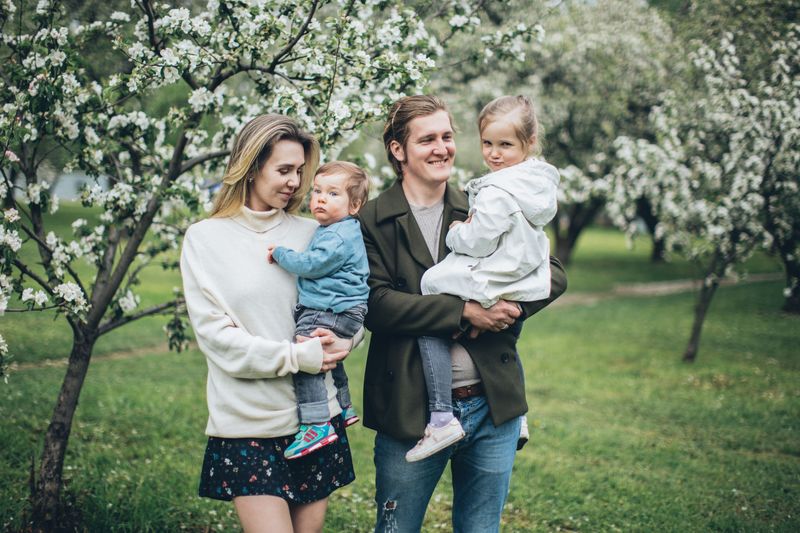
A wedding used to come first, then the baby carriage.
That order is no longer a rule for many younger people.
Some couples have children without marrying, feeling their commitment is strong without paperwork.
Others marry and decide not to have kids at all, choosing travel, careers, or pets instead.
Each path is viewed as valid.
Rising childcare costs and concerns about the future also shape these choices.
For younger adults, the two decisions stand apart, and each deserves its own careful thought rather than being bundled into one package.
10. Wider Acceptance of Different Couples
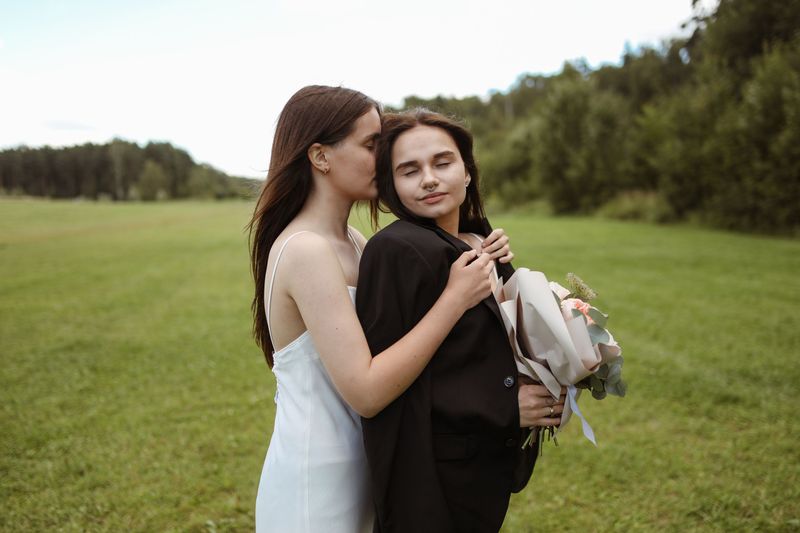
Walk into a wedding today and you might see a mix of cultures, faiths, and love stories.
Younger generations grew up with more diversity around them, and it shapes how they view relationships.
Interracial, interfaith, and same-sex marriages are widely supported among Gen Z and Millennials.
Many have friends, classmates, or relatives in such couples, so it feels normal rather than unusual.
Older generations lived through times when laws and customs limited who could marry whom.
That history makes today’s openness feel even bigger.
Younger people often say love and respect matter far more than matching a traditional picture.
11. Marriage as a Team Effort
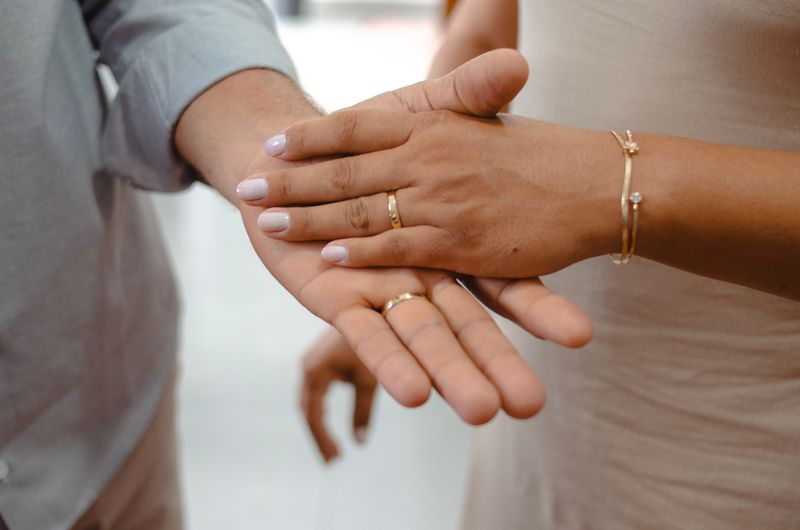
Think of marriage as a group project where both people decide the plan.
That is how many younger adults picture it.
Rather than following fixed jobs labeled “husband” or “wife,” they talk about needs, dreams, and strengths.
One partner might go back to school while the other works more for a while.
Later, they may switch.
Roles can change as life changes.
Regular check-ins, honest talks, and flexibility help the bond stay strong.
The goal is not to fill a role someone else wrote, but to build a shared life that fits both people, one thoughtful choice at a time.