 MomSkoop

There is nothing wrong with wanting to feel youthful, fresh, and connected. The awkwardness starts when that effort looks forced instead of natural, and everyone around them can sense it.
Some habits meant to signal fun or relevance actually reveal insecurity far more loudly than style ever could. If you have ever cringed at someone trying a little too hard, these signs will probably feel very familiar.
1. Forcing slang into every sentence

You can usually tell when slang is being used for connection and when it is being used like a costume.
The awkward version sounds pasted into every sentence, often slightly off, like someone memorized a list of words five minutes before walking into the room.
Instead of seeming current, it makes the conversation feel stiff and performative.
What gives it away is the lack of rhythm.
Real language has context, timing, and personality, but forced slang lands with the energy of someone reading from cue cards.
If every phrase sounds like it is trying to prove youthfulness, people stop hearing confidence and start hearing panic, which is the exact opposite of what that person probably hoped to project.
2. Dressing only for trends, not identity
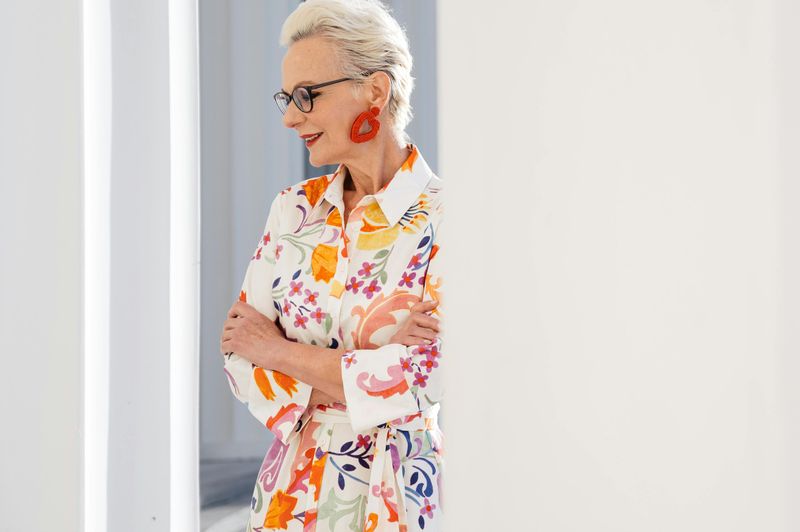
Following fashion can be fun, but wearing every trend without any connection to your actual personality usually looks more desperate than stylish.
You can sense when someone chose an outfit because it is popular online, not because it feels like them.
The result is often oddly disconnected, like the clothes arrived before the person did.
Personal style has a lived in ease that trends alone cannot fake.
When someone chases whatever is hot without filtering it through comfort, confidence, or taste, the whole look starts wearing them instead.
Trying something new is not the problem.
It is the refusal to develop a signature look that makes the effort feel like an audition for youth rather than a genuine expression of self.
3. Jumping on every viral trend
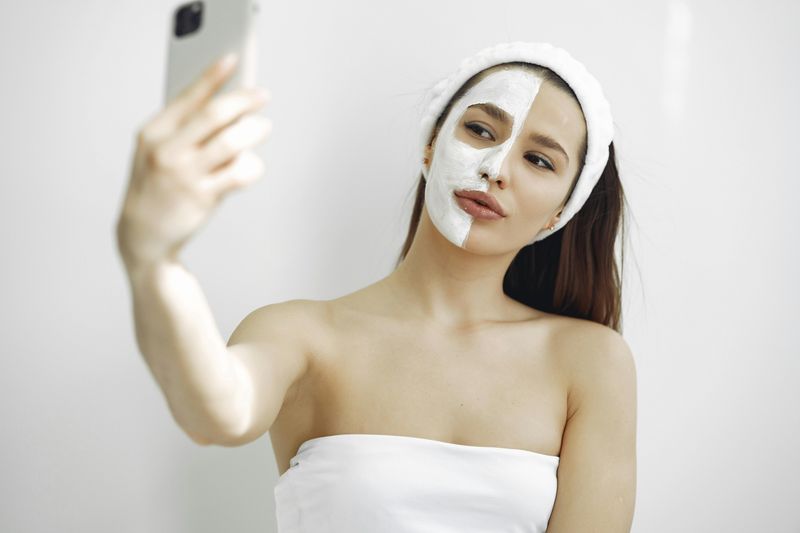
There is a big difference between enjoying social media and treating every viral challenge like a mandatory assignment.
When someone participates in every meme, dance, filter, and audio no matter how little it fits their life, it starts to feel less playful and more like image maintenance.
People notice when the enthusiasm looks automatic instead of genuine.
The awkwardness comes from the lack of selectiveness.
Most people engage with trends that actually amuse them or suit their personality, but trying all of them creates a frantic energy that reads as insecurity.
Instead of seeming plugged in, the person often looks exhausted and oddly disconnected from themselves.
Chasing every trend rarely makes anyone look younger.
It mostly makes them look afraid to be left behind.
4. Constantly bringing up their age
Few things announce insecurity faster than repeatedly reminding everyone how young you still feel or how unbelievable your age supposedly is.
If someone keeps saying,
5. Performing for much younger crowds

Spending time with younger people is not strange by itself.
What feels awkward is when someone turns the whole interaction into a performance, exaggerating their behavior just to prove they belong there.
You can sense when the goal is connection, and you can definitely sense when the goal is validation.
The giveaway is how hard they push it.
They laugh too loudly, copy the group’s mannerisms, and keep signaling that they are totally one of them instead of just relaxing into the moment.
Genuine cross generational friendships feel easy because nobody is trying to erase the age difference.
When someone seems desperate to blend in at any cost, it often reveals discomfort with their own stage of life more than it creates any real sense of youthful energy.
6. Overediting photos and overdoing filters

Editing a photo here and there is normal, but there is a point where it stops looking polished and starts looking like a refusal to be seen honestly.
Heavy smoothing, dramatic filters, and face altering apps often create an uncanny effect that draws more attention than natural aging ever would.
Instead of looking youthful, the image just looks anxious.
What makes this habit awkward is that everyone can tell.
When online photos look twenty years younger than real life, it creates a strange gap between presentation and reality that can feel almost sad.
Most people respond better to confidence than perfection anyway.
A small touch up is one thing, but turning every image into a digital time machine often reveals more fear than freshness.
7. Rejecting anything tied to their age group
One of the clearest signs of aging anxiety is acting like anything associated with your own age group is automatically boring, embarrassing, or unacceptable.
When someone rejects mature interests, styles, or perspectives on principle, it sends the message that they see growing older as a personal failure.
That attitude rarely comes across as youthful.
It usually comes across as defensive.
The irony is that maturity can be incredibly attractive when someone wears it comfortably.
People tend to admire those who evolve naturally, not those who act offended by their own life stage.
There is nothing wrong with staying curious or playful, but constantly distancing yourself from peers just to seem younger feels less like confidence and more like an ongoing argument with reality.
8. Exaggerating reactions to seem fun

Being lively is great, but there is a noticeable difference between natural energy and turning every moment into a loud audition for fun.
Forced squealing, overblown shock, chaotic dancing, or theatrical reactions often feel less spontaneous than strategic.
It is as if the person wants witnesses to confirm they are still wild, hilarious, and full of youthful spark.
That is what makes it uncomfortable.
Genuine fun has a loose, effortless quality, while exaggerated reactions often carry the tension of someone monitoring how youthful they appear in real time.
Instead of lifting the room, it can create secondhand embarrassment because everyone senses the performance underneath the noise.
Ironically, calm confidence usually reads as cooler and more youthful than trying to dominate the vibe.
9. Name-dropping trends, apps, and artists
Knowing what is current is not embarrassing.
Constantly proving that you know what is current definitely can be.
When someone keeps dropping the latest app, artist, show, or micro trend into unrelated conversations, it starts to sound less like genuine interest and more like they are trying to pass a cultural relevance test in public.
The awkward part is how transparent it feels.
Most people who are truly engaged with youth culture do not need to announce it every few minutes because their knowledge shows up naturally.
Forced references, especially when they feel random, make conversations seem oddly transactional.
Rather than appearing informed and fresh, the person often looks worried that silence might expose them as out of touch, which instantly makes the effort obvious.
10. Joking about aging all the time

A little self aware humor about getting older can be charming.
The problem starts when every wrinkle, birthday, or age related reference becomes a joke, as if nonstop mockery might make the fear disappear.
When someone keeps turning aging into a punchline, it often sounds less playful than protective.
People usually pick up on the discomfort behind it.
Instead of showing ease, constant joking can signal that the person is deeply unsettled by the passage of time and trying to stay in control of the topic before anyone else mentions it.
That tension is what makes the habit awkward.
The most confident people do not need to roast their own age into the ground.
They acknowledge change, adapt, and keep moving without making it their whole comedic identity.
11. Adopting hobbies only because they are trendy

Trying new hobbies is healthy, but picking up every trendy interest purely because it is fashionable often feels hollow fast.
You can tell when someone actually enjoys pickleball, vinyl collecting, matcha rituals, or whatever is currently popular, and you can also tell when they are just borrowing an identity for optics.
The difference is real curiosity versus surface level performance.
When there is no genuine connection, the enthusiasm usually fades as soon as the spotlight does.
That makes the whole thing read like branding instead of growth, especially if the person cannot talk about the interest beyond a few trendy phrases.
Youthfulness comes from being engaged and open, not from collecting whatever hobbies are culturally hot.
Chasing interests without sincerity rarely fools anyone for long.
12. Steering every conversation toward youth culture
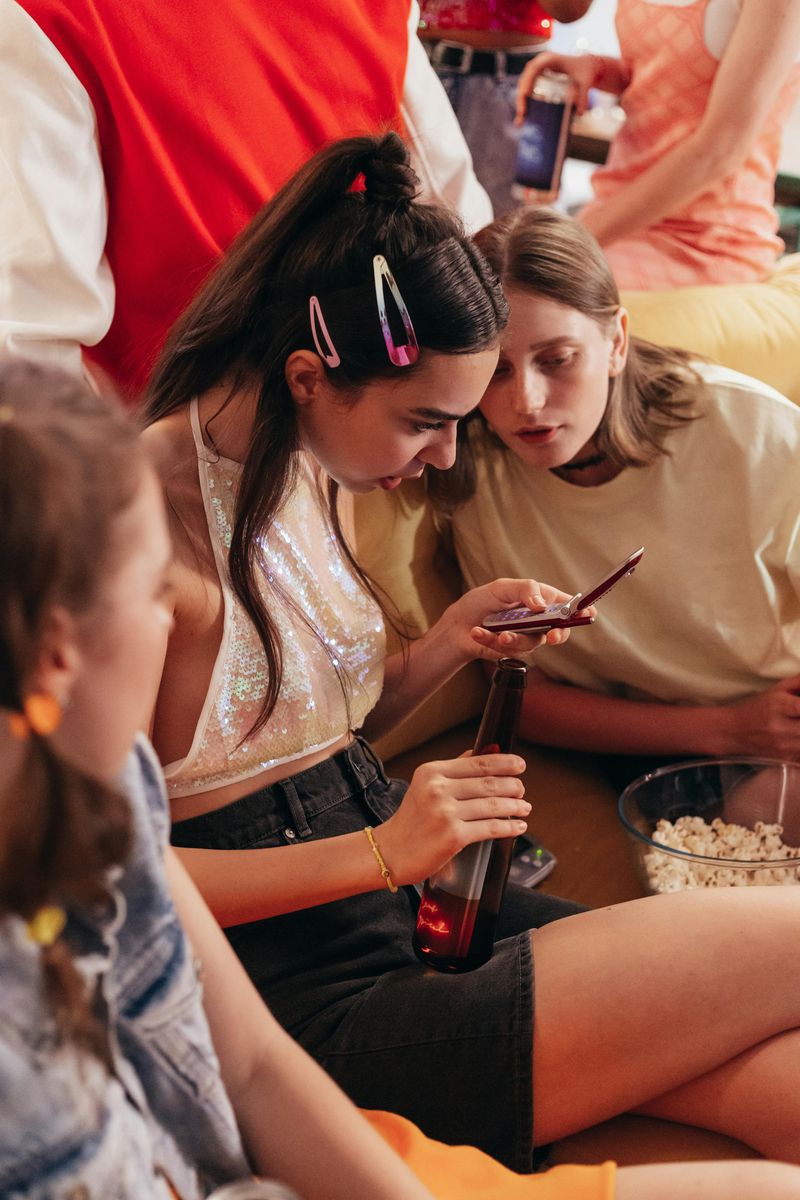
Conversations get awkward quickly when someone keeps dragging every topic back to what younger people are doing, wearing, streaming, or saying.
If a discussion about work, family, travel, or politics somehow turns into memes, dating apps, or Gen Z slang every time, the pattern starts to feel forced.
It is less about shared interest and more about proving relevance.
That overcompensation usually reveals exactly what the person is trying to hide.
People who feel secure do not need every exchange to double as evidence that they still have cultural access.
They can mention youth culture naturally without using it as a shield.
When someone keeps redirecting the conversation to trend based topics that barely fit, it often creates distance instead of connection, because everyone can sense the insecurity driving it.